

Home ⭢ Healthcare ⭢ Gastroenterology SEO











Benefits of gastroenterology healthcare marketing:
In local search results, a well-optimized website can help your clinic rank higher than rivals, particularly for high-value operations and common gastrointestinal symptoms. Patients are more likely to choose your practice over others due to this competitive advantage.
SEO ensures that your clinic appears prominently in search engine results for relevant searches, such as "IBS specialist," "colonoscopy in [city]," and "gastroenterologist near me."
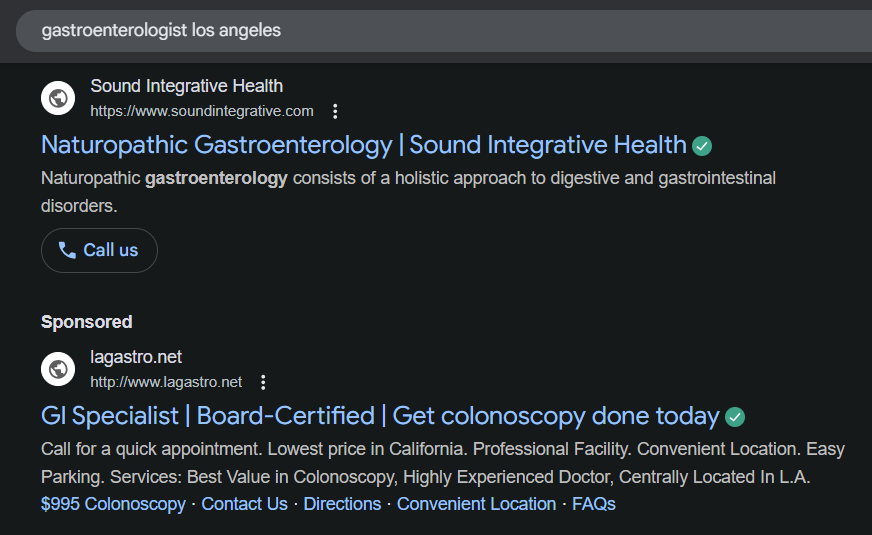
More potential patients will be able to find your practice when looking for GI care thanks to its increased visibility, which will result in a steady increase in patient inquiries and appointment scheduling.
The user experience is enhanced by SEO best practices, which include creating mobile-friendly, quick-loading websites with clear calls to action and intuitive navigation. Patients will find it simpler to contact your office online, access information, and arrange appointments as a result.
By focusing on condition-specific and service-based keywords (such as "GERD treatment" and "endoscopy specialist"), SEO attracts people who are actively seeking a diagnosis, researching symptoms, or are prepared to schedule an appointment.
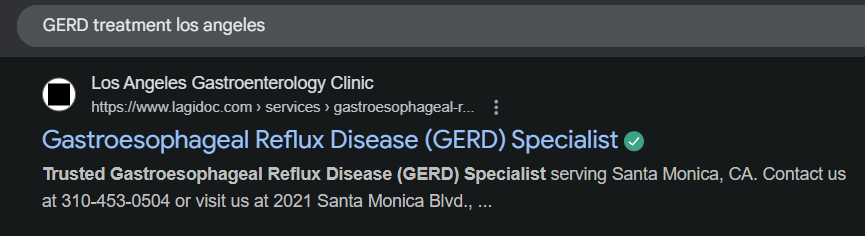
As a result, your marketing budget is used more effectively, and conversion rates increase.
You can monitor website traffic, keyword rankings, patient inquiries, and conversions with tools like Google Analytics and Search Console. With the help of these insights, you can enhance your marketing efforts and achieve a consistent return on investment.
By utilizing local SEO tactics, such as optimizing your Google Business Profile, soliciting reviews, and ensuring your listings are consistent across directories, you can establish your practice as a reliable and reputable GI service in the local area.
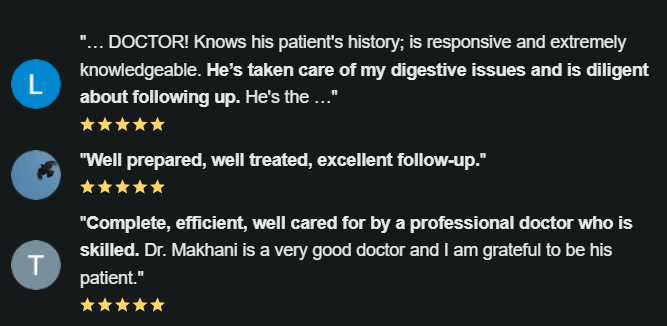
Accurate business information and positive internet reviews serve to further strengthen patient trust and confidence.
You can post blogs, frequently asked questions, and educational resources that address common questions, describe procedures, and provide GI health advice using SEO-driven healthcare content marketing. In addition to establishing you as an expert in gastroenterology, this gives patients more knowledge and control over their treatment.
PPC offers immediate results, but SEO provides long-term, steady growth. Your overall patient acquisition cost will gradually decrease as your site ranks highly organically and you begin to receive a constant stream of patient leads without incurring the cost of each click.
Promoting new practices, technologies, or locations is made simpler with SEO. Making specific, optimized sites for every service or location guarantees that both referring physicians and patients can discover new options.
Healthcare SEO strategies and marketing solutions to attract new patients and referrals:
Attracting patients from the local community is crucial for gastroenterology practices. Claim and optimize your Google Business Profile (GBP) first. Ensure that your name, address, phone number, business hours, services, and appointment scheduling link are accurate and up to date.
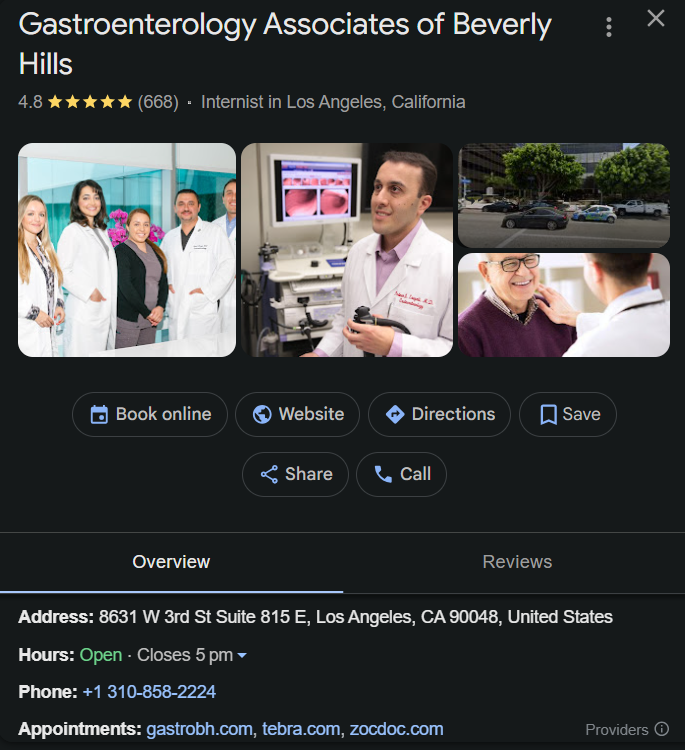
To foster trust, include high-quality pictures of your office, employees, and waiting rooms. Encourage satisfied clients to write thorough reviews and respond to all comments promptly. Maintaining consistent NAP (name, address, and phone) citations in directories such as Vitals and Healthgrades improves local search rankings and further validates the validity of your clinic.
Choose a broad range of keywords that accurately describe the services and conditions you treat. Pay attention to both long-tail, condition-specific phrases (like "treatment for ulcerative colitis," "colonoscopy screening in [city]", or "IBD specialist [location]") and high-volume, general keywords (like "gastroenterologist near me," "GI specialist").
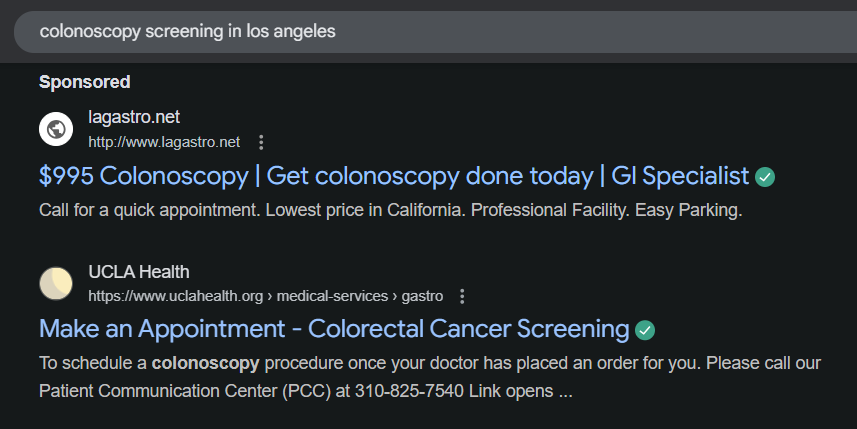
Create thorough, specialized service pages for every treatment (such as colonoscopy, endoscopy, and IBS management), ensuring each one is optimized with original content, concise service descriptions, frequently asked questions, and compelling calls to action. Utilize headers, picture alt tags, meta descriptions, and page titles that incorporate relevant keywords without overstuffing them.
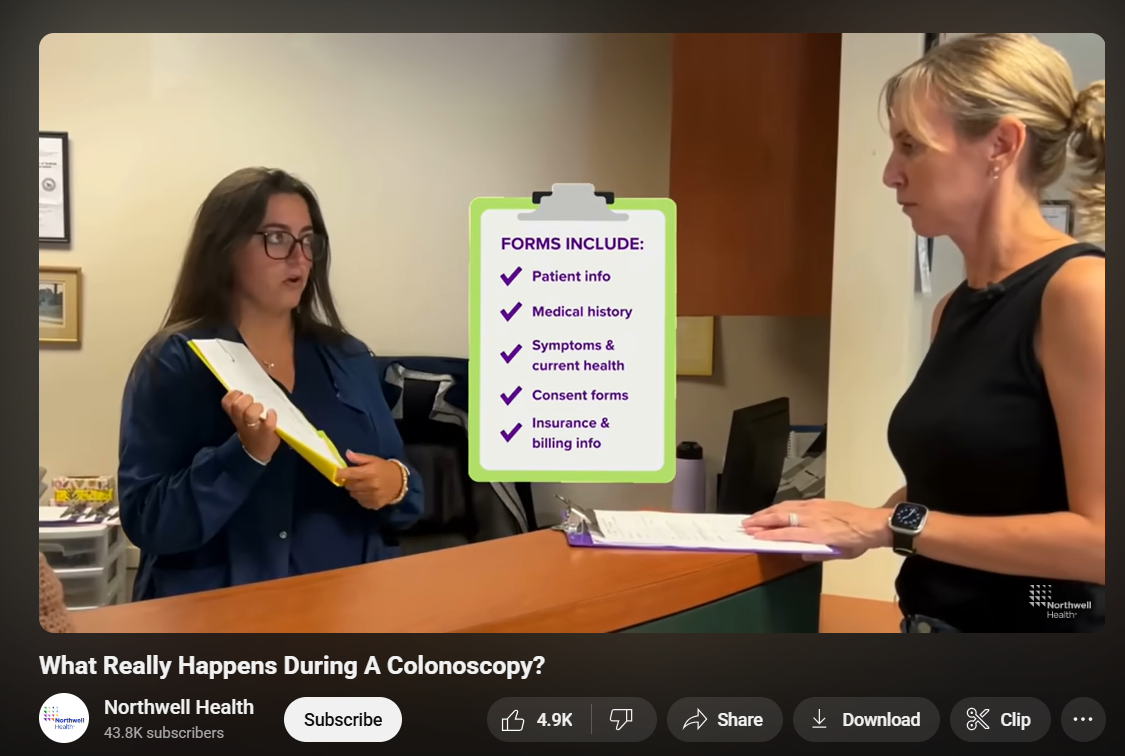
Create a comprehensive blog or resource center that covers typical patient inquiries, GI health advice, symptoms, getting ready for procedures, and post-procedure care. This enhances the amount of patient access points through organic search and positions your practice as an authority. High-quality, educational instructional articles, such as "Dietary Tips for IBS" or "What to Expect During a Colonoscopy," can attract informational searches and establish credibility. Use downloadable guides, explainer videos, and infographics to boost dwell time and engagement.
Since mobile devices account for the majority of health-related searches, your website needs to be fully responsive and mobile-friendly. Ensure that crucial elements, such as location maps, click-to-call buttons, and appointment forms, function seamlessly across all platforms. Reduce unnecessary scripts, enable browser caching, and compress images to make sure your site loads quickly. Slow websites can negatively impact search engine rankings and user experience.
Utilize schema markup tailored to the healthcare industry on your website to enable search engines to better understand your business and highlight key information, such as services, reviews, hours, and provider credentials, directly in search results. This can increase click-through rates by making you more visible in map packs, rich snippets, and "People Also Ask" sections.
Actively track and manage your reviews on Yelp, Healthgrades, Google, and other specialized directories. Encourage satisfied patients to share their experiences, and respond to any negative feedback gently and constructively.
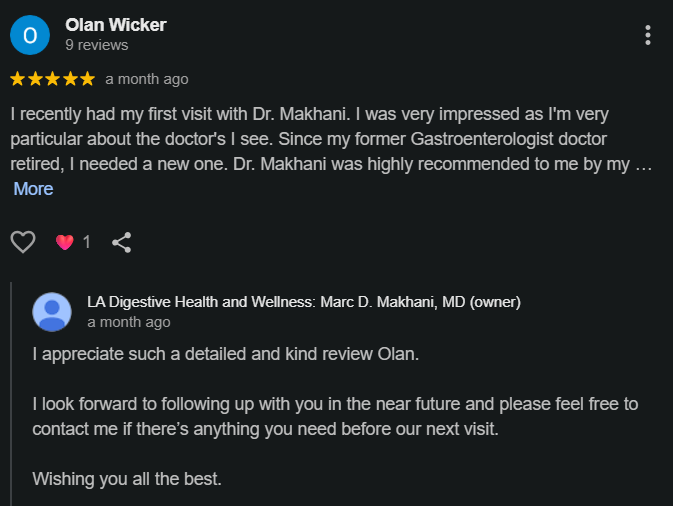
In addition to influencing patient choices, positive reviews can affect local SEO rankings.
Utilize Google Search Console and Analytics to track user engagement, keyword ranks, and website traffic. Keep track of the pages that lead to the most appointments or queries, and adjust your SEO and content strategy accordingly. To maintain and improve your rankings, stay up-to-date on changes to the Google algorithm and new developments in SEO.




We perform full-scale keyword research to determine the most appropriate and effective keywords for your GI services. This involves examining search volume, competition, and user intent to ensure your ads effectively target the appropriate audience.
Yes, we manage consolidated search campaigns for multi-location accounts covering all GI-related terms to maximize your reach at each funnel stage. Our expertly crafted gastroenterology SEO campaigns help you grow your digital presence and reach peak performance.
Definitely! We uphold transparency and collaboration. You can view all the data on how well your gastroenterology SEO campaign performs and how the budget is allocated. We also offer frequent reports and updates to ensure you are informed and engaged in decision-making.
