Top Makeup Influencers to Follow in 2026

TL;DR
Discover the best beauty and makeup influencers for 2026 and ahead. These micro and macro makeup influencers are best for beauty and cosmetic brands.

Ask AI about this
Get an AI-powered summary of this article
Table of Contents
Partnering with the right makeup influencer is still one of the highest-leverage moves a beauty brand can make in 2026. Around 74% of Gen Z and 66% of millennial beauty buyers say creators directly shape what they purchase, and the cost-per-converted-customer through a well-matched mid-tier influencer typically beats both paid social and search.
Brands building creator-led campaigns can compare a shortlist for the best beauty marketing agency to find partners that connect influencer strategy with full-funnel beauty growth.
But the landscape has shifted. Mega-creators no longer guarantee mega-results, TikTok has overtaken Instagram as the discovery engine for under-25 buyers, and platforms have tightened FTC and ASA disclosure rules. Picking the right name now matters more than picking the biggest one.
This guide is the list we use when scoping a campaign for a cosmetic or skincare brand. We refreshed it for 2026 with current follower counts, platform mix, and the brand profile each creator fits best.
Skincare teams planning organic growth can review SEO for skincare brands to align content, technical SEO, and product education around qualified demand.
Here is what you will find below:
- Who counts as a makeup influencer and why they move product
- How we chose the 15 creators on this list
- Top makeup influencers in 2026, organised by audience tier
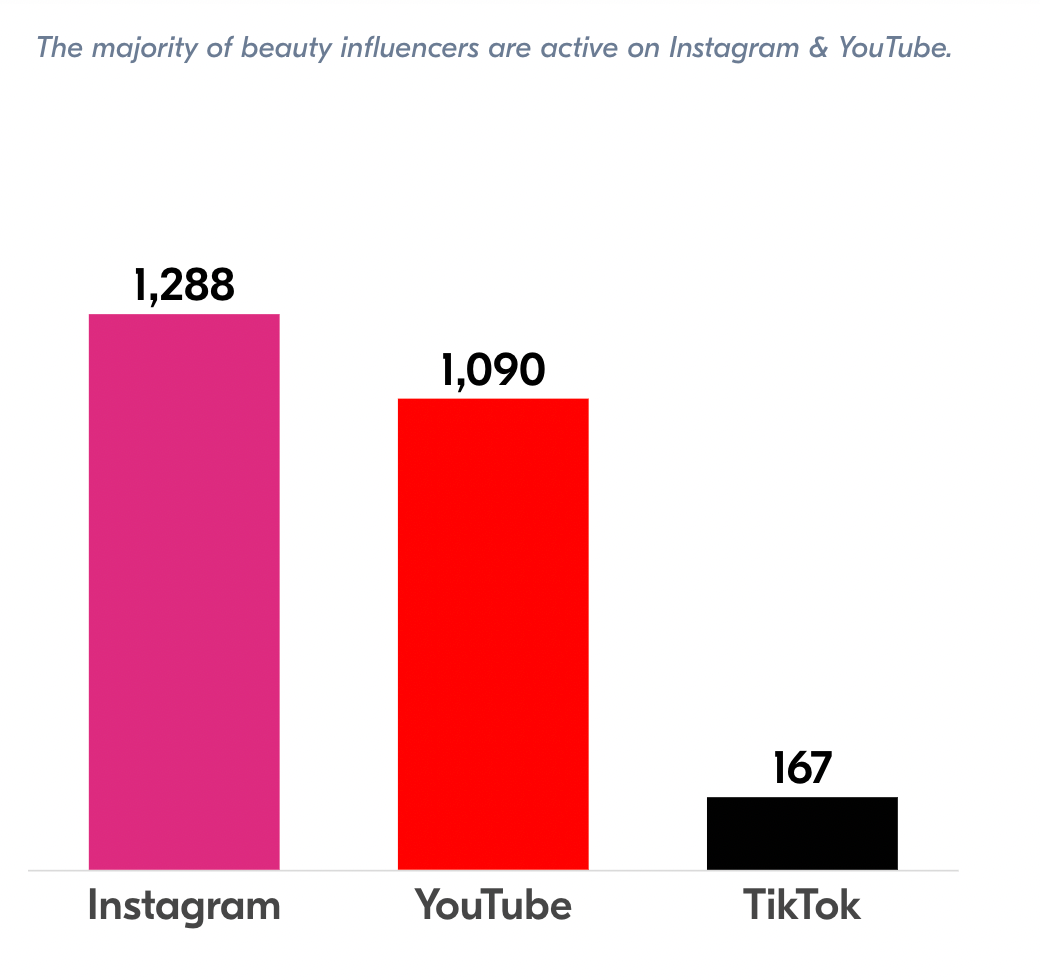
- Where to find them — Instagram, TikTok and YouTube benchmarks
- What it costs to partner with a makeup creator today
- How to vet an influencer before you sign the contract
Who is a Makeup Influencer?
A makeup influencer is a social-media creator whose audience trusts them to recommend cosmetic, skincare, hair and wellness products. They sit somewhere on a spectrum: from professional makeup artists who built audiences off the back of editorial work (Lisa Eldridge, Pat McGrath) to platform-native creators who came up entirely on TikTok or YouTube (Alix Earle, Mikayla Nogueira).
For brands, the distinction matters. MUA-led creators carry technical authority that suits clinical-skincare positioning. Platform-native creators carry attention and conversion for beauty advertising at the top of the funnel. The strongest campaigns usually use both.
Why Partner With a Beauty or Makeup Influencer
A well-scoped influencer partnership delivers six things at once:
- Targeted reach. Beauty creators concentrate exactly the buyer you want — niche, demographic, even price-point.
- User-generated content. Tutorials, GRWMs and unboxings become reusable become reusable beauty content marketing examples for paid ads, PDPs and email — at a fraction of what an in-house shoot costs.
- Product credibility. A creator demoing a foundation oxidising in real time carries more weight than any clinical claim you could put on the box.
- Measurable lift. Trackable links, promo codes and platform attribution let you tie every dollar of spend to incremental revenue, not just impressions.
- Format diversity. Long-form YouTube reviews, 60-second TikTok hooks, Reels demos and Stories take-overs give beauty marketing campaigns different assets for each part of the funnel.
- Speed. Influencer campaigns ship in days. Compared with a TV or OOH cycle, that is the difference between catching a trend and being late to it.
How We Chose These Picks
Follower count alone is a vanity metric. To make our 2026 list, a creator had to meet four criteria.
- Engagement quality, not size. A 90-second review with 200,000 saves beats a feed post with two million passive views every time. We weighted save-and-share rates over likes.
- Audience-brand fit. We picked creators whose audiences actually buy beauty products — skewing female, 16–44, US/UK/AU — rather than general-lifestyle accounts that happen to post the occasional makeup video.
- Track record with brands. Each creator has shipped at least one campaign in the last 18 months that delivered measurable results for a paying client — either ours or one publicly disclosed.
- Disclosure and consistency. FTC- and ASA-compliant labelling, professional rate cards, predictable response times. The creators below are people brands can actually work with at scale.
We then split the final list into four tiers so you can match audience size to budget and campaign goal.
Top Makeup Influencers to Follow in 2026
Fifteen creators, sorted into four tiers — mega, macro, mid-tier and rising TikTok stars. Follower numbers reflect mid-2026 ranges and round to the nearest 0.5M.
Mega-influencers (10M+ followers)
Use for: brand-awareness launches, flagship campaign moments, prestige and luxury beauty positioning. Expensive but unmatched for cultural impact.
Nikkie de Jager (NikkieTutorials)
Handle:@nikkietutorials ·Platforms: YouTube, Instagram, TikTok ·Audience:~14M YouTube, ~19M Instagram
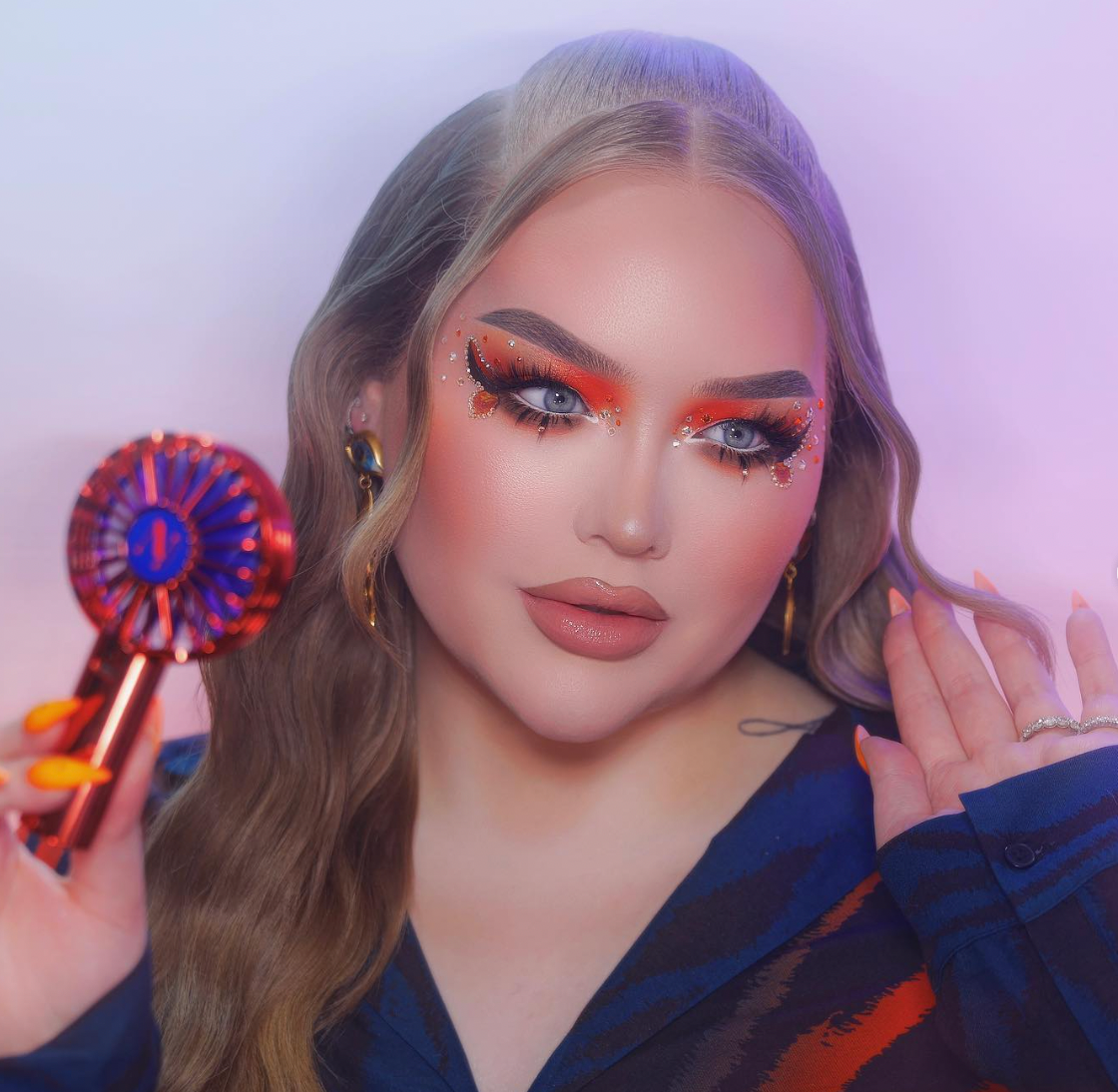
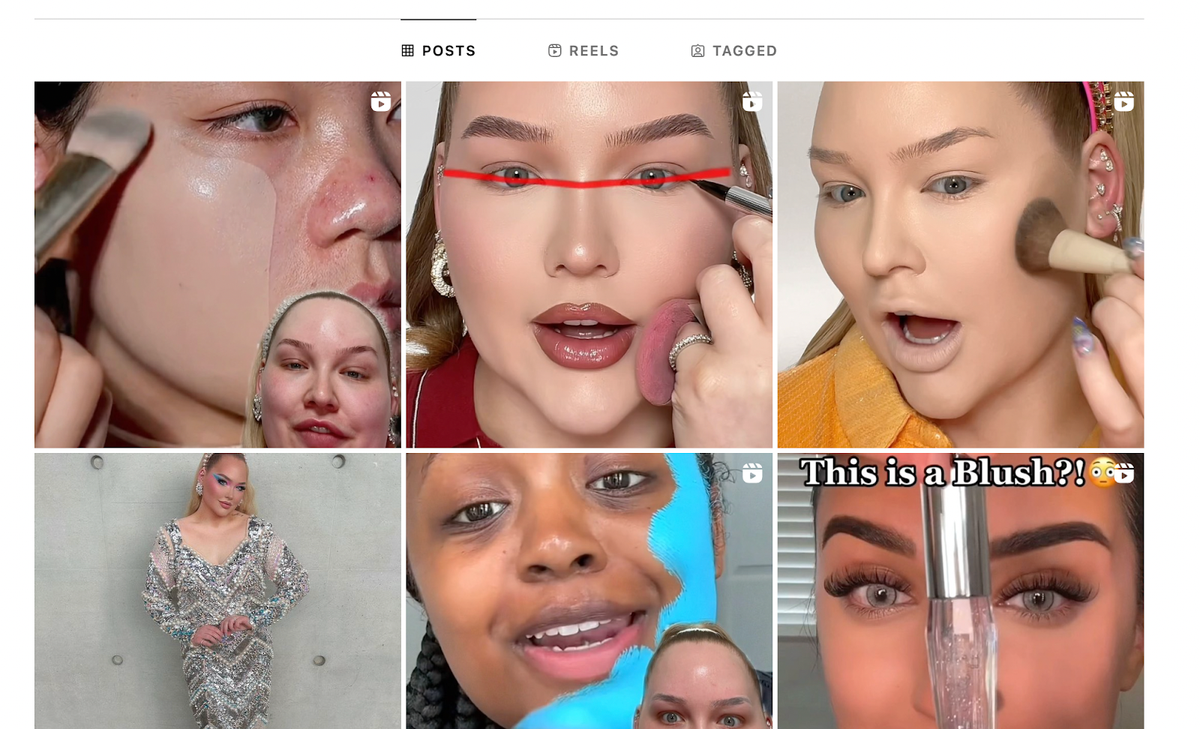
Known for: High-craft transformation tutorials, fearless personal storytelling, and the Power of Makeup movement that effectively defined modern beauty YouTube. She brings two decades of MUA chops to every collaboration.
Best brand fit: Prestige, clean and clinical skincare, and any campaign that rewards technical depth. Past partners include Maybelline, Marc Jacobs Beauty and Too Faced.
James Charles
Handle:@jamescharles ·Platforms: YouTube, TikTok, Instagram ·Audience:~24M YouTube, ~22M Instagram, ~38M TikTok
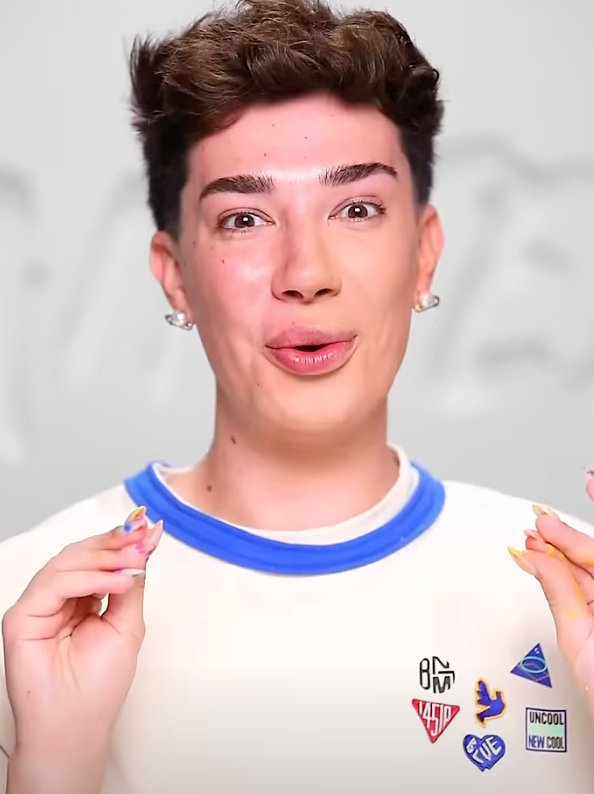
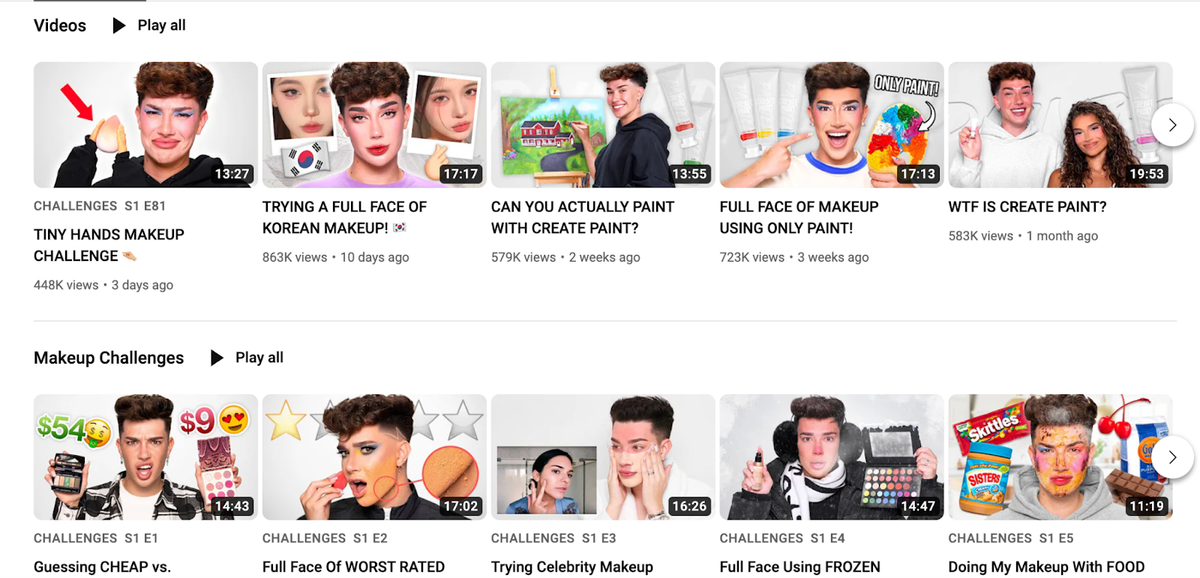
Known for: Long-form artistry videos, palette launches with Morphe (now independent), and one of the largest cross-platform beauty audiences anywhere. His comeback content cycle has rebuilt a Gen Z following that consistently moves limited-edition product.
Best brand fit: Bold colour cosmetics, palette collabs, Gen Z-targeted launches with a willingness to lean into spectacle.
Huda Kattan
Handle:@hudabeauty ·Platforms: Instagram, TikTok, YouTube ·Audience:~55M Instagram, ~6M TikTok
Known for: Founder of Huda Beauty, one of the most followed beauty pages on Instagram, and a tastemaker whose product recommendations consistently sell out. She built the founder-creator beauty brand playbook.
Best brand fit: Founder-led beauty launches, masstige cosmetics, MENA and South-Asian-market campaigns. Best for brands that want association with a category-defining voice.
Patrick Starrr
Handle:@patrickstarrr ·Platforms: YouTube, Instagram, TikTok ·Audience:~5M YouTube, ~4.5M Instagram
Known for: Inclusivity-first artistry, the ONE/SIZE Beauty brand, and major collaborations with MAC, Sephora Collection and Morphe. He pioneered the size- and gender-inclusive aesthetic that defines a lot of 2026 beauty marketing.
Best brand fit: Inclusive shade ranges, body and complexion products, brands looking to expand authentically into LGBTQ+ and BIPOC audiences.
Macro-influencers (1M – 10M followers)
Use for: conversion-focused product launches, paid-amplified UGC, and campaigns where credibility and reach both matter. Best cost-per-impression in the sponsored-content market.
Mikayla Nogueira
Handle:@mikaylanogueira ·Platforms: TikTok, Instagram ·Audience:~16M TikTok, ~3M Instagram
Known for: TikTok's defining drugstore-makeup voice. Her honest dupes-and-disappointments format moves product in volume — particularly mass-market complexion and lip — and shows why short-form demos now belong inside a cosmetics advertising strategy.
Best brand fit: Drugstore beauty, masstige launches, dupe-driven positioning, and any brand whose hero claim can survive a side-by-side comparison on camera.
Jackie Aina
Handle:@jackieaina ·Platforms: YouTube, Instagram, TikTok ·Audience:~3.6M YouTube, ~1.9M Instagram
Known for: Honest reviews, deep-shade representation work, and the haircare-and-fragrance brand Forvr Mood. She is the creator most often cited for forcing prestige brands to expand shade ranges in the late 2010s.
Best brand fit: Brands serious about deep-shade inclusion, fragrance, lifestyle-luxury positioning, and authentic Black-creator partnerships.
Manny MUA (Manny Gutierrez)
Handle:@mannymua733 ·Platforms: YouTube, Instagram, TikTok ·Audience:~4.4M YouTube, ~4.8M Instagram
Known for: Pioneering male beauty creator, Lunar Beauty founder, and a long collaboration history with Maybelline. His audience skews older and higher-AOV than most of the macro tier.
Best brand fit: Gender-inclusive beauty, eye-and-brow products, founder-creator product launches, and prestige brands testing male-aimed marketing.
Bretman Rock
Handle:@bretmanrock ·Platforms: Instagram, TikTok, YouTube ·Audience:~18M Instagram, ~9M TikTok
Known for: Charisma-led beauty and lifestyle content with major mainstream crossover — TV credits, magazine covers, and the Bretman Rock x Morphe and x Wet n Wild collections. He punches well above his beauty-specific follower count.
Best brand fit: Bold colour, lip, summer/festival launches, and brands that want pop-culture lift beyond the beauty niche.
Mid-tier specialists (100K – 1M followers)
Use for: niche credibility, technical product education, and the strongest cost-per-conversion in the market. These creators are where most of our agency campaigns spend the bulk of their budget.
Lisa Eldridge
Handle:@lisaeldridgemakeup ·Platforms: YouTube, Instagram ·Audience:~2.4M YouTube, ~1.8M Instagram
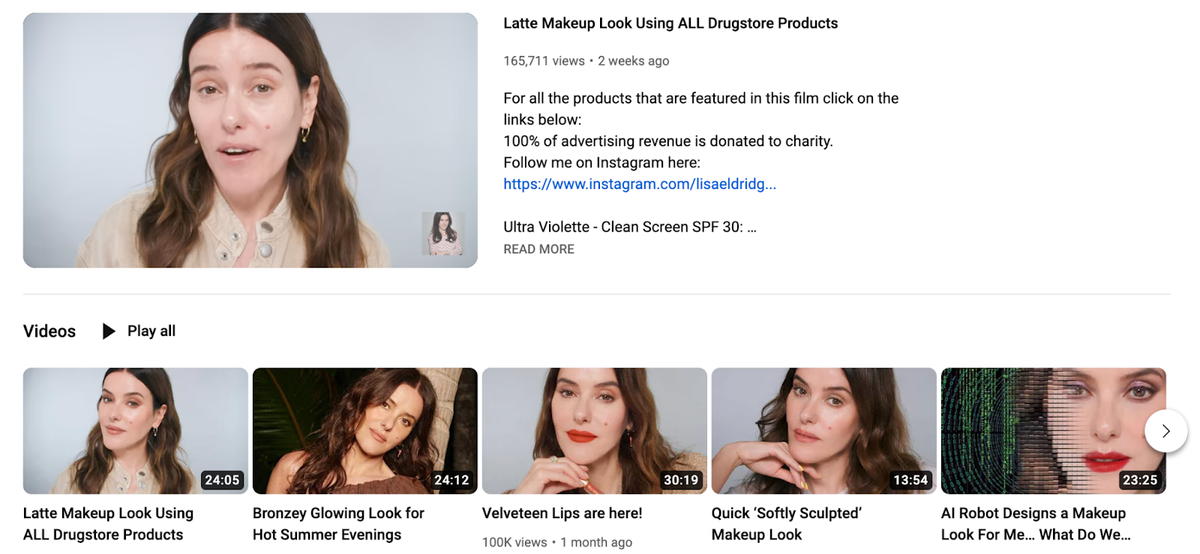
Known for: Global creative director at Lancôme, decades of editorial and celebrity work (Kate Winslet, Keira Knightley, Florence Pugh), and the calmest, most masterclass-style channel in the category. Her own lipstick line sells out at every release.
Best brand fit: Prestige skincare and complexion, masterclass-style content, heritage beauty brands and any product whose story benefits from being told slowly.
Robert Welsh
Handle:@robertwelsh ·Platforms: YouTube, Instagram, TikTok ·Audience:~960K YouTube, ~210K Instagram
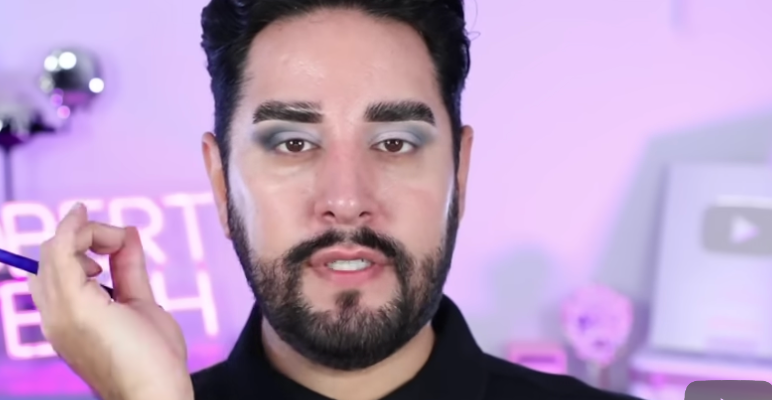
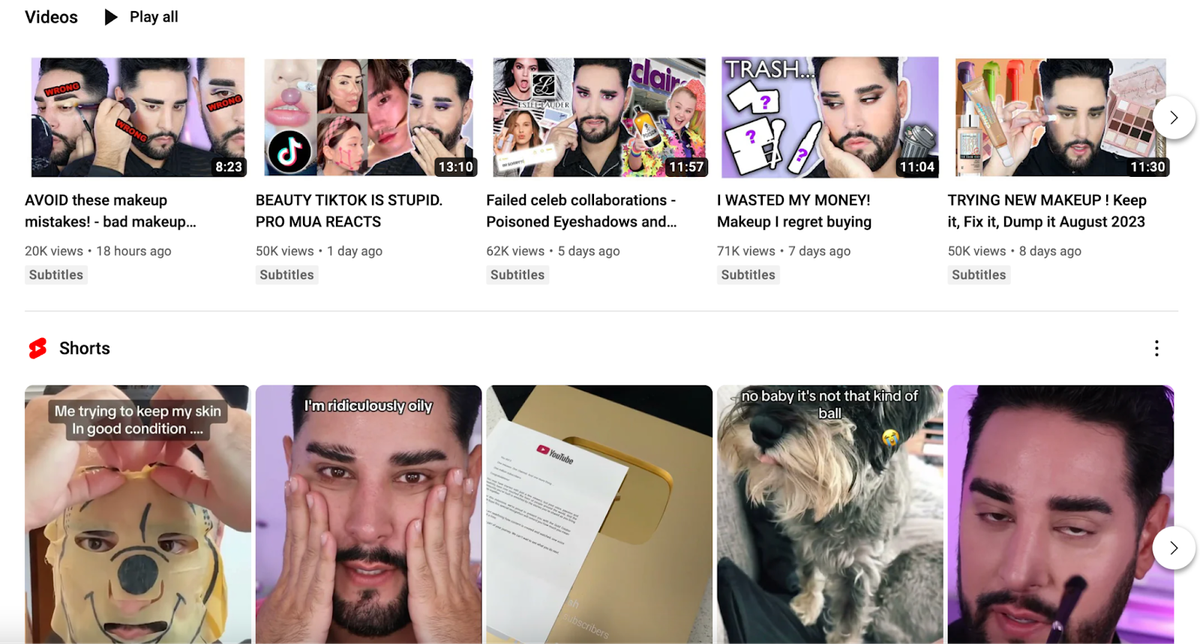
Known for: Honest, education-led reviews with a sharper editorial voice than most creators in this tier. His "Most Overrated Products" series is must-watch for anyone working in product development.
Best brand fit: Clean beauty, masstige skincare, indie brands that can withstand and benefit from rigorous critique. A great test bed for new launches.
Mei Pang
Handle:@mei_pang ·Platforms: Instagram, TikTok ·Audience:~870K Instagram, ~2.1M TikTok
Known for: Avant-garde, editorial-feeling makeup looks that read like art-school assignments and consistently get reposted across the industry. Strong reach into Gen Z and the alt-beauty community.
Best brand fit: Editorial colour, alt-beauty, packaging-led launches and any product that benefits from being shown in a visually arresting context.
Wayne Goss
Handle:@gossmakeupartist ·Platforms: YouTube, Instagram ·Audience:~3.5M YouTube, ~580K Instagram
Known for: British professional MUA with a 15-year YouTube tenure, an own-brand brush and complexion line, and the dryest, most technically credible reviews in the space.
Best brand fit: Tools (brushes, sponges, applicators), complexion products, mature-skin formulations and any brand that wants long-tail SEO value alongside the social push.
Rising TikTok stars
Use for: viral product moments, dupe-economy launches, and reaching buyers under 24 who do not meaningfully use Instagram or YouTube. Expect lower CPMs but bigger week-on-week swings.
Alix Earle
Handle:@alix_earle ·Platforms: TikTok, Instagram ·Audience:~7M TikTok, ~5M Instagram
Known for: TikTok's defining 'Get Ready With Me' creator and a one-creator launch vehicle for several beauty brands (Drunk Elephant, Tarte, Rare Beauty) that went viral via her routine. Audience trust here is extraordinarily high.
Best brand fit: Gen Z launches, social-first beauty brands, dupe-economy positioning, and any product that fits into a daily routine on camera.
Leah Halton
Handle:@leahhalton ·Platforms: TikTok, Instagram ·Audience:~14M TikTok, ~2M Instagram
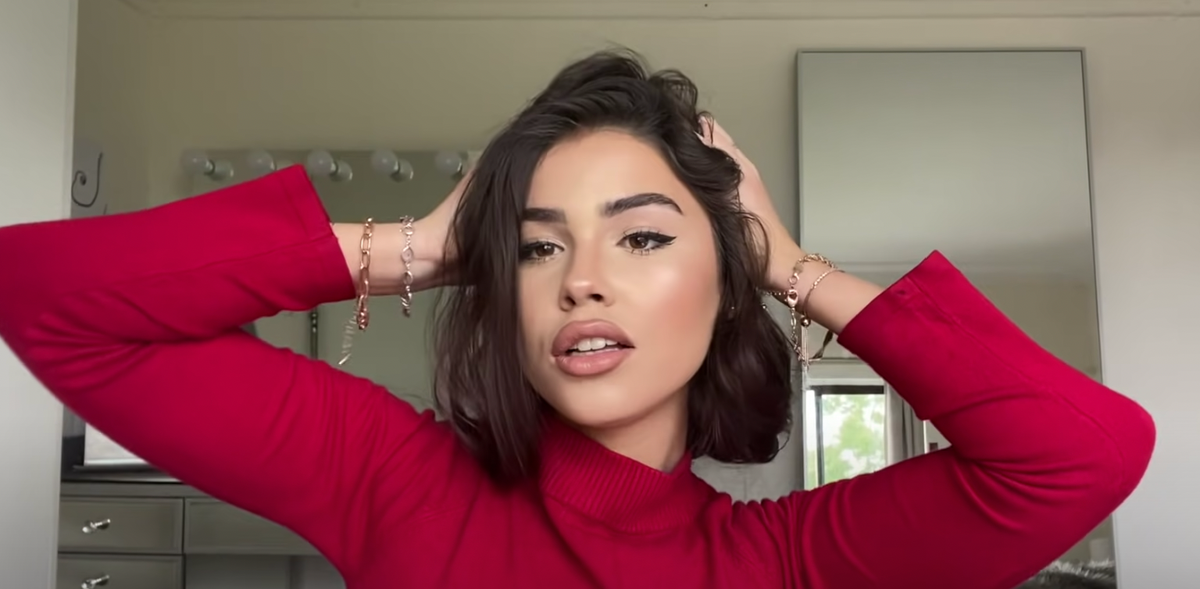
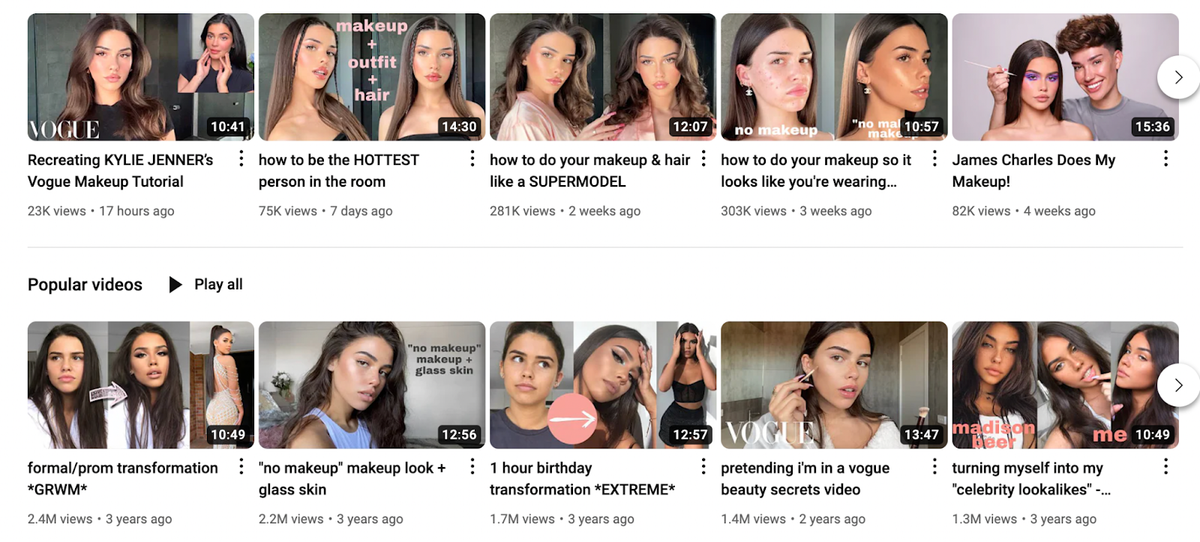
Known for: TikTok-native creator with one of the platform's most-viewed videos of all time. Short-form, hook-driven, hugely shareable beauty content with massive AU/UK/US reach.
Best brand fit: Lip, complexion, and any "wear-test" content that benefits from being filmed in 30 seconds and watched ten million times.
Mikhaila Geier (Snitchery)
Handle:@snitchery ·Platforms: TikTok, Instagram, YouTube ·Audience:~3.5M TikTok, ~1M Instagram
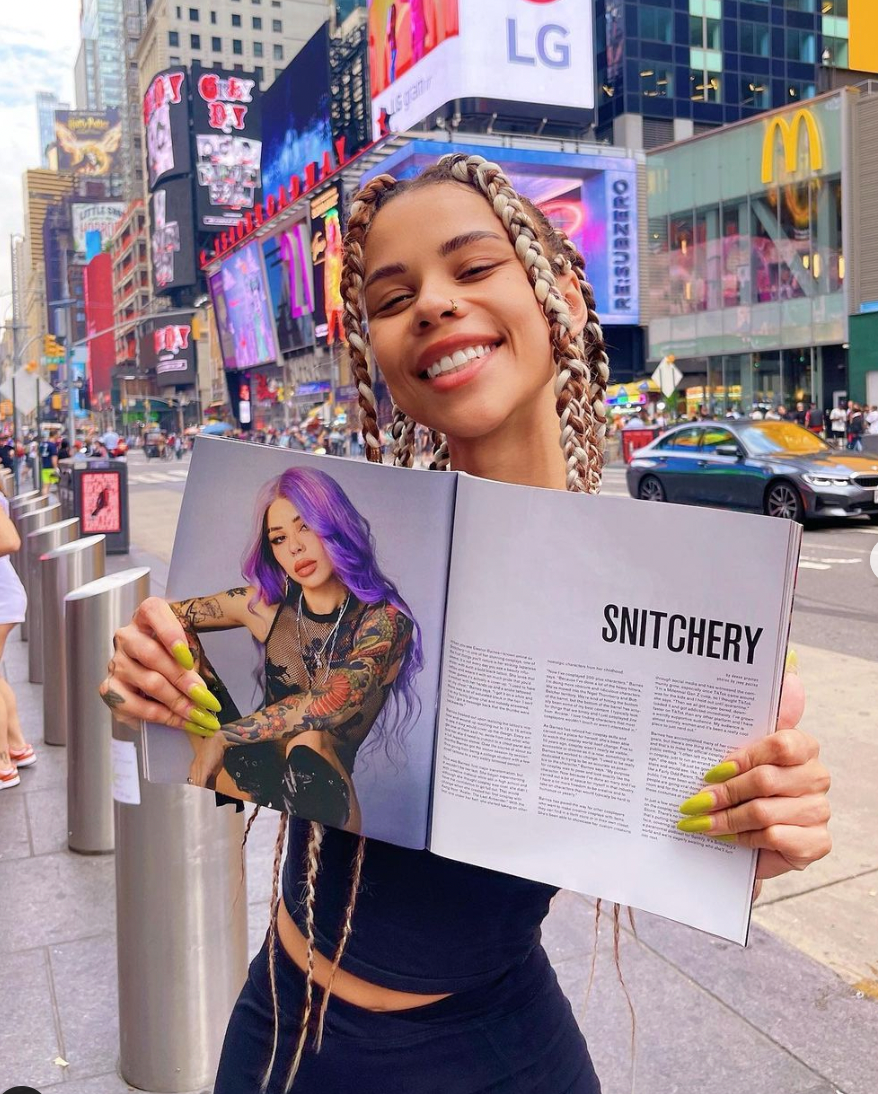
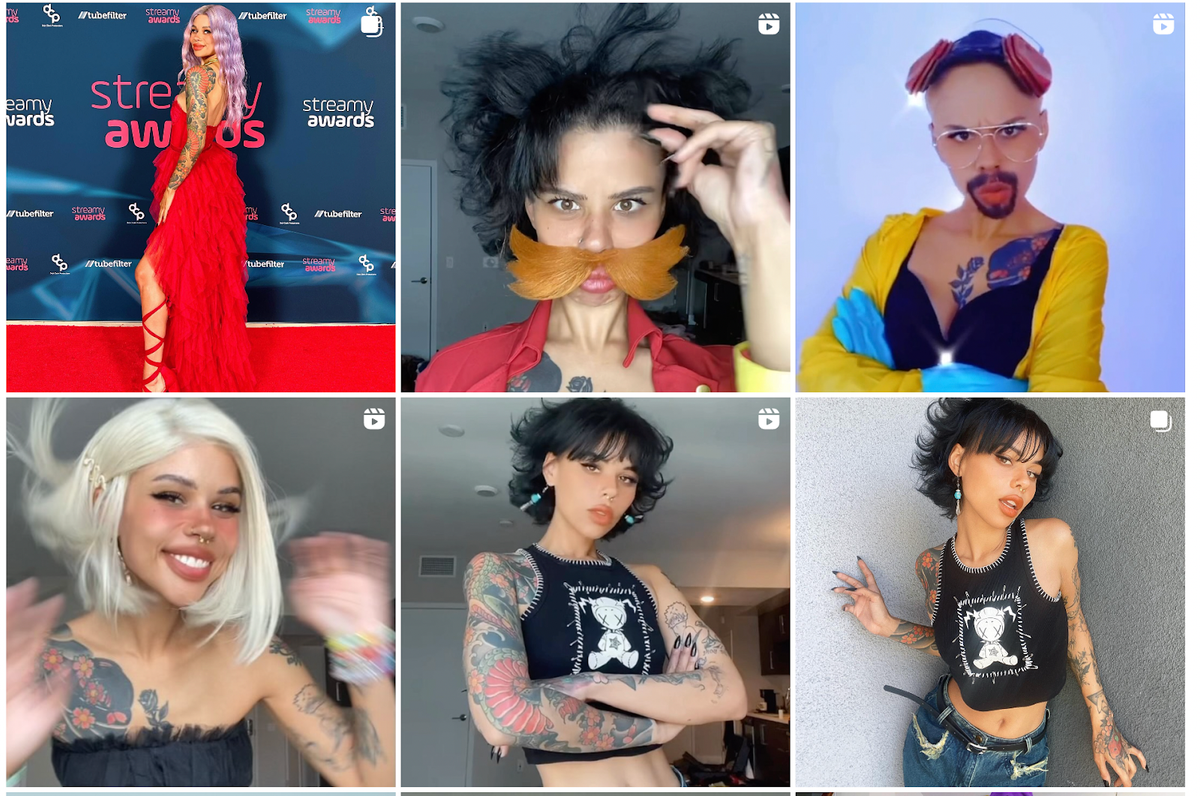
Known for: East-Asian-beauty-influenced tutorials, douyin-makeup deep dives, and a strong educational voice on undertone and shade-matching for Asian skin tones.
Best brand fit: K-beauty and J-beauty launches, Asian-American-focused campaigns, and any brand whose value prop hinges on shade nuance.
Melly Sanchez (TheFashionFreakk)
Handle:@thefashionfreakk ·Platforms: TikTok, Instagram ·Audience:~1.4M TikTok, ~390K Instagram
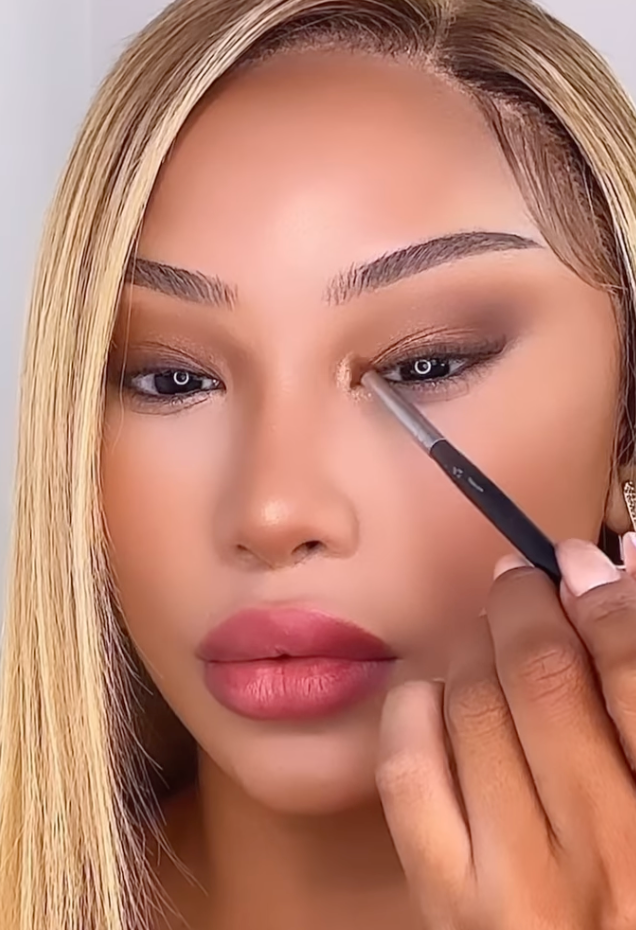
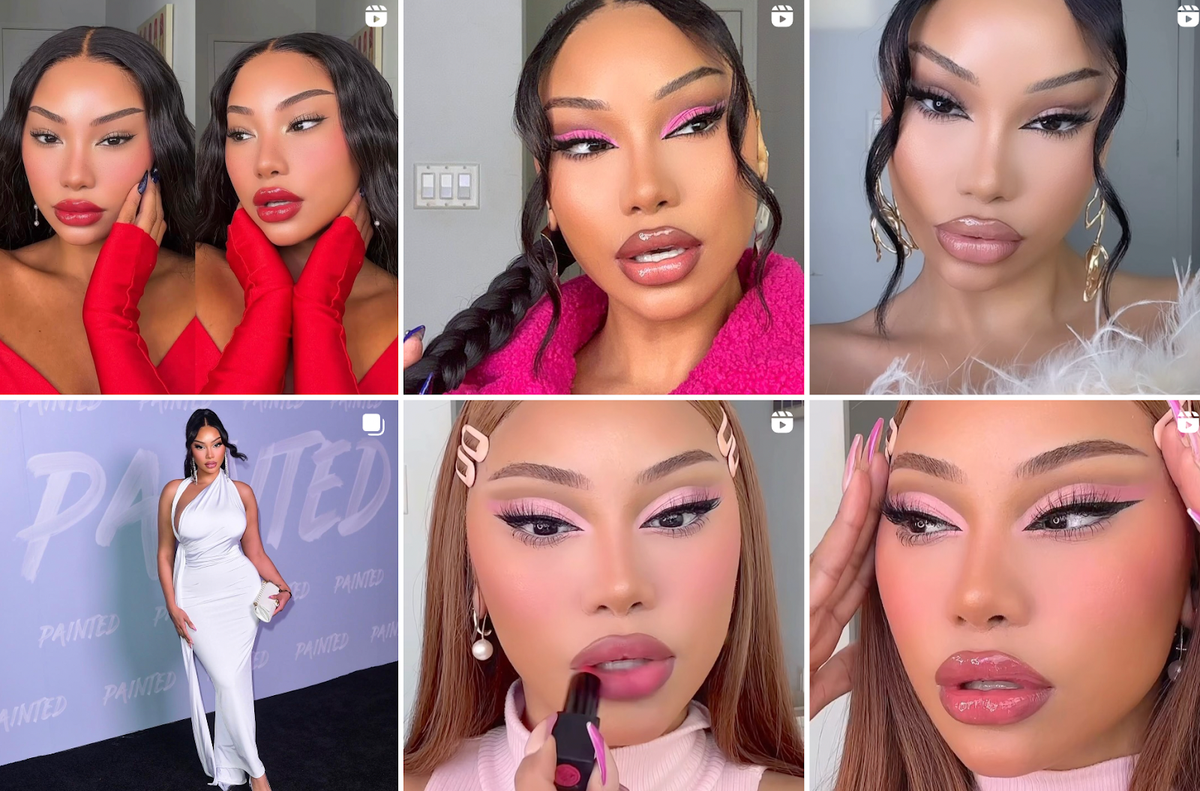
Known for: Latina-led GRWM and dupe-comparison content with strong Spanish-speaking US and Latin-American reach. Particularly strong on lip and complexion products.
Best brand fit: Latinx-targeted launches, drugstore beauty, ¡bilingual creative, and any brand looking to grow in US-Hispanic and LATAM markets.
Top Platforms for Makeup Influencers
The platform mix matters as much as the creator. In 2026, the three that drive almost all measurable beauty conversion are Instagram, TikTok and YouTube — but they each play a different role.
TikTok
TikTok is now the discovery layer for under-30 beauty buyers. Around 67% of Gen Z report finding new beauty products on the platform first, and product-led trends (the #LipCombo, #GRWM and #DupeCheck formats) routinely sell out limited-edition launches inside 48 hours. Use our breakdown of TikTok advertising campaigns that went viral to see how those mechanics move from trend to conversion. Best for top-of-funnel attention and viral moments; harder for technical or premium positioning.
Still the workhorse for beauty marketing. Carousel posts and Reels dominate, with Reels driving roughly 3x the engagement of static feed posts. Instagram is where beauty influencers on Instagram, founder-creators, prestige brands and product-launch announcements live. It is also where most influencer agencies and PR teams still scope their initial outreach.
YouTube
The bottom-of-funnel platform for beauty. When a buyer is about to spend $50+ on a single product, they go to YouTube to watch a 12-minute, real-time review. Conversion rates on YouTube-driven beauty traffic remain the highest of any social channel, and the long-tail SEO value of those videos compounds for years.
Makeup Influencer Pricing in 2026
Sponsored-content rates have firmed up as brands have professionalised their influencer programmes. The ranges below reflect typical pricing for a single-deliverable beauty campaign, US-based, in 2026.
- Nano (1K – 10K):$50 – $250 per post. Best for early UGC and small-batch product seeding.
- Micro (10K – 100K):$250 – $2,500 per post. Strongest cost-per-conversion tier — most efficient for direct-response campaigns.
- Mid-tier (100K – 1M):$2,500 – $10,000 per post. Sweet spot for credibility plus reach in beauty.
- Macro (1M – 10M):$10,000 – $75,000 per post. Reserved for launch moments and paid-amplified hero content.
- Mega (10M+):$75,000 – $500,000+ per post. Pricing varies wildly by exclusivity, deliverables and usage rights.
Expect a 1.5x – 2x premium for exclusivity windows, paid-media usage rights, or campaigns built around a creator's product collaboration.
How to Vet a Makeup Influencer Before You Partner
A reputable creator on this list is a starting point, not a finish line. If you are comparing influencer marketing agencies instead of managing outreach in-house, use the same five-step check before signing a contract.
- Audit follower quality. Use HypeAuditor, Modash or Traackr to look for spike patterns, bot percentages, and geo distribution. A 2M-follower beauty creator with 35% non-US traffic may not be the right fit for a US-only launch.
- Look at recent campaign performance, not all-time. Ask for view-through, save and share rates from the last six months. Old metrics flatter; current ones tell you what is actually shipping today.
- Watch comments before you watch posts. If the audience is asking 'where can I buy' under sponsored content, that is conversion intent. If it is generic praise, you are paying for awareness only.
- Check competitive exclusivity. A creator who promoted a directly competing brand in the last 90 days will burn audience trust and your campaign metrics. Most professional creators will offer category exclusivity for an upcharge.
- Get the brief written and the deliverables specific. 'One TikTok video' is not a deliverable. 'One 45-second, full-face GRWM TikTok video featuring the product within the first 15 seconds, with #ad disclosure and one Story repost, posted between dates X and Y, with paid-media usage rights for 90 days' is.
Begin Your Beauty Influencer Marketing Campaign With Brenton Way
Brenton Way is a beauty influencer marketing agency that can help you handle creator shortlisting, outreach, negotiation, usage rights and campaign reporting. Schedule a marketing call to upgrade your influencer marketing strategy.
Frequently Asked Questions
Nikkie de Jager (NikkieTutorials) and James Charles remain the most-followed legacy creators, while Mikayla Nogueira has become the dominant TikTok-native makeup voice. Engagement and conversion increasingly favor mid-tier creators (100k–1M followers) over the household names because their audiences feel closer to a real recommendation.
The Big 7 beauty conglomerates are L'Oréal, Unilever, Procter & Gamble, Estée Lauder, Shiseido, Coty, and Beiersdorf. Together they own most of the prestige and mass-market brands that work with the makeup influencers covered in this guide — which is why the same creator often appears in campaigns for very different-feeling brands.
Audience fit (do their followers match your buyer?), engagement rate (not raw follower count), content quality, past brand partnerships, FTC disclosure history, and pricing relative to their typical conversion lift. Always build the partnership around a clear deliverable — and put the terms in writing before any product ships.
Consistent posting cadence, a recognizable visual signature, audience-first content (tutorials, dupes, reviews), collaborations with peers, and platform-native formats — TikTok trends, Instagram Reels, YouTube long-form tutorials. The winners pick one platform to dominate before expanding, instead of spreading thin across all three.
Yes. In the US, the FTC requires clear disclosure (#ad, #sponsored, or platform-native paid-partnership labels) for any post involving payment, free product, or a material connection. The UK (ASA/CAP), EU, and most APAC markets have equivalent rules. Brands are responsible for ensuring their creators comply.
The biggest one is that they only promote products for money. Most established creators turn down the majority of brand approaches and only sign on for products they would use themselves — partly because their audiences punish bad recommendations. Another myth is that more followers always equals better ROI; mid-tier and nano-influencers consistently outperform mega-creators on cost-per-conversion.
No — formal makeup artistry training isn't required. Many influencers are self-taught and built credibility through years of public practice. That said, creators with pro backgrounds (counter MUAs, editorial artists) tend to land the highest-tier prestige partnerships because brands value the technical credibility.
Technically yes, but the smart ones don't. Audiences quickly sense misaligned partnerships — a vegan creator pushing a non-vegan brand, or a clean-beauty advocate promoting a heavily fragranced launch — and engagement drops. Most established influencers keep an internal brand-fit checklist before saying yes.
They watch their own platforms (TikTok For You page, Instagram Explore, YouTube trending), attend launch events, swap PR boxes with peers, and increasingly use trend-tracking tools. Many also collaborate with formulators or PRs at brands to get early product access months before public launches.
Let's Grow Your Brand With Us
Book a free consultation and get a custom growth strategy tailored to your business.
Book Free ConsultationGet marketing insights in your inbox
Join our newsletter for the latest digital marketing tips and strategies.
By subscribing, you agree to our Privacy policy .

About the author
Joydeep BhattacharyaContent Writer at Brenton Way
Joydeep Bhattacharya is an SEO strategist, SEOsandwitch founder, and Semrush contributing author with more than a decade of experience in search and content marketing.


