27 Hospital Advertisement Ideas That Attract Patients (2026)

TL;DR
Top-rated hospital advertisement ideas and tactics to follow for 2026. Use these hospital marketing strategies to engage patients with innovative campaigns.

Ask AI about this
Get an AI-powered summary of this article
Table of Contents
Hospital advertising is important for healthcare brands to acquire new patients.
ROI-friendly hospital advertisement ideas are effective for healthcare services in building positive relationships with existing patients and educating potential patients.
In 2026, educating the community becomes even more crucial with the increasing emphasis on preventive care and wellness.
Hospital advertisement ideas contribute to building and reinforcing the hospital's brand identity.
In an era where consumers can access vast information, healthcare services must establish a strong brand presence to maintain top-of-mind awareness among potential patients.
What is Hospital Advertising?
Hospital advertising refers to the promotional activities undertaken by healthcare institutions to raise awareness about their services, facilities, and medical expertise.
These advertisements can take various forms, such as:
- Print Advertising
- Digital Marketing
- Television and Radio Commercials
- Outdoor Advertising
- Direct Mail Campaigns
- Community Events and Sponsorships
- Patient Testimonials and Success Stories
- Health Education Programs
- Partnerships with Local Businesses
- Internal Communication
- Online Reviews and Ratings Management
- Mobile Health Apps and SMS Marketing
- Podcasts and Web Content Referral Programs
Hospital ads highlight specialized medical treatments, state-of-the-art equipment, compassionate care, and positive patient outcomes to instill confidence and trust among potential patients.
Additionally, hospital advertising educates the community about preventive healthcare measures, promotes health awareness campaigns, and encourages individuals to seek medical assistance.
Teams studying creative performance can also review human-centered ad campaigns to connect format testing with audience insight and campaign strategy.
What Are the Advantages of Digital Marketing For Hospitals?
Healthcare digital marketing offers numerous advantages for hospitals and healthcare services, helping them reach and engage with their patients.
Some of the key benefits of healthcare digital marketing are:
- Personalized Health Education: Hospital advertising tailors health info for specific groups.
- Behavioral Health Support: It encourages healthier lifestyles in the community.
- Local Health Campaigns: Advertisements address community-specific health concerns.
- Prevention Awareness: Messages raise awareness about preventive measures.
- Maternal & Child Health: Promotes family-oriented healthcare services.
- Crisis Communication: Vital during health emergencies for community updates.
- Holistic Wellness Promotion: Highlights mental health and nutrition programs.
- Cultural Competency: Ensures healthcare messages resonate with diverse backgrounds.
- Accessible Messaging: Crafts easily understandable healthcare content. Innovative
- Treatment Highlights: Showcases cutting-edge healthcare solutions.
Also See: Healthcare Marketing Trends and Forecasts
Before diving into specific tactics, it helps to understand where leading hospitals allocate their marketing budgets. The breakdown below reflects optimal spending ratios based on current performance benchmarks.
| Category | Value |
|---|---|
| Digital Marketing | 65% |
| Traditional Advertising | 17% |
| Community Outreach | 12% |
| Technology & Tools | 6% |
Hospital Advertising Ideas
Conduct Health and Wellness Workshops
Wellbeing workshops strengthen community bonds and help your audience increase awareness about health issues. It is one of the top hospital marketing strategies to follow.
Being one of the top-rated hospital advertisement ideas, workshops help healthcare services connect with patients and persuade them to visit your hospitals when they require more assistance.
Here are some healthcare marketing workshops that you can run:
- Sleep Hygiene and Better Sleep Workshops
- Holistic Wellness Retreats
- Parenting and Family Health Workshops
- Aging Well and Senior Health Programs
- Financial Wellness and Health
- Digital Detox and Screen Time Management
- Mindful Eating and Nutrition
- Education Resilience and Coping Strategies
- Diversity, Equity, and Inclusion in Wellness
- Time Management and Work-Life Balance
- Mind-Body Connection and Holistic Healing
- Women's Health and Wellness
- Men's Health and Fitness Initiatives
Also See: B2B Healthcare Advertising Guide
Launch Social Media Campaigns
Social media campaigns allow hospitals to increase brand visibility and awareness among target demographics.
Hospitals can use social campaigns to promote services, events, and health awareness initiatives. They enable hospitals to humanize their brand by showcasing staff, patient stories, and community involvement.
Healthcare services can run social campaigns like:
- Patient Success Stories
- Educational Health Tips
- Virtual Hospital Tours
- Live Q&A Sessions with Medical Experts
- Health Awareness Campaigns
- Testimonials from Healthcare Providers
- Telemedicine Services Promotion
- Community Health Events
- Health Challenges and Campaigns
- Hospital News and Updates
- Employee Spotlights
- Interactive Health Quizzes
- Virtual Consultation
- Health and Wellness Tips for Different Age Groups
- Behind-the-Scenes Hospital Life
- Charity and Philanthropy Initiatives
- Online Appointment Scheduling
- Patient Education Series
- Post-Procedure Recovery Tips
Sponsor Health Podcasts
Health podcast sponsorship is another popular hospital advertisement idea that offers targeted exposure to an audience interested in health and wellness topics.
Reach out to podcast hosts or producers through email or social media, expressing your interest in sponsoring their show.
Communicate the value your hospital can bring to its audience. Highlight any unique services,
expertise, or educational resources.
Create flexible sponsorship packages that accommodate different budget levels. Consider options like episode mentions, dedicated segments, or logo placement on podcast materials.
Some of the top healthcare podcast hosts are:
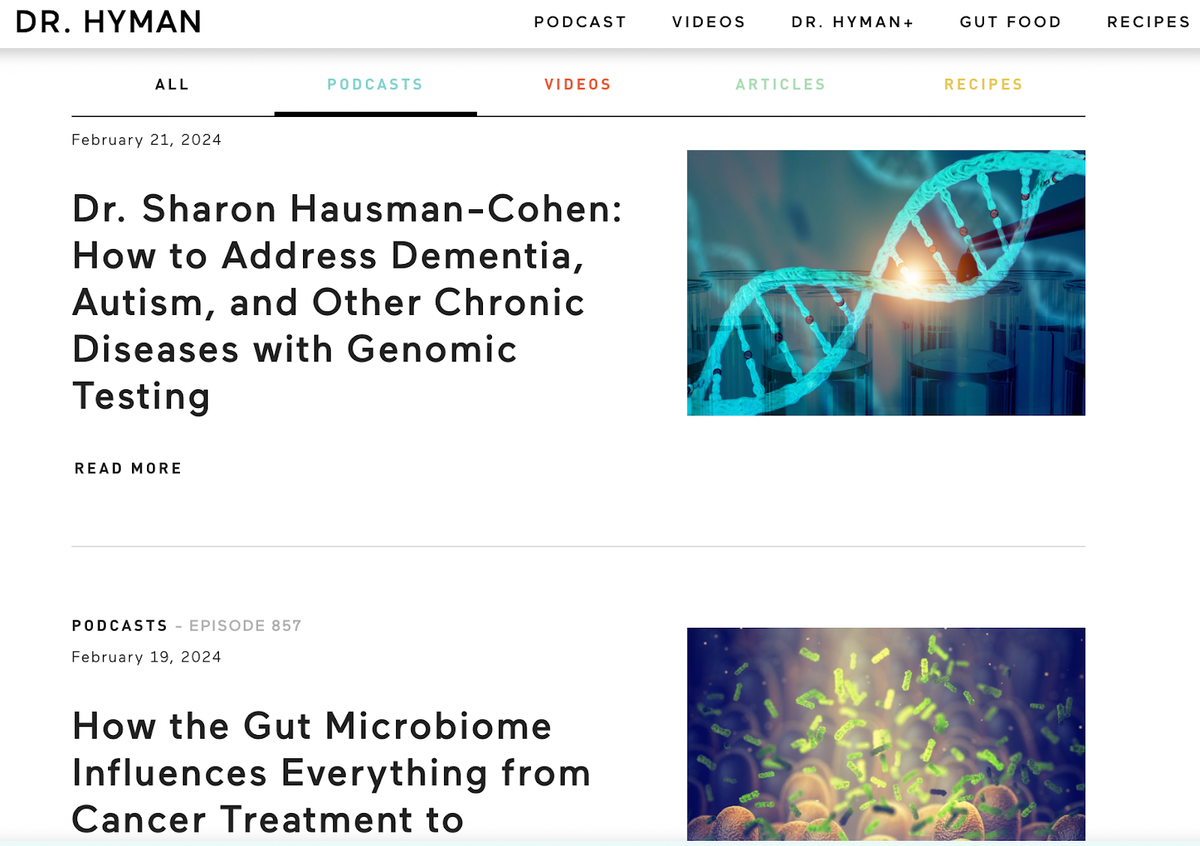
- Dr. Mark Hyman - Host of "The Doctor's Farmacy," discussing functional medicine and health.
- Dr. ZDoggMD (Dr. Zubin Damania) - Hosts "The ZDoggMD Show," addressing healthcare, medicine, and wellness.
- Dr. Carrie Diulus is an orthopedic spine surgeon and host of "Carrie Tollefson Health.
- " Dr. Justin Moseley hosts "The Future of Healthcare Podcast," focusing on healthcare innovation.
- Dr. Mike Natter - Host of "The Real Medicine Podcast," exploring healthcare topics.
- Jared Cohen is the co-host of "Docs Outside the Box," which features stories of doctors with diverse interests.
Also See: Top-Rated Healthcare Marketing Companies & Firms
Partner With Healthcare Influencers
Influencer marketing is a modern hospital advertisement for small and large medical institutions.
Find medical influencers who share the same values as your hospital.
Collaborate with them and offer them unique medical insights, expert perspectives, and exclusive healthcare information.
You can also work together to create interesting and helpful content that connects with the influencer's audience.
It's important to discuss payment, what kind of content to make, and how long the collaboration will last.
Keep an eye on how well the collaboration is doing, and build long-lasting relationships with influencers for continued visibility.
Some of the top healthcare and medical social media influencers your healthcare service can use are:
- Doug Ulman (@dougulman): A resilient cancer survivor and CEO of Pelotonia, Doug Ulman, with 860K followers, infuses his Instagram with optimism and inspiration. Formerly at the helm of LIVESTRONG, he now advises at OSUCCC-James and founded the Ulman Foundation, dedicating his platform to cancer awareness and survivorship.
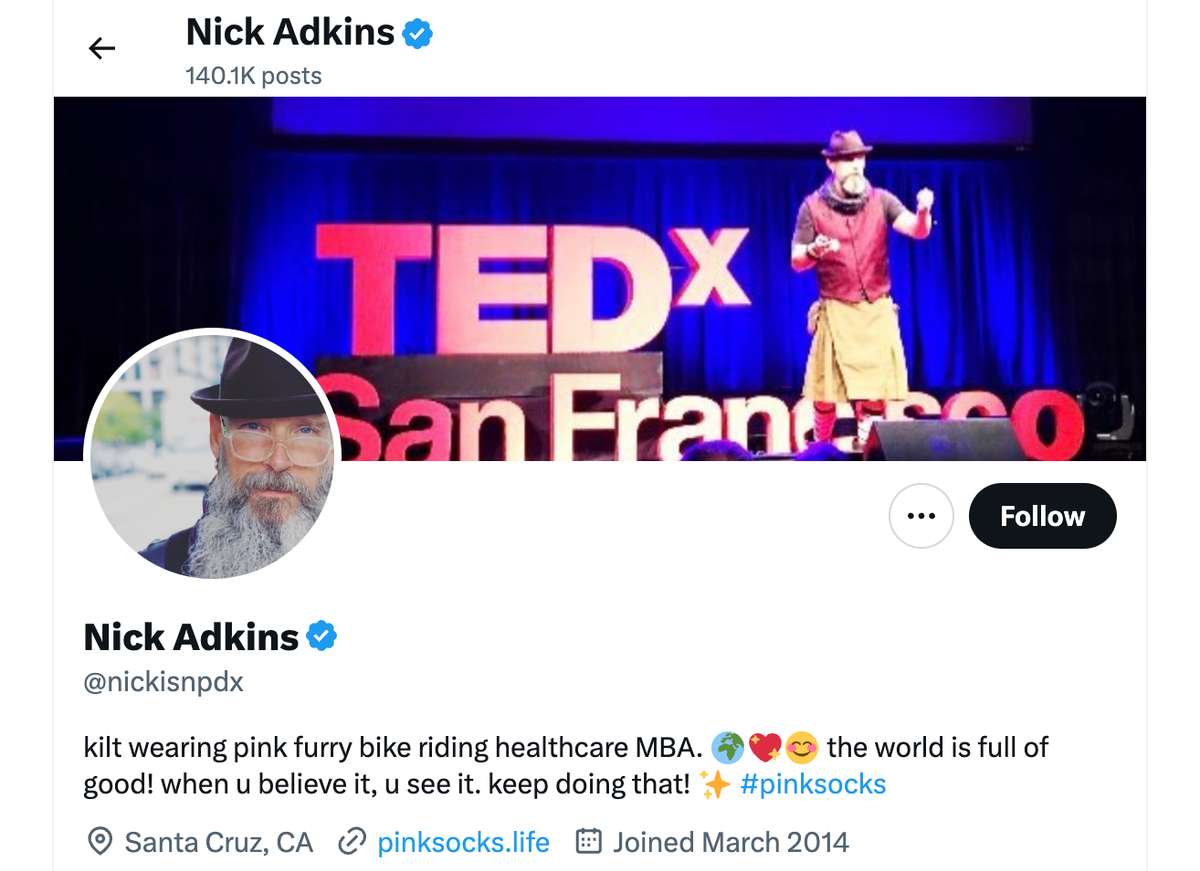
- Nick Adkins (@nickisnpdx): Known for donning kilts and spreading positivity, Nick Adkins, a healthcare MBA, brings a unique charm to his Instagram with 31K followers. His unconventional approach, including pink furry bike rides, embodies his belief in the inherent goodness present in the world.
- Dr. Mike Varshavski (@RealDoctorMike): Board-certified in family medicine in NYC/NJ, Dr. Mike Varshavski's Instagram presence, with 8+ million followers, blends medical expertise and relatable content. He connects with a diverse audience through informative posts and engagement, making healthcare accessible and engaging.
- Glen Gilmore (@GlenGilmore): As a TIME "man of action," author, and advocate for technology in healthcare, Glen Gilmore shares insights with his 289K followers. His Instagram is a hub for discussions on technology for good, sustainable development goals, and emerging trends in technology and healthcare.
Also See: Best Medical Content Marketing Companies
Send Personalized Health Email Newsletters
Health emails are one of the cost-effective hospital advertisement ideas for new-age health startups.
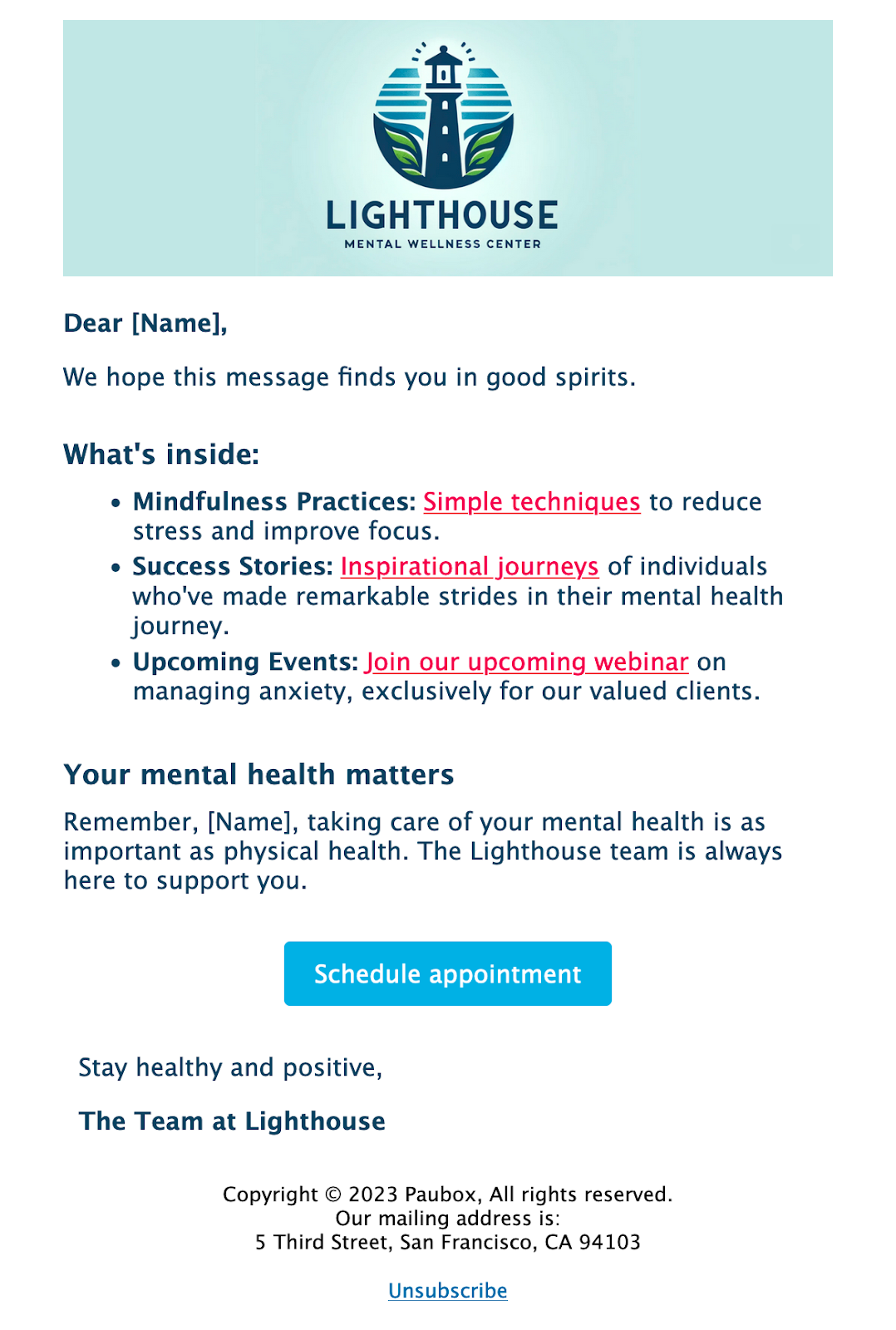
Here is an example of a personalized healthcare newsletter that shares patient success stories, healthcare tips, and upcoming events:
Here are the steps to send custom email newsletters to your patients and health groups:
- Divide your email lists based on demographics.
- Gather health preferences and interests.
- Use an email marketing tool with segmentation features.
- Capture attention with personalized subject lines.
- Start emails with the recipient's name.
- Align content with health interests.
- Provide relevant health information and tips.
- Showcase hospital services and upcoming events.
- Include CTAs for feedback and participation.
- Ensure mobile-friendly and responsive email templates.
- Track open rates, click-through rates, and engagement
- Update and refine content based on analytics.
Publish Patient Case Studies
Patient stories and case studies is one of the finest hospital marketing ideas that most healthcare organizations follow.
Share patient case studies through various channels, including your hospital's website, social media, and newsletters. Ensure compliance with privacy regulations like HIPAA by obtaining patient consent and anonymizing sensitive information.
What to Publish:
Focus on diverse medical cases that showcase successful treatments, innovative approaches, or notable recoveries. Highlight challenges, solutions, and the impact on the patient's life. Use a standardized format for consistency.
What Info to Include:
- Patient Background: Age, gender, medical history.
- Presenting Issue: Symptoms, diagnosis.
- Treatment Plan: Medical interventions, surgeries, medications.
- Progression: Track the patient's journey challenges faced.
- Outcomes: Share results, improvements, or challenges overcome.
- Patient Testimonial: If consented, include a statement from the patient.
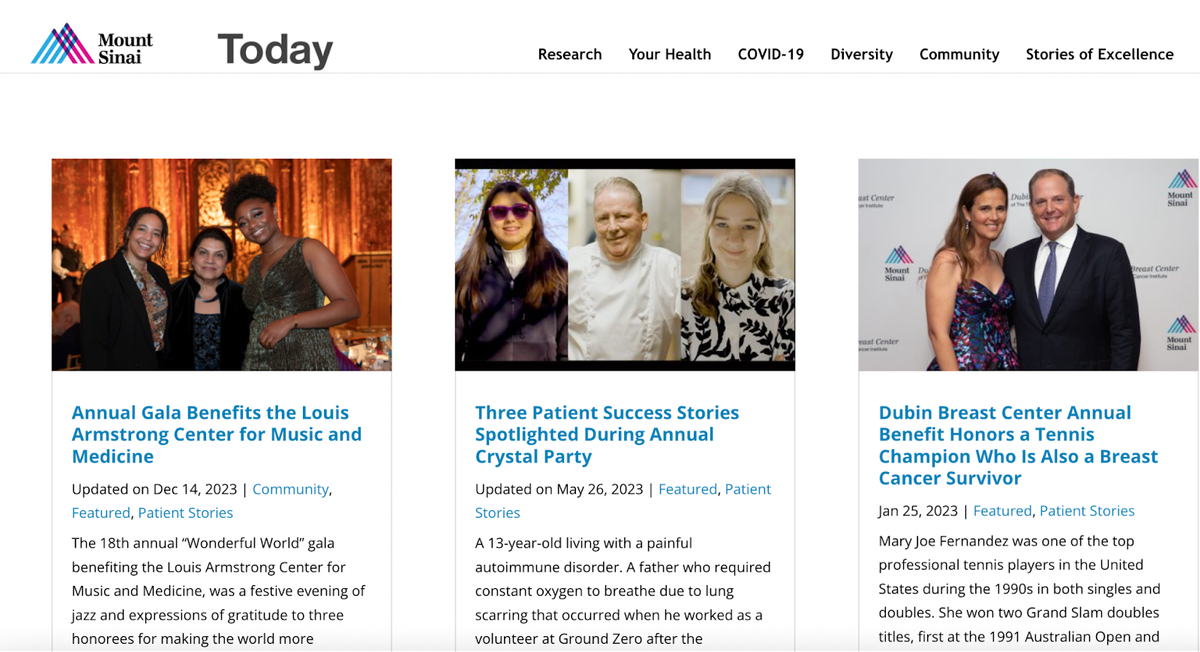
The Mount Sinai Hospital shares patient success stories on their website to gain patient trust:
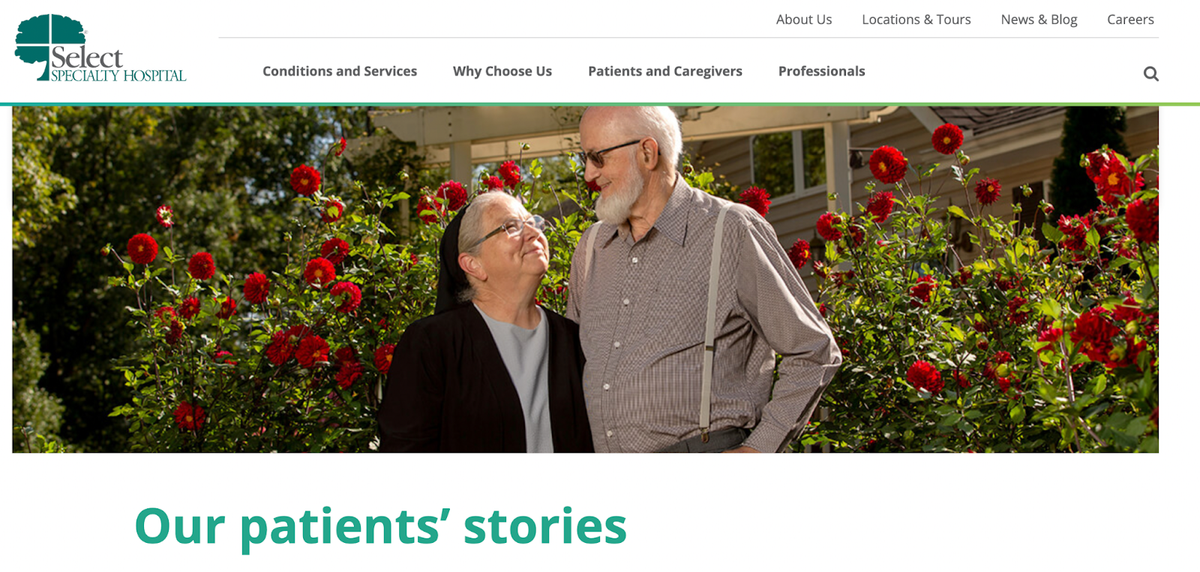
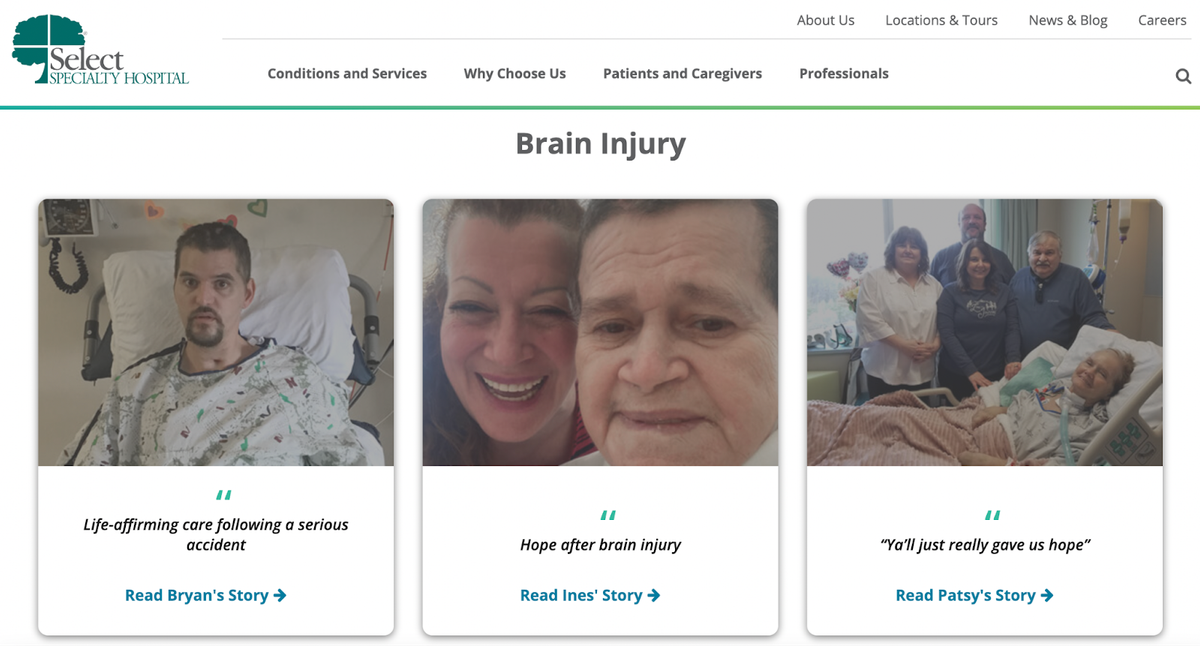
Similarly, Select Specialty Hospital shares stories about medically complex cases, brain injuries, neurologic conditions, infectious diseases, cardiac issues, and wound care to reflect the diverse challenges our patients overcome.
Also See: Best Healthcare Marketing Services in New York
Organize Virtual Health Consultation Webinars
Plan virtual health consultation webinars by selecting relevant topics, securing knowledgeable speakers, and promoting the event through your hospital's website, social media, and email newsletters. Use reliable webinar software that supports interactive features like Q&A sessions.
Here are some topics:
- Chronic Condition Management
- Mental Health Awareness
- Preventive Care
- Nutrition and Wellness
- Specialized Medical Services
Advertise the webinar well in advance to maximize attendance and encourage questions and interactions during the session. Also, record the webinar for those who couldn't attend and share it later.
Also See: Best Hospital & Healthcare Social Media Marketing Tactics
Find Cost-Effective Billboards in Pharmacy Wait Areas
Pharmacy wait areas are a valued hospital advertisement idea to reach a specific audience interested in healthcare, making it a targeted advertising approach. Compared to other advertising channels, billboard advertising can be cost-effective, offering high exposure for the investment.
Research local pharmacy wait areas and identify billboards within or near these locations.
You can also collaborate with outdoor advertising agencies or contact billboard owners to inquire about available spaces.
Publish Health Guest Posts
Medical guest posting is one of the finest hospital advertisement ideas to increase the reputation of your healthcare service.
To find health guest posts, use the below Google search queries:
- "Health guest post submission"
- "Write for us health"
- "Healthcare guest blogging opportunities"
- "Submit health article"
- "Guest post guidelines for health blogs"
- "Health and wellness contributors wanted"
- "Contribute to health blog"
- "Health guest writer guidelines"
Look for reputable health and wellness websites, medical journals, or healthcare blogs with a substantial readership and engaged audience.
Check the below metrics to approach the best sites for hospital guest posting:
- Relevance: Ensure the website's focus aligns with your hospital's expertise.
- Traffic: Assess the site's monthly visitors to gauge potential exposure.
- Engagement: Check for active comments and social media shares on the site.
- Domain Authority (DA): Higher DA indicates better credibility and potential SEO benefits.
Once you have researched the sites, craft a compelling subject line like "Collaboration Opportunity: Health Guest Post."
After that, briefly introduce yourself and your hospital, and express genuine interest in contributing.
Once you are accepted, provide a well-written article covering topics that haven't been covered extensively.
Add relevant internal and external links, including a link to your hospital's website.
Also See: Complete Guide to Healthcare Branding
Invest in Hospital SEO
Healthcare SEO is a digital marketing strategy that optimizes a hospital's online presence.
Follow these medical search engine optimization tips for your hospital website’s SEO:
- Medical Keyword Focus: Target healthcare-specific keywords related to your hospital's specialties.
- Service Pages Optimization: Optimize service pages with detailed treatments, procedures, and specialties information.
- Local Medical SEO: Prioritize local SEO efforts by ensuring accurate NAP (Name, Address, Phone) information.
- Mobile-Friendly Medical Website: Develop a responsive website for mobile users seeking medical information.
- Patient Education Content: Regularly publish health guides, treatment insights, and wellness tips.
- Healthcare Backlinks: Build authoritative backlinks from medical associations, journals, and reputable healthcare websites.
- Patient Testimonials and Reviews: Feature positive patient stories and encourage online reviews to boost credibility.
- Medical Schema Markup: Implement schema markup for healthcare-specific information on search results.
- Community Engagement: Leverage social media for community outreach and healthcare awareness.
- Healthcare Analytics: Monitor patient engagement, website traffic, and appointment conversions for continuous improvement.
Add Interactive Health Chatbots on Your Hospital Website
Health chatbots enable users to schedule appointments or consultations seamlessly.
Choose a chatbot platform like Dialogflow, Microsoft Bot Framework, or IBM Watson to prepare a medical chatbot for your hospital.
Now, embed the chatbot using the provided code or plugins compatible with your website platform.
Ensure the design of a user-friendly conversational flow addressing common queries and
guiding users to relevant information.
Here is some info to feed into your chatbot:
- Provide details about medical specialties, treatments, and procedures.
- Integrate with the hospital's appointment scheduling system.
- Include answers to FAQs about the hospital and its services.
- Share emergency contact details and procedures.
- Offer general health advice and wellness tips.
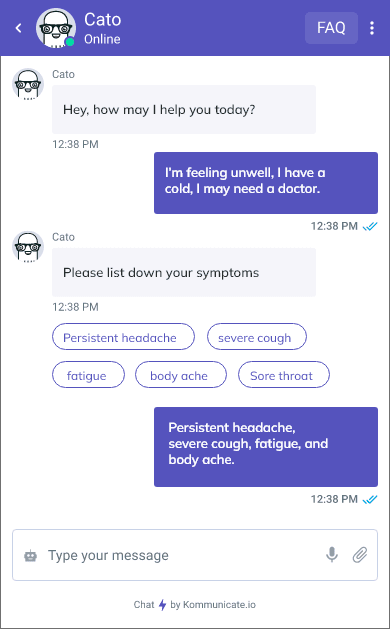
For instance, Symptomate is a multi-language healthcare chatbot designed to evaluate symptoms and guide patients through the necessary steps.
Also See: Top 10 Healthcare & Medical Content Advertising Strategies
Organize Social Media Live Q&A with Medical Experts
Identify knowledgeable healthcare professionals within your hospital and designate a moderator to facilitate the Q&A session and manage questions.
Advertise the event on your hospital's social media platforms, website, and through email newsletters.
Tina's Wish, the honorable Tina Brozman foundation for ovarian cancer, shares Facebook Live Q&A with doctors and medical professionals to educate their community about ovarian cancer.

Schedule your live Q&A at a convenient time for your target audience. Also, make sure to create promotional graphics or teasers to generate interest.
Some of the best platforms to use for your hospital’s live Q&A events are:
- Facebook Live
- Instagram Live
- YouTube Live
- Twitter Spaces
Also See: How to Create a Healthcare Advertising Plan
Run Google Ads To Boost Your Hospital Branding And Patient Visits
Google Ads for hospitals are online advertising campaigns on Google's search results and other platforms.
Healthcare services and hospitals use these ads to promote their services, increase brand visibility, and attract patients by appearing at the top of relevant search queries.
Contact medical PPC agencies to run these ads on your healthcare service’s behalf.
Hospital Ad Strategies:
- Service-Centric Campaigns: Create campaigns for specific medical services offered.
- Branding Campaigns: Increase brand awareness with ads focusing on the hospital's reputation and expertise.
- Emergency Services Campaigns: Highlight emergency care services.
Which Ad Extensions to Use:
- Location Extensions: Display the hospital's address.
- Callout Extensions: Add additional information about services.
- Sitelink Extensions: Direct users to specific pages like appointment scheduling.
Share User-Generated Content On Your Social Channels
User-generated content marketing is one of the top-rated healthcare and hospital advertisement ideas.
Use these tips for hospital user-generated content marketing:
- Privacy Compliance: Prioritize patient privacy by obtaining explicit consent before featuring user-generated content on hospital platforms.
- Medical Milestones: Highlight success stories, medical achievements, and positive outcomes achieved within the hospital.
- Diverse Medical Content: Share a mix of patient testimonials, medical success stories, healthcare tips, and staff contributions for a well-rounded social media presence.
- Regular UGC Features: Integrate patient-generated content consistently into your social media strategy to maintain authenticity and foster trust.
- Gratitude Expressions: Publicly express gratitude to individuals who share their healthcare experiences, cultivating a positive relationship between the hospital and its community.
Also See: Top-Rated Medical Advertising Ideas For Doctors
Work on Boosting the UI/UX of Your Hospital Website
Having a fast loading website is one of the best hospital advertisement ideas to follow.
You can’t succeed in healthcare advertising if your hospital website is bad. Here are some of the best tips to boost the UI/UX of your healthcare organization’s website:
- Easy Navigation: Simplify menu options to quickly access key sections like services, appointments, and contact information.
- Mobile Optimization: Ensure flawless user experience on mobile devices, given the increasing mobile usage for healthcare searches.
- Clear Call-to-Actions (CTAs): Place prominent CTAs for appointments, consultations, and important services to guide users effectively.
- Accessible Information: Prioritize accessibility with easy-to-read fonts, clear contrasts, and alt tags for pictures to cater to diverse user needs.
- Health Information Hubs: Create dedicated sections for reliable health information, FAQs, and resources to educate and empower visitors.
- Loading Speed Optimization: Ensure fast loading times to prevent user frustration and improve overall satisfaction with the website.
Also See: Best Digital Marketing Agencies & Services For Medical Practitioners
How do these channels stack up against each other? The chart below ranks hospital advertising channels by return on investment, based on real campaign data from major U.S. health systems.
| Channel | ROI (%) |
|---|---|
| Telehealth | 850% |
| Reputation Mgmt | 780% |
| Email Marketing | 720% |
| Landing Pages | 680% |
| Guest Posting | 620% |
| SEO | 550% |
| Content Mktg | 480% |
| Health Assessments | 450% |
| Case Studies | 420% |
| Referral Programs | 380% |
More Hospital Advertising Strategies
The strategies above cover essential hospital advertising channels. Below are 12 additional tactics that leading health systems are using to reach patients and grow market share.
Launch Video Marketing Campaigns
Video content builds trust faster than any other format in healthcare. Short-form videos showing facility tours, physician introductions, and patient testimonials consistently outperform static content on social platforms.
Start with 60-second physician introduction videos and procedure explainers for YouTube and Instagram Reels. Hospitals that invest in video marketing typically see 3-5x higher engagement rates compared to image-based ads.
Implement Geofencing Advertising
Geofencing lets hospitals serve targeted ads to patients within a specific geographic radius—around competing facilities, pharmacies, urgent care centers, and corporate offices. When someone enters the geofenced area, they receive relevant ads on their mobile device.
This approach is especially effective for urgent care, orthopedic, and specialty services. Average CPMs for geofenced healthcare ads range from $5–$15, making it one of the most cost-effective location-based strategies available.
Create Interactive Health Assessment Tools
Online health risk assessments and symptom checkers generate qualified leads while providing genuine value. Tools like “Is it time for a colonoscopy?” or “Check your heart health risk” capture contact information from patients already thinking about their health.
These tools convert at 15–30% compared to 2–5% for standard landing pages. The key is making the assessment genuinely useful—provide real health insights, then offer a clear next step like scheduling a consultation.
Establish Corporate Wellness Partnerships
Partnering with local employers for corporate wellness programs positions your hospital as the go-to healthcare provider for entire workforces. Offer on-site health screenings, flu shot clinics, and wellness seminars to build ongoing relationships.
A single partnership with a 500-person company can generate 50–100 new patient appointments annually through increased familiarity with your physicians and facilities.
Develop Physician Referral Networks
Physician referrals remain one of the highest-converting patient acquisition channels. Build a structured referral network by assigning physician liaison representatives to maintain relationships with referring providers in your service area.
Provide referring physicians with streamlined referral portals and fast appointment scheduling. Track referral patterns and follow up with referring doctors on patient outcomes to strengthen the relationship.
Utilize Outdoor and Transit Advertising
Billboards, bus wraps, and transit shelter ads reach patients during their daily commute when they are most likely to notice and remember your message. Focus placements along major commuter routes near your hospital and in zip codes with high patient potential.
Keep messaging simple—highlight one service line, one benefit, and one call to action. Digital billboards allow you to rotate messages by time of day and update creative without production costs.
Launch Patient Referral Reward Programs
Satisfied patients are your most credible advocates. Create a formal referral program that makes it easy for current patients to recommend your hospital to friends and family through shareable links, referral cards, or a simple online form.
Referral incentives can include priority scheduling, free wellness screenings, or small gift cards. Patients acquired through personal referrals have 25–40% higher lifetime value than those from paid advertising channels.
Implement Reputation Management Systems
Online reviews are the first thing prospective patients check before choosing a hospital. Implement automated review request workflows that text or email patients after appointments, directing them to Google, Healthgrades, and Vitals.
Monitor reviews across all platforms and respond to every one—positive and negative—within 24 hours. Hospitals that maintain a 4.5+ star rating on Google see measurably higher click-through rates on search results.
Create Condition-Specific Landing Pages
Generic hospital homepages rarely convert paid traffic. Build dedicated landing pages for each major service line and condition—knee replacement, cardiac care, weight loss surgery—with focused messaging, physician credentials, and a single clear CTA.
Condition-specific pages convert 3–5x higher than general pages because they match the patient’s search intent exactly. Include patient testimonials, insurance information, and a click-to-call button for immediate scheduling.
Develop Strategic Payer Partnerships
Work with insurance payers to highlight your hospital in their provider directories and member communications. Being featured as a preferred provider or center of excellence drives patient volume from insured populations actively looking for in-network care.
Negotiate co-marketing opportunities where payers promote your specialized services to their members through email campaigns, app notifications, and plan comparison tools.
Host a Hospital Health Podcast
A branded podcast featuring your physicians discussing common health topics builds authority and patient trust over time. Episodes covering seasonal health concerns, new treatment options, and patient stories create a loyal listener base that turns to your hospital when they need care.
Keep episodes 15–25 minutes and publish weekly or biweekly. Repurpose podcast content into blog posts, social media clips, and email newsletter content to maximize your investment.
Leverage Telehealth Marketing
Telehealth removes the biggest barrier to patient acquisition: convenience. Market your virtual visit options prominently across all channels—website banners, Google Ads, social media, and email—emphasizing same-day availability and no travel time.
Patients who start with a telehealth visit frequently convert to in-person patients for follow-up care and procedures. This makes telehealth marketing one of the highest-ROI acquisition channels available to hospitals today.
Of course, ROI is only half the picture. The cost to acquire each new patient varies dramatically by channel. Here is how the most common hospital advertising channels compare on cost per patient acquisition.
| Channel | Cost Per Patient ($) |
|---|---|
| $65 | |
| Reputation | $90 |
| SEO | $120 |
| Referrals | $100 |
| Social Ads | $105 |
| Google Ads | $200 |
| Video | $315 |
| Podcast | $550 |
| Billboards | $900 |
Hospital Advertising Channel Comparison
With so many advertising channels available, choosing the right mix is critical. The data below compares the most effective hospital advertising channels by budget allocation, ROI, and cost per patient acquisition.
Top 10 Hospital Advertising Channels at a Glance
| Channel | Rating | Monthly Cost | Patients/Mo | Cost/Patient | ROI |
|---|---|---|---|---|---|
| SEO | ⭐⭐⭐⭐⭐ | $5K–$20K | 100–500+ | $40–$200 | 550%+ |
| Telehealth Marketing | ⭐⭐⭐⭐⭐ | $5K–$20K | 100–500 | $50–$200 | 850%+ |
| Email Marketing | ⭐⭐⭐⭐⭐ | $1K–$3K | 30–100 | $30–$100 | 720%+ |
| Reputation Mgmt | ⭐⭐⭐⭐⭐ | $1K–$3K | 20–100 | $30–$150 | 780%+ |
| Google Ads | ⭐⭐⭐⭐ | $10K–$50K | 50–300 | $100–$300 | 300% |
| Social Media Ads | ⭐⭐⭐⭐ | $3K–$15K | 50–200 | $60–$150 | 400%+ |
| Content Marketing | ⭐⭐⭐⭐ | $4K–$12K | 40–150 | $100–$300 | 480% |
| Video Marketing | ⭐⭐⭐⭐ | $4K–$15K | 30–100 | $130–$500 | 350% |
| Patient Referrals | ⭐⭐⭐⭐⭐ | $2K–$8K | 50–300 | $40–$160 | 380% |
| Landing Pages | ⭐⭐⭐⭐⭐ | $2K–$5K | 5–50 | $100–$1K | 680%+ |
Conclusion
Hospital advertising in 2026 requires a balanced mix of digital and traditional strategies. The 27 ideas in this guide cover every stage of the patient journey—from awareness through conversion—giving you a complete playbook to increase patient volume and grow market share.
Start by auditing your current marketing channels against the ROI and cost data above. Double down on high-ROI channels like SEO, email marketing, and reputation management, then layer in newer tactics like telehealth marketing and geofencing as your budget allows.
The hospitals that win in 2026 won’t be the ones with the biggest ad budgets—they’ll be the ones with the smartest channel mix and the discipline to measure what works.
Let's Grow Your Brand With Us
Book a free consultation and get a custom growth strategy tailored to your business.
Book Free ConsultationGet marketing insights in your inbox
Join our newsletter for the latest digital marketing tips and strategies.
By subscribing, you agree to our Privacy policy .

About the author
Joydeep BhattacharyaContent Writer at Brenton Way
Joydeep Bhattacharya is an SEO strategist, SEOsandwitch founder, and Semrush contributing author with more than a decade of experience in search and content marketing.


