Telehealth SEO Agency
Brenton Way helps telehealth and virtual care brands earn qualified organic demand with technical SEO, compliant content architecture, AI search visibility, and conversion paths built around patient trust.

New monthly SEO traffic

Organic rankings gained

Revenue growth

Telehealth SEO Built For Trust Before Conversion
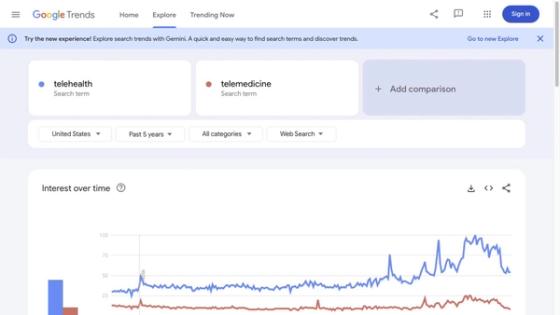
Telehealth search behavior is different from ordinary healthcare discovery. Patients are not only comparing symptoms or providers. They are checking whether virtual care feels legitimate, private, easy to start, and appropriate for their need.
Brenton Way builds telehealth SEO programs around that trust gap. We map condition, treatment, eligibility, pricing, provider review, and follow-up questions into a search architecture that can rank, reassure, and convert without relying on risky medical claims.
The ScalerMD advantage
A growth agency with its own telehealth platform.
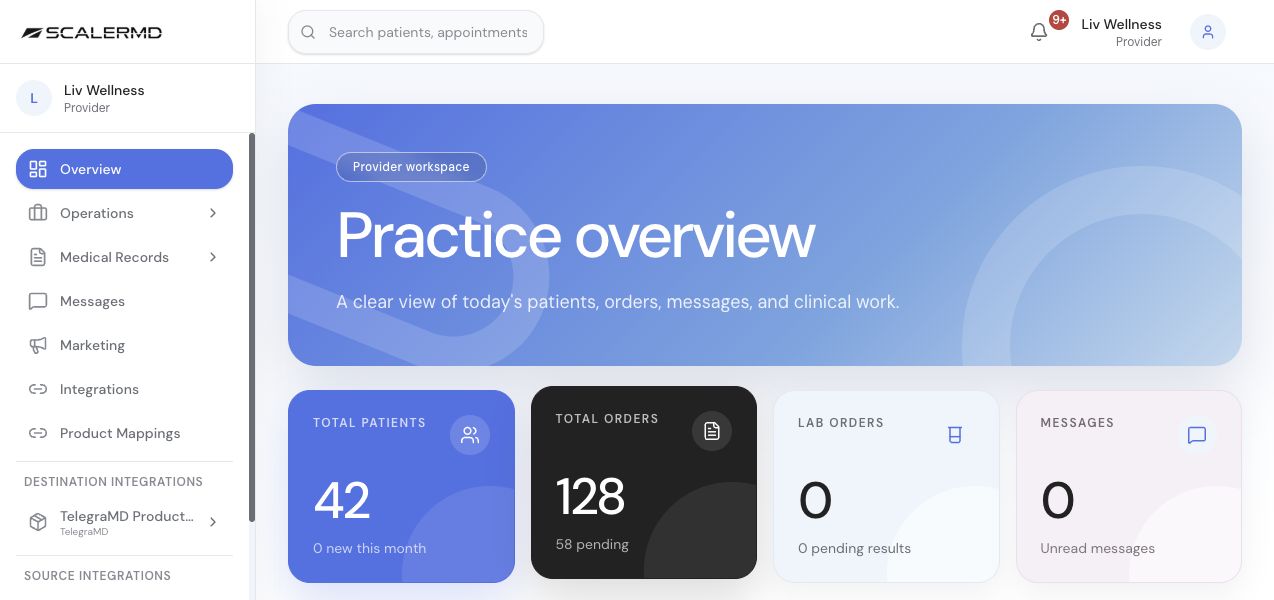
We built ScalerMD to help peptide and supplement brands launch and operate. It connects branded storefronts and checkout with patient intake, licensed providers, medical records, and fulfillment.
Product options include semaglutide, tirzepatide, sermorelin, NAD+, glutathione, and tadalafil, subject to provider and pharmacy availability.
Telehealth SEO Services For Virtual Care Growth
Technical SEO Audits
Crawl, indexation, Core Web Vitals, schema, duplicate content, JavaScript rendering, faceted URL, and template-quality audits for telehealth sites with complex treatment...
Condition And Treatment Content Architecture
SEO maps for condition pages, therapy pages, eligibility pages, provider-review explainers, FAQ hubs, and comparison pages that match how patients research virtual care.
Healthcare E-E-A-T And YMYL Review
Content improvements that make medical oversight, source quality, privacy expectations, author context, and review workflows visible without turning pages into legal...
AI Search Visibility
Answer blocks, entity clarity, schema, llms.txt readiness, and citable page sections that help Brenton Way clients show up in AI-assisted healthcare research journeys.
Local And State-Specific SEO
Organic landing-page structure for telehealth brands that need to clarify provider availability, service areas, regulations, and patient eligibility by market.
Conversion-Oriented SEO Reporting
Reporting that connects organic sessions to qualified starts, intake progress, bookings, activation, and downstream revenue instead of stopping at rankings and traffic.
Our Approach
How Brenton Way Builds Telehealth SEO That Can Rank And Reassure
Map search intent to the care journey
Telehealth SEO needs more than a list of keywords. We separate condition research, treatment comparison, provider trust, cost questions, eligibility, and conversion-stage searches so each page has one clear job.
That map helps avoid thin doorway pages and gives the site a defensible reason for every indexable URL.
Make provider oversight and privacy visible
Patients hesitate when virtual care feels vague. We help surface the details searchers look for before they begin: who reviews the intake, what happens after submission, how privacy is handled, and when care is not a fit.
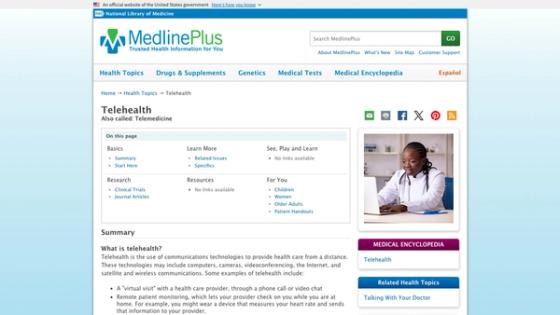
Build content that satisfies YMYL scrutiny
Healthcare pages need careful sourcing, specific claims, clear limitations, and visible expertise. Brenton Way structures pages so they are useful to patients and easier for search engines to evaluate.
Strengthen technical foundations before scaling content
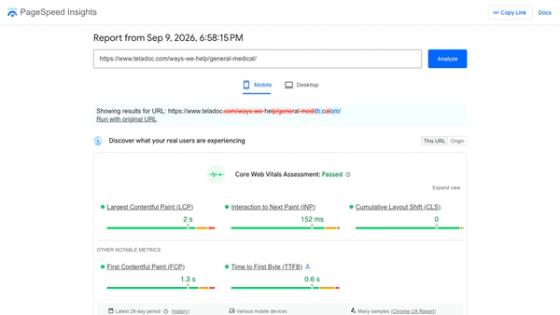
Many telehealth sites grow through landing pages, treatment pages, and paid campaign variants. We audit indexation, canonicals, schema, speed, page duplication, and internal linking before adding more pages to the crawl path.
Connect organic growth to qualified patient actions
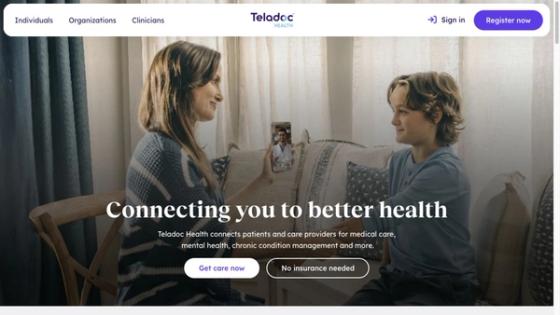
A telehealth SEO program should not celebrate traffic that never reaches the intake path. We define organic conversion events around meaningful patient progress, then report content and technical work against those actions.
Prepare content for AI-assisted discovery
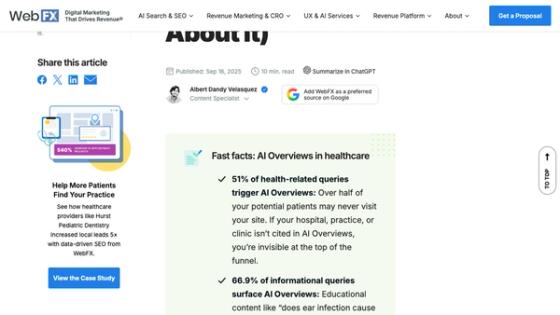
Patients increasingly use AI search to compare care options. We add concise answer blocks, entity-rich descriptions, FAQs, and source-supported sections so the page can be understood outside the standard blue-link SERP.
Telehealth resources
Everything we publish on telehealth and healthcare SEO
Videos, guides, and calculators our team uses to grow organic demand for virtual care — free to use.
Videos
Our YouTube channel
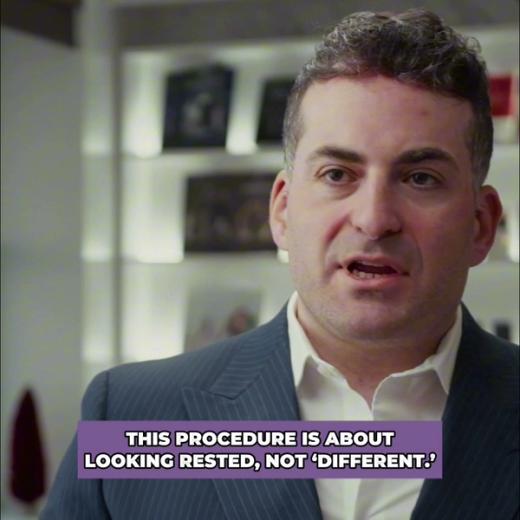
How we actually grow a healthcare brand
1 min 38 secA quick overview of how we approach healthcare growth — and why most agencies get it wrong.
Guides & articles
All articles
Aesthetic Plastic Surgery Marketing Stats and Trends for 2026
Plastic surgery statistics from ASPS: the 2026 report release, 2025 cosmetic procedure counts compared with 2024, demographics, and aesthetic trends.
Read the guide
Top Med Spa Marketing Agencies, A Roundup for 2026
Medical spa marketing agencies: Compare the best medical spa marketing services and firms to grow your health and wellness brand.
Read the guide
10+ Powerful Healthcare Social Media Marketing Strategies for Brand Awareness
Effective healthcare social media marketing strategies for healthcare providers, hospitals, and medical practitioners.
Read the guide
Neurology Marketing Guide: Building Trust & Visibility With Digital Marketing in a High-Stakes Specialty
Grow your neurology practice with proven neurology digital marketing strategies! Enhance visibility, optimize your online presence & attract more patients.
Read the guideFree tools & calculators
All toolsHealthcare And Wellness Growth Proof











Become a part of the successful story
View all case studiesTelehealth SEO Questions
Telehealth SEO has to explain virtual-care trust signals earlier in the journey. Patients want to understand eligibility, provider review, privacy, pricing, and next steps before they start an online intake or book a visit.
Yes. Brenton Way can plan and optimize condition, treatment, eligibility, FAQ, comparison, and location-specific pages. We recommend publishing only pages with a clear search intent, useful patient context, and a distinct role in the site architecture.
We keep claims specific, sourced, and reviewed. The goal is to improve organic visibility without overpromising outcomes, implying guaranteed treatment access, or blurring the line between marketing copy and medical advice.
Technical fixes can improve crawl and indexation quickly, but competitive telehealth SEO usually compounds over several months. Early milestones should include index coverage, rankings for long-tail terms, content engagement, and qualified intake or booking actions from organic visitors.
Most telehealth brands need both. PPC can validate offers and landing pages quickly, while SEO lowers dependence on paid traffic over time. The SEO page architecture should also support PPC by improving trust, answer quality, and conversion paths.