Aesthetic Plastic Surgery Marketing Stats and Trends for 2026

TL;DR
Plastic surgery statistics from ASPS: the 2026 report release, 2025 cosmetic procedure counts compared with 2024, demographics, and aesthetic trends.

Ask AI about this
Get an AI-powered summary of this article
Table of Contents
Plastic surgery growth is not a single-channel story. Demand is rising, but practices win or lose growth across the patient journey, from discovery and trust to consultation and follow-up. The numbers matter only when they help a team decide where demand is moving and what to test next.
Brenton Way built this report from our work in healthcare, beauty, and wellness. We reviewed the latest ASPS, ISAPS, and market data source by source, separating the report release year from the year each procedure was measured. Every new count was checked against the 2024 baseline. The analysis turns those numbers into practical decisions for practice growth instead of repeating a list of headlines.
Current Statistics: Plastic Surgery Market Size and Growth
CAGR, 2026–2033
10.5%
Cosmetic surgery and procedure market
Regional outlook
Asia Pacific · Europe · North America · MEA · Latin America
Procedure types
Invasive Procedures
Non-invasive Procedures
The global plastic surgery market is one of the fastest-growing segments in all of healthcare.
Depending on whether you count only surgical procedures or include all non-invasive and minimally invasive cosmetic treatments, market valuations in 2025 fell between roughly $60 billion and over $85 billion.
This shows that the market is growing at between 7% and 11% annually. Here are some recent stats in the plastic surgery market:
- The global cosmetic surgery market was valued at approximately $72.7 billion in 2025 and is projected to reach $80 billion in 2026, rising to $161.3 billion by 2033 at a CAGR of 10.5%. (Source: Grand View Research, Cosmetic Surgery and Procedure Market Report)
- A separate analysis puts the larger plastic surgery market at $85.98 billion in 2025, projected to reach $245.46 billion by 2035 at a CAGR of 11.06%. (Source: Towards Healthcare, January 2026)
- North America holds the largest share of the global market, accounting for approximately 35-41% of total revenue in 2025. (Source: Grand View Research; DataM Intelligence)
- The US cosmetic surgery market alone was valued at $21.63 billion in 2025 and is projected to reach $44.17 billion by 2035. (Source: Precedence Research, April 2026)
- The US led the world in total cosmetic procedures in 2024, with 6,165,173 procedures performed. Brazil and Japan followed with 3.1 million and 1.6 million, respectively. (Source: ISAPS Global Survey 2024)
- In 2026, 68% of Americans say they would consider a cosmetic procedure, up from 51% in 2022. (Source: Studio Close, April 2026)
- 79% of Americans say they would not judge someone for having cosmetic work done. (Source: Studio Close, April 2026)
Plastic Surgery Cosmetic Procedure Volume Statistics
38%
North America’s projected
market share by 2037
9.39%
CAGR, 2026–2037
The plastic surgery market in North America is expected to grow with a market share of 38% by 2037, due to high disposable incomes, strong demand for cosmetic enhancements, and the presence of advanced healthcare infrastructure.
North America · Europe · Asia Pacific · Middle East & Africa · Latin America
Growth Drivers
- Rising Minimally Invasive Procedure Adoption
- Aging Population and Facial Rejuvenation Demand
Challenges
- High Procedure Costs and Limited Insurance Coverage
- Stringent Regulatory Approvals and Clinical Compliance
Surgery types
Laser Therapy · Scar Revision · Microneedling · Dermabrasion · Facial Filler · Others
Key Players in the Market
Allergan Aesthetics (AbbVie) (U.S.) · Galderma (Switzerland) · Merz Aesthetics (Germany) · Johnson & Johnson (Mentor Worldwide) (U.S.) · Sientra Inc. (U.S.)
- Nearly 1.6 million cosmetic surgical procedures were performed in the US in 2023, a 2% increase from 2022. (Source: ASPS via Research Nester)
- In 2024, surgical procedures in the US increased by 1% compared to 2023, continuing a steady upward trend. (Source: ASPS 2024 Statistics Report)
- 28.2 million non-invasive procedures were performed in the US in 2024, up 1.5% from 2023. (Source: ASPS 2024 Statistics Report, via San Francisco Plastic Surgery Blog)
More people are choosing non-surgical treatments than surgical ones, and it is because they cost less, take less time, and you do not need to take time off to recover.
Most Popular Procedures By Plastic Surgeons
ASPS released its 2025 Plastic Surgery Statistics Report in 2026. It is the latest official U.S. dataset, so the table compares procedures performed in 2025 with ASPS's restated 2024 figures. Full-year 2026 procedure totals are not yet available. Compared with the 2024 baseline, total cosmetic surgeries rose 7%, from 1,425,390 to 1,523,330. (Source: ASPS 2025 Plastic Surgery Statistics Report)
2026 Cosmetic Surgery Procedures
| Procedure Category | Procedure | 2025 | 2024 | % Change (2025 vs. 2024) |
|---|---|---|---|---|
| Breast | Breast augmentation | 304,234 | 273,302 | 11% |
| Breast | Breast implant removals | 45,773 | 45,780 | 0% |
| Breast | Breast lift (mastopexy) | 156,131 | 144,003 | 8% |
| Breast | Breast reduction | 76,040 | 70,961 | 7% |
| Breast | Male breast reduction (gynecomastia surgery) | 23,318 | 25,351 | -8% |
| Body | Arm lift (brachioplasty) | 26,088 | 21,524 | 21% |
| Body | Brazilian butt lift (buttock augmentation with fat grafting) | 25,662 | 27,059 | -5% |
| Body | Labiaplasty | 10,658 | 9,778 | 9% |
| Body | Liposuction | 317,196 | 320,155 | -1% |
| Body | Lower body lift | 10,868 | 10,495 | 4% |
| Body | Thigh lift | 11,866 | 9,901 | 20% |
| Body | Tummy tuck (abdominoplasty) | 173,251 | 170,544 | 2% |
| Body | Upper body lift | 6,438 | 5,260 | 22% |
| Face | Chin liposuction (submental liposuction) | 18,842 | 17,533 | 7% |
| Face | Eyelid surgery (blepharoplasty) | 118,978 | 100,185 | 19% |
| Face | Facelift (rhytidectomy) | 77,933 | 69,097 | 13% |
| Face | Facial fat grafting | 34,117 | 24,605 | 39% |
| Face | Forehead lift | 15,506 | 12,052 | 29% |
| Face | Neck lift | 27,315 | 22,592 | 21% |
| Face | Nose reshaping (rhinoplasty) | 43,116 | 45,213 | -5% |
| Total | All procedures | 1,523,330 | 1,425,390 | 7% |
Plastic Surgery Procedures
- The five most frequently performed cosmetic surgeries in the 2026 ASPS release were liposuction, breast augmentation, tummy tuck, breast lift, and eyelid surgery. Against the report's restated 2024 baseline, eyelid surgery rose 19%, breast augmentation 11%, breast lift 8%, and tummy tuck 2%, while liposuction declined 1%. (Source: ASPS 2025 Plastic Surgery Statistics Report)
- Globally, eyelid surgery became the most common surgical procedure in 2024 for the first time, replacing liposuction, with more than 2.1 million procedures and a 13.4% increase over 2023. (Source: ISAPS Global Survey 2024)
- Rhinoplasty saw a 10% decrease globally in 2024, with 1 million procedures performed worldwide. (Source: ISAPS Global Survey 2024)
- Fat grafting to the face grew by 19.2% globally in 2024, with approximately 900,000 procedures performed. Surgeons directly attribute the surge to Ozempic face, the facial volume loss that follows rapid GLP-1-driven weight loss. (Source: ISAPS Global Survey 2024; Fortune, June 2026)
- Facelift procedures increased by 1% in the US in 2024. Younger patients in their 30s and 40s are increasingly opting for facelifts earlier to reduce future volume loss. (Source: ASPS 2024 Statistics Report, via New Beauty)
- The American Academy of Facial Plastic and Reconstructive Surgery reported a 50% rise in fat-grafting procedures in 2024, directly attributed to Ozempic-related facial changes. (Source: Fortune, June 2026)
- Neck lifts and rhinoplasty had the most growth among facial procedures in the US in 2024, each up 2%. (Source: ASPS 2024 Statistics Report)
- Buttock lifts had the largest increase of any body procedure in 2024, up 3%. (Source: ASPS 2024 Statistics Report)
- Gynecomastia surgery was the most commonly performed surgical procedure among men in the US in 2024, with 26,430 procedures, followed by liposuction with 21,082 procedures. (Source: ASPS 2024, via Statista)
Minimally Invasive and Non-Surgical Cosmetic Procedures
CAGR
2026–2033
- Neuromodulator injections were the most frequently performed minimally invasive procedure in the US in 2024, with 9,883,711 treatments, a 4% increase over 2023. (Source: ASPS 2024 Statistics Report, via Dr. Karen Horton MD)
- Hyaluronic acid fillers were chosen by 5,331,426 patients in the US in 2024, a 1% increase from 2023. (Source: ASPS 2024 Statistics Report, via Dr. Karen Horton MD)
- Botulinum toxin remained the most common non-surgical procedure for both men and women globally, with 7.8 million procedures performed by plastic surgeons worldwide. (Source: ISAPS Global Survey 2024)
- Hyaluronic acid filler procedures increased globally by 5.2% to 6.3 million in 2024. (Source: ISAPS Global Survey 2024)
- Non-invasive fat reduction dropped 40% in the US in 2024, the sharpest single-category decline in the ASPS report. (Source: ASPS 2024 Statistics Report, via San Francisco Plastic Surgery Blog)
This sharp decline comes down to one thing: Ozempic. Weight-loss drugs are now delivering results that fat-reduction machines used to claim. People who would have booked a fat reduction treatment two years ago are just taking a pill instead.
Plastic and Cosmetic Surgeries: Demographics
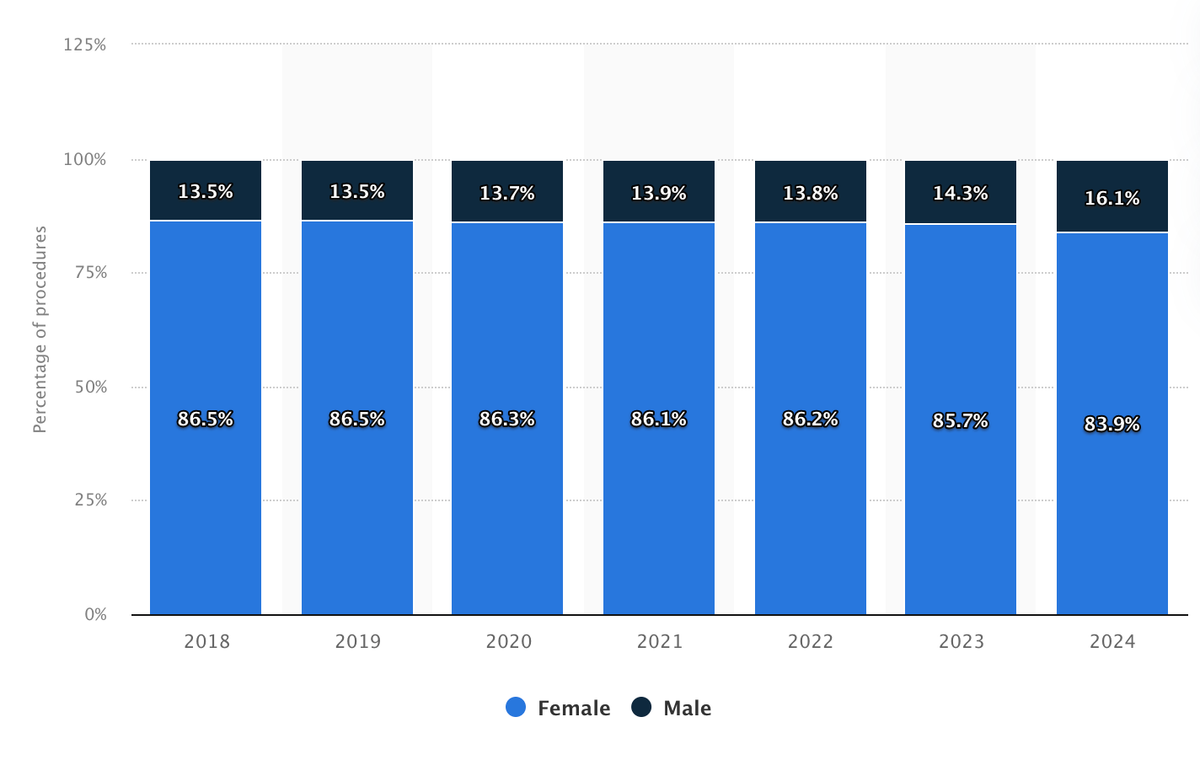
Gender
- Women accounted for 83.9% of all cosmetic procedures worldwide in 2024. Men accounted for 16.1%, up from 14.3% in 2023. (Source: Statista, ISAPS data, June 2025)
- 44% of facial plastic surgeons expect the number of men seeking facial surgery to continue increasing in the coming years. (Source: Elite Facial Plastic Surgery, January 2026)
The increase in male patients shows the change in how men think about aesthetic health. Practices that have invested in male-specific content and a discreet consultation experience are seeing more meaningful growth in this demographic.
Age Groups
Global market size, 2025
Ages 30–54 58% of market revenue
Ages 13–29 and 55 & above 42% combined remainder
- Patients aged 30 to 54 accounted for the largest percentage of cosmetic procedures in 2024, followed by individuals aged 55 to 69. (Source: ASPS 2024 Statistics Report, via Dr. Karen Horton, MD)
- Gen X (ages 40 to 54) accounted for 45% of total cosmetic procedures in the US. Baby Boomers (55 to 69) accounted for 30%. Millennials (30 to 39) accounted for 16%, and Gen Z (under 29) for 6%. (Source: ASPS)
- Gen Z increased cosmetic procedure consumption by 41% in 2025, primarily through preventative treatments, lip fillers, and non-surgical rhinoplasty. (Source: Studio Close, April 2026)
- Baby Boomers increased procedure volume by 28% in 2025 by having facial rejuvenation, eyelid surgery, and skin treatments. (Source: Studio Close, April 2026)
- Most breast augmentations (54%), rhinoplasties (60.1%), and external genital surgeries (48.4%) were performed on patients aged 18 to 34 worldwide in 2024. (Source: ISAPS Global Survey 2024)
- Botulinum toxin was the most popular among patients aged 35 to 50, who accounted for 47% of total procedures in that age group globally. (Source: ISAPS Global Survey 2024)
- Rhinoplasty was the most common procedure among patients aged 17 or younger globally. (Source: ISAPS Global Survey 2024, via American Med Spa Association)
Average Costs of Aesthetic Plastic Surgery in the US
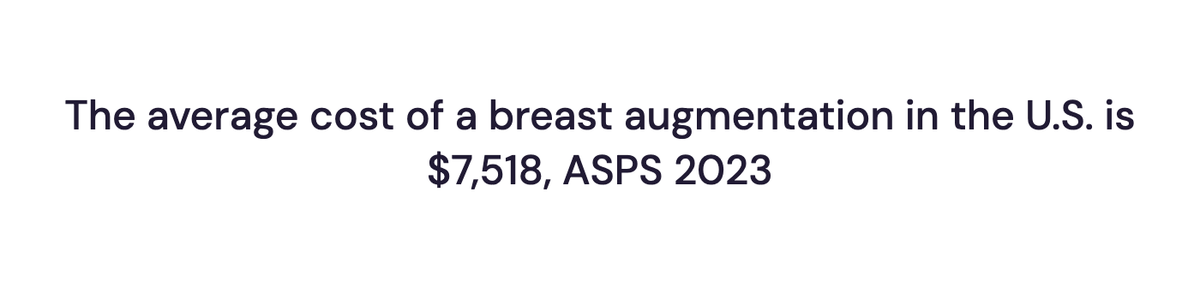
According to the American Society of Plastic Surgeons, the average procedure costs in the US are:
- Breast augmentation: $5,719
- Facelift: approximately $11,395
- Liposuction: $4,711
- Hair transplant: approximately $15,000
NOTE: 58% of US patients pay out of pocket for cosmetic surgery. (Source: Plastic Surgery Foundation 2023 survey, via World Metrics). While 37. 92% of patients report satisfaction with the results of breast reduction surgery.
Plastic Surgery Global Trends for 2026
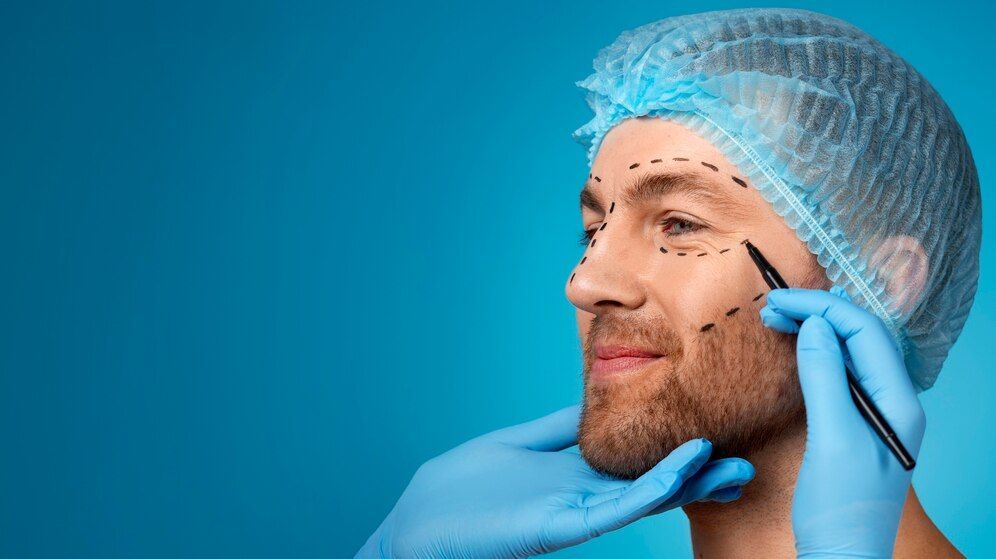
1. The GLP-1 Is Gaining Popularity
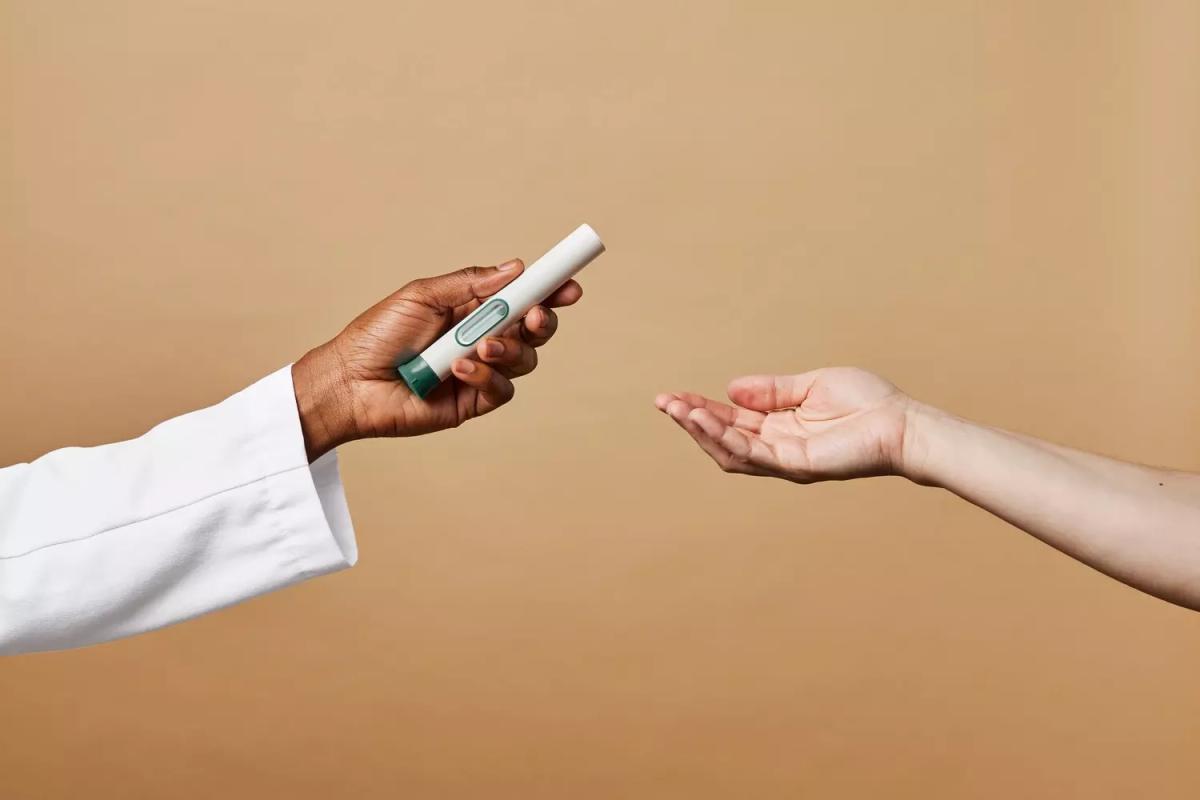
GLP-1 medications include Ozempic, Wegovy, and Mounjaro.
Patients who have lost 50 pounds or more usually struggle with hanging skin, deflated facial volume, sagging breast tissue, and loose abdominal skin that diet, exercise, and medication simply cannot fix.
Speaking to the ASPS in December 2025, Dr. Kim said: "There will never be another time in history with as many post-Ozempic patients as now and in the near future."
A GLP-1 patient is not a standard cosmetic patient. They need multiple procedures, have different tissue characteristics, and raise specific questions about how long their results will last.
As a plastic surgery practice, you need to build specialized GLP-1 consultations to see higher conversion rates.
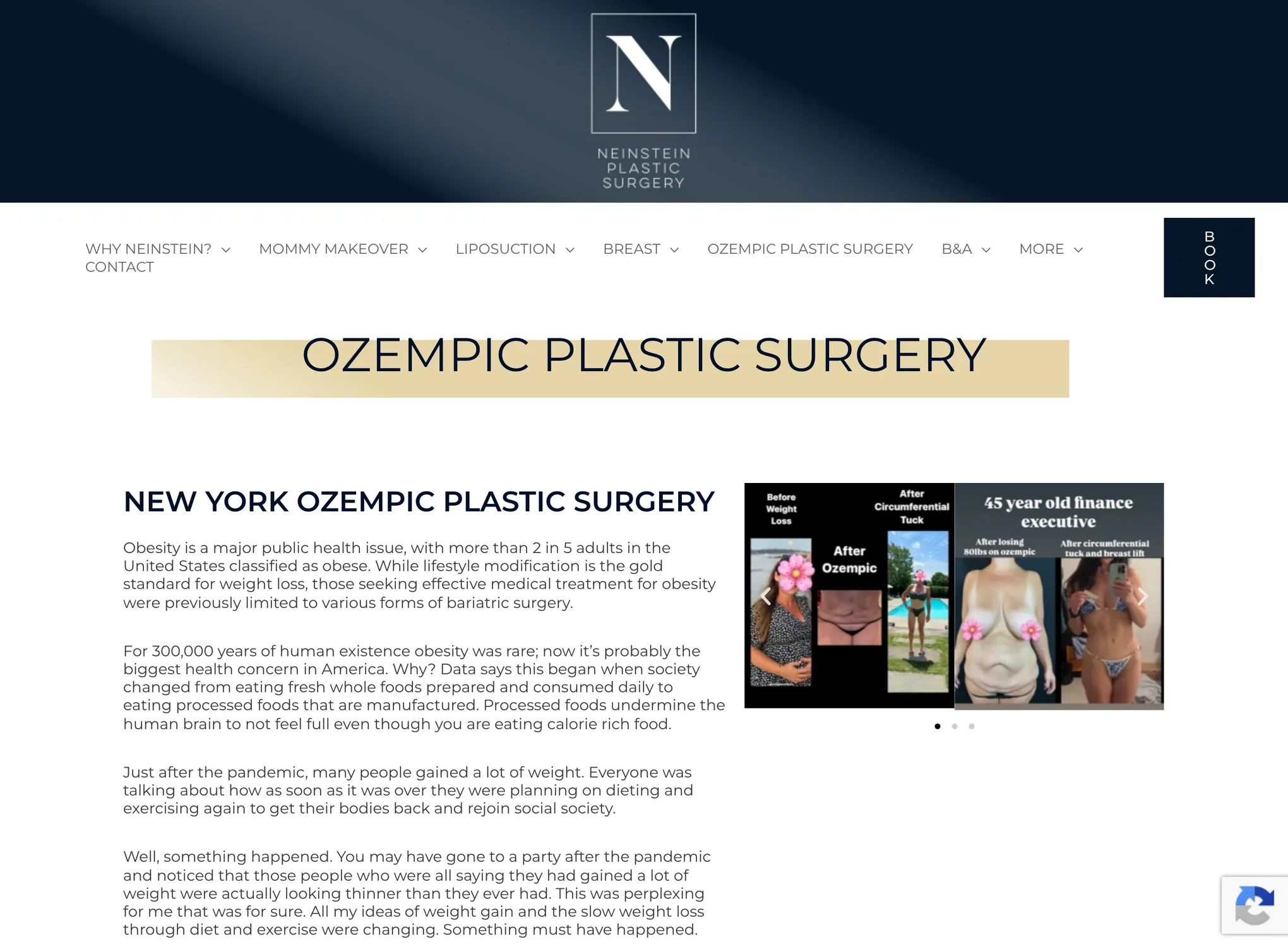
“Ozempic Plastic Surgery” appears in both the navigation and the page title.
A Book button sits beside the procedure navigation.
2. Natural-Looking Results Are Now the Expectation
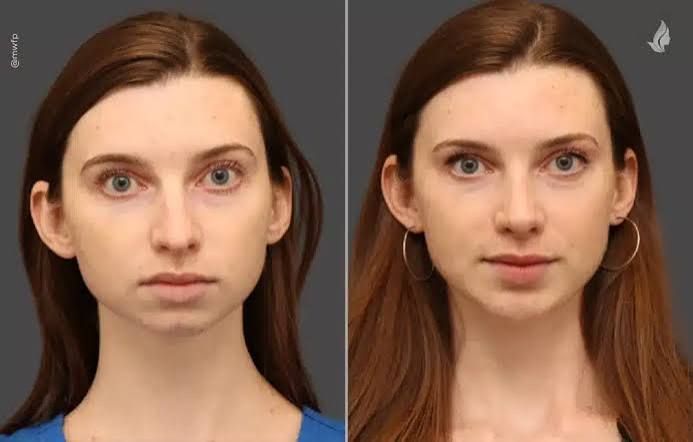
There was a time when visible, dramatic transformations were a trend, but that era is slowly dying.
Patients want to look like themselves, but better. The word "undetectable" is now used more and more in surgeon interviews and patient research queries.
"Looking ahead to 2026, one of the most significant shifts we are seeing is an increase in results that age well," said ASPS President Dr. Bob Basu.
This change should directly affect how you market. Dramatic before-and-after images that once increased consultations are less effective with today's patients, who are looking for evidence of precision rather than transformation.
3. Younger Patients Are Getting Facelifts Earlier
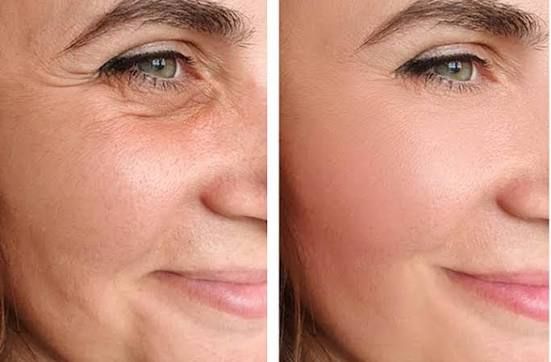
Mini-facelifts for preventive anti-aging are among the fastest-growing consultation categories in 2026. More patients in their 30s and 40s are doing facelifts not to correct major rapid aging but to prevent it.
This trend is being adopted due to two factors:
- GLP-1-accelerated facial volume loss in people who are otherwise young and healthy
- And the Zoom boom effect, which makes a generation aware of how they look on screen after years of video calls
"Plastic surgeons are recommending younger facelifts because we get better results working with youthful tissue," said Miami plastic surgeon Dr. Michael Keyes. "It is better to do small tweaks over time rather than one large correction later in life."
4. Male Patients Are a Growing Segment
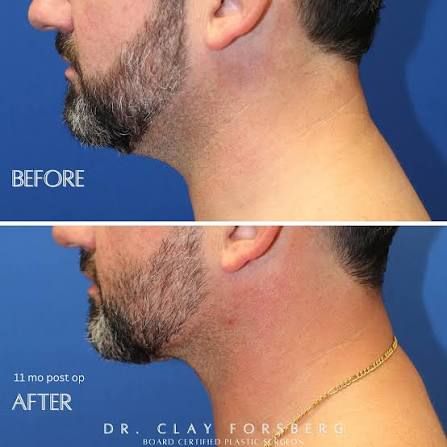
The total share of surgical cosmetic procedures performed on men reached 16.1% globally in 2026, up from 14.3% in 2023.
Male patients in 2026 are primarily seeking body contouring, facial procedures, and preventive injectables. They tend to:
- Research extensively before ever contacting a practice
- Place high value on discretion
- Want results that are visible to them but not to anyone else
5. Social Media Key Opinion Leaders are moving the needle
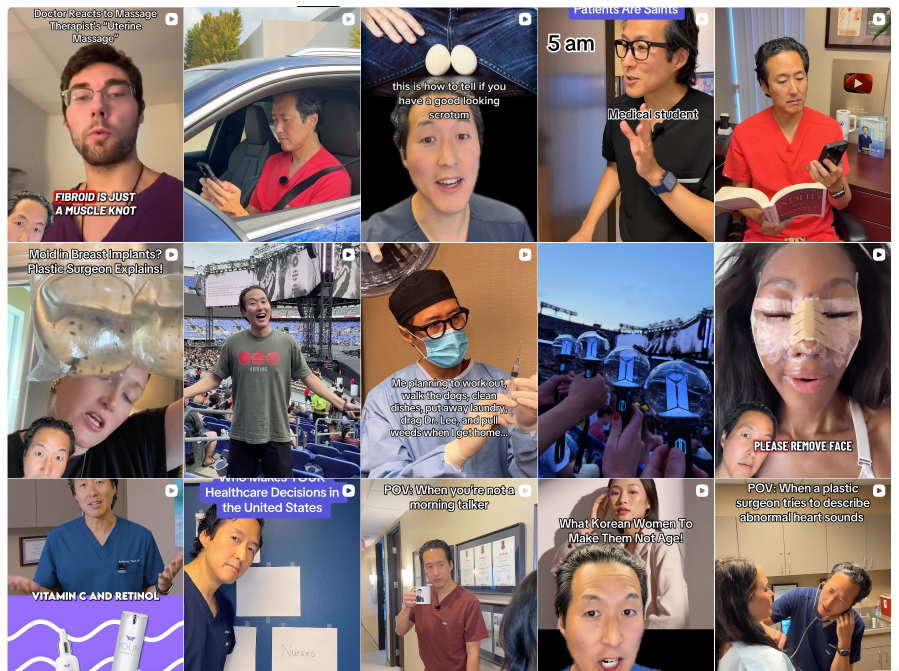
A study in the Aesthetic Surgery Journal showed a spike in cosmetic surgery searches after 2012, the year Instagram went mainstream.
More than 50% of people who undergo cosmetic surgery report being influenced by social media, with Instagram leading every other platform.
When a creator or celebrity shares a personal account of a procedure they underwent, it removes the secrecy that once surrounded cosmetic surgery and replaces it with something far more powerful: normalization. For instance, when Kylie Jenner publicly revealed her lip filler treatment, searches for dermal fillers increased immediately.
Similarly, when creators promote sharp jawlines, defined noses, smooth under-eye areas, or snatched cheekbones, demand for the procedures that produce those results increases.
Surgeons report that patients now arrive to consultations with a reference image of a specific creator rather than a general description of what they want. The consultation has changed because the patient has already done their research before they walk in.
AI Search is Changing How Patients Find You
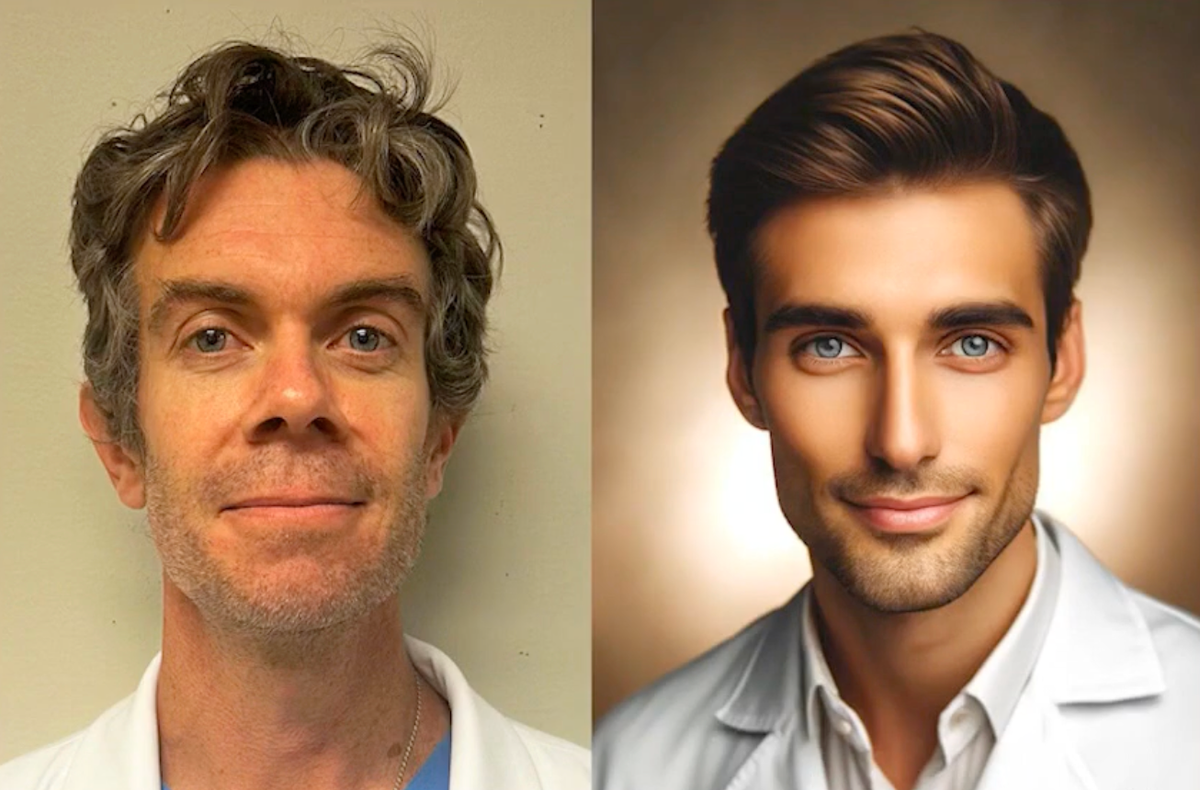
Source: How AI Influences Plastic Surgery
Trends like the Ozempic face, the snatched jawline, and the clean girl look were all driven by social media. Participating in these trends leads to more consultation requests.
However, something newer is changing the consultation experience: patients are using AI tools to research procedures, upload their photos, and simulate results before they ever reach out. This means that they come to you more informed than previous generations, with higher expectations and more specific questions about technique.
For a plastic surgery practice, a credible digital presence is no longer enough. The content has to answer specific patient questions and be structured well enough to appear in AI-generated results, which is where answer-engine optimization matters.
Our guide to plastic surgery marketing covers the channels and tactics that increase patient acquisition in this industry.
6. A New Injectable Is Coming
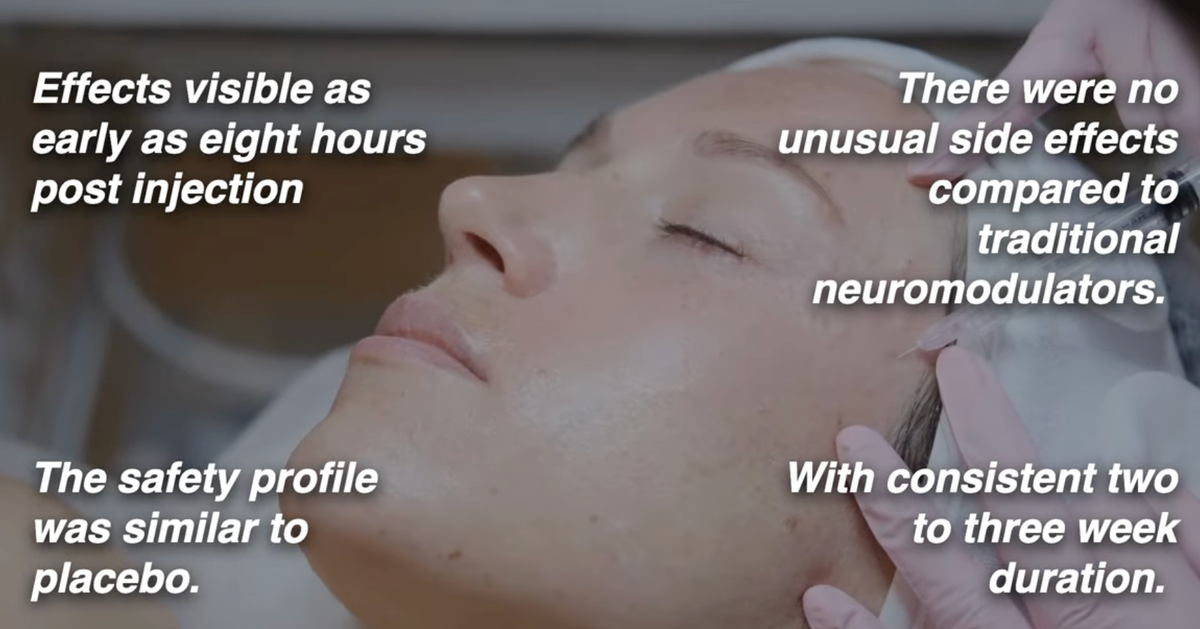
TrenibotE is a new type of neurotoxin developed by Allergan Aesthetics, an AbbVie company, and submitted to the FDA in April 2025 for the treatment of moderate-to-severe frown lines.
The FDA issued a Complete Response Letter regarding manufacturing processes, meaning approval is still pending as of 2026.
What makes it different from standard Botox is its rapid onset in as little as 8 hours and a shorter duration of 2 to 3 weeks, compared to the 3 to 4 months most patients get with traditional neuromodulators.
7. Hybrid Treatment Plans Are Becoming the New Standard
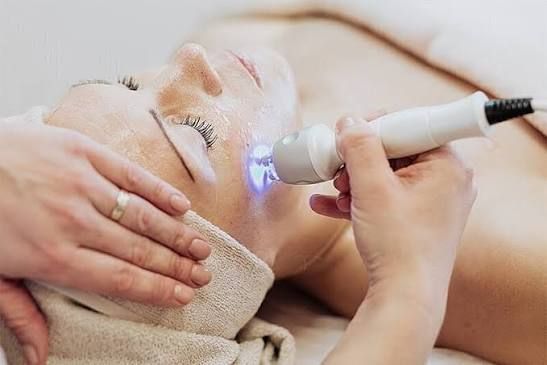
Practices are moving away from single-procedure consultations toward coordinated treatment plans that include surgical procedures and med spa treatments such as laser resurfacing, radiofrequency skin tightening, injectables, and energy-based devices, used alongside body contouring surgery.
For practices offering both surgery and aesthetics, the shift changes the med spa marketing model: acquisition, consultation, and follow-up need to support a longer treatment relationship instead of promoting each service as a separate funnel.
What These Stats Mean for Your Practice
The data in this article proves that patient acquisition is becoming more digital and more AI-influenced.
Patients are more likely to discover your clinic through:
- Social media
- AI-generated answers
Plastic surgery SEO now has to earn visibility across traditional rankings and AI answers. A clinic with specific, credentialed educational content has an advantage over one that relies only on paid ads.
Your response time is also important. The average plastic surgery practice loses 40 to 50% of consultation requests because of slow response times or poor follow-up. This means that if you respond within five minutes during business hours, you'll have higher conversion rates.
Your content needs to match who is researching. Gen Z uses social media for discovery. Millennials research on Google and expect digital booking. Gen X values credentialed expertise and detailed procedure information. Each audience requires a different approach.
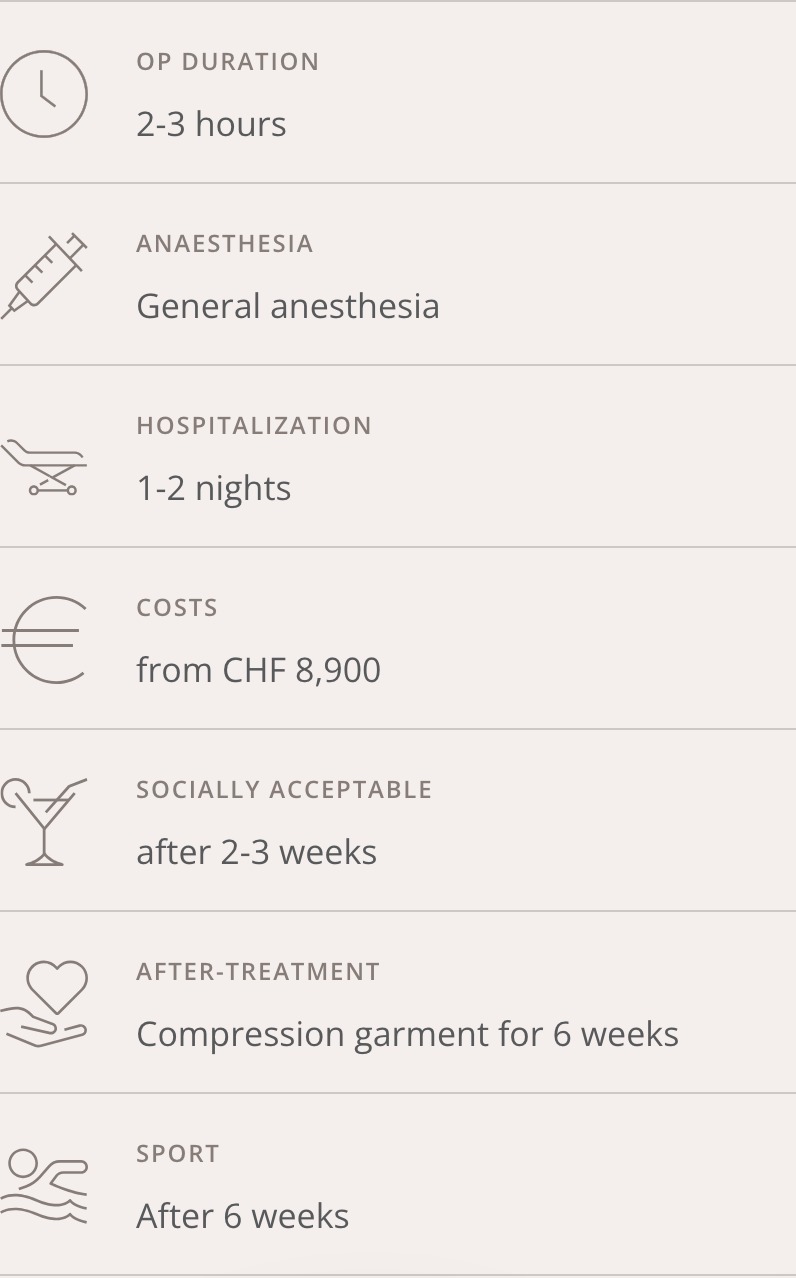
Costs, recovery and aftercare sit together in a scannable facts panel.
Short labels and consistent spacing help readers find the information they came for.
If you want to evaluate your marketing strategy, Brenton Way's guide to plastic surgery advertising strategies covers the specific channels and formats that increase consultations.
If you are looking at specialist agency options, our plastic surgery marketing agencies page compares the major marketing agencies to work with.
Brenton Way has over nine years of experience specifically in aesthetics and beauty.
Brenton Way increased BodyTonic Med Spa's website booking rate by 400%. Cleure achieved 8X ROAS.
Frequently Asked Questions
What are the 5 most common plastic surgeries?
The 5 most common plastic surgeries in the US are liposuction, breast augmentation, tummy tuck, breast lift, and blepharoplasty (eyelid surgery), according to the ASPS 2024 Statistics Report.
Globally, eyelid surgery topped the list for the first time in 2024, overtaking liposuction.
Which country has the highest plastic surgery rate?
South Korea ranks first in the world with approximately 8.9 procedures per 1,000 people, equivalent to 1 in every 25 citizens. Argentina ranks second at 8.81 per 1,000, and Brazil third at 7.62 per 1,000. The US ranks sixth globally on a per capita basis.
What are the most popular plastic surgery procedures in 2026?
In the US, the five most performed surgical procedures are liposuction, breast augmentation, tummy tuck, breast lift, and blepharoplasty.
Among non-surgical treatments, neuromodulator injections dominate with nearly 10 million procedures performed annually in the US alone.
Globally, eyelid surgery overtook liposuction as the most common surgical procedure in 2024 for the first time.
What is the Ozempic makeover?
The Ozempic makeover refers to a set of surgical procedures designed to address the cosmetic consequences of significant weight loss from GLP-1 medications like Ozempic and Wegovy.
Rapid weight loss causes loose skin, facial volume loss, deflated breast tissue, and loose abdominal skin. Common procedures in an Ozempic makeover include tummy tucks, body lifts, breast lifts, facelifts, and fat grafting to restore facial volume.
Why is the plastic surgery landscape growing so fast?
The main reasons are declining social stigma, the GLP-1 medication effect creating new demand for body contouring and facial rejuvenation, technological advances that make procedures safer with shorter recovery times, and rising disposable incomes.
Tags
Let's Grow Your Brand With Us
Book a free consultation and get a custom growth strategy tailored to your business.
Book Free ConsultationGet marketing insights in your inbox
Join our newsletter for the latest digital marketing tips and strategies.
By subscribing, you agree to our Privacy policy .

About the author
Jonathan SaeidianHead of Strategy at Brenton Way
Jonathan Saeidian is the founder of Brenton Way, Bridge, and Growth Virality, where he builds measurable growth marketing systems for startups, scaleups, and enterprise teams.


