Biggest Beauty Marketing Trends in 2026

TL;DR
A researched 2026 beauty marketing trends guide covering social commerce, AI personalization, expert creators, sustainability, vegan beauty, and men’s grooming.

Ask AI about this
Get an AI-powered summary of this article
Table of Contents
Beauty marketing in 2026 is being shaped by three forces at once: social commerce is becoming a real sales channel, AI is moving from novelty to infrastructure, and consumers are demanding proof from communities, experts, and transparent brands — not just polished campaign claims.
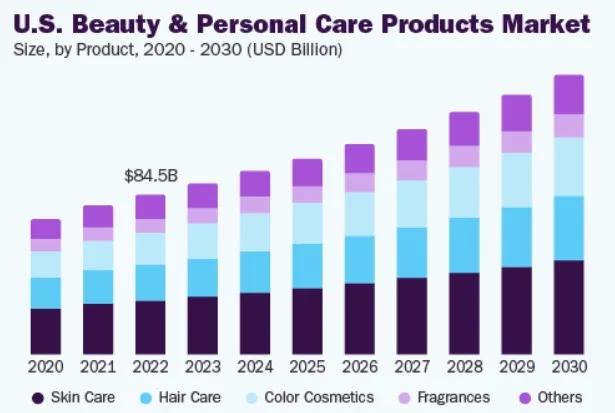
Use the year attached to each source when comparing trends. A campaign example can suggest a test, but its reach or engagement does not establish the results another beauty brand will achieve.
Use this as a practical trend map for beauty, skincare, cosmetics, wellness, and personal-care brands. Each trend below includes a marketing implication: what to change in your content, creator strategy, commerce experience, or positioning this year.
How to turn beauty social media trends into a content strategy
Start with a business goal: helping shoppers evaluate a product, increasing qualified product-page visits, or encouraging a repeat purchase. Match each creative concept to that goal before choosing a format or trend.
Build a small test around one question. For example, compare a creator demonstration with an expert explanation of the same product, keeping the offer and landing page consistent. Treat this as a proposed test, not a claim that one format always performs better.
Measure TikTok and Meta content in separate groups. Distinguish paid from organic distribution, record the date range, and define the denominator for every engagement rate: interactions divided by views, reach or impressions are different measures. Compare like-for-like posts before attributing a change to a trend.
For acquisition campaigns, follow product-page visits through to purchases and returns; for retention, examine repeat purchase behavior over a consistent period. Views and engagement are useful diagnostic signals, but they do not by themselves establish revenue or profit.
See how creative and channel choices were applied in our FOREO case study.
2026 beauty marketing trends: quick summary
- Social commerce is now a beauty sales channel, not only an awareness channel — TikTok Shop grew to $15.82B in U.S. sales in 2025, per EMARKETER.
- AI personalization is moving into loyalty, recommendations, virtual try-on, and content operations; Ulta says more than 95% of offline and online sales come from its loyalty member base.
- Community proof is replacing overproduced claims: Dove’s 2026 Reddit review campaign shows how real customer language can become campaign creative.
- Purpose still matters, but only when it keeps the brand voice. E.l.f.’s “Give an e.l.f.” campaign is the model here.
- Vegan, sustainable, inclusive, age-inclusive, and men’s grooming categories should be treated as commercial segments — not just values messaging.
For campaign examples that bring these trends to life, see our updated guide to the best beauty marketing campaigns of 2026.
Sustainable and Eco-Friendly Products (The Leading Beauty Industry Trend)
You can really see a major shift happening in the beauty marketing trends lately as people are demanding eco-friendly and sustainable products.
The worldwide market for Sustainable Beauty and Skincare was worth $181.23 billion in 2023. It is expected to grow at a CAGR of 7.8% to reach $285.60 billion by 2030.
| Segment | Market Value |
|---|---|
| Total Beauty & Personal Care (2026) | $677B |
| Skincare (~42% of cosmetics) | $284B |
| US Beauty Market | $110B |
| Men's Grooming (2026) | $67.7B |
| Sustainable Beauty (2034 proj.) | $433.2B |
We're all becoming a lot more conscious about the environmental impact of the cosmetics, skincare, hair products, and other personal care items we use every day.
Nobody wants to be contributing to further damage to the planet's delicate ecosystems.
45% of American consumers said that using only 100 percent natural ingredients was one of the most crucial factors for sustainable beauty products.
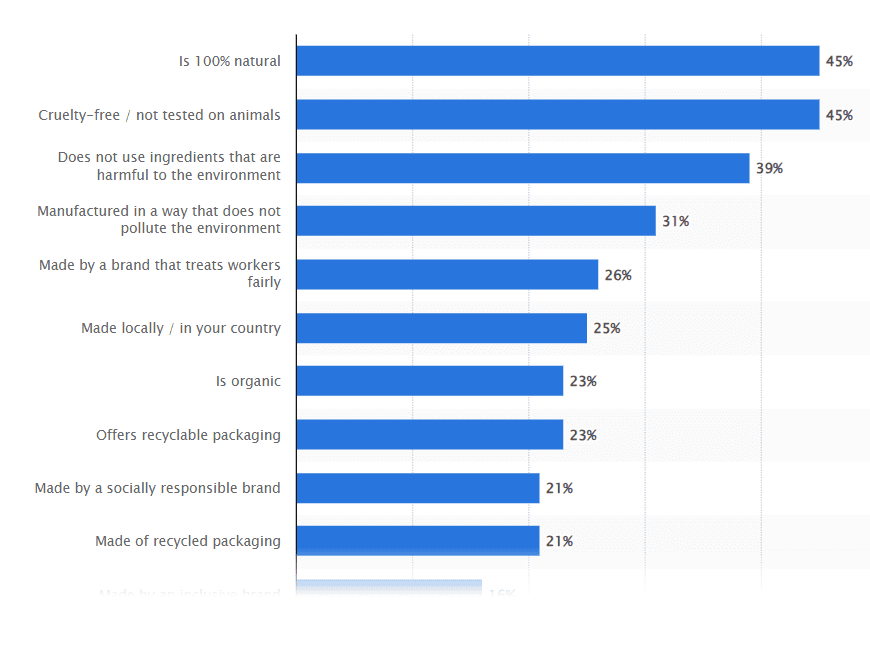
The above graph demonstrates the percentage of people wanting to buy sustainable products.
The sustainable beauty marketing trend covers a few key areas. Packaging is one of the biggest marketing issues brands are tackling.
They are doing everything they can to cut down on plastic, switch to recyclable materials, and use more post-consumer recycled plastics.
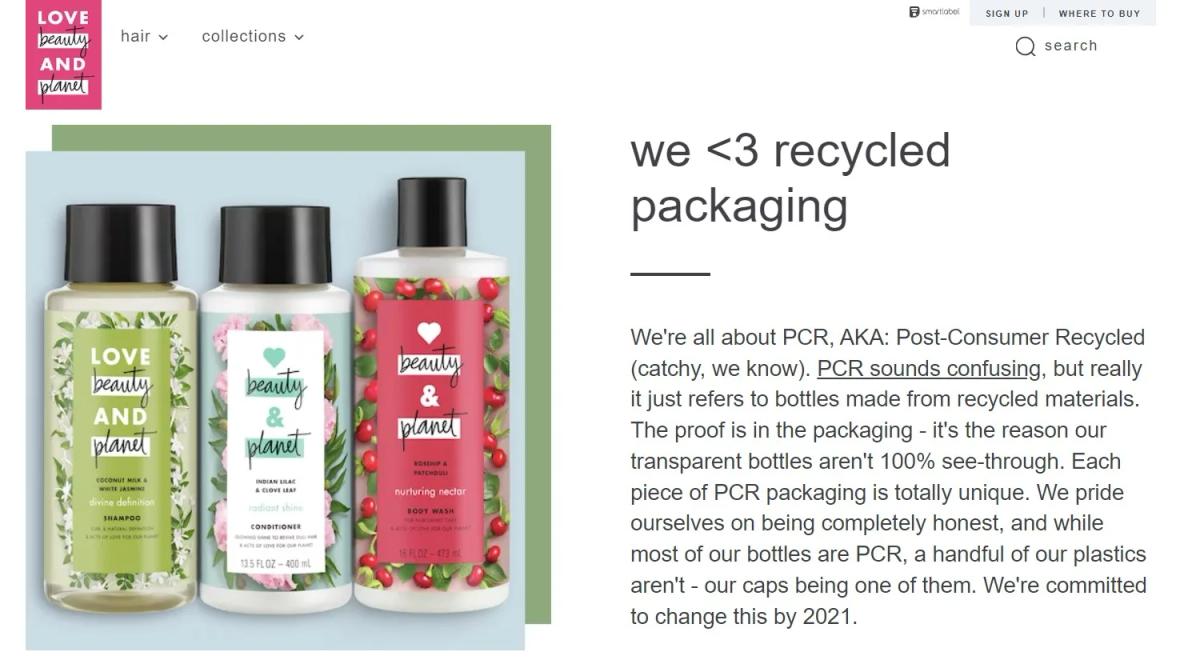
Brands like Love Beauty and Planet are already using 100% recycled bottles.
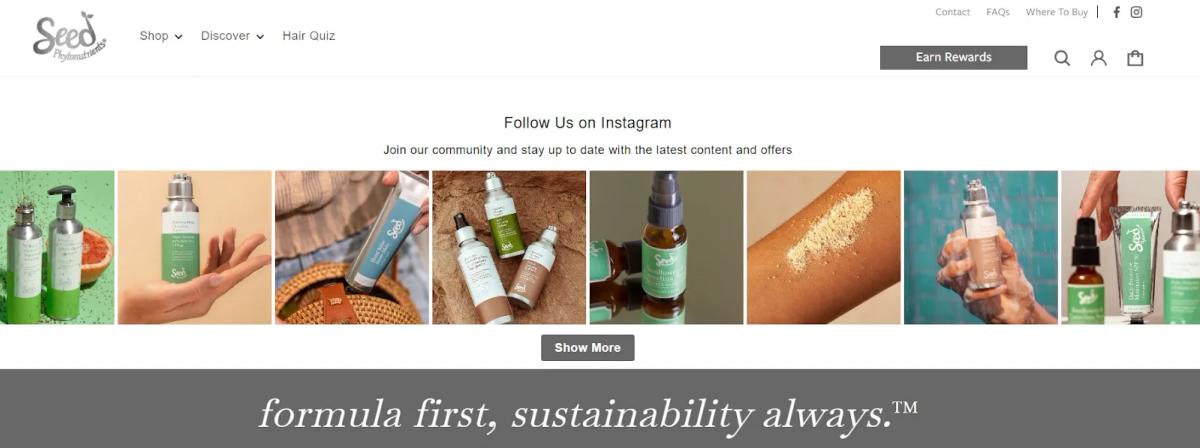
Seed Phytonutrients have gone all-in on glass and aluminum.
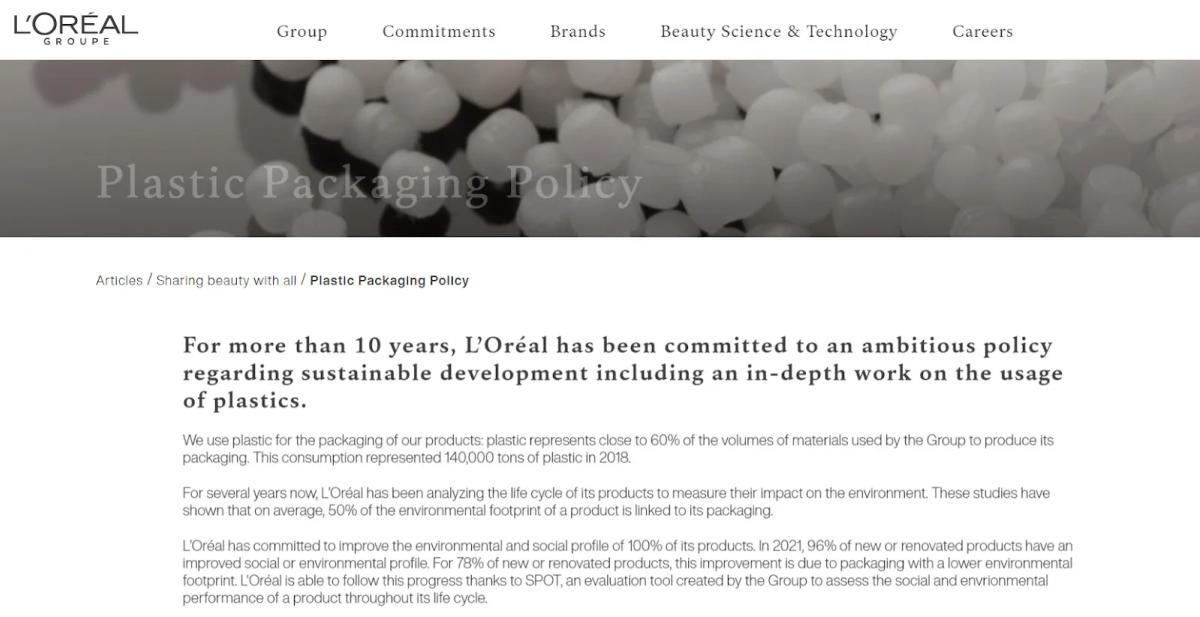
Even big mainstream companies like L'Oreal have roadmaps to incorporate more recycled plastic and introduce refillable packaging options soon.
AI-Powered Personalization in Beauty (Driving 15–18% Higher Conversions)
Personalization has evolved from a nice-to-have feature into a core revenue driver for beauty brands. Companies excelling at personalization generate 40% more revenue from those activities than average players (McKinsey). In beauty ecommerce specifically, AI-powered personalization drives 15–18% higher conversion rates, and 71% of consumers now expect personalized interactions from the brands they buy from.
Virtual try-on features have matured dramatically, now delivering 30–40% conversion improvement for beauty brands that implement them (Envive.ai). AR-powered try-on technology can boost conversion rates by up to 94% (Shopify data). Tools like MAC's Virtual Try-On — covering 200+ products — let consumers test shades, textures, and looks in real time before purchasing.
AI-driven skin analysis is creating a new category of personalized recommendations. Brands now analyze skin type, environmental factors, and lifestyle data to build custom product recommendations. This goes well beyond simple quizzes — modern AI systems evaluate climate conditions, pollution levels, and even seasonal changes to suggest optimal routines.
AI-powered CRM has moved far beyond "Hi [First Name]" personalization. Beauty brands now use AI to deliver product recommendations based on purchase history, browsing behavior, and even local weather patterns — sending SPF reminders when UV indices spike, or hydration product nudges during dry winter months.
The demand is undeniable: 72% of customers expect beauty brands to recognize them as individuals and know their preferences (Sia Partners). Brands that deliver on this expectation see 10–12% higher average order values and 10–15% better repeat purchase rates compared to those relying on basic segmentation.
The personalization trend extends across every product category. In skincare, brands create different formulations for oily, dry, combination, and sensitive skin types — then layer on environmental and lifestyle factors to further customize recommendations. In makeup, shade-matching AI eliminates the guesswork that previously required in-store visits.
Beauty apps now use AI-powered quizzes to deliver genuinely personalized recommendations. Users answer questions about their skin concerns, lifestyle, and preferences, and the AI generates a tailored routine — not just generic product suggestions, but specific combinations optimized for their individual needs.
This is especially powerful for consumers who can't easily visit stores for in-person consultations. AI personalization bridges that gap, delivering expert-level recommendations through a smartphone.
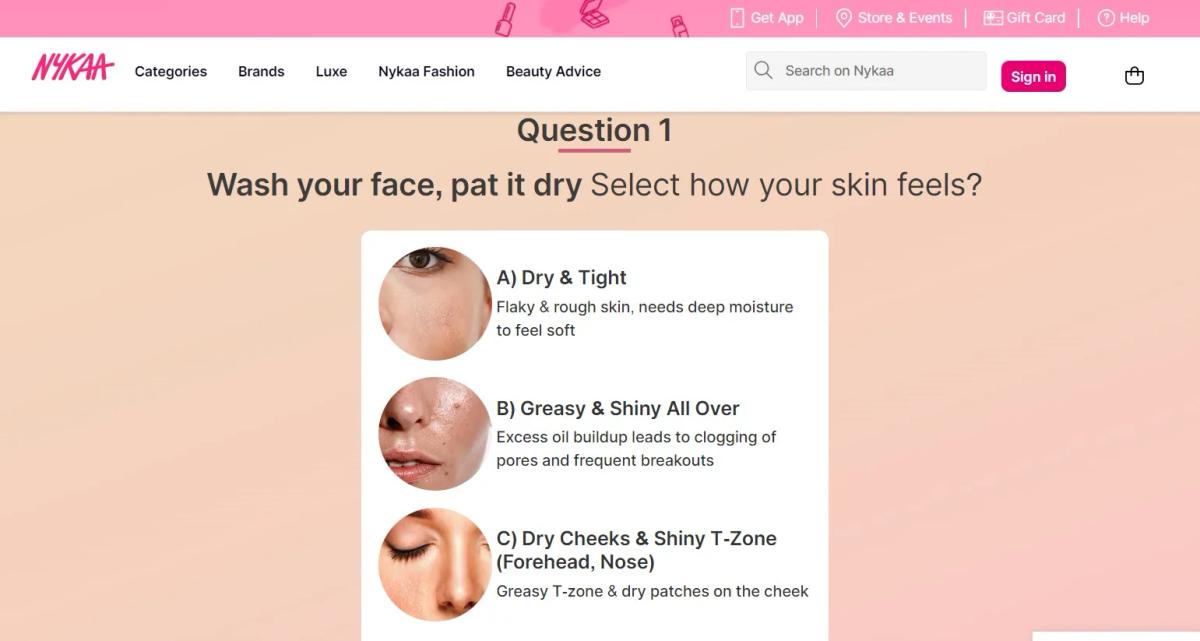
Nykaa's beauty quiz is a strong example of this approach in action. Users complete a guided assessment, and the platform delivers personalized product recommendations based on their specific skin type and concerns.
Based on their quiz answers, users receive personalized skincare and makeup recommendations tailored to their unique profile — turning a generic product catalog into a curated personal shopping experience.
Personalized haircare has seen similar growth. Brands let consumers take detailed quizzes about their hair type, texture, and goals, then deliver custom-formulated products.
If you're looking to implement personalization into your beauty marketing strategy, the key is starting with data collection — quizzes, browsing behavior, and purchase history — then using AI to turn that data into genuinely useful product recommendations at every touchpoint.
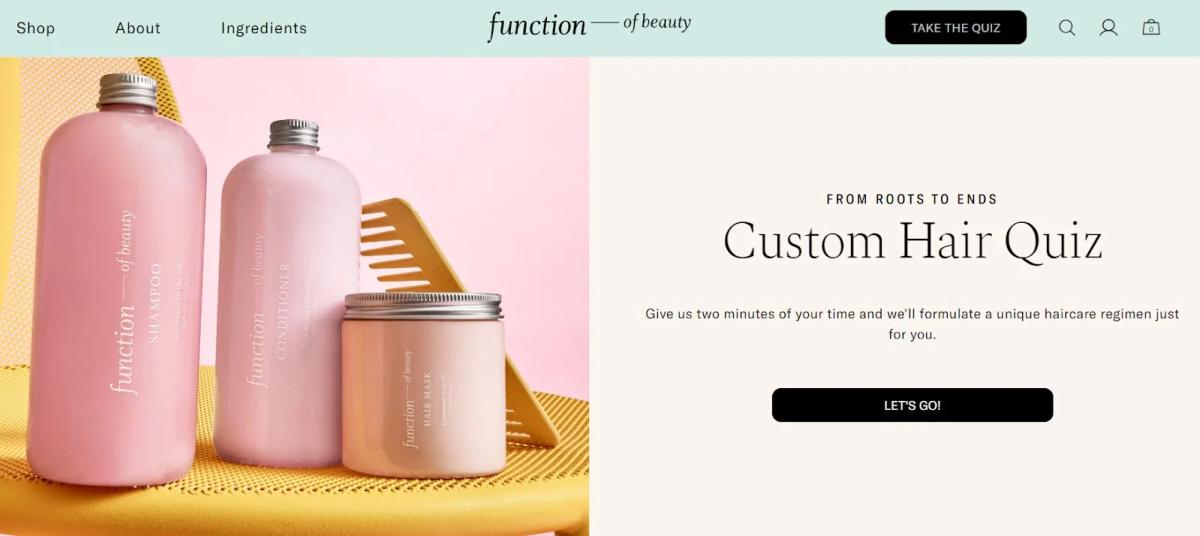
Function of Beauty pioneered this model with their personalized hair quiz, creating custom shampoo and conditioner formulations based on individual hair profiles. Users choose their hair type, structure, and scalp condition, then select specific goals like volumizing, curl-defining, or color protection.
They even let customers choose the fragrance and color of their products — reinforcing the feeling that the product was made specifically for them. This level of personalization builds brand loyalty that generic products simply cannot match.
Predictive commerce is the next frontier. AI-powered chatbots on Instagram, WhatsApp, and brand websites now offer real-time, data-driven beauty consultations — serving as virtual beauty advisors that can recommend products, answer ingredient questions, and guide purchase decisions with the warmth and knowledge of an in-store expert.
The bottom line: beauty brands that invest in AI-powered personalization aren't just improving the customer experience — they're building a structural conversion advantage that compounds over time. The gap between personalized and generic beauty shopping experiences is widening into a canyon.
AR (Augmented Reality) and VR (Virtual Reality) in Beauty
From 2022 to 2027, the Global Augmented & Virtual Reality in Cosmetic & Beauty Market is forecasted to increase by 25.5% CAGR.
The technology of augmented reality virtual try-on apps and tools in the beauty world is revolutionizing how we shop for makeup and other beauty products.
Customers have a 2.4 times higher chance of purchasing when utilizing virtual try-ons.
Instead of having to actually swatch and apply every lipstick, eyeshadow, or foundation shade to see how it looks, you can just virtually try them on using your phone camera or webcam.
With a few taps, the AI can simulate the exact shade and finish on your own face in real time.
Sephora has mastered this marketing strategy, allowing you to try on multiple looks and products at once.
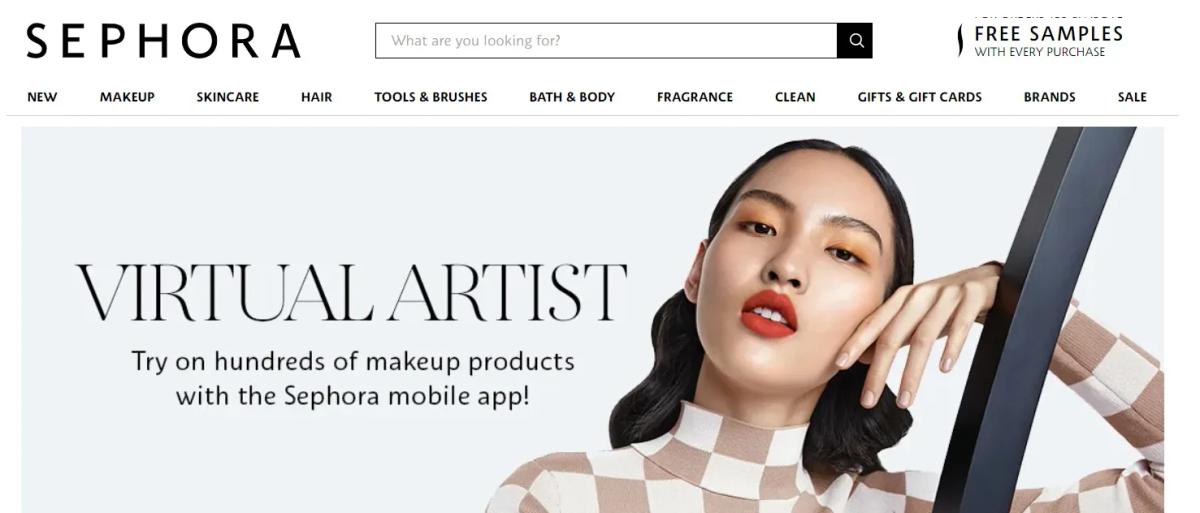
So you can see how a complete full face of makeup would look - different eye looks, lip colors, the works - all before committing to a purchase.
Augmented reality has been especially helpful for buying complexion products. It helps cut down on a ton of returns and product wastage, too.
Inclusive Beauty for All (Newest Beauty Marketing Trend)
The beauty industry has come far in terms of inclusivity lately.
82% of people search for racial diversity in beauty advertisements.
Around 40% of Gen Z consumers prioritize diversity and inclusion as the top brand values when buying beauty products.
For years, so many women and people of color felt completely left out and ignored when it came to finding products for their diverse skin tones and types.
Brands seemed to cater only to a very narrow definition of "beauty." There used to be very limited shades of foundations and concealers
Nowadays, more and more brands are waking up and consciously expanding their product lineups to be inclusive of all ethnicities and skin conditions.
Almost half (47%) of beauty product consumers prefer to purchase from brands that promote diversity and inclusivity.
Beauty brands are giving out versatile, comprehensive shade ranges for complexion makeup instead of those limited, one-note offerings.
Fenty Beauty came out with an unprecedented 40 shades of pro'filter foundation to cover the whole spectrum of deep to fair tones.
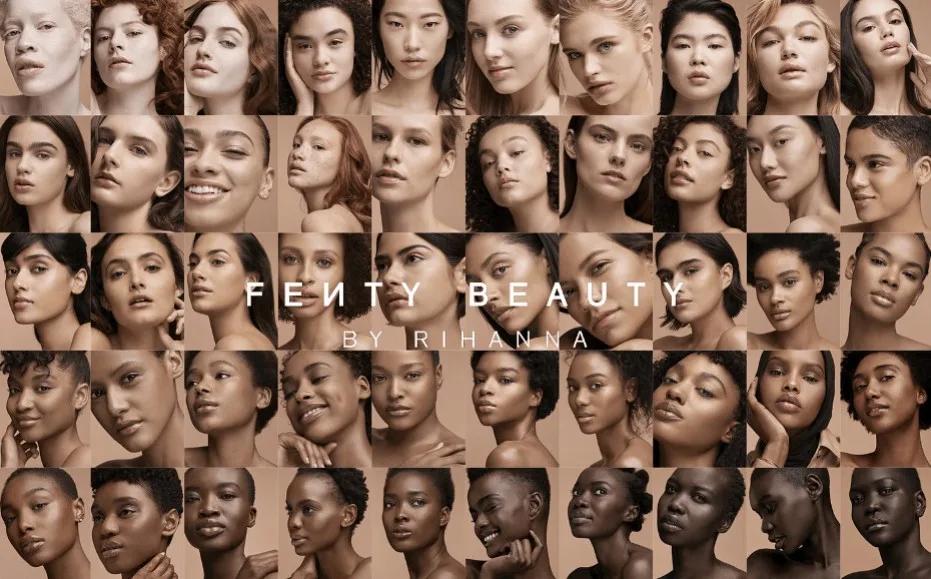
Their inclusivity marketing was so well executed that the other brands also started following the same launching and marketing strategy.
Make Up For Ever quickly followed suit with foundation portfolios and launched 40 shades.
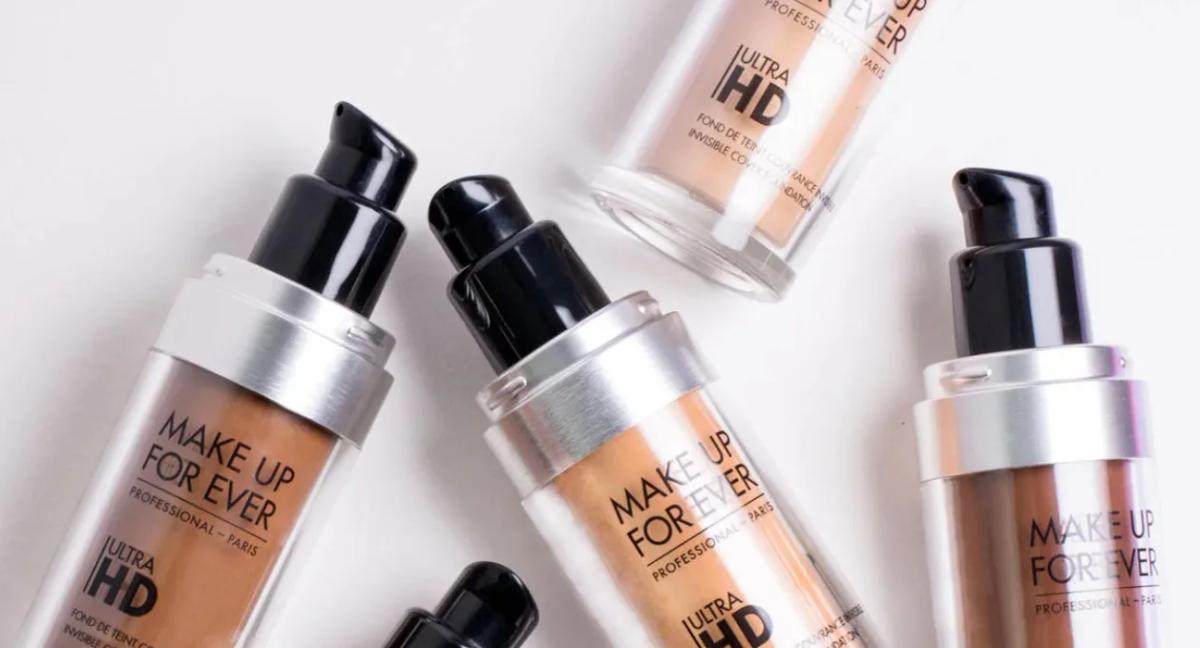
And it goes beyond just complexion - brands are also bringing more versatile products for different hair types, skin concerns like hyperpigmentation, and so much more.
Innovative Tech-Driven Skincare Devices (Biggest Beauty Marketing Trend With $100+ Billion Market)
Beauty tech-driven purchases have produced around 3.77 billion U.S. dollars in revenue in 2021 within the global market.
The skincare tech space is just exploding with all these innovative new tools and gadgets.
Skincare devices market is projected to reach US$ 101.5 Billion by 2033 with a 15.6% CAGR from 2023 to 2033.
We've got all these smart beauty devices that sync up to apps and provide customized routines based on your individual skin analysis.
For example, Shinsegae Group implemented smart mirrors in their beauty stores, which turned out to be a great marketing strategy.
With these mirrors, you just take a selfie, and the AI analyzes your pores, dark spots, and wrinkles.
Then, it builds out an entire multi-step regimen of which products to use and what areas to focus on.
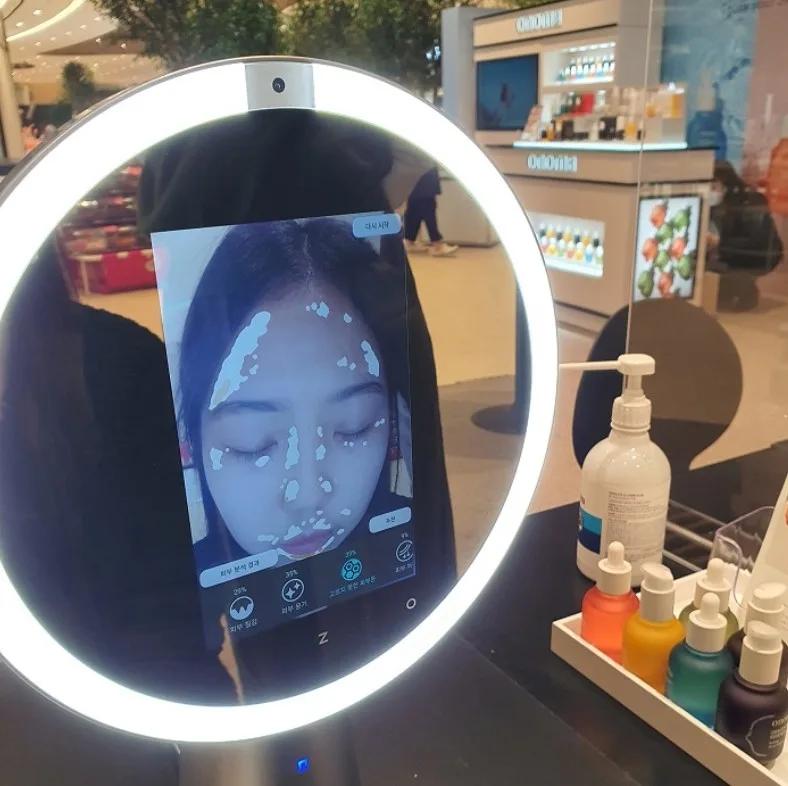
Another example is the LED mask craze.
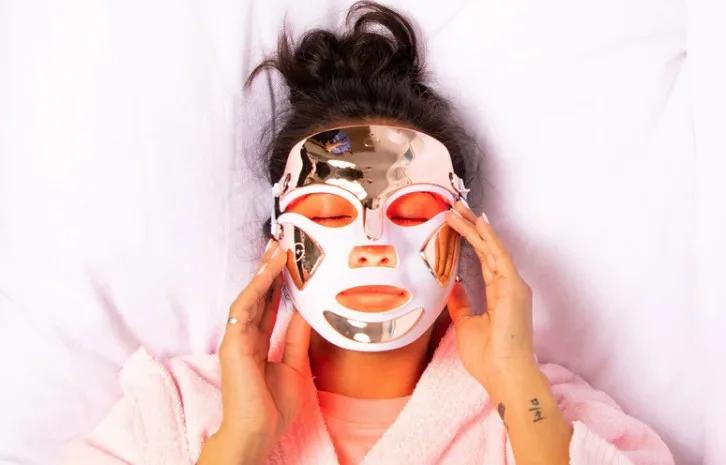
Celebs and influencers are constantly posting selfies in those futuristic-looking light therapy masks that claim to zap away blemishes and signs of aging.
Between the blue, red, and yellow light settings, you can choose whichever ones fit you.
Minimalist Beauty Trends (Post-Pandemic Beauty Marketing Trend)
Post-pandemic, there has been an acceleration towards the minimalist beauty trend.
A refreshing "less is more" mentality is spreading where people are actively streamlining their beauty habits.
Everyone is craving more simplicity and functionality - products that can multitask so that there is no hoarding of tons of bottles.
Beauty buyers are gravitating towards those versatile, hardworking products that can replace 3 to 4 items in their regimen.
Brands like Saie and Smashbox are infusing skincare ingredients as a beauty marketing trend into makeup products and presenting them as “skincare makeup.”
Their whole philosophy is creating ultra-simple, multi-purpose products without any extra hassles.
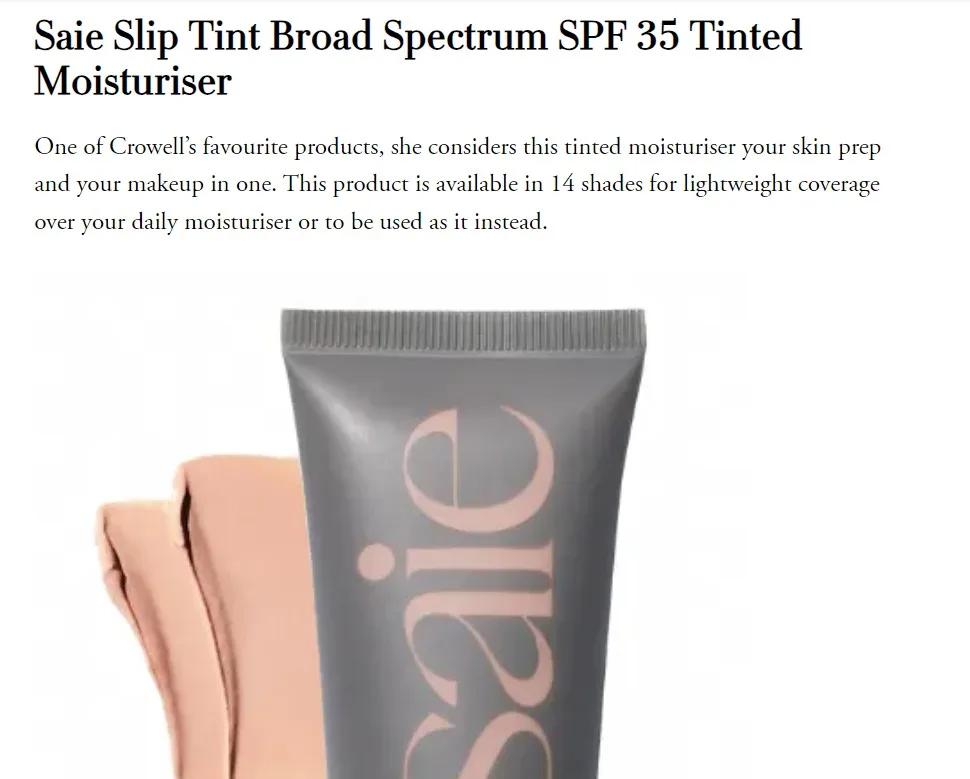
For example, Saie tinted moisturizer can be used as a serum, moisturizer, and primer all-in-one.
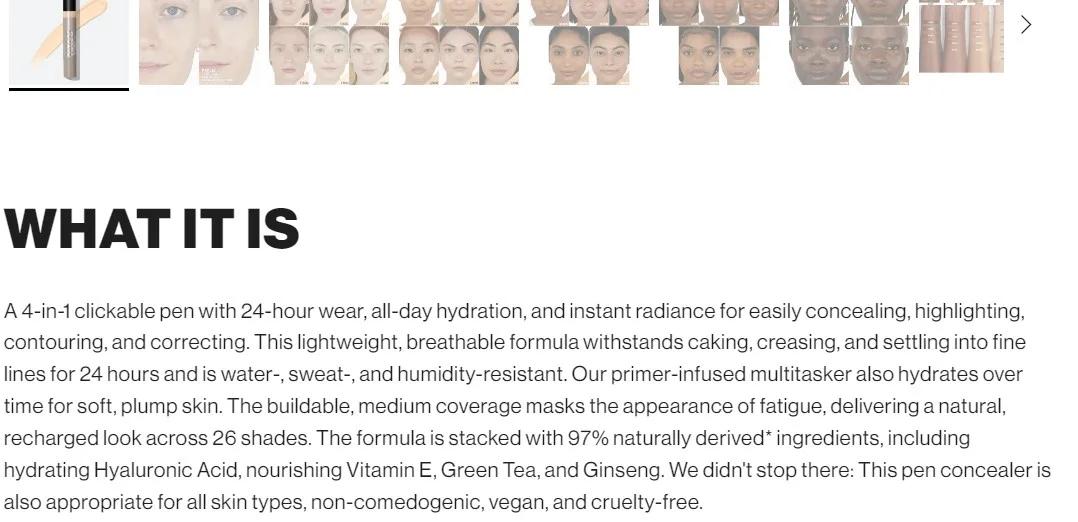
The Smashbox halo correcting pen can be used as a highlighter, concealer, corrector, and contour.
People are embracing the 5-product face and curating these minimal, edited kits for their makeup, too, rather than buckets of random products.
It's about investing in quality essentials that cover all your beauty bases without any excess.
Clean Beauty Movement (Most-Accepted Beauty and Wellness Marketing Trend)
Clean beauty's focus is on the use of non-toxic and safe ingredients.
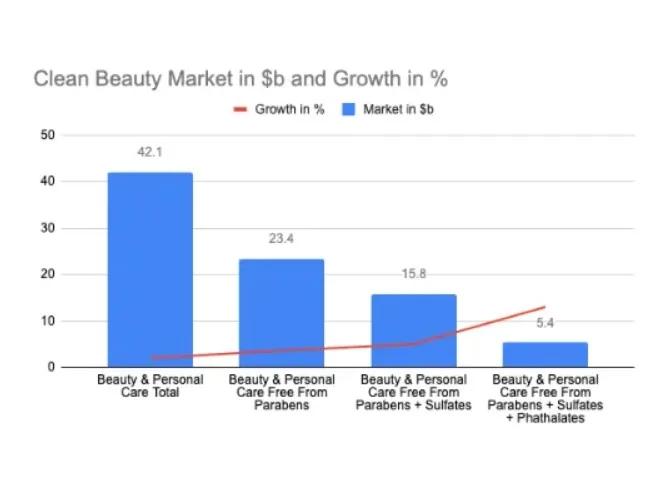
By 2024, the global market for clean beauty is projected to achieve a value of $22 billion.
There's been this huge push towards using more natural ingredients derived from plants and away from harsh synthetic chemicals, parabens, and sulfates.
66% of individuals aged 13-39 are inclined to purchase a personal care or beauty item with a "clean" label.
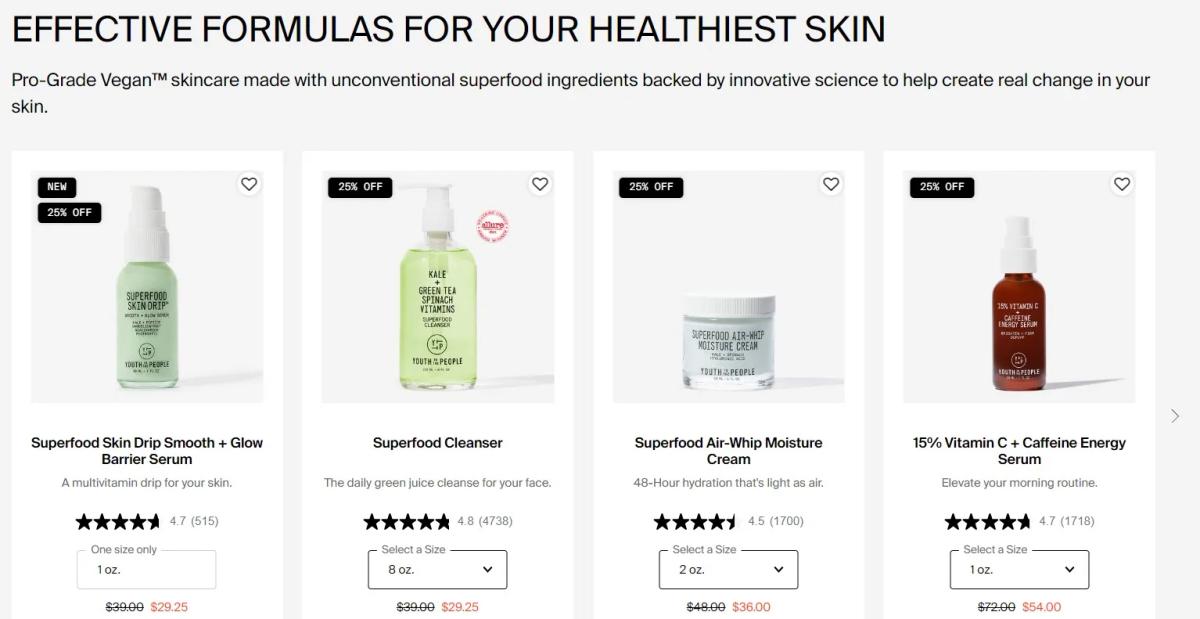
Smaller brands like Youth to the People have been real pioneers, creating formulas like their superfood antioxidant cleanser.
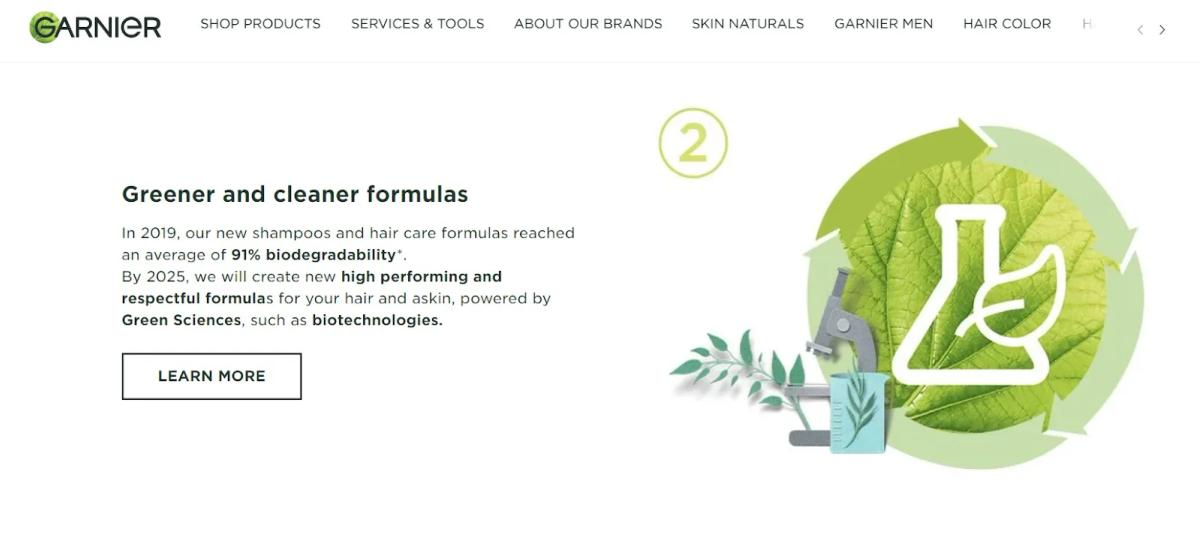
But now, even Garnier and other mainstream brands are coming out with entire natural ingredient product lines to follow in the clean beauty marketing trend footsteps.
Biotech Beauty Innovations (New Trend For Beauty and Skincare Companies)
The scientists are really taking things to a whole new level with advanced, lab-grown ingredients and bioengineered formulas.
It is projected that the biotech beauty ingredients market will increase to $3.01 billion by 2027, with a CAGR of 9.3%.
Instead of just sourcing natural ingredients the traditional way, they can actually bioengineer active compounds like vitamins and antioxidants at a molecular level.
Using fermentation methods and plant stem cell technologies. They can cultivate concentrated, supercharged versions of ingredients that supposedly pack way more potency.
That's what brands like Biossance are doing with their squalane. Instead of extracting it from sharks like conventional squalane, they bioengineer it using 100% plant-based sugars.
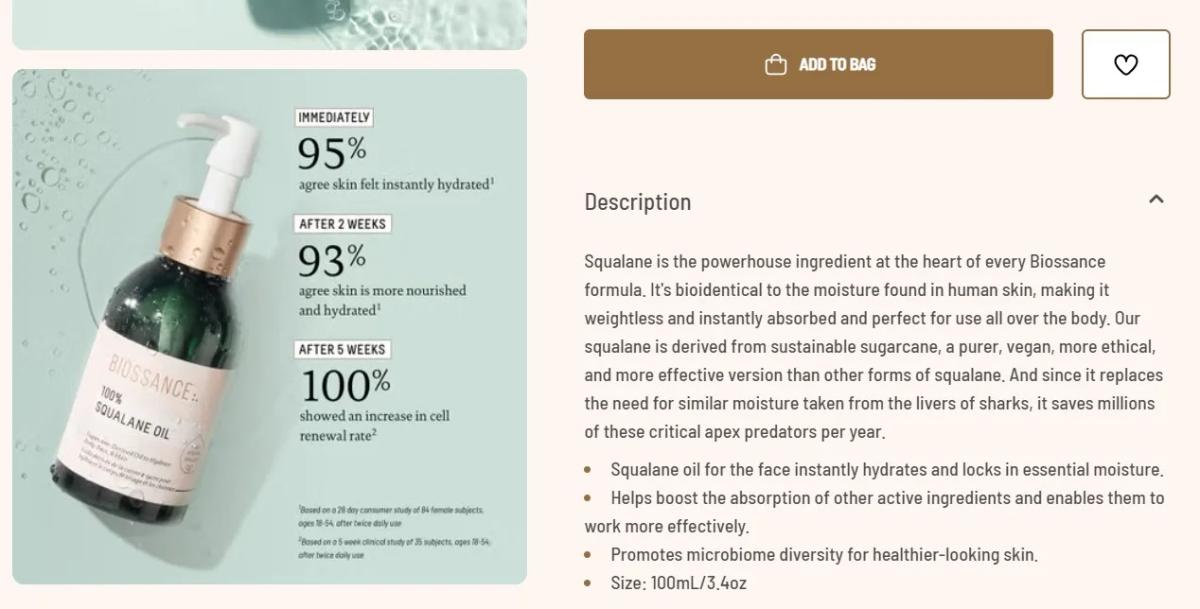
With that, they are marketing their products as clean products, too.
The result is this ultra-refined, sustainable version that's been a game changer in their glowy serums and hydrators.
Another brand utilizing biotechnology is EighteenB. They are developing their skincare products with silk protein technology.
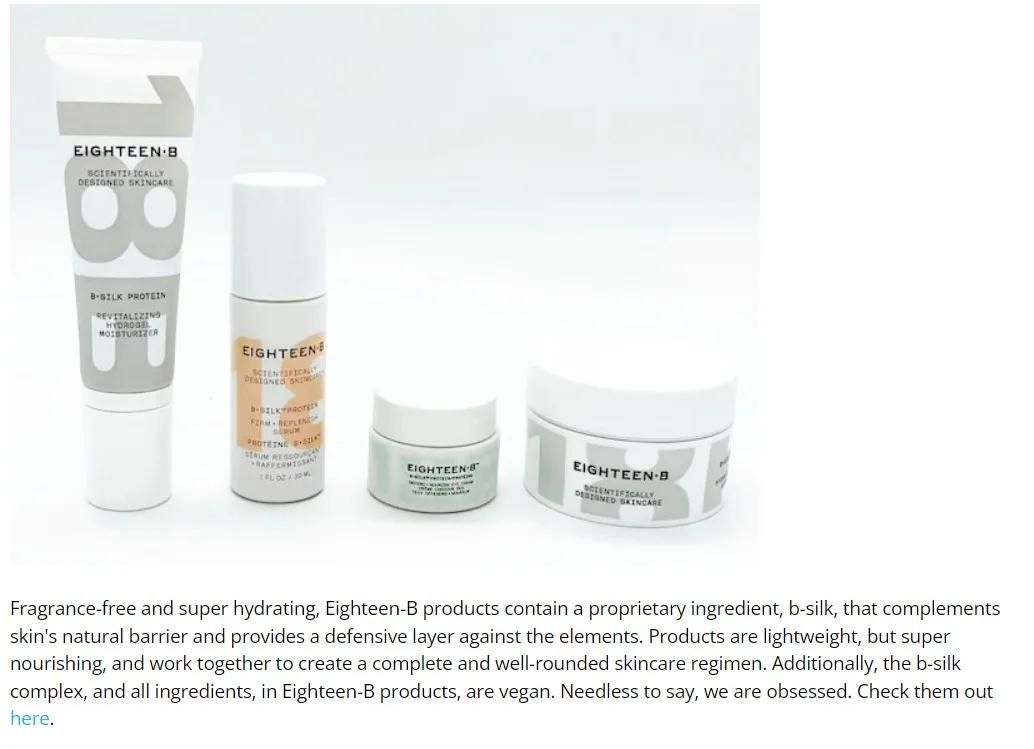
Between the lab-cultured ingredients and these molecular biohacking techniques, it's like an entirely new frontier for beauty products is opening up.
Social commerce in beauty: TikTok Shop, creator affiliates, and in-app checkout
U.S. social commerce will surpass $100 billion in 2026, reaching an estimated $100.99 billion and representing 7.2% of all U.S. ecommerce (eMarketer). For beauty brands, social platforms have become the primary discovery-to-purchase channel, fundamentally changing how consumers find and buy products. The old celebrity endorsement model has been replaced by a high-volume micro-creator affiliate system that drives content velocity and conversion.
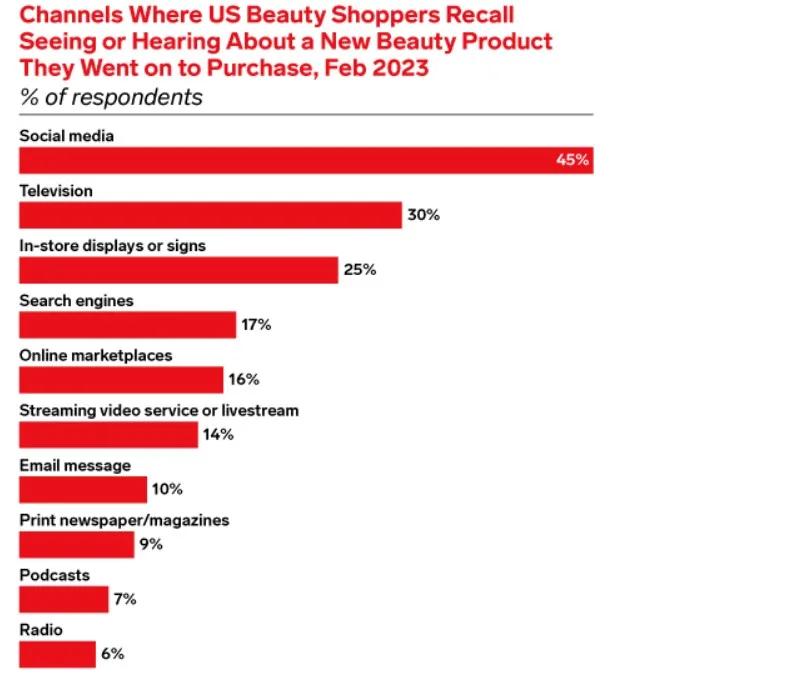
EMARKETER reported that TikTok Shop grew U.S. sales by 407% in 2024 and another 108% in 2025 to reach $15.82 billion, giving it 18.2% of U.S. social commerce with share expected to reach 24.1% by 2027. It also called out health, wellness, beauty, fashion, and cosmetics as top categories.
| Period | GMV (USD Billions) |
|---|---|
| 2023 | $0.5B |
| 2024 (US Beauty) | $1.34B |
| H1 2025 (Global) | $2.5B |
| 2025 Full Year (proj.) | $5B |
For beauty brands, the implication is clear: creator content, affiliate incentives, product seeding, live shopping, and landing-page retargeting need to be planned together. A TikTok video is no longer just top-of-funnel; it can become discovery, social proof, and checkout in the same session. See our TikTok marketing statistics report for the deeper platform data.
Instagram still matters for brand storytelling, creator partnerships, and visual merchandising, but it should not carry the whole social-commerce plan. The highest-performing beauty teams now split roles: TikTok for discovery and affiliate velocity, Instagram for brand world-building and retargeting, Pinterest/search for intent capture, and owned email/SMS for retention.
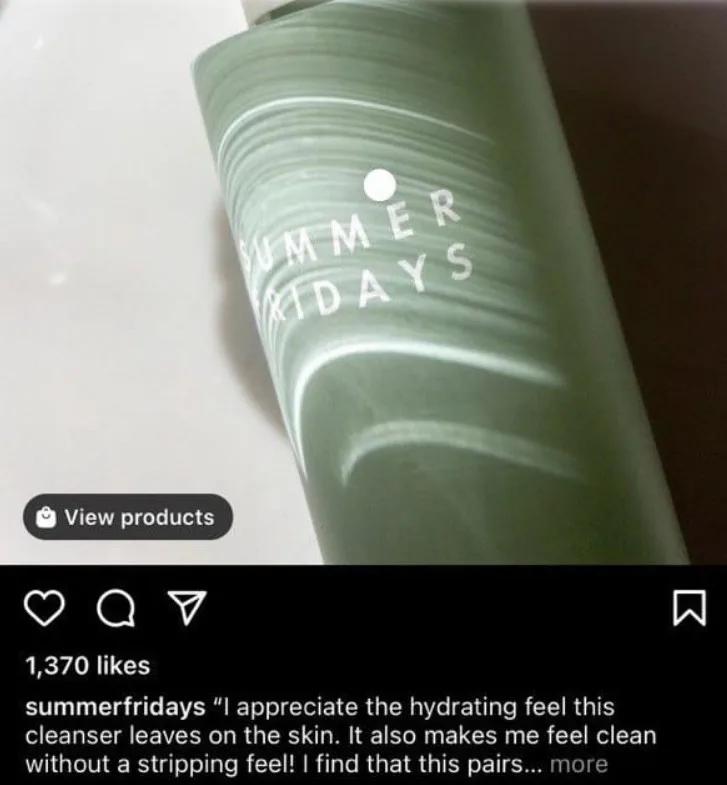
Pinterest delivers a 6.2:1 ROAS for ecommerce — 32% higher than other platforms (Nielsen/Pinterest). For beauty brands with highly visual products, Pinterest's intent-driven shopping behavior makes it one of the most efficient conversion channels available.
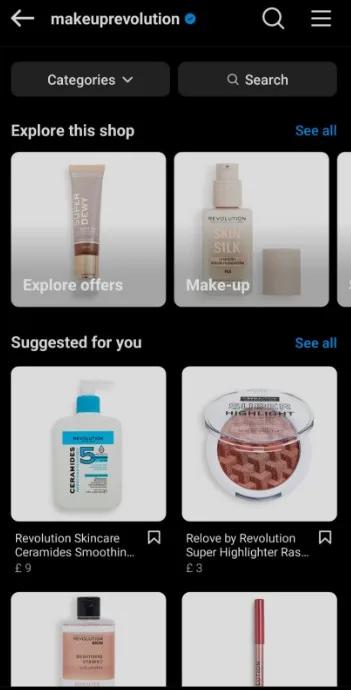
The affiliate model now drives the bulk of social commerce revenue. Leading brands like Tarte Cosmetics generate up to 88% of their TikTok Shop GMV through affiliates, with successful programs requiring minimums of 250+ pieces of content per month. This volume-first approach has replaced the old playbook of sporadic celebrity partnerships.
Live commerce is accelerating rapidly, with live shopping GMV projected to grow 42% in the U.S. in 2026. Longer streams of one hour or more significantly outperform shorter formats, as the TikTok algorithm rewards sustained engagement and viewer retention.
TikTok's GMV Max automated advertising system now consolidates all shopping ads into a single optimization engine, requiring high creative diversity — a minimum of 50+ video creatives — to function effectively. Beauty brands that master both organic creator content and paid amplification through GMV Max see the strongest results.
Social Commerce Platform Performance Benchmarks (2026)
| Platform | Conversion Rate | Growth Status |
|---|---|---|
| TikTok Shop | 4.7% | 87.3% Revenue Growth |
| 3.2% | 8.5% Revenue Growth | |
| YouTube Shopping | 2.4% | 12.1% Revenue Growth |
| Instagram Shopping | 2.1% | Growth slowed to 4.2% |
| Facebook Shops | 1.8% | Growth slowed to 4.2% |
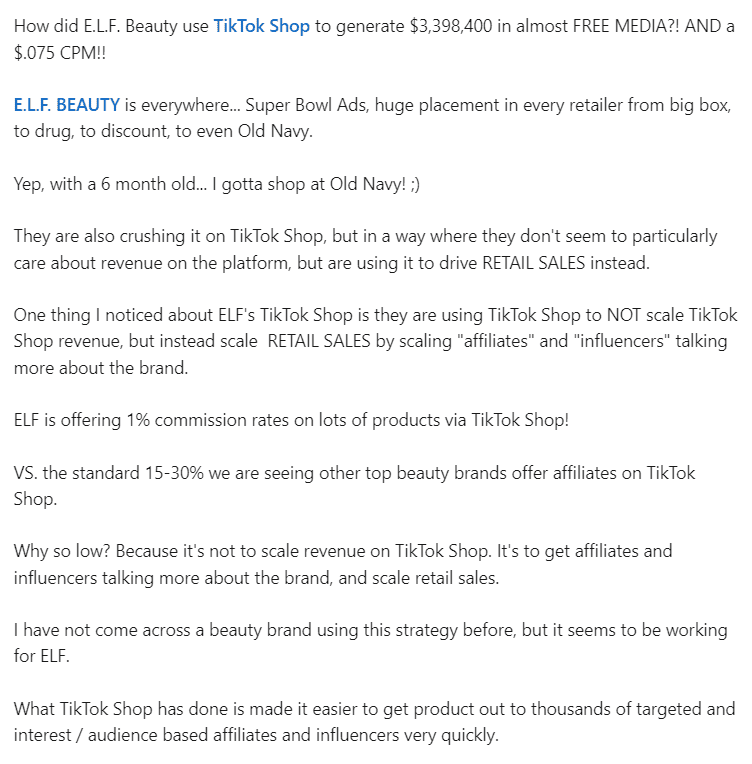
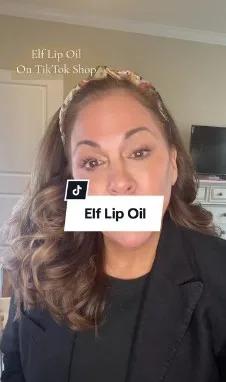
e.l.f. Cosmetics exemplifies the new social commerce playbook. They were among the first major beauty brands to fully activate TikTok Shop, combining high-volume creator partnerships with early adoption of every new platform shopping feature.
Their strategy across TikTok, Instagram, and their own channels demonstrates how social commerce success now requires a multi-platform approach with consistent content velocity and seamless shopping integration at every touchpoint.
The fundamental shift in 2026 is what marketers call "funnel collapse" — discovery and purchase now happen simultaneously on social platforms. A consumer can go from seeing a creator's video to completing a purchase without ever leaving the app, compressing what used to be a multi-day consideration journey into minutes.
User-generated content has become the gold standard for social proof: 79% of consumers say UGC impacts their buying decisions more than influencer posts. Forward-thinking beauty brands are responding with video-first product detail pages and shoppable UGC galleries on their own sites.
While social platforms drive discovery and first purchase, retention is shifting to owned channels. Brands are investing in shoppable WhatsApp and RCS (Rich Communication Services) to build direct relationships with customers after the initial social commerce conversion.
For beauty brands in 2026, the social commerce strategy is simple but operationally demanding: build a creator affiliate bench, track product-level content velocity, connect posts to shoppable inventory, and measure repeat purchases instead of celebrating views alone.
Age-inclusive Beauty Solutions (Fastest-Growing Beauty Marketing Trend)
Nearly 20% of American consumers and 25% of GenZ consumers believe they are excluded from beauty ads.
You are finally starting to see some changes as brands realize the unmet needs of older consumers.
Leveraging the beauty marketing trends, they are creating products and campaigns tailored specifically to more mature ages like Gen X, Boomers, and beyond.
86% of beauty product users seek authentic signs of aging in beauty/grooming advertisements.
Brands are not pushing the same anti-aging creams and hair dye coverups.
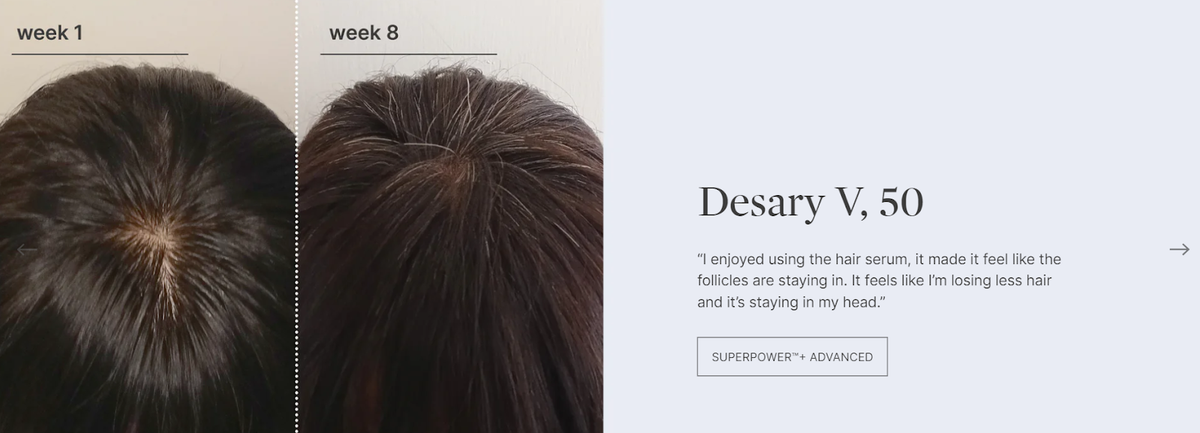
They are expanding into whole new categories celebrating the realities of getting older - gray hair enhancers, solutions for thinning hair, skin care for menopausal needs, and so much more.
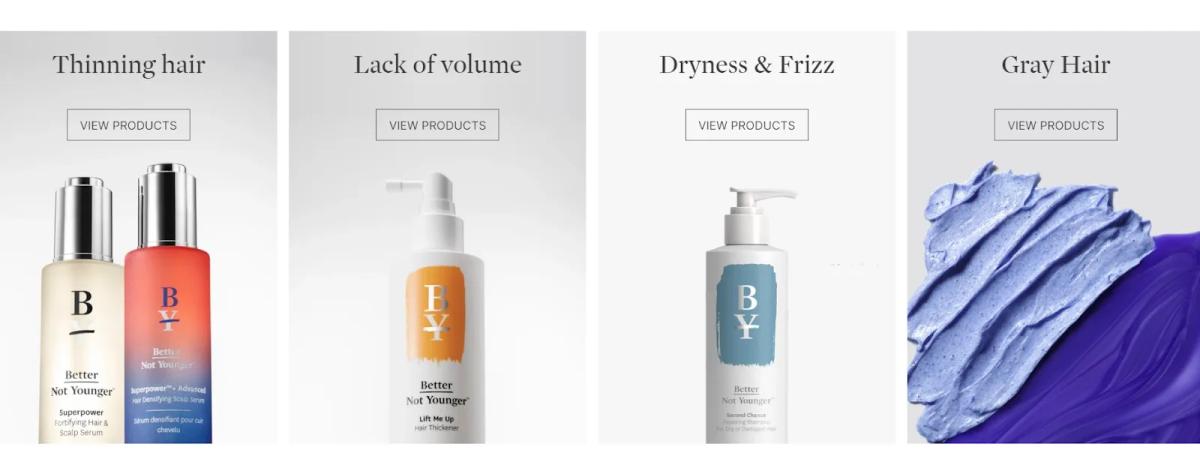
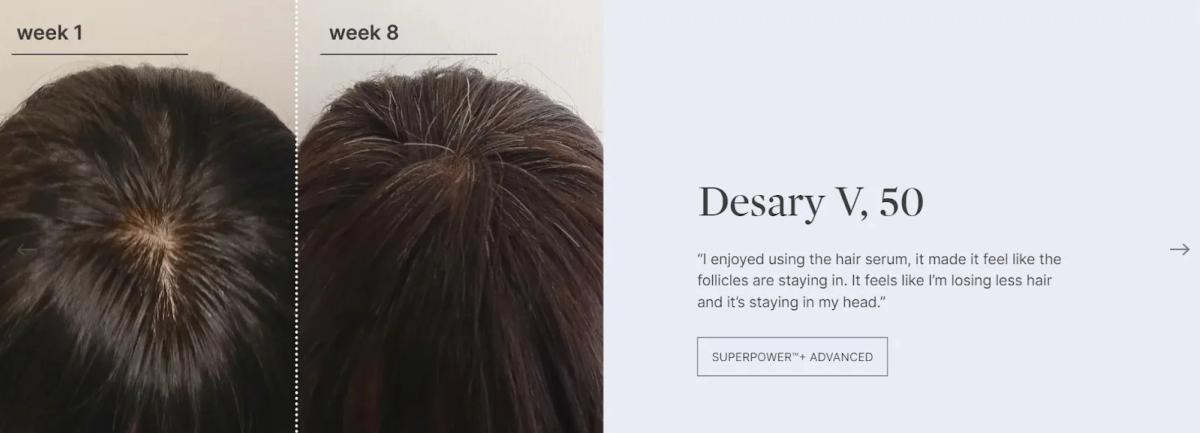
Just look at brands like Better Not Younger that are utilizing age-inclusive marketing strategies with targeted product lines.
The brand is leading the charge in promoting beauty made for women in their 40s, 50s, and beyond.
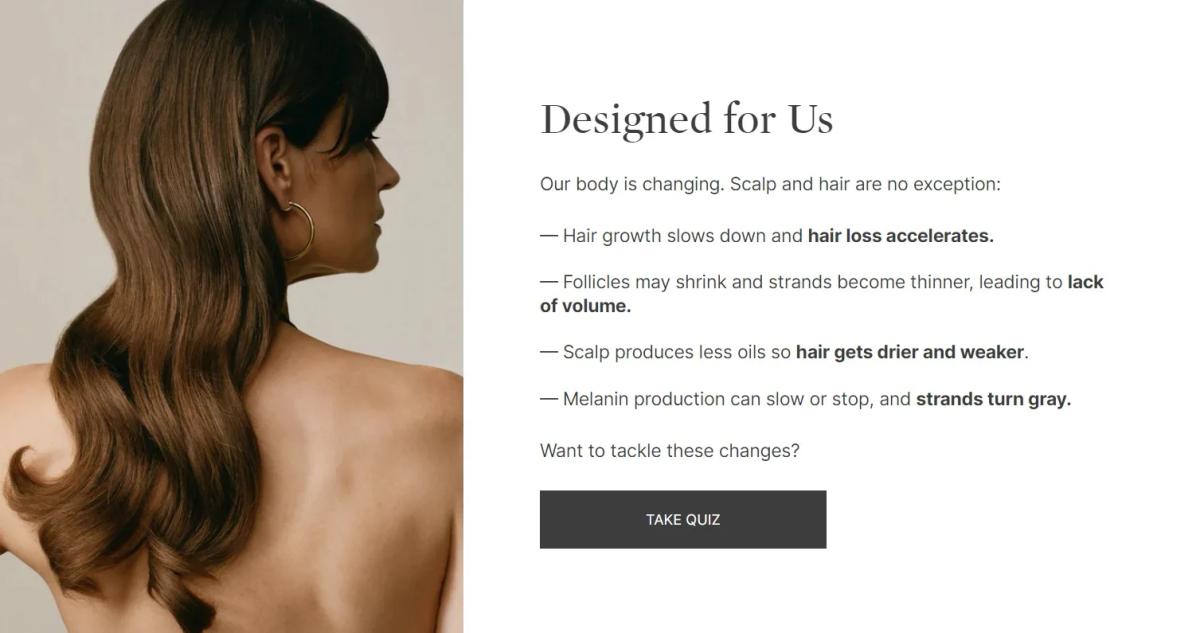
Their Hair Resurrection biomimetic formula is designed to revive aging hair from the inside out versus just slapping on another tint.
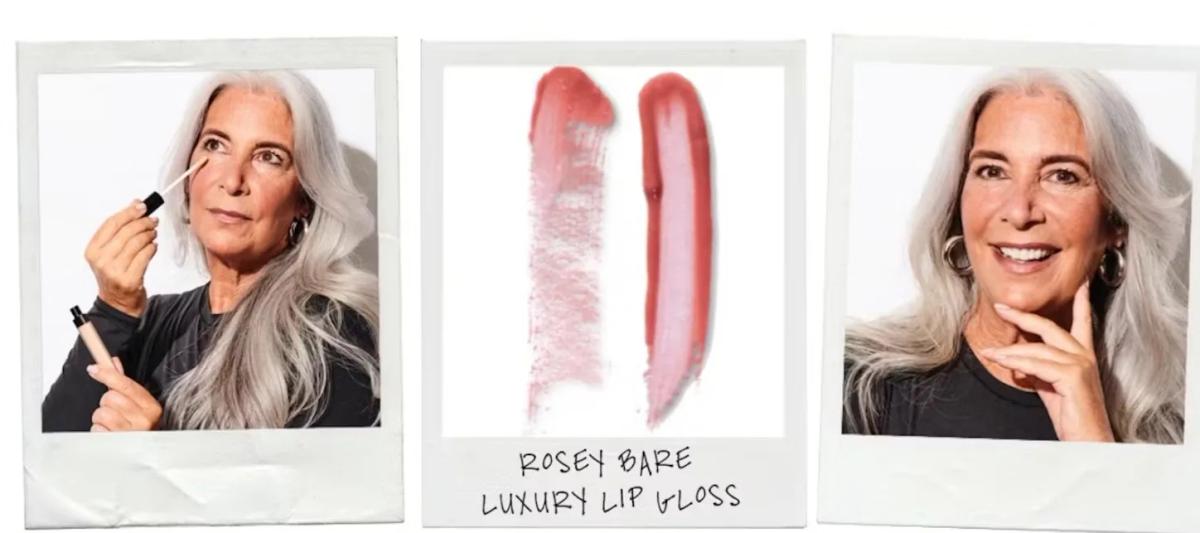
When it comes to makeup, there's Gee Beauty.
They brought a fresh new look to mature makeup by developing flattering shades, hydrating formulas, and tools specifically for boomer complexions and beyond.
Brands like Charlotte Tilbury are also widening their range.
They are developing menopause-friendly or age-enriched product lines tailored to the 40+ crowd.
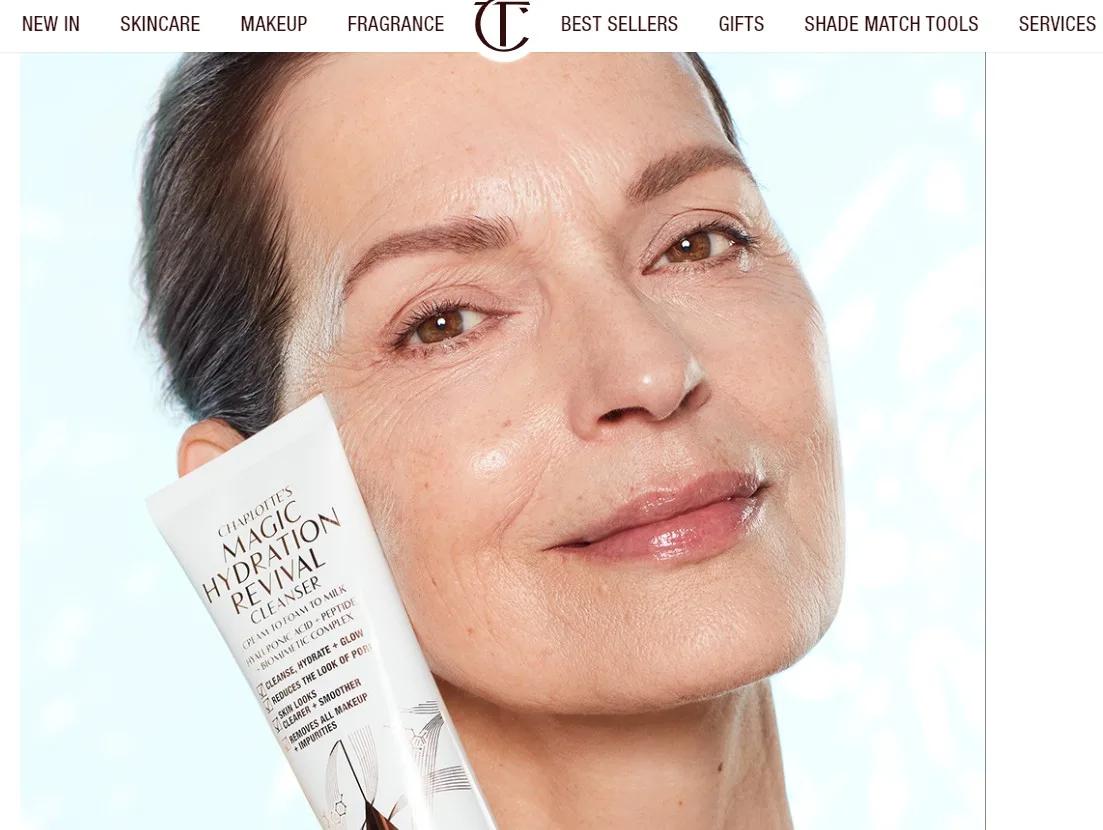
It's so refreshing to see their campaigns and messaging finally represent people across all life stages and ages, too.
We're also seeing beauty content creators and influencers proudly embracing their grays and wrinkles online and showing how to age beautifully.
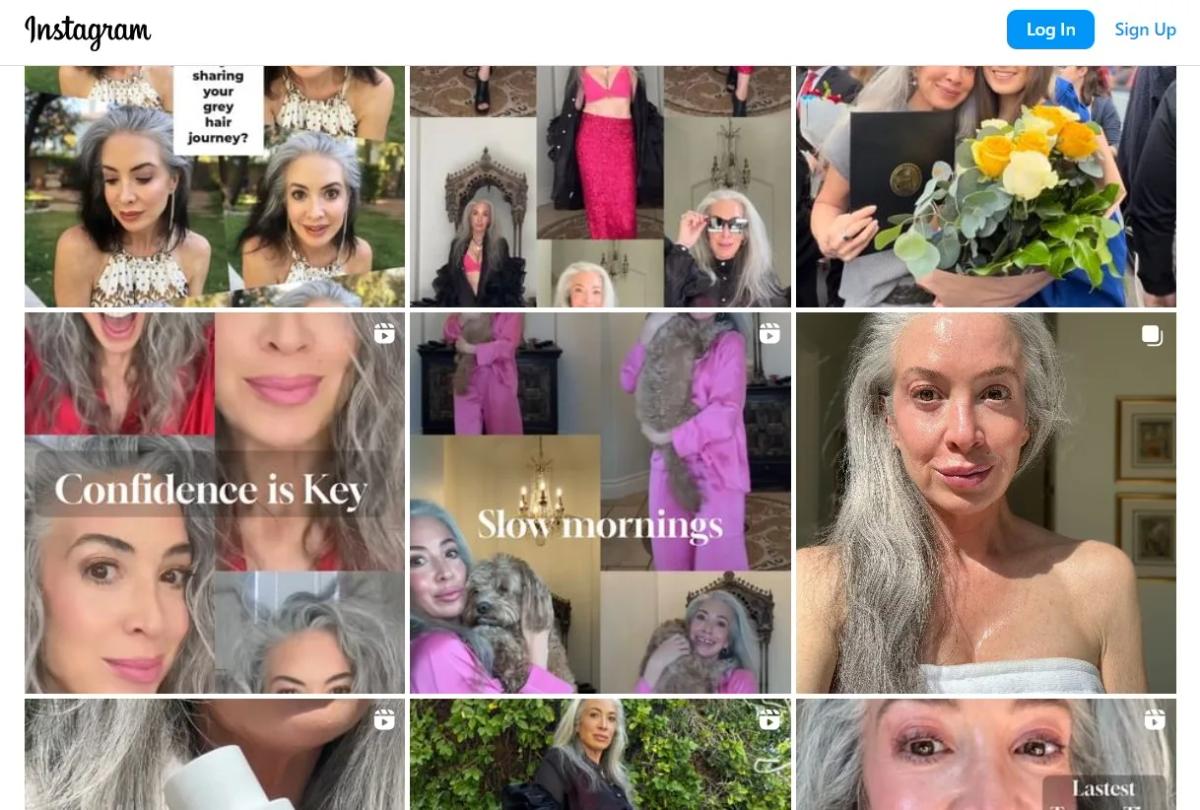
Brands are taking notice and working with these "gray-suaders" who are flipping the narrative on aging.
Tween Skincare Market (New-Age Beauty Trend Popular Among Teenagers)
Has anyone else noticed just how many tween and pre-teen girls have been flocking to the skincare aisles lately? You can definitely see it at Sephora and Ulta!
Almost 50% of tween girls are using skincare.
TikTok videos by North Kardashian West get millions of views, and the products she uses get all the hype on social media.
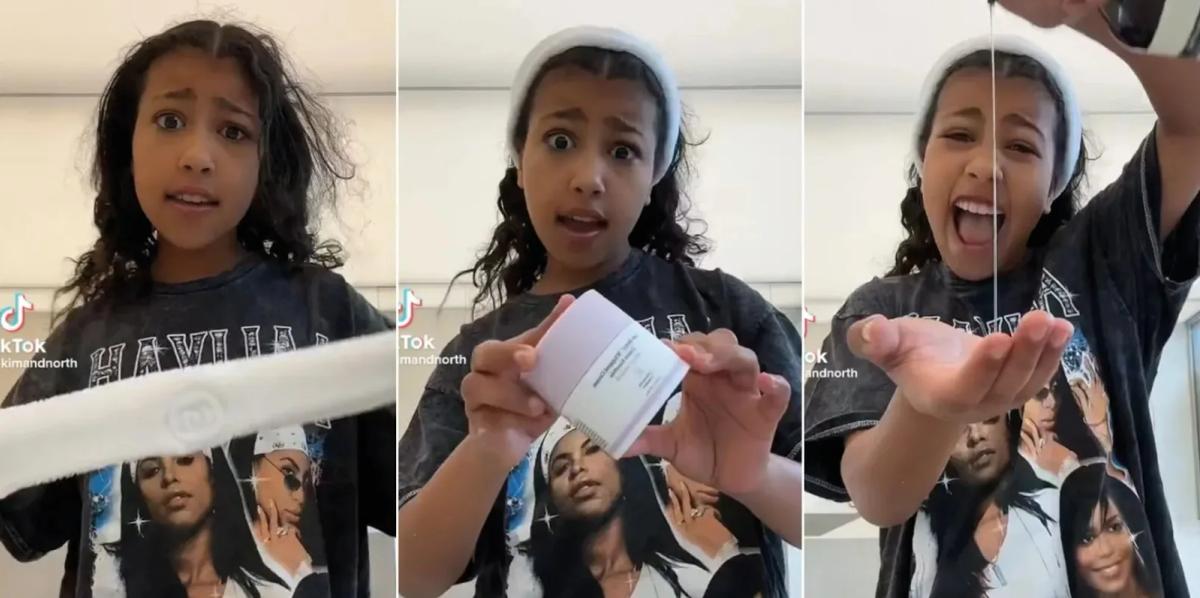
Due to the tween influencer product promotion, over 50% of kids aged 6 to 16 are interested in purchasing a product endorsed by an online content creator or influencer.
For so long, the youth skincare options, such as a basic cleanser and zit cream, were pretty lacking.
But brands have wisened up to the fact that young adolescent skin has its own very real, very specific needs as it's going through puberty.
When hitting up your local Sephora, you will see brands getting intentional about creating gentle, effective lines formulated for those delicate tween complexions.
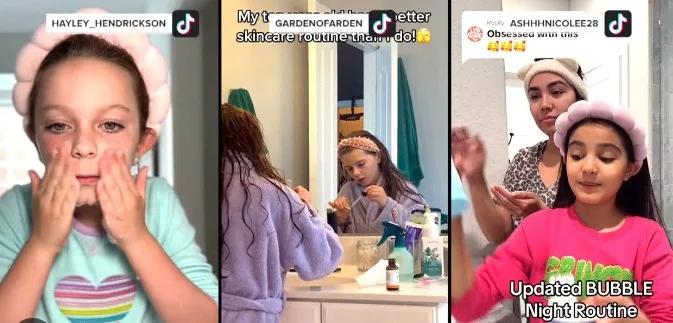
There are brands like No Nasties that are coming out with youth-centric brands to get into the tween market.
No Nasties launched a line, MeBeMe, and brought out an entire skincare range for tweens.
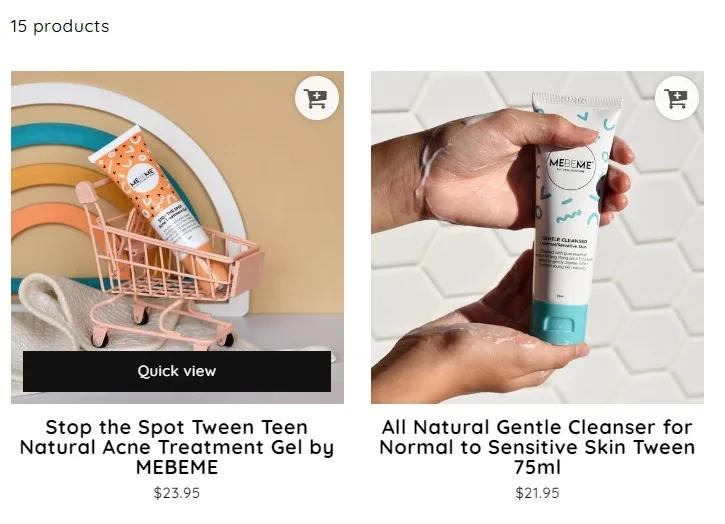
They offer clarifying, balancing formulas but without any of the harsh actives or fragrances that could be a lot for a youngster's skin.
Brands are encouraging young people to create positive habits and personally empowering routines from an early age.
The tween consumers may be young, but they've got buying power and skincare urgency.
Generative AI in beauty: personalization, virtual try-on, and content operations
By 2026, AI in beauty is less about one-off novelty tools and more about the infrastructure behind personalization, recommendations, virtual try-on, service, and content operations. Google Cloud’s Ulta Beauty profile notes that Ulta uses data, AI, and augmented reality across omnichannel retail, and that more than 95% of Ulta Beauty’s offline and online sales come from its active loyalty member base.
The AI in beauty and cosmetics market continues to grow rapidly, with applications spanning every stage of the value chain — from R&D and formulation to marketing and customer service. This isn't incremental improvement; it's a structural transformation of how beauty brands operate.
Consumer adoption is already mainstream: 73% of mobile device users have engaged with AI-powered beauty features, from virtual try-ons to skin analysis tools. The technology has evolved from simple AR overlays to intelligent simulations that account for 3D face-mapping, texture, and how products look under different lighting conditions — sunlight versus indoor lighting, for example.
Ulta Beauty is at the forefront of this transformation. Their partnership with Google Cloud powers the GLAMlab feature, which uses AI to reimagine how consumers discover and test products.
Using just a phone's camera, consumers can virtually try on thousands of lipstick, eyeshadow, and eyeliner shades. The AI seamlessly detects facial features using machine learning, applying hyper-realistic 3D makeup in real time that moves with expressions and adjusts to lighting.
Behind the scenes, machines scan and recreate the exact texture, finish, and color details of physical products in digital format — ensuring virtual try-ons are accurate enough to drive confident purchases without ever visiting a store.
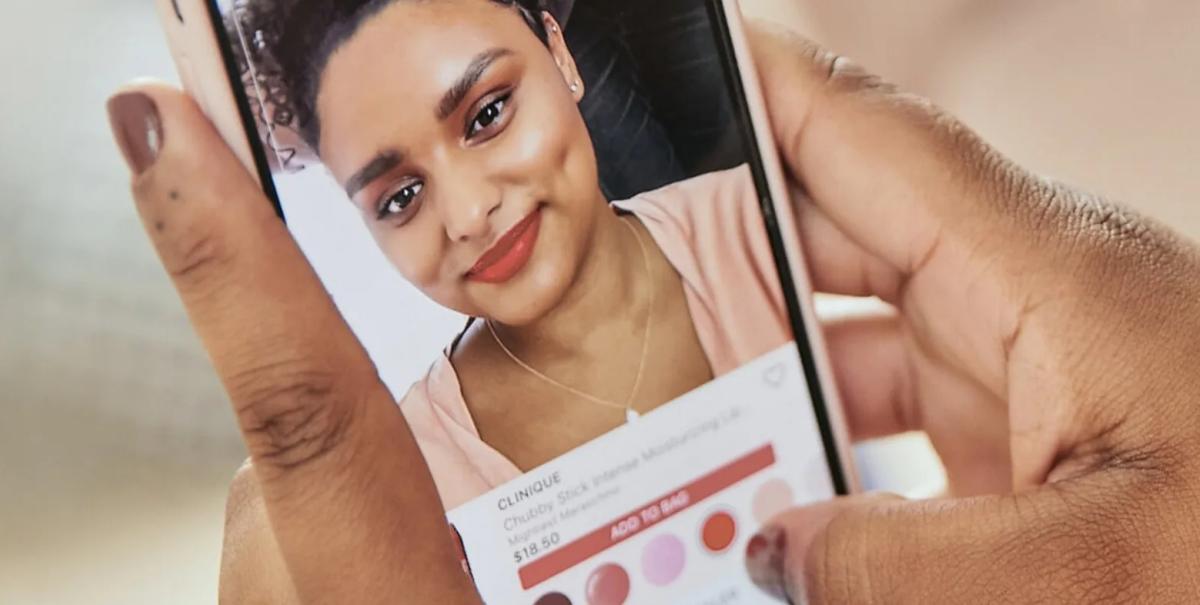
Source: Google Cloud / Ulta Beauty
Beyond try-ons, AI now powers "Ingredient Explainers" that decode over 60,000 cosmetic ingredients into plain language, bridging the gap between clinical science and consumer understanding. This ingredient intelligence is becoming a competitive differentiator as consumers demand transparency about what they're putting on their skin.
Personalized formulations represent another frontier. AI now analyzes climate, lifestyle, genetic, and skin data to create custom products in minutes rather than months. This shifts beauty from reactive ("find a product that fits") to predictive ("here's what your skin will need next week").
AI-powered chatbots on Instagram, WhatsApp, and brand websites now function as virtual beauty advisors, offering real-time, data-driven consultations. These aren't the clunky chatbots of a few years ago — they understand product combinations, ingredient interactions, and can guide nuanced purchase decisions.
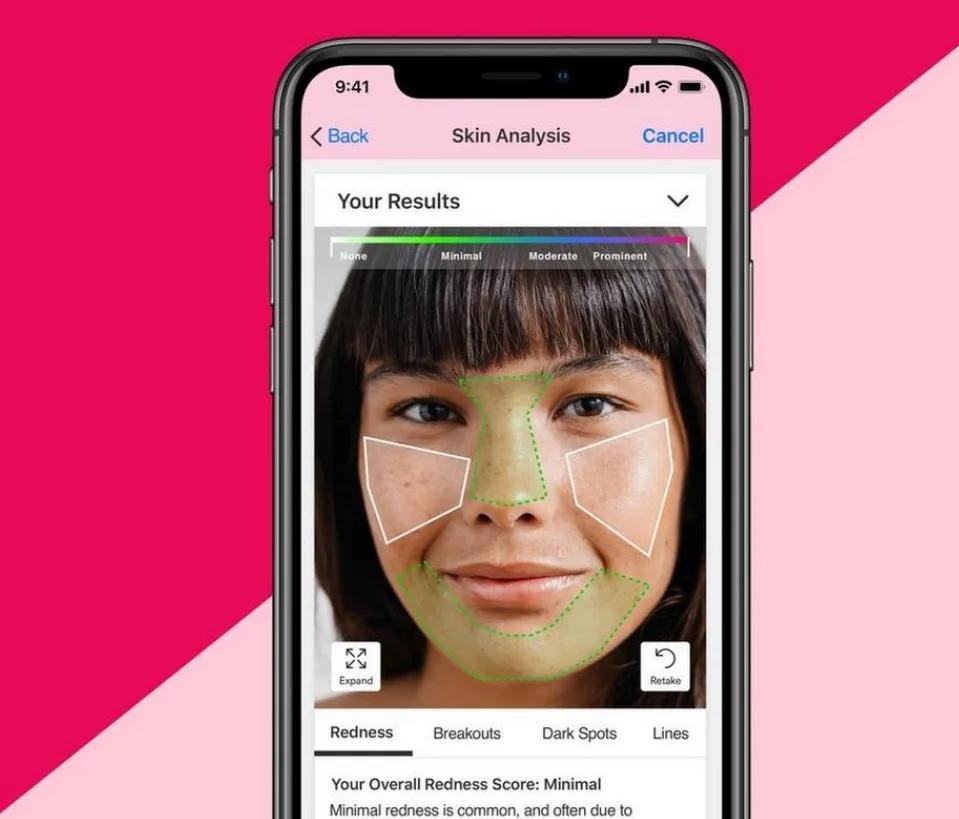
Source: Google Cloud / Ulta Beauty
The AI then analyzes skin data alongside product information to provide personalized recommendations and precise foundation shade matches. Consumers get AI-powered skincare analysis with tailored routine suggestions — the digital equivalent of a one-on-one consultation with an expert aesthetician.
Ulta has made significant investments in bringing AI startups like GlamST in-house and forging partnerships with cutting-edge companies working on AI personalization engines — a strategy that positions them well ahead of competitors still treating AI as an experiment rather than infrastructure.
The real opportunity is not “AI content” by itself; it is better customer matching. McKinsey’s personalization research has consistently shown that personalization can lift revenue and reduce wasted spend when brands connect data, messaging, and customer journeys. For beauty, that means shade matching, skin/hair quizzes, personalized bundles, replenishment reminders, and creator content mapped to specific concerns.
For beauty brands still evaluating their AI strategy, the message is clear: start with high-impact, consumer-facing applications like virtual try-on and personalized recommendations, then expand into predictive commerce, ingredient intelligence, and AI-driven product development.
Vegan beauty products: a mainstream category with 2026–2034 growth
Fortune Business Insights estimates the vegan cosmetics market at $20.48 billion in 2025, growing to $21.88 billion in 2026 and $37.43 billion by 2034. That makes vegan positioning a mainstream category strategy, not a niche claim.
You know that little "Vegan" symbol and claim is absolutely everywhere in the beauty aisles lately! It's like the new "It" factor that everybody wants a piece of.
85% of consumers regularly use cosmetics products that are both cruelty-free and vegan.
Earlier, vegan options in skincare, makeup, and haircare were very limited - usually just a few indie brands catering to that ethical consumer base.
But now that plant-based living has gone fully mainstream, we're seeing an explosion of bigger brands racing to meet the demand for animal-free beauty.
Getting cruelty-free and vegan certifications from organizations like PETA and Leaping Bunny is becoming so common, too.
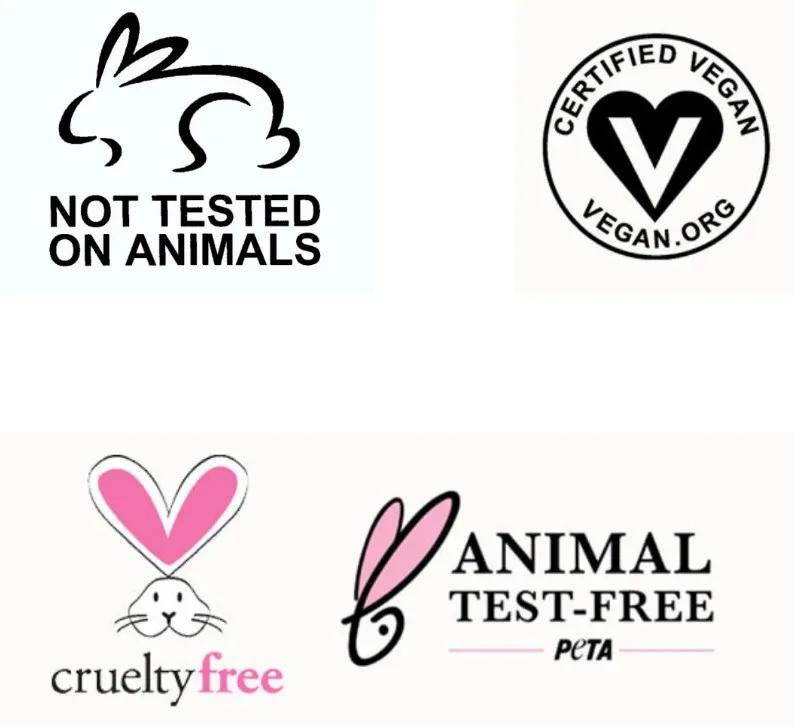
Consumers really want those reassurances that no animals were tested on and no animal-derived ingredients were used at all.
Just look at how many legacy brands have been scrambling to get their vegan cred in order.
Too Faced has completely overhauled to remove beeswax, lanolin, and any other animal ingredients from their makeup offerings.

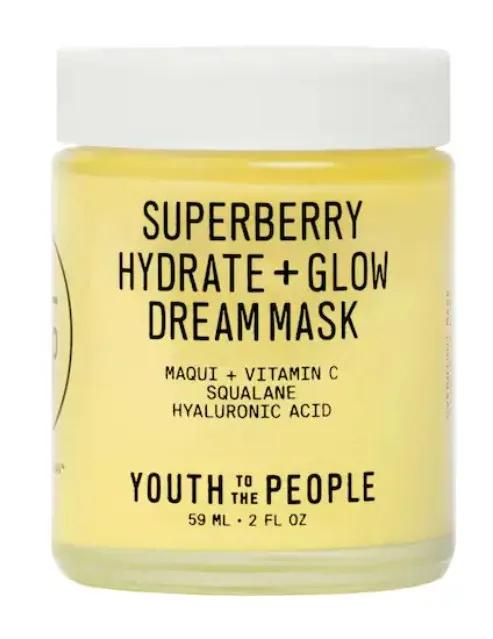
Youth to the People revolutionized vegan skincare by using creative plant-based substitutes for traditional ingredients.
Their Superberry Hydrate + Glow Dream Mask gets its luxe texture from vegan squalane and plant oils versus animal fats.
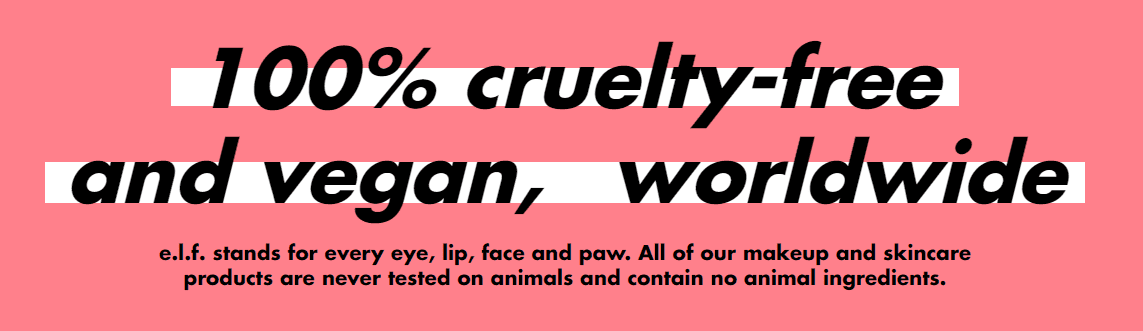
But now they're getting tons of new competition from brands like e.l.f. who recently went fully vegan and cruelty-free with their makeup collections.
Health and Wellness Integration
The wellness industry saw a successful end to the year, with revenue reaching $564.40 billion in 2022.
Going with the latest beauty marketing trends, skincare and makeup brands are taking a much more comprehensive, inside-out approach by highlighting the overall health aspects of their products and routines.
Operators building a fuller acquisition plan can use medical spa marketing benchmarks to connect pricing, local search, paid media, and retention strategy.
49% of individuals believe that beauty advertisements should promote positive self-esteem.
It starts with how many skincare brands are leaning into the functional food space - supplements and ingestibles designed to nourish your beauty from within.
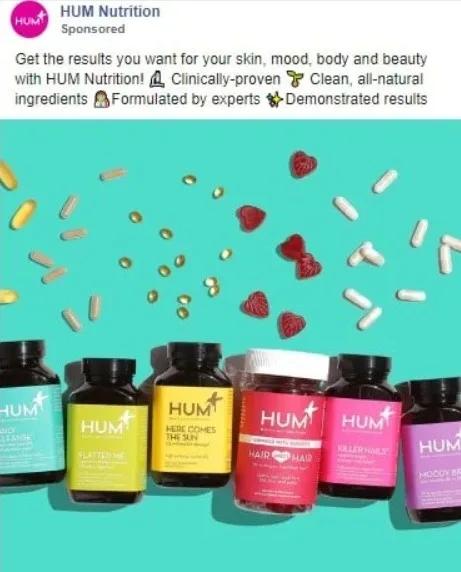
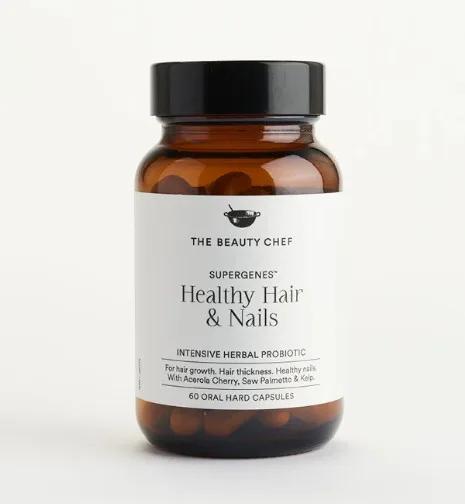
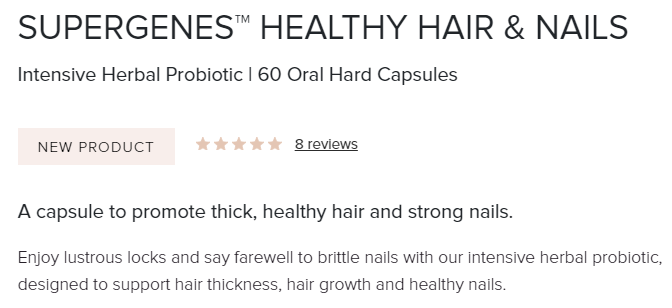
Brands like HUM Nutrition and The Beauty Chef have entire lines devoted to skin-feeding powders, gummies, and capsules packed with ingredients like collagen, probiotics, biotin, and antioxidants.
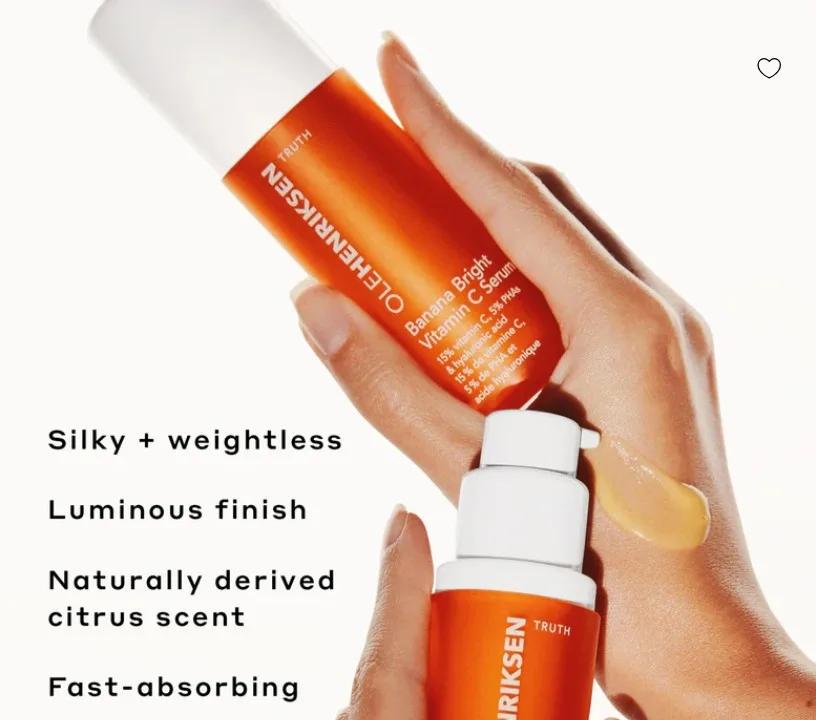
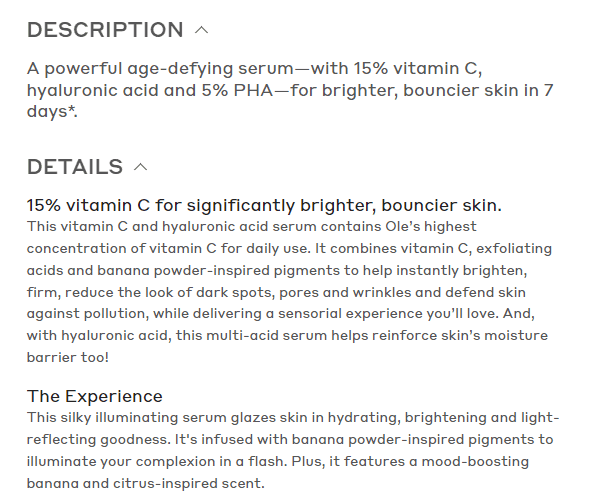
Even mainstream beauty giants like Ole Henriksen are on this beauty trend with their Brightening Banana Bright line infused with vitamin C and turmeric supplements.
You also see a huge wellness slant in the skincare formulations themselves, with brands prioritizing holistic, clean ingredient decks centered around botanicals and superfoods.
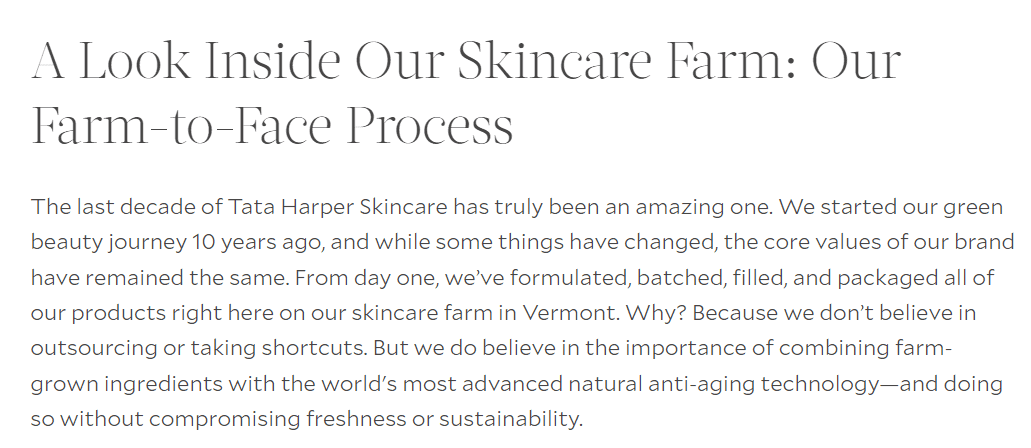
Tata Harper's entire farm-to-face philosophy prioritizes this wholesome, high-vibration approach to skincare.
Their science centers are located on their farms so that beauty chemists do not have to outsource the required products.
Makeup brands are encouraging wellness rituals and self-love practices as part of their application process and marketing.
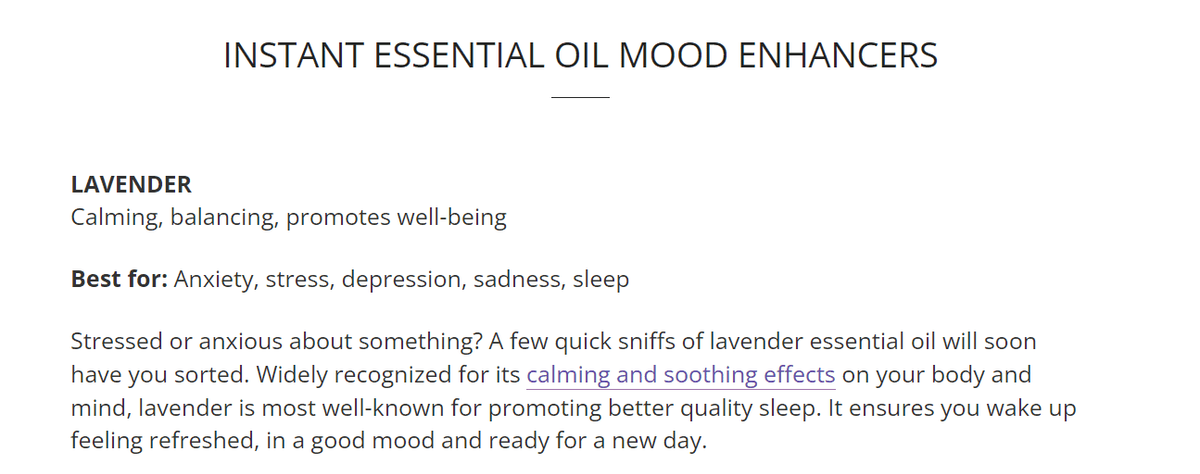
Perfume brands are exploring aromatherapy benefits and mood-boosting scents.
It feels like an intentional shift to position beauty as not something trivial but a whole lifestyle and mindset that nurtures yourself fully - body, mind, and soul.
Expert Influencers and User-Generated Content (The Trust Revolution in Beauty Marketing)
The influencer marketing playbook for beauty brands has fundamentally shifted in 2026. Traditional celebrity endorsements and glossy ad campaigns still exist, but the real performance is coming from expert creators and authentic user-generated content. If you're looking for inspiration, here are some beauty content marketing examples that demonstrate this shift in action.
The biggest shift is what Ogilvy calls the rise of the "authority creator" — professionals whose followers look to them for education and vetted advice, not just product recommendations. In skincare especially, the data is stark: peer-reviewed research shows 81% of consumers have "definite trust" in their dermatologist, compared to only 2% for social media influencers. When information from dermatologists and influencers conflicts, 97% trust the dermatologist. Influencer marketing remains widely used across the beauty industry, but the type of influencer that drives results has changed dramatically.
Campaigns featuring skincare influencers with dermatologist collaborations drive engagement rates up to 32% higher than non-expert creators (Amra and Elma). Consumers who follow dermatologist-authored content are more than 2x as likely to follow a structured skincare routine (Dermatology Times). This "trust premium" is the defining competitive advantage in beauty influencer marketing for 2026.
Skincare teams planning organic growth can use skincare SEO to align content, technical SEO, and product education around qualified demand.
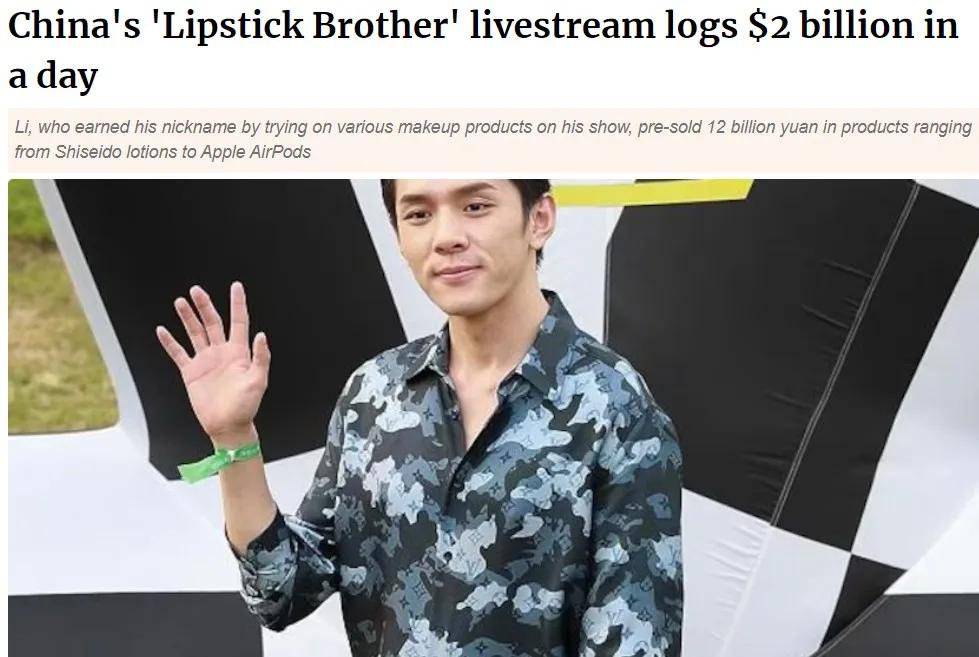
Live commerce continues to be a powerhouse for beauty influencer sales. China's Li Jiaqi, known as "Lipstick Brother," famously generated $2 billion in a single livestream day — and while that scale is still unique to the Chinese market, live selling on TikTok and Instagram is growing 42% year-over-year in the U.S., with beauty as the top-performing category.
The micro-influencer tier continues to outperform on engagement. On Instagram, micro-influencers (10K–100K followers) average 3.86% engagement versus 1.21% for mega-influencers. On TikTok, the gap is even wider: 7.5% for micro versus 5.67% for mega. This isn't just about engagement rates — 63% of brands now prefer sustained ambassador collaborations over one-off sponsored posts, and brand ambassador programs delivered the highest ROI of any influencer campaign type in 2025.
Brands have gotten strategic about building multi-tier influencer programs — expert dermatologists for credibility, micro-creators for engagement and volume, and brand ambassadors for ongoing storytelling. The celebrity mega-deal isn't dead, but it's been demoted to a brand awareness play rather than a conversion driver.
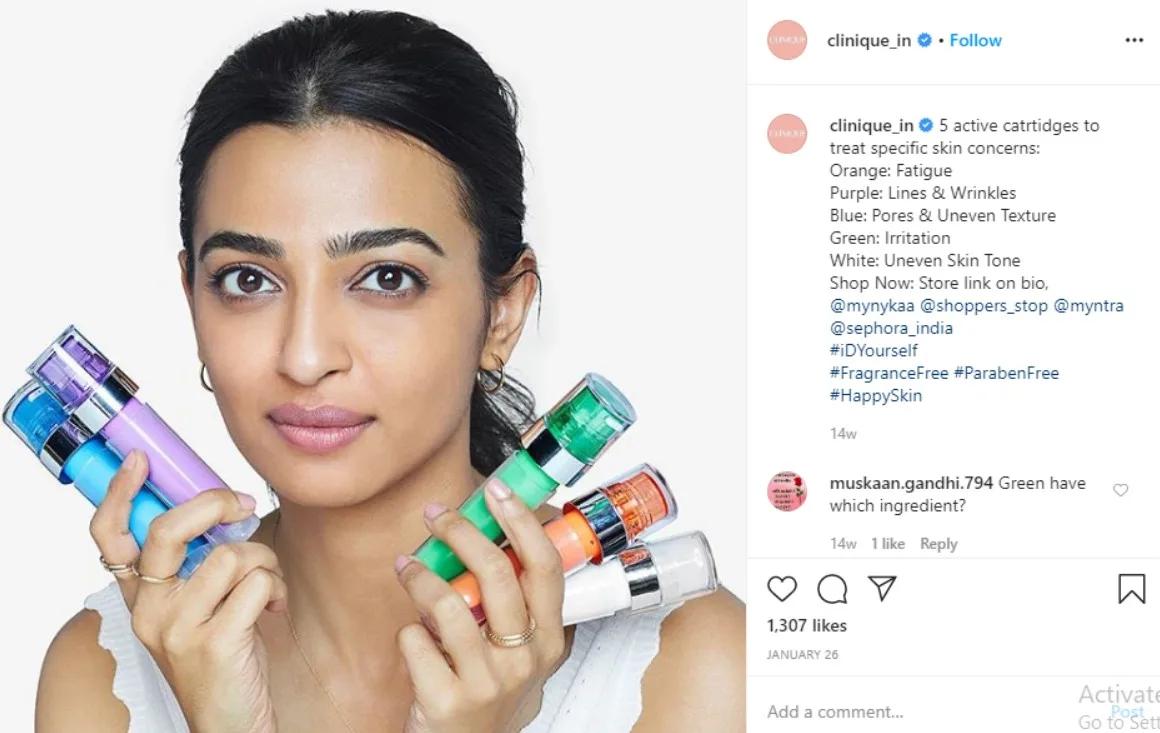
Clinique's influencer campaigns demonstrate how established beauty brands can adapt. Their inclusive influencer marketing approach tapped into diverse creators to spread the message of inclusivity — showing how all skin tones can use their product range. This diversity-first approach resonates strongly with Gen Z consumers, 58% of whom will unfollow a brand for inauthentic or "cringey" content.
Authenticity is now non-negotiable. 86% of consumers say it's important when deciding which brands to support, and 61% of Gen Z prefer user-generated content over traditional advertising. Brands that try to manufacture authenticity get punished quickly on social media — 20% of consumers deleted social apps in the past year as a backlash against content that felt inauthentic.
Source: Unbox Social — Top Influencer Marketing Campaigns
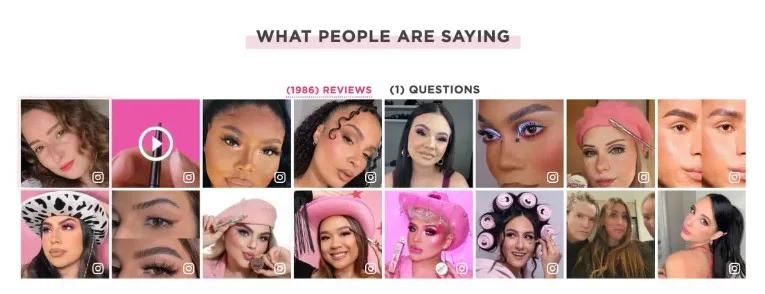
Glossier remains the gold standard for UGC-driven beauty marketing. They largely skipped traditional advertising to build their entire identity around the "Glossier Girl" community and user-generated content — a strategy that created a powerful word-of-mouth network effect where products feel accessible and friend-approved rather than brand-directed.
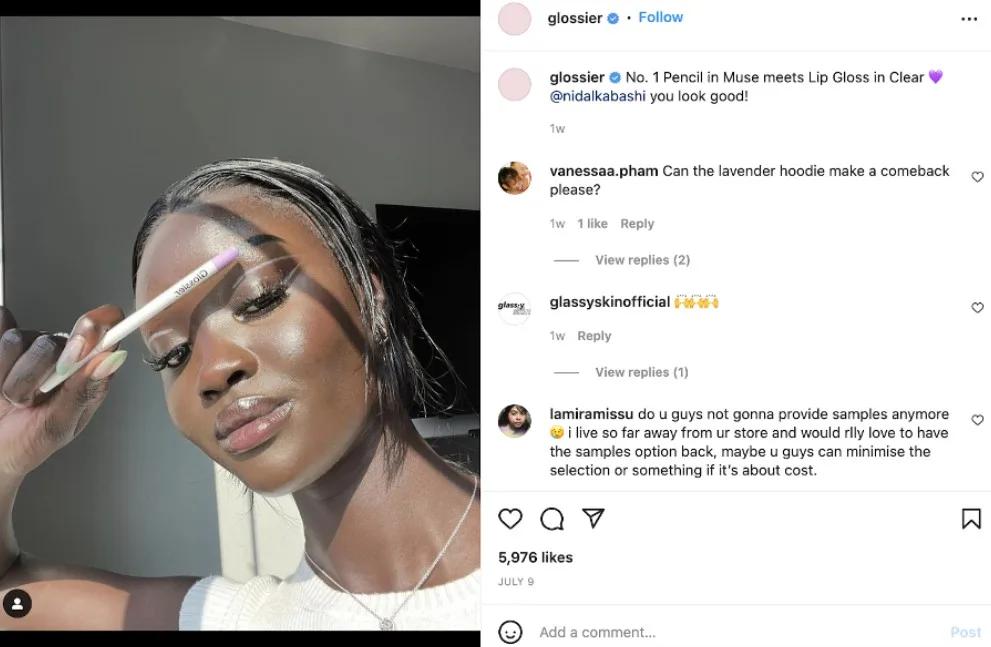
Source: Optimonk — Glossier Marketing Breakdown
The data backs this approach: 79% of consumers say user-generated content impacts their buying decisions more than influencer posts. Forward-thinking beauty brands are responding with video-first product detail pages and shoppable UGC galleries — turning customer content into their most powerful sales asset.
Legacy brands like Benefit have fully embraced social proof strategies, reposting customer reviews, selfies, and unboxing videos across their own channels. This user-driven social proof is more persuasive than any produced campaign.
The consumer shift from seeking "authenticity" to demanding "trust" is the defining narrative of 2026 beauty marketing. Trust requires clinical proof over "clean" buzzwords, transparent ingredient education, and partnerships with credentialed experts — not just relatable faces. Brands that bridge this trust gap will dominate.
For beauty brands building their 2026 influencer strategy: invest in dermatologist and expert partnerships for credibility, build a volume-based micro-creator program for engagement, incentivize UGC across every customer touchpoint, and measure trust metrics alongside traditional engagement and conversion KPIs.
Men’s beauty and grooming: the “manissance” keeps expanding
The male grooming market is undergoing what analysts are calling the "Manissance" — a cultural shift where self-care has replaced basic maintenance as the norm for men. The market is projected to reach $115.3 billion by 2028, making it one of the fastest-growing segments in beauty advertising and the broader industry.
Fortune Business Insights estimates the global men’s grooming products market at $64.63 billion in 2025, $67.70 billion in 2026, and $90.63 billion by 2034. For beauty marketers, men’s skincare, beard care, haircare, fragrance, and body-care messaging should be built as category-specific journeys, not repackaged women’s beauty creative.
The demographic drivers are clear: Gen Z men have embraced skincare as a foundational daily ritual, with 68% identifying as active skincare users. Millennials are close behind. For these generations, a multi-step skincare routine isn't seen as vanity — it's basic self-care on the same level as fitness or nutrition.
The market has expanded dramatically beyond beard trimmers and 2-in-1 shampoos. Men are investing in niche fragrances, sophisticated skincare regimens with serums and anti-aging treatments, and "tweakments" — cosmetic procedures like micro-needling and light therapy that were once considered exclusively feminine.
Inclusivity is driving this expansion: 79% of individuals believe the beauty industry should be more inclusive in its marketing (Mintel). For men specifically, this means products and marketing that speak to their needs without old-school clichés. Modern male beauty marketing is about efficacy, routine, and self-investment.
Brands like Bulldog Skincare have built loyal followings by creating straightforward, effective skincare specifically designed for men — without the condescending tone that plagued earlier men's grooming marketing.
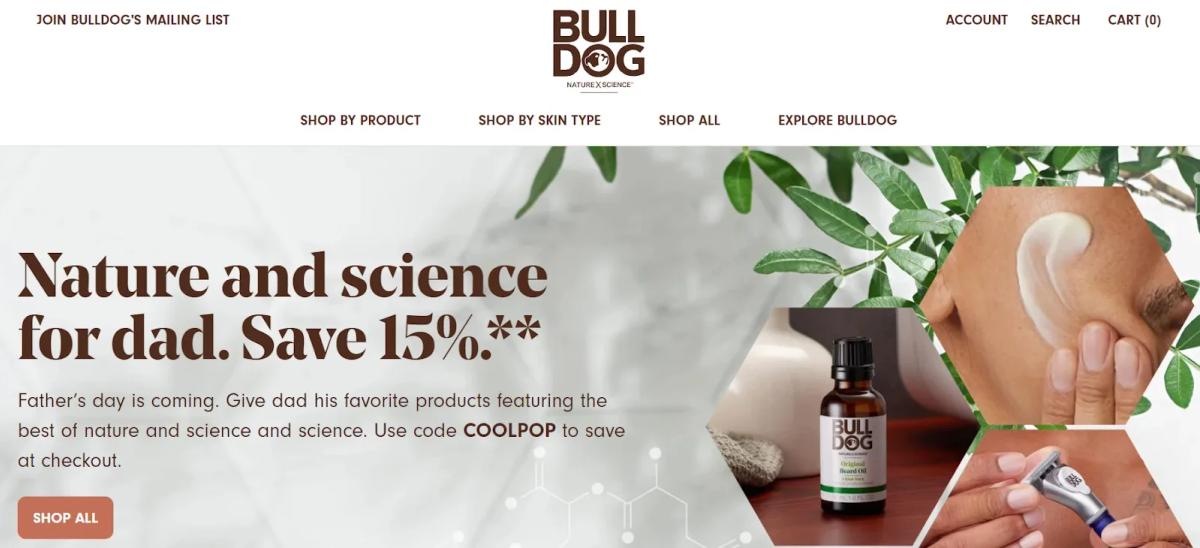
Male celebrities and influencers are accelerating the normalization of masculine beauty. Social media has created a space where men openly discuss skincare ingredients, compare moisturizers, and share routines — building a community-driven market that barely existed five years ago. In fragrance, genderless storytelling is replacing the "for him/for her" divide, with emotion-first categories like "sun-warmed skin" resonating with younger male consumers.
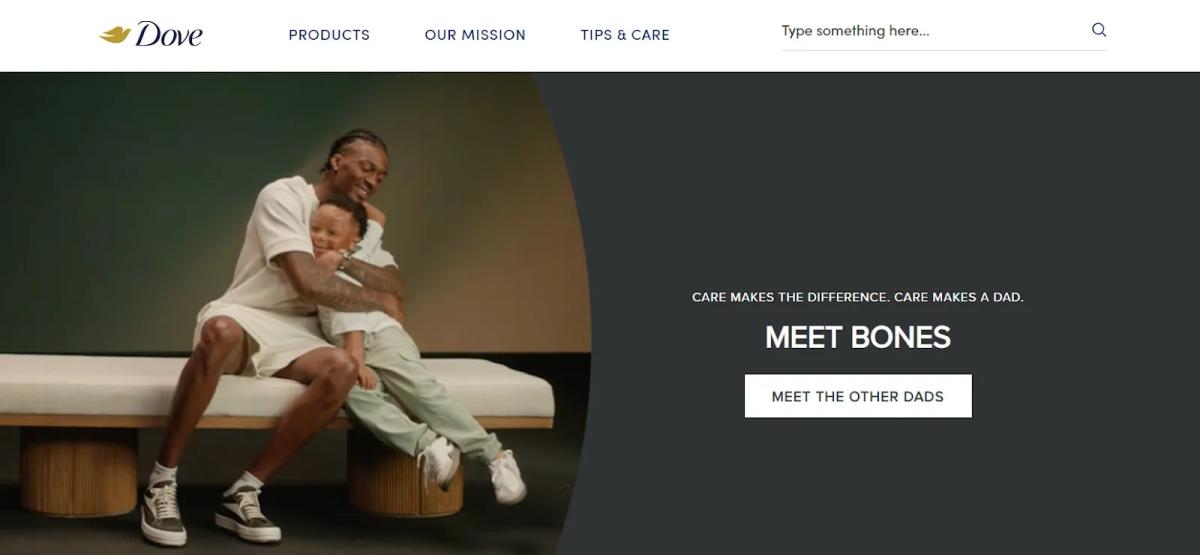
With the rising demand, Dove launched a comprehensive Men+Care line spanning face care, skin comfort, and grooming products. For beauty brands, the men's market represents one of the biggest untapped growth opportunities in the industry — one that rewards brands meeting men where they are with products delivering real results.
Conclusion
In recent years, the beauty industry has experienced a full revitalization due to new innovations, cultural changes, and evolving consumer preferences.
Observing how quickly brands have adapted to fulfill the current desires for sustainable, inclusive, personalized, and technology-driven beauty experiences has been truly remarkable.
The big 2026 takeaway: beauty marketing is moving from aesthetic trend-watching to proof-driven growth systems. Brands need social commerce operations, expert-backed content, AI-enabled personalization, community proof, inclusive creative, and credible sustainability claims working together — not as separate campaigns.
For brands evaluating outside support, our comparison of the best beauty marketing agencies reviews capabilities, fit, and relevant experience across skincare, cosmetics, haircare, and wellness.
Social media now serves as a lively shopping hub, and biotech advancements are expanding the limits of formulation capabilities.
Essentially, there has been a significant shift in the definition of beauty for 2024 and the future.
It's no longer only about appearance but about nurturing self-care, wellness, and ethical awareness from within.
Age-inclusivity and diversity are now being recognized and embraced as the standard rather than unique ideals.
Also see: Top influencer marketing statistics for 2026 — platform and demographic data for planning 2026 influencer programs.
Also see: Best beauty marketing campaigns of 2026 — researched examples from Dove, E.l.f., Sephora, Cetaphil, and Pandora that show these trends in action.
Frequently Asked Questions
The biggest beauty marketing trends in 2026 include AI-driven personalization (delivering 15–18% conversion lifts in beauty e-commerce), TikTok Shop dominance ($15.82B in US sales, with 79% from beauty products), dermatologist and expert influencer partnerships (81% consumer trust vs. 2% for generic influencers), sustainability as a purchase driver (74% of consumers prioritize organic ingredients), emotion-first branding over transformation messaging, and social commerce surpassing $100B in the US.
The global beauty and personal care market is projected at $677 billion in 2026 (Statista). Core beauty alone was valued at $441 billion in 2024 and is projected to reach $590 billion by 2030 (McKinsey). Skincare represents approximately 42–43% of the cosmetics market, the US accounts for roughly $110 billion, and men’s grooming is valued at $67.7 billion.
TikTok Shop is extremely effective for beauty brands. US sales reached $15.82 billion in 2025, growing 108% year-over-year. Beauty is the dominant category — 79.3% of US TikTok Shop sales are health and beauty products. Nearly 45% of TikTok consumers shop based on influencer recommendations, making it the highest-converting social commerce channel for beauty.
Yes — peer-reviewed research shows 81% of consumers have “definite trust” in their dermatologist compared to only 2% for social media influencers on skincare topics. When dermatologist and influencer information conflict, 97% trust the dermatologist. Campaigns featuring dermatologist collaborations drive 32% higher engagement rates. This “authority creator” model is identified by Ogilvy as the dominant influencer trend for 2026.
Tags
Let's Grow Your Brand With Us
Book a free consultation and get a custom growth strategy tailored to your business.
Book Free ConsultationGet marketing insights in your inbox
Join our newsletter for the latest digital marketing tips and strategies.
By subscribing, you agree to our Privacy policy .

About the author
Shreya S.Content Strategist at Brenton Way
Shreya S. is a Brenton Way content strategist specializing in ecommerce, consumer behavior, and programmatic advertising, translating market research into campaign-planning insights.


