Beauty Advertising: The Complete Marketing Guide For Skincare Brands and Beyond

TL;DR
Beauty advertising guide for cosmetic brands: Learn insider tips & tricks of beauty and skincare marketing to elevate your ROI. Beauty Marketing

Ask AI about this
Get an AI-powered summary of this article
Table of Contents
Beauty Ad: 14 Cosmetic Advertising Strategies for 2026
Beauty advertising in 2026 is dominated by short-form video and creator content. Instagram Reels and TikTok in-feed ads carry most paid budgets, while UGC-style creative consistently outperforms polished brand film on cost per acquisition. Below you'll find the ad formats that work, what they cost, and 14 strategies with campaign examples.
Beauty advertising should showcase the USP of your beauty products and should follow the latest skincare marketing trends.
The best cosmetic product commercials should be fun, informative, and product-focused.
Beauty advertising strategies help increase brand awareness, ensuring consumers know about the skincare brand and its offerings.
Teams studying creative performance can also review innovative ad campaigns to connect format testing with audience insight and campaign strategy.
Moreover, effective skincare marketing tactics highlight cosmetic products' unique features, benefits, and positioning, helping them stand out from other brands. The best beauty marketing campaigns do this consistently across every channel.
Let's understand the top cosmetic product ad strategies to help you build benefit-driven campaigns that convert browsers into buyers.
What is Cosmetics Advertising?
Beauty marketing promotes beauty products through various channels to attract buyers and drive sales.
The top platforms for skincare product marketing are:
- Social media platforms (Instagram, Facebook, TikTok)
- Beauty influencers and bloggers
- Television advertisements
- Print media (magazines, newspapers)
- Online retail websites
- In-store displays and promotions
- Beauty events and sponsorships
- Collaboration with makeup artists
- Brand websites and online content
- Search engines (Google, Bing)
- Pay-per-click (PPC) advertising
Key factors of effective beauty advertising are:
- Visual appeal
- Celebrity endorsements
- Product efficacy claims
- Social media presence
- Trend alignment
- Inclusivity and diversity
- Packaging aesthetics
- Limited-time promotions
- Influencer collaborations
- User-generated content
Why is Cosmetics Advertising Important For Beauty Brands?
Beauty and makeup marketing offers the following benefits:
- Enhances market visibility with captivating makeup ads.
- Builds brand awareness through strategic advertising.
- Drives product promotion to boost consumer interest.
- Fosters meaningful consumer engagement with compelling ads.
- Achieves a sales boost through effective advertising campaigns.
- Capitalizes on current beauty trends for market relevance.
- Cultivates brand loyalty through consistent advertising efforts.
- Leverages influencer partnerships for wider audience reach.
- Harnesses the power of social media for impactful campaigns.
- Introduces new products successfully through targeted ads.
- Establishes a lasting brand presence with memorable advertising.
Also See: Skin Care Market Size, Consumer Trends and Forecast: Top Stats
History of Cosmetic Product Advertisements
Ancient Civilizations
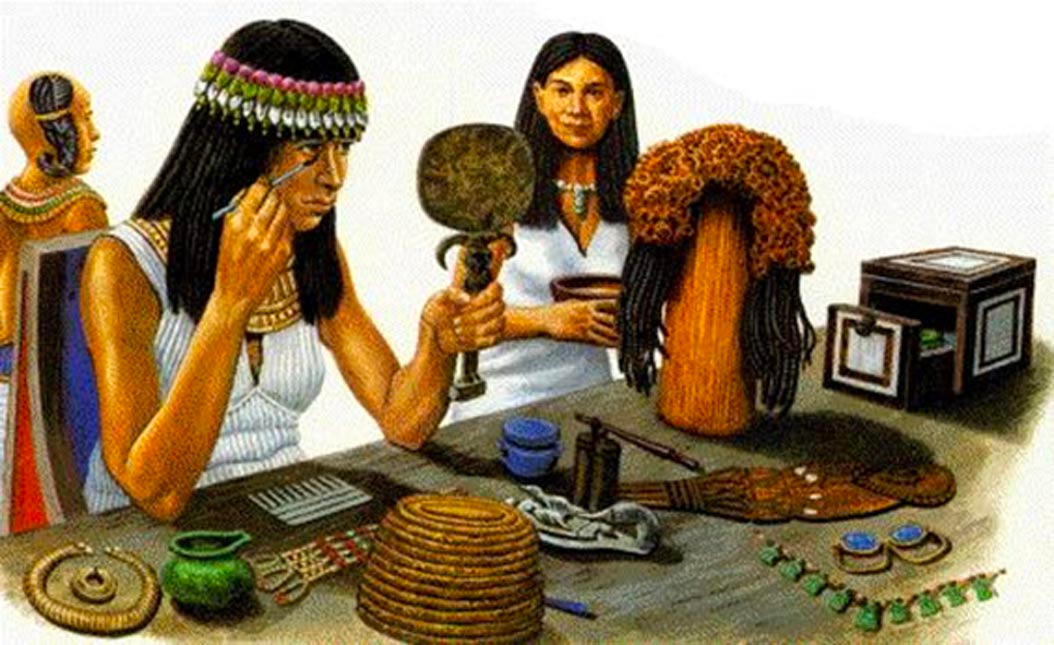
Early forms of cosmetics marketing can be traced back to historical civilizations, including Egypt, Greece, and Rome.
In those societies, cosmetics were often related to reputation, ritual, and religious practices.
Advertisements were communicated through word-of-mouth, visible shows, and occasionally written testimonials on the efficacy of high-quality beauty merchandise.
Medieval and Renaissance Europe
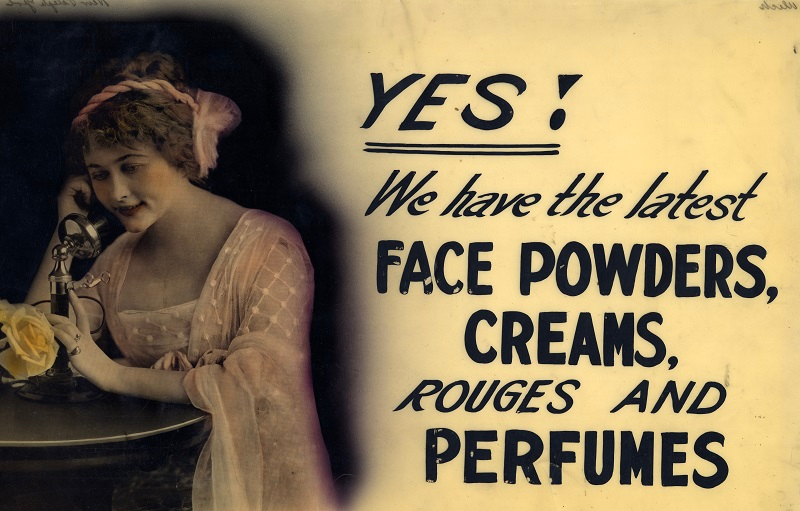
During the Middle Ages and Renaissance, cosmetics advertising continued to be influenced by cultural and religious beliefs.
The use of cosmetics became now and again arguable, with some religious governments condemning their use.
However, cosmetics continued to be marketed through personal guidelines, demonstrations by traveling buyers, and illustrations in books and manuscripts.
Industrial Revolution
The Industrial Revolution provided major improvements in manufacturing and transportation, essential to the mass production and distribution of makeup products.
Cosmetics advertising during this era relied heavily on print media, including newspapers, magazines, and posters.
Beauty brands started to apply persuasive language and imagery to attract consumers, emphasizing the advantages of their products.
Also See: Best Skincare and Beauty Content Marketing Examples
Twentieth Century
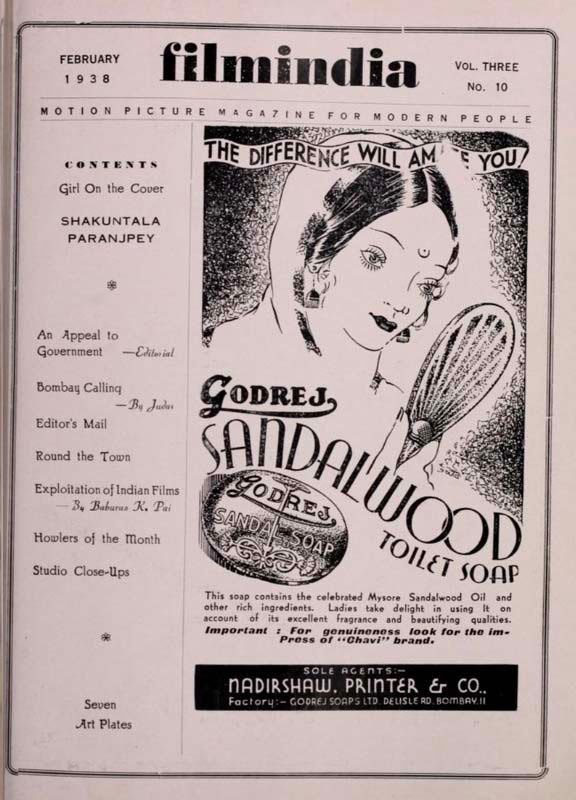
In the 20th century, there was a dramatic transformation in cosmetics advertising, with the rise of mass media, which included radio, television, and cinema.
Beauty product manufacturers capitalized on these new systems to reach wider audiences and showcase their cosmetics through advertisements, sponsored applications, and movie star endorsements. Iconic slogans, jingles, and visible imagery emerged as synonymous with makeup advertising.
Late 20th Century to Present
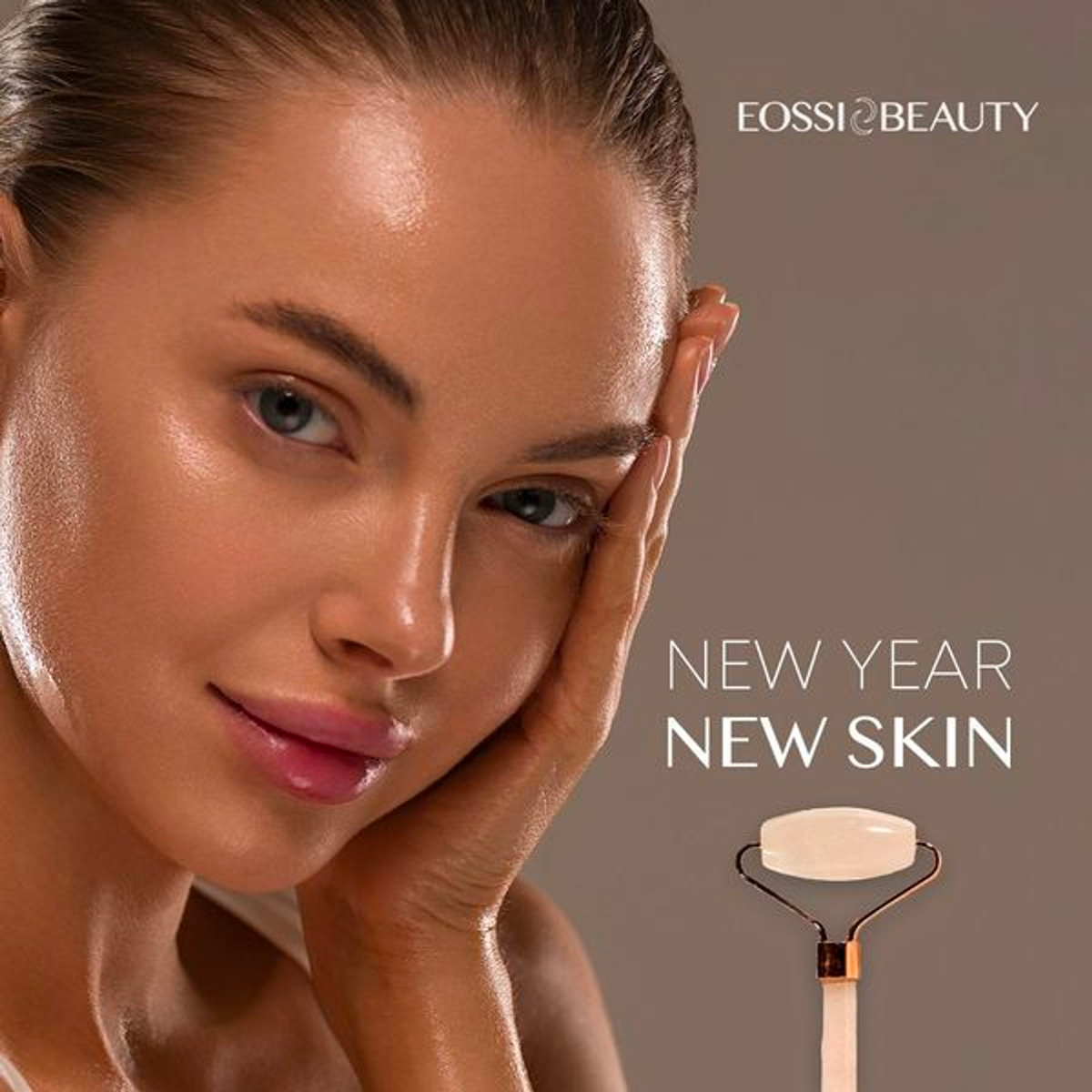
In the latter half of the 20th century, cosmetics advertising witnessed similar improvements, along with the advent of color printing, digital images, and computer-generated imagery.
Brands commenced diversifying their marketing and advertising techniques, incorporating product placements in films, collaborations with celebrities and influencers, and interactive digital campaigns on the internet and social media platforms.
Best Ad Formats for Beauty Products on Instagram and TikTok
Instagram Ad Formats for Beauty Brands
1. Reels Ads
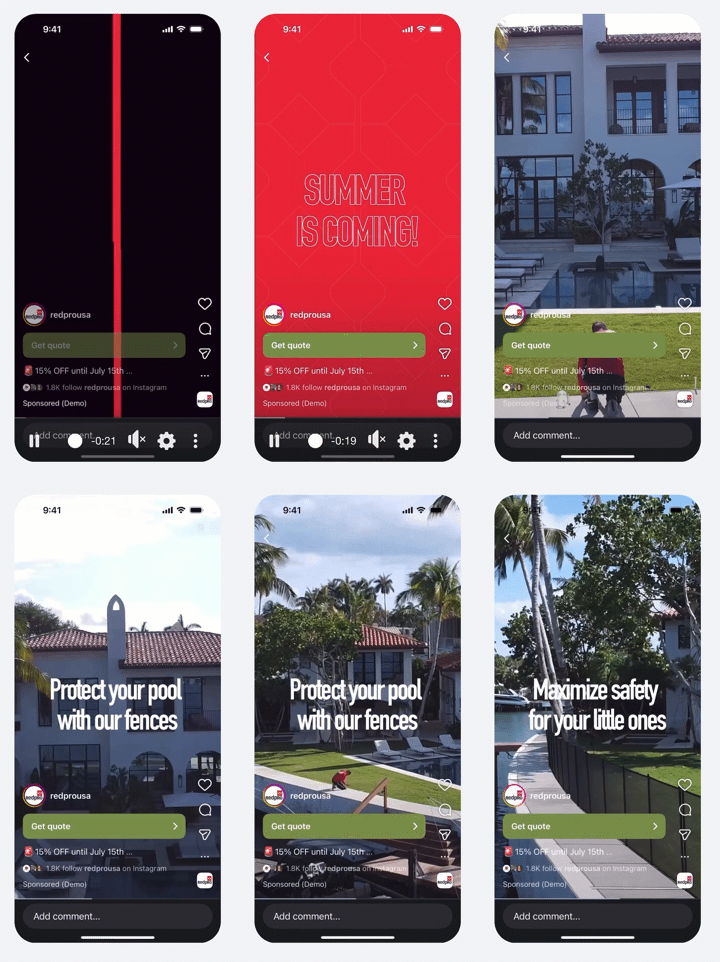
Reels ads are the highest-performing beauty ads on Instagram right now. The typical CPM for beauty Reels ads is $10 to $25. Cost per acquisition for mid-market skincare brands running UGC-style Reels creative is $18 to $45, depending on average order value and offer.
Reels ads work well across all funnel stages but are usually used for awareness and consideration. Ads over 30 seconds lose their completion rate. The 7 to 15 second range with a strong opening hook and a clear call to action performs best.
They do not work well when repurposing a TV or YouTube ad as a Reels ad. Beauty shoppers can identify polished brand creative instantly, and it consistently underperforms creator-style footage.
2. Stories Ads
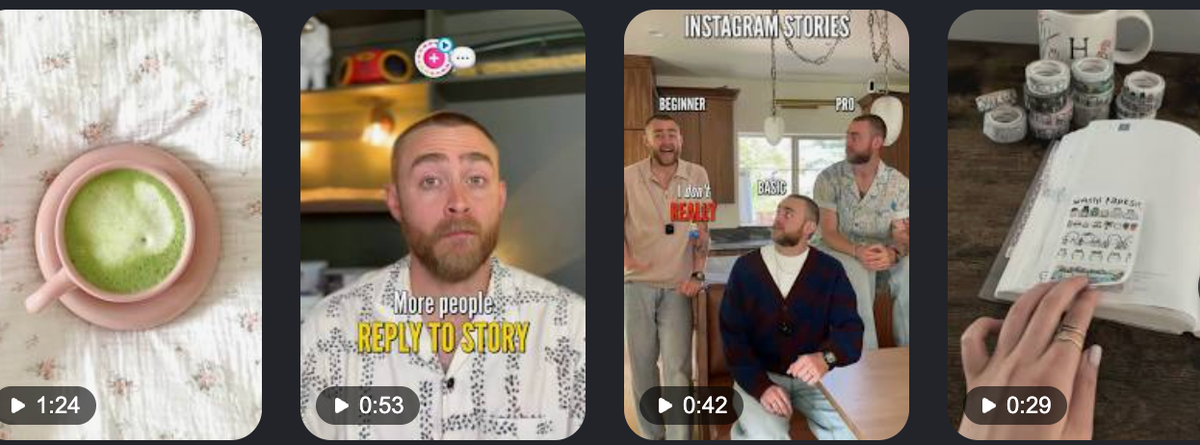
Stories ads appear between organic Stories. It is best used for retargeting warm audiences and converting consideration into purchase with a clear offer or urgency signal.
Always use the 9:16 vertical format. Text overlay with the offer shown in the first three seconds is important because many users watch Stories with the sound off.
The typical CPM is $6 to $12.
They work well for limited-time offers, product launches, and retargeting audiences who have already seen the brand.
They do not work well for Stories ads without a hook or text overlay in the first three seconds.
3. In-Feed Image and Carousel Ads
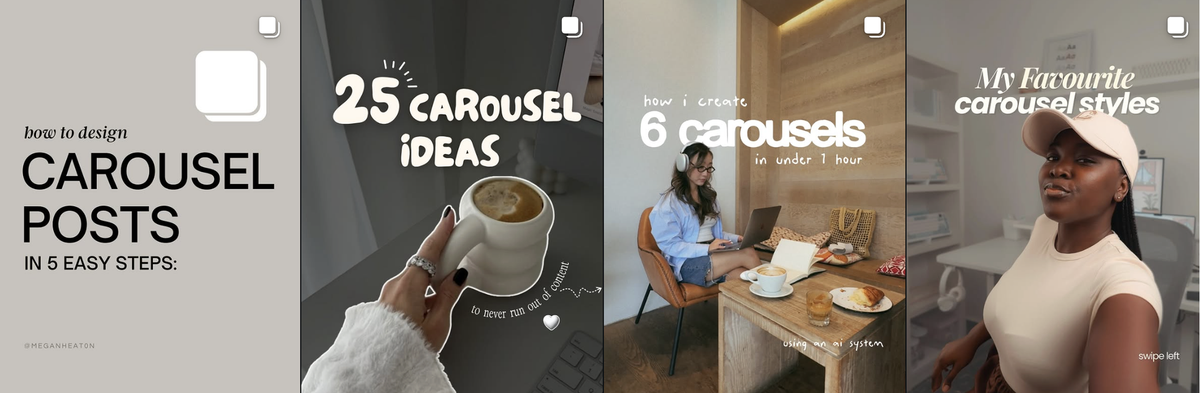
Static image and carousel ads still work for beauty brands that use them for before-and-after sequences.
Single-image ads work for lifestyle photography with a clear product and an offer in the frame.
The typical CPM is $8 to $15.
Carousel ads for beauty tend to underperform video in the awareness stage but can outperform video for higher-consideration purchases where the customer wants to compare shades or read ingredients.
4. Collection and Shopping Ads
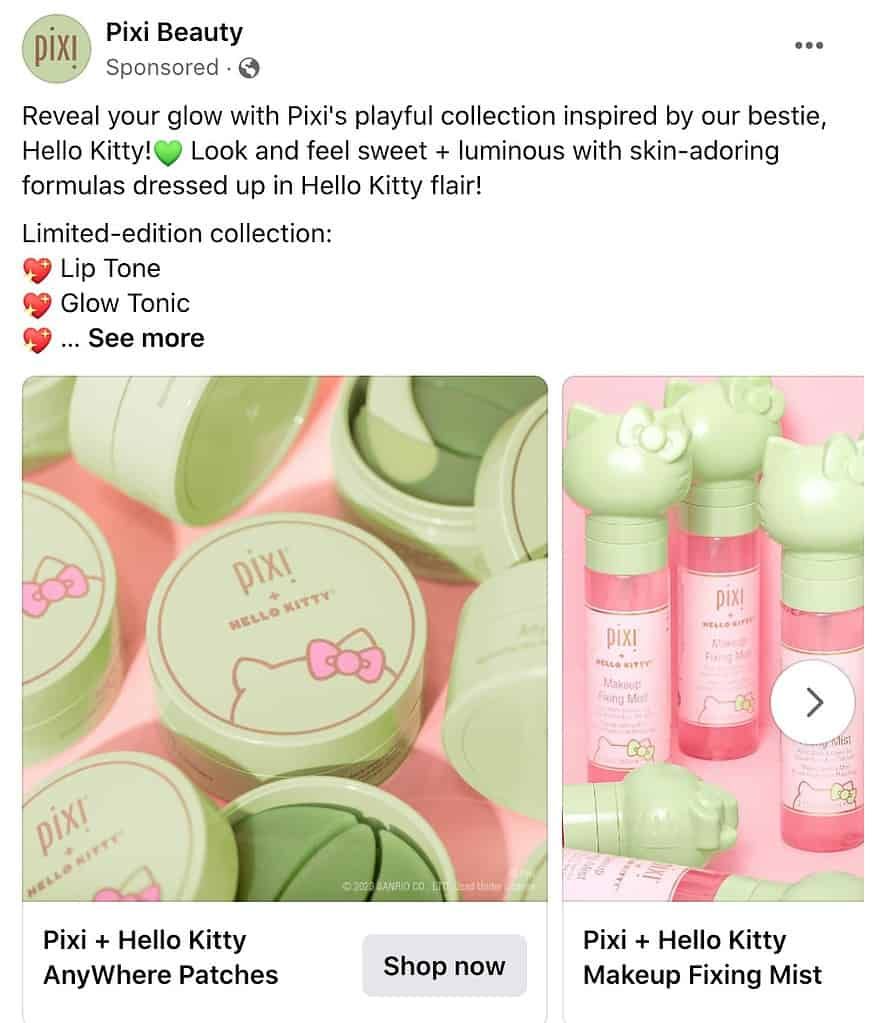
Collection ads and Instagram Shopping tags let beauty shoppers tap directly from an ad to a product page without leaving Instagram.
For brands with a strong product catalog and well-optimized product pages, this format reduces friction.
5. Branded Content Ads
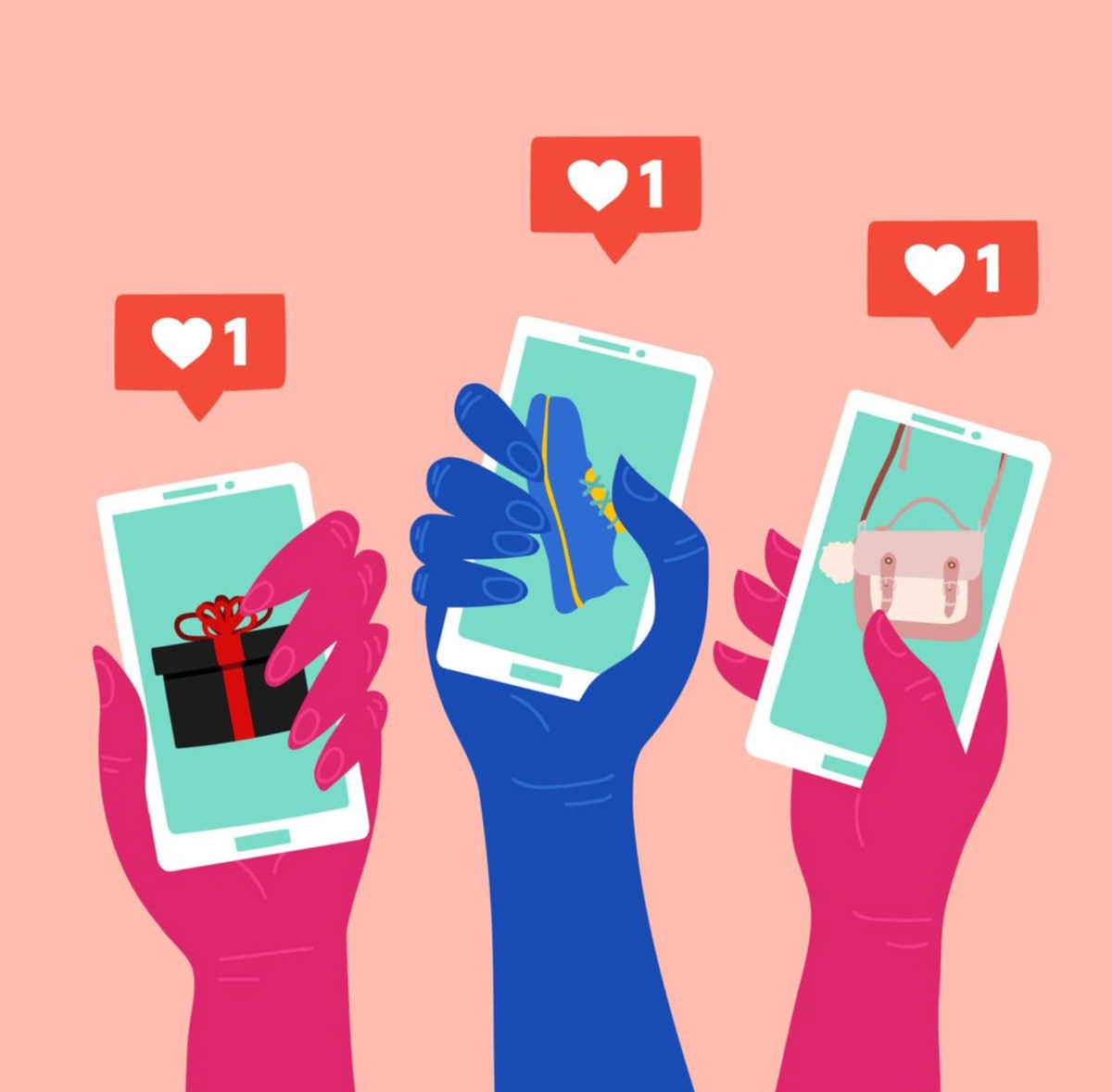
Instead of running an ad from the brand's own account, you can run it from a creator's handle.
The ad appears as an organic post from the creator, boosted with paid targeting. Engagement rates are usually two to four times higher than brand-account ads.
It is one of the most underused formats in beauty advertising and one of the most effective.
This format does not work well when running branded content ads from creators whose content aesthetic does not match the brand or the product.
TikTok Ad Formats for Beauty Brands
1. In-Feed Ads
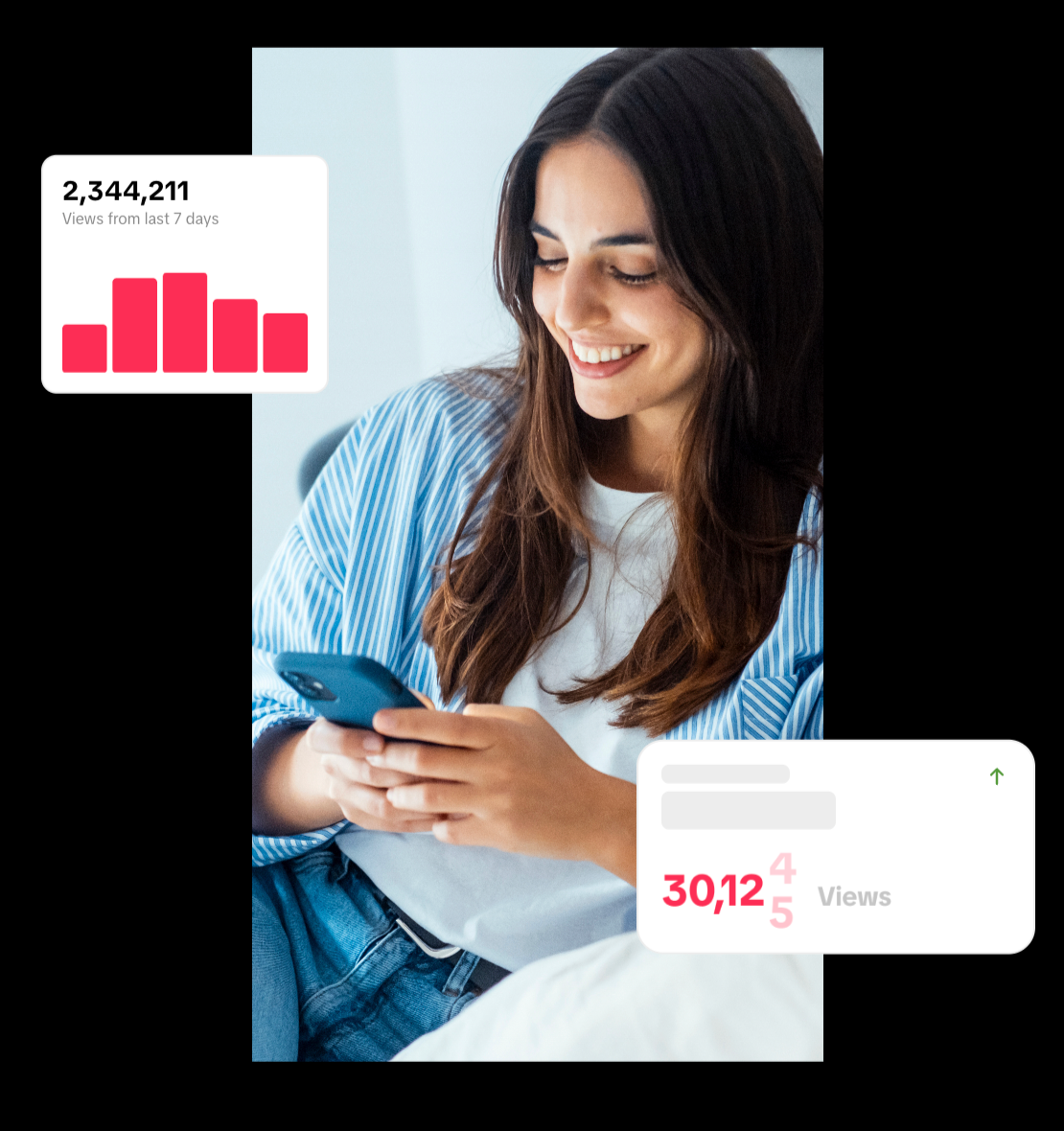
TikTok In-Feed ads appear in the For You feed between organic videos. But there's a trick: Ads that look like ads are skipped. Ads that look like genuine creator content get watched.
The typical CPM on TikTok is $6 to $10 for beauty categories, while the cost per acquisition for skincare is $20 to $55 depending on average order value.
In-Feed ads work across the full funnel but are best for awareness. This means that the creative needs to hook in the first one to two seconds.
This format does not work for a polished 30-second brand film. TikTok users identify non-native content immediately and scroll past it.
2. Spark Ads
Spark Ads allow beauty brands to boost existing organic TikTok content, either from the brand's own account or from a creator who has posted about the product. This format consistently delivers the best cost efficiency for most mid-size beauty brands.
Boosting content that has already performed well organically means the algorithm and real audiences have already validated it.
Note that this format does not work well for content that was already struggling organically. Boosting underperforming content does not fix the content problem.
3. TopView
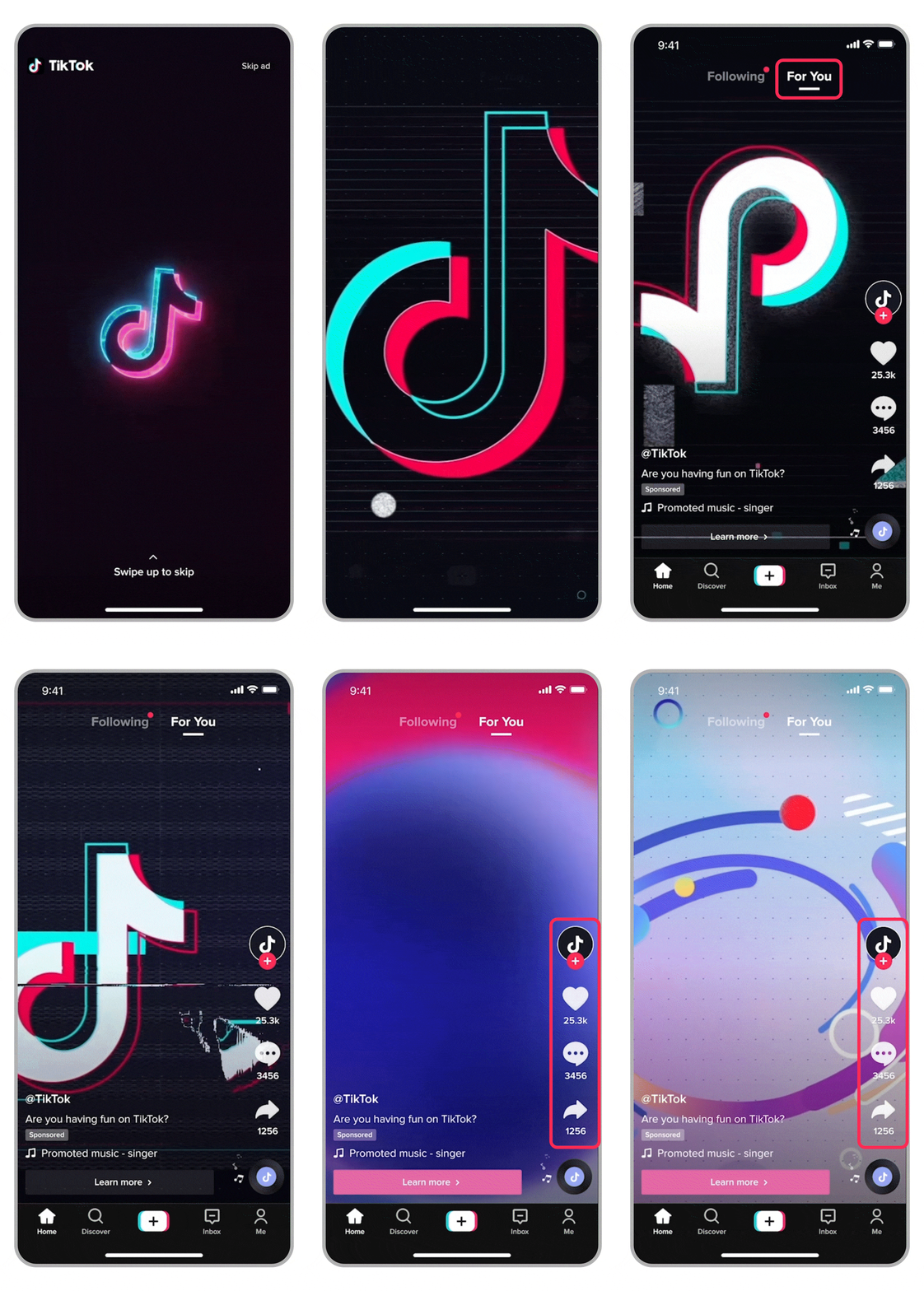
TopView is the first video a user sees when they open TikTok. It guarantees maximum visibility and is used by major beauty brands for product launches and brand campaigns.
CPMs are also higher here, usually $65 or more, and the format suits brands with large budgets and a clear brand campaign rather than performance-focused brands managing tight cost-per-acquisition targets.
4. Branded Effects
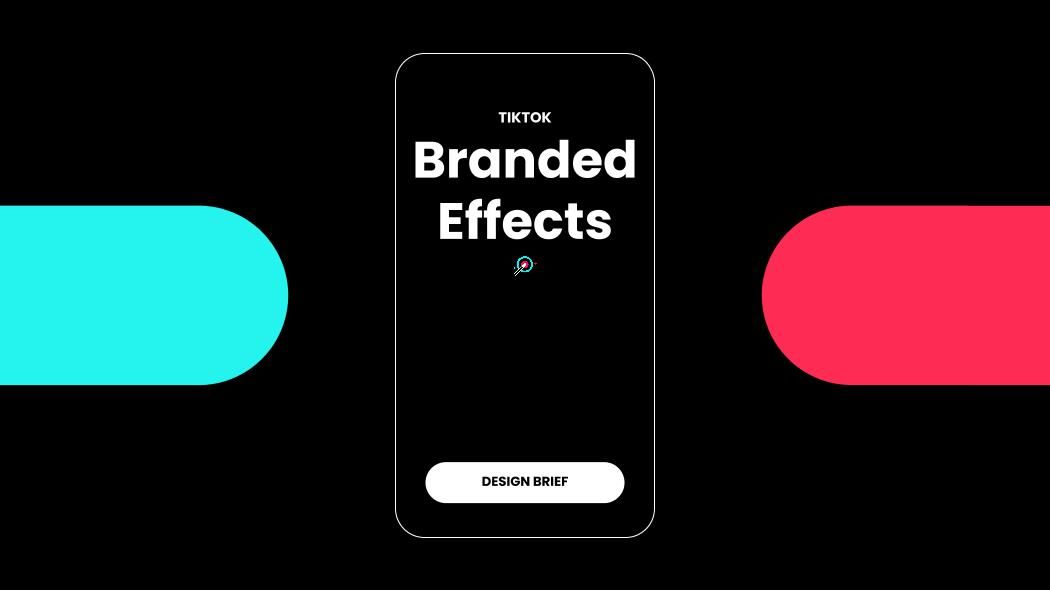
TikTok Branded Effects allow brands to build custom AR filters and interactive experiences that users can apply in their own videos.
For example, beauty brands can promote their virtual try-ons for lip color, blush, and eyeshadow. This puts the product on the user's own face and makes them the creator.
Instagram vs TikTok: Which Should You Prioritize?
TikTok tends to generate better awareness and organic sharing, with lower CPMs but higher creative risk.
Instagram tends to produce more predictable conversions, with a better shopping infrastructure. We recommend that brands with budgets above $15,000 per month on paid social should be active on both.
However, brands just starting out, or working with budgets under $10,000 per month, should pick one platform, learn to optimize it, and then expand once they have a repeatable cost-per-acquisition.
Why Beauty Advertising Works on Beauty Shoppers
Beauty products do not just change how you look; they change how you feel about yourself. That is the main reason beauty advertising works. And it is also why the most effective beauty marketing campaigns in history, from Dove's Real Beauty to L'Oreal's "Because You're Worth It," work at a level that goes beyond product features.
- Identity and self-expression: Beauty shoppers buy a version of themselves. The specific shade, the brand, the occasion, all of it connects to identity and self-expression. This is also why creator content works so well in beauty. When a creator with a specific personality or community uses a product, they transfer their identity to it.
- Transformation: Beauty shoppers looking for a solution to acne, uneven skin tone, or hyperpigmentation respond to transformation content because it makes the promise real. But also note that advertising that trades on insecurity can generate short-term sales and long-term brand damage.
- Belonging and community: The beauty community on TikTok and YouTube is one of the most active consumer communities online. This is why UGC campaigns, creator relationships, and community-building can help your brand build durability.
14 Top Beauty Advertising Strategies
Partner with Beauty and Skincare Influencers
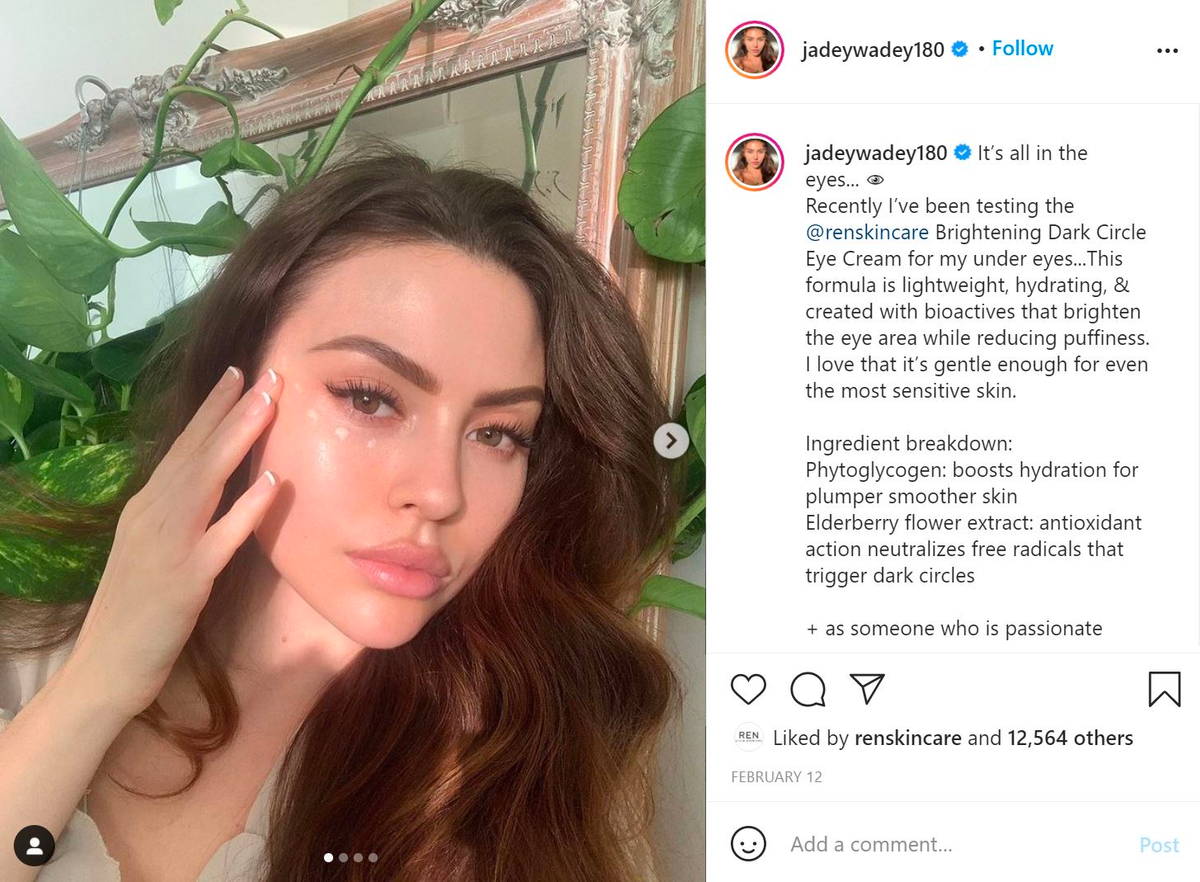
Skinfluencers for beauty and makeup brands help cosmetic brands get their products in front of people with the highest chances of buying them.
To reach out to skincare creators:
- Identify relevant makeup influencers with engaged audiences.
- Negotiate compensation, content, material requirements, and timeline.
- Provide influencers with product samples.
- Encourage influencers to produce the right, attractive content.
- Engage with the influencer's target audience through comments and interactions.
- Evaluate the partnership's success based on metrics, including benefit, engagement, and income.
When this does not work: Choosing influencers based on follower count alone without checking engagement rate or audience relevance. A creator with 80,000 highly engaged beauty shoppers will outperform one with 500,000 broadly scattered followers.
For a curated list of beauty creators by platform and niche, see best Instagram beauty influencers and top makeup influencers.
Build an Engaging Beauty Website With High-Quality Images
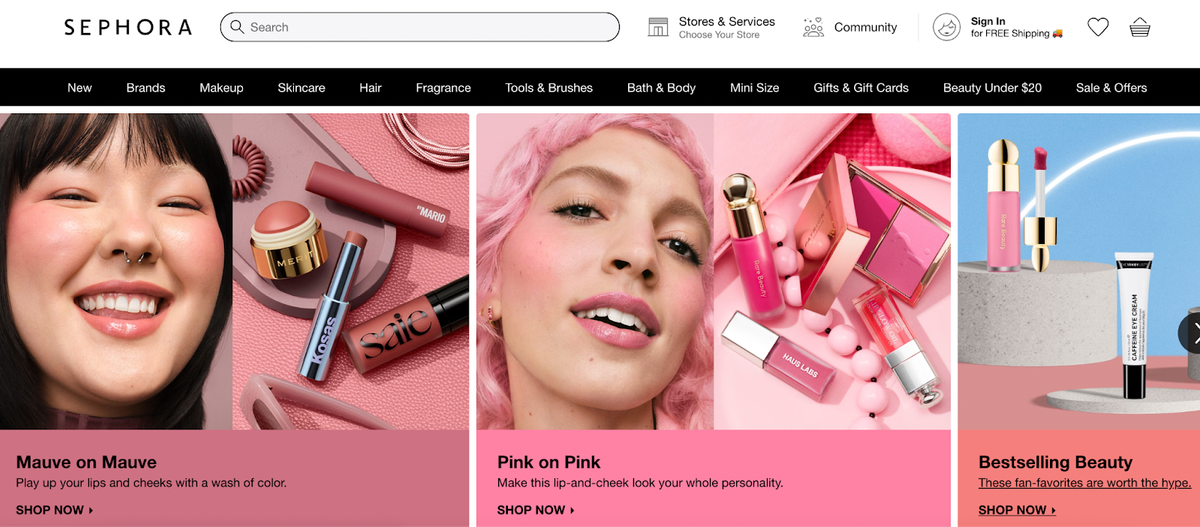
A stunning beauty website should have inspiring product pages. As a skincare brand, you have only a few seconds to capture the attention of your target buyers, so your cosmetic website should have all the essential elements to hold their attention.
Here are some of the best website design tips for beauty brands:
- Choose a clean and visually appealing design.
- Prioritize mobile responsiveness for smooth browsing.
- Use top-notch images and videos of skincare products.
- Add customer testimonials to boost social evidence.
- Implement a simple, secure checkout process.
- Offer customized product recommendations.
- Provide informative content, including skincare tips and tutorials.
Text alone cannot generate conversions. Your cosmetic product landing page should have a hero image. High-quality hero images grab visitors' attention and make a good first impression.
When this does not work: Low-quality or inconsistent imagery instantly undermines trust. Beauty shoppers associate image quality with product quality.
Also See: Beauty Advertising Guide For Skincare Brands
Create Professional Videos of Your Cosmetic Products
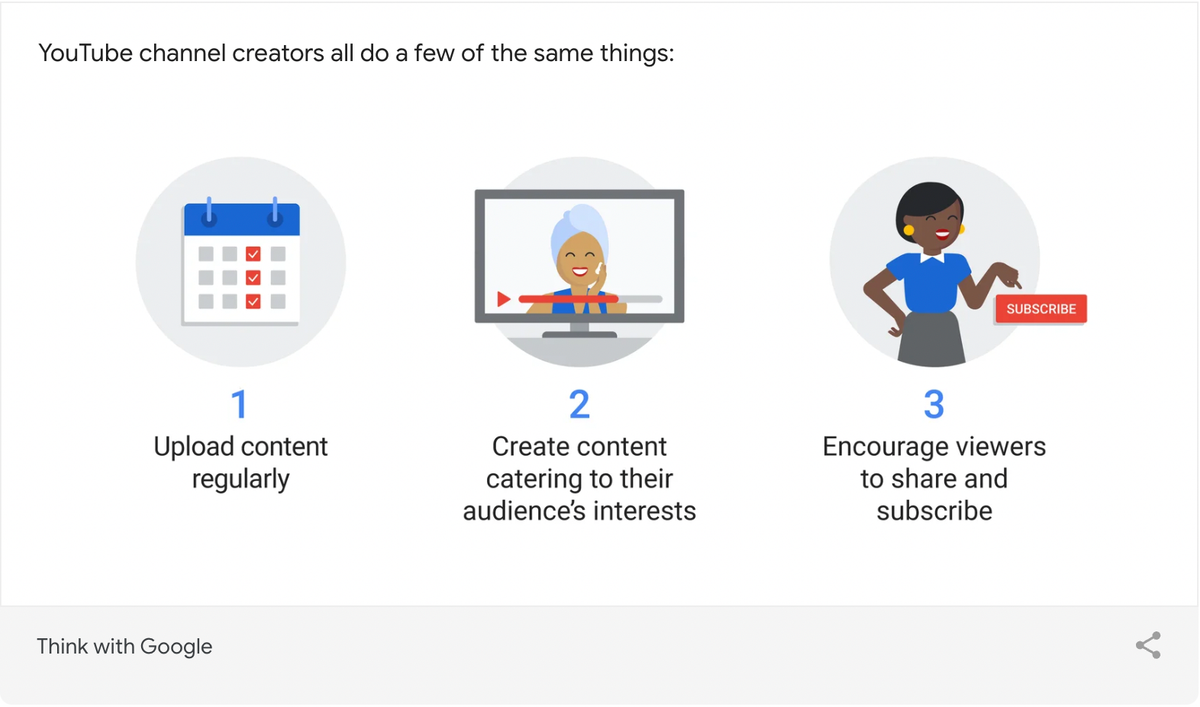
Film beauty product videos to showcase cosmetics, skincare, haircare, and personal grooming in engaging and informative ways. You can do this through live-action demonstrations, customer testimonials, or behind-the-scenes glimpses.
Video's visual and experiential nature allows consumers to see products in action, aiding in informed purchasing decisions.
Follow these tricks for creating beauty videos for cosmetic ads:
- Invest in high-quality visuals
- Build engaging product demonstrations
- Include clear brand messaging
- Write video captions
- Prepare a professional video production
- Highlight product features
- Showcase application techniques
- Incorporate customer testimonials
- Create visually appealing packaging shots
- Use vibrant and on-brand colors
- Include music or voiceovers
- Remain consistent with brand aesthetics
When this does not work: Repurposing polished TV-style ads for social platforms. Beauty shoppers on TikTok and Instagram Reels skip content that looks like a traditional brand film.
Also See: Plastic Surgery Marketing Agencies: Best Choices
Highlight Unique Selling Points (USPs)
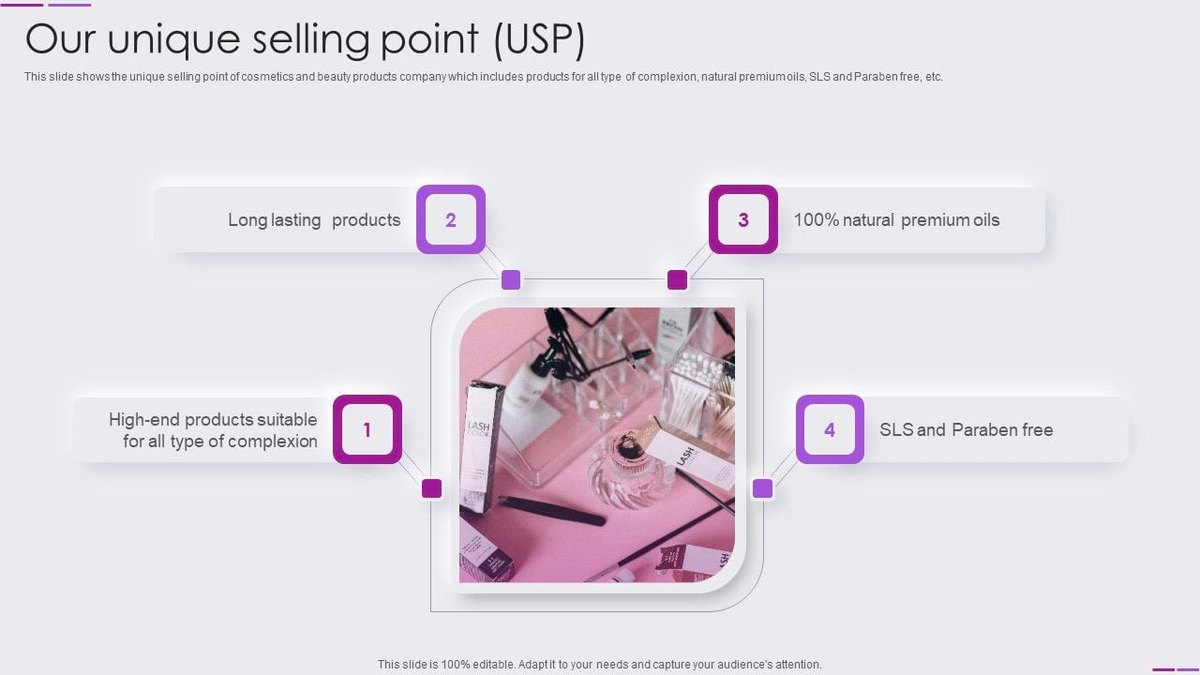
Emphasize how your products solve buyers' skincare problems.
Talk about unique and innovative formulations. Embrace ethical practices and offer socially responsible beauty solutions.
Use phrases like "dermatologist-approved" to gain customer trust and showcase sustainability with eco-friendly packaging and practices.
Here are some of the best ways to boost your beauty brand USP:
- Showcase a comprehensive range catering to various skin tones.
- Boost brand credibility with aligned celebrity or influencer endorsements.
- Empower consumers through informative tutorials and how-to guides.
- Create desirability with limited-edition releases for an exclusive touch.
- Enhance customer experience with AR or VR tech for virtual trials.
- Feature customer testimonials to establish credibility.
- Showcase diversity in models and products for all.
- Keep consumers informed about industry trends.
- Use animated videos for imaginative representation.
When this does not work: Claiming "dermatologist-approved" or "clinically proven" without the evidence to back it up. Beauty shoppers are increasingly savvy about unsubstantiated claims, and regulators are too.
Use Cosmetics PPC Advertising
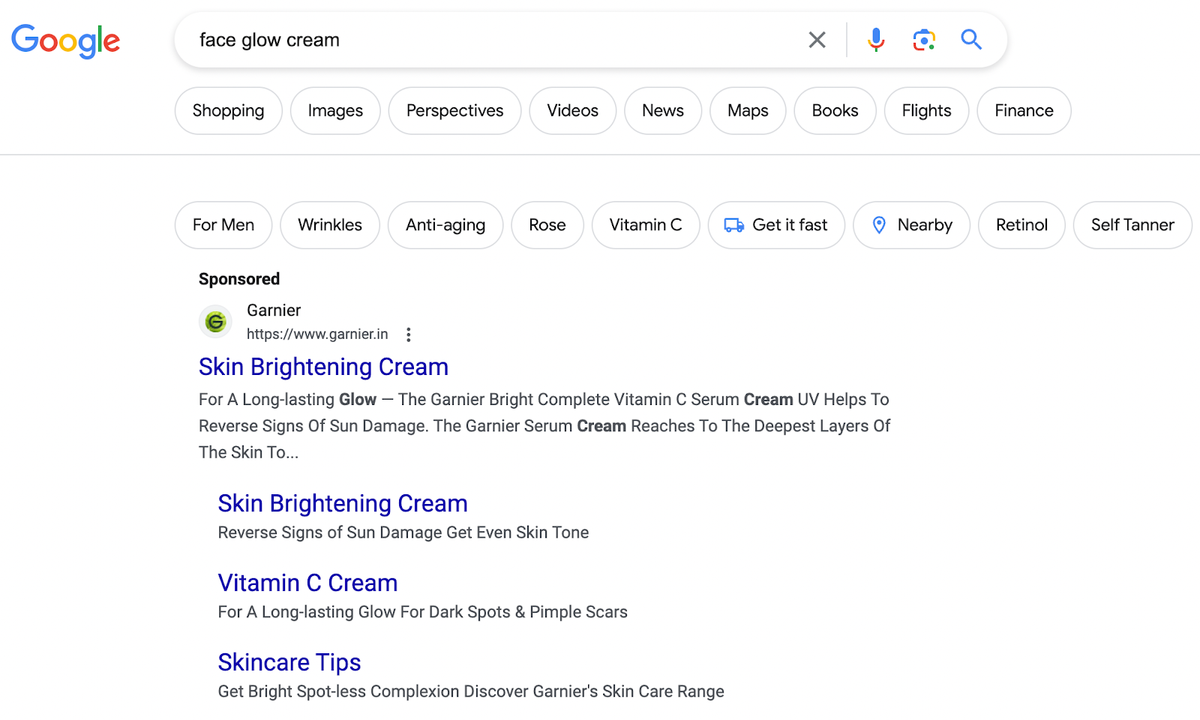
Run beauty PPC campaigns and beauty ads on platforms like Google, Bing, and others.
Select high-performing keywords for targeted visibility and prepare consumer-focused beauty ads to attract product buyers.
Create optimized landing pages to achieve great results and utilize extensions for additional information and incentives to improve ad visibility.
When this does not work: Sending paid search traffic to a homepage instead of a specific product or category page. This kills your conversion rates and wastes budget.
Also See: Cosmetic Branding Guide For Makeup Brands
Leverage Beauty Storytelling and Branding
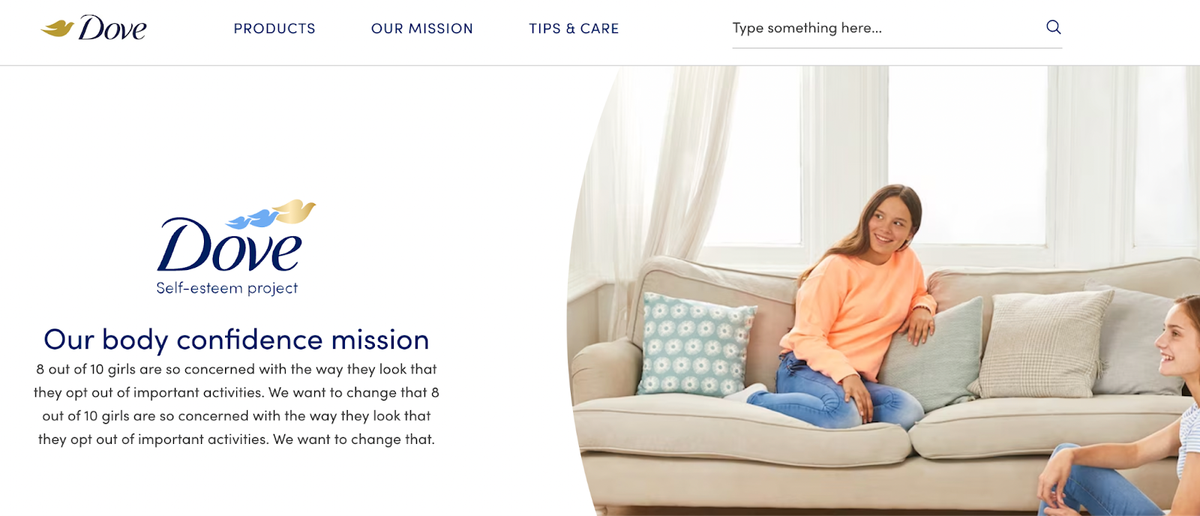
The secret to successful beauty brand marketing lies in the art of storytelling. Like a captivating movie or book, effective storytelling absorbs the audience, making them feel like a part of the narrative.
Engaging, emotional, and entertaining stories leave lasting impressions and captivate audiences.
Cosmetic companies can leverage storytelling through brand narratives, personalization, social media, influencer marketing, and product storytelling.
Here are some beauty storytelling tips to make your beauty brand memorable:
- Create compelling narratives that evoke emotion and resonate collectively with your audience.
- Use storytelling to talk about the brand's values.
- Create memorable logo characters or personas that encompass the brand's essence.
- Showcase user-generated content to expand your community.
- Incorporate storytelling into product packaging and labeling.
When this does not work: Manufactured or inconsistent storytelling. If the story is "empowering natural beauty" but the imagery is heavily retouched, the dissonance is visible to beauty shoppers.
Promote Your Beauty Products on Social Media
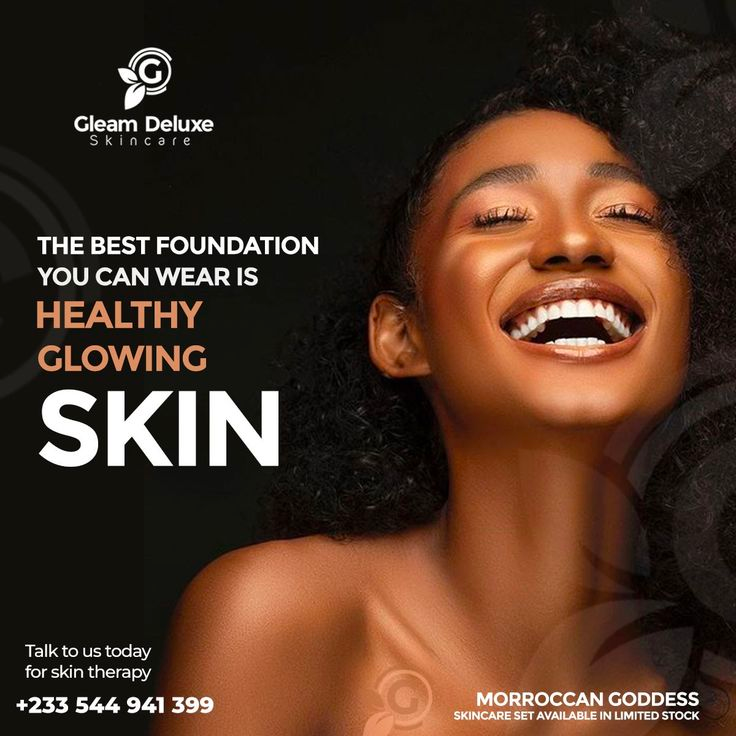
Building a strong social media presence for your cosmetic product is necessary as beauty enthusiasts increasingly explore and purchase products online.
Social media beauty marketing is now one of the most direct ways to reach and convert beauty consumers across every stage of the funnel.
To achieve this, use the following strategies:
- Share tutorials, how-to videos, and educational content about your beauty products.
- Launch engaging giveaways on platforms like Instagram and TikTok to build audience and generate UGC.
- Use live streaming on Instagram Live, TikTok Live, or YouTube Live for product launches, tutorials, and real-time Q&A sessions. MAC Cosmetics, NYX Professional Makeup, and Fenty Beauty have all used live streaming effectively for product showcases.
- Boost engagement across social media campaigns using tools like Easypromos' Multi-Network Giveaway application.
- Convert followers into leads by implementing easy-to-enter raffles.
- Incorporate prize wheels customized with your products, discounts, or store credit.
When this does not work: Going live or running giveaways with no clear strategy or structure. A live session with no agenda produces low viewership. A giveaway prize that appeals to a general audience rather than your specific target customer attracts followers who will never buy your products.
Run User-Generated Content Campaigns
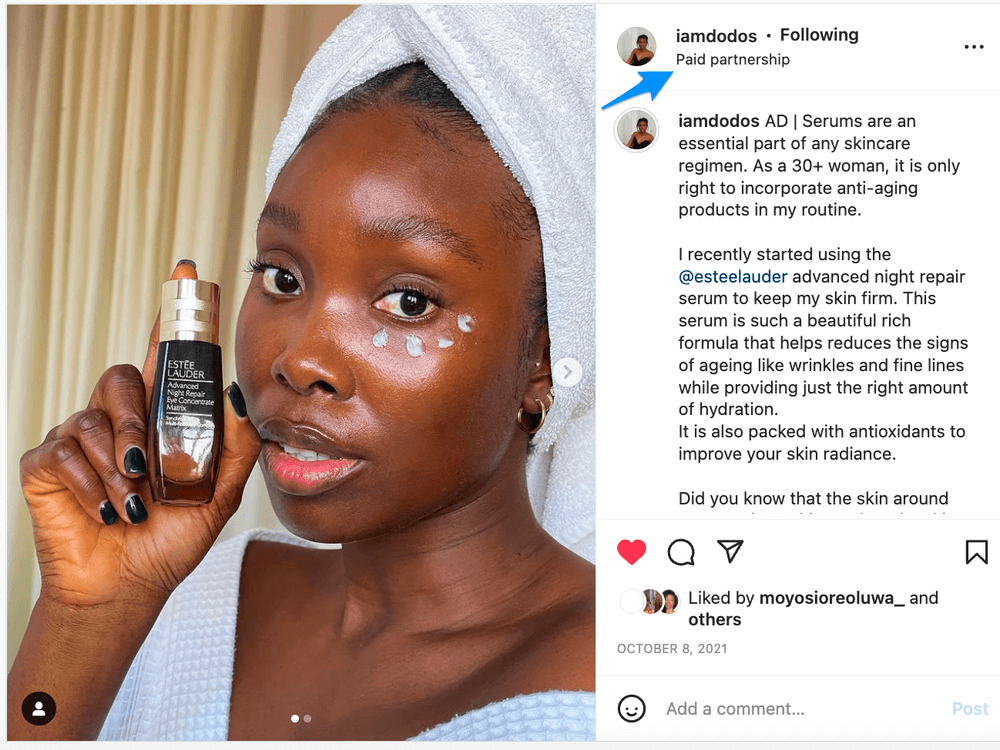
User-generated content for the beauty industry includes customer-created content showcasing their experiences with beauty products. To do this, you can:
- Encourage diverse content with makeup tutorials and reviews.
- Incentivize participation with exclusive promotions.
- Collaborate with influencers for broader reach and credibility.
- Utilize a social media aggregator for seamless website integration.
- Actively promote the campaign across various platforms.
- Maintain continuous engagement with an evergreen strategy.
UGC beauty content marketing can take a variety of formats:
- Makeup Tutorials
- Before-and-After Transformations
- Product Reviews
- Creative Makeup Looks
- Unboxing Videos
- Skincare Routines
- Comparison Videos
- Hashtag Challenges
- User Testimonials
- Beauty Hacks
When this does not work: Incentivizing UGC with free products without clear disclosure. FTC (Federal Trade Commission) guidelines require disclosure of gifted or paid content, and beauty communities call out non-disclosure quickly.
Also See: Plastic Surgery Marketing: How To Get Started?
Take The Help of Beauty SEO
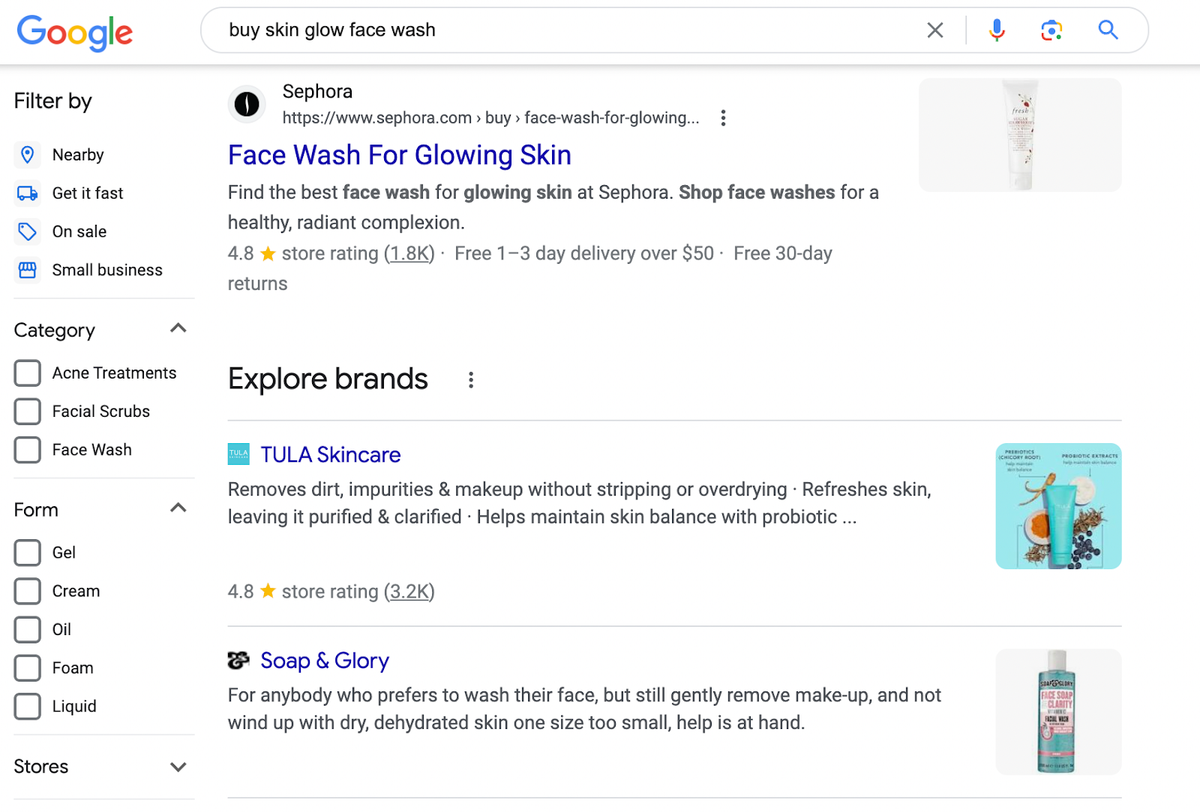
Optimizing SEO for cosmetics and beauty brands involves strategic steps to improve your online visibility and attract your target audience. Begin with meticulous keyword research, using tools like KeywordsFX to identify relevant search terms.
Develop a content strategy that creates unique and informative content to position the brand as an industry authority.
Implement on-page optimization techniques, including strategically placing keywords in titles, headings, and meta descriptions. Prioritize local search optimization by strategically incorporating location keywords.
Also See: Best SEO Practices for Plastic Surgeons
Leverage Google Search Console to monitor and address technical issues. Build quality backlinks, considering guest posting to boost credibility.
Recognize the distinctive nature of cosmetic products by customizing the SEO approach. Collectively, these tactics contribute to increased brand awareness and organic traffic.
When this does not work: Publishing content without updating it. Beauty search queries change with trends and ingredients, and pages that go stale lose rankings to competitors who keep their content current.
Also See: Skincare SEO Guide For Makeup Companies
Create Tutorial Videos, Testimonials and How-To Guides
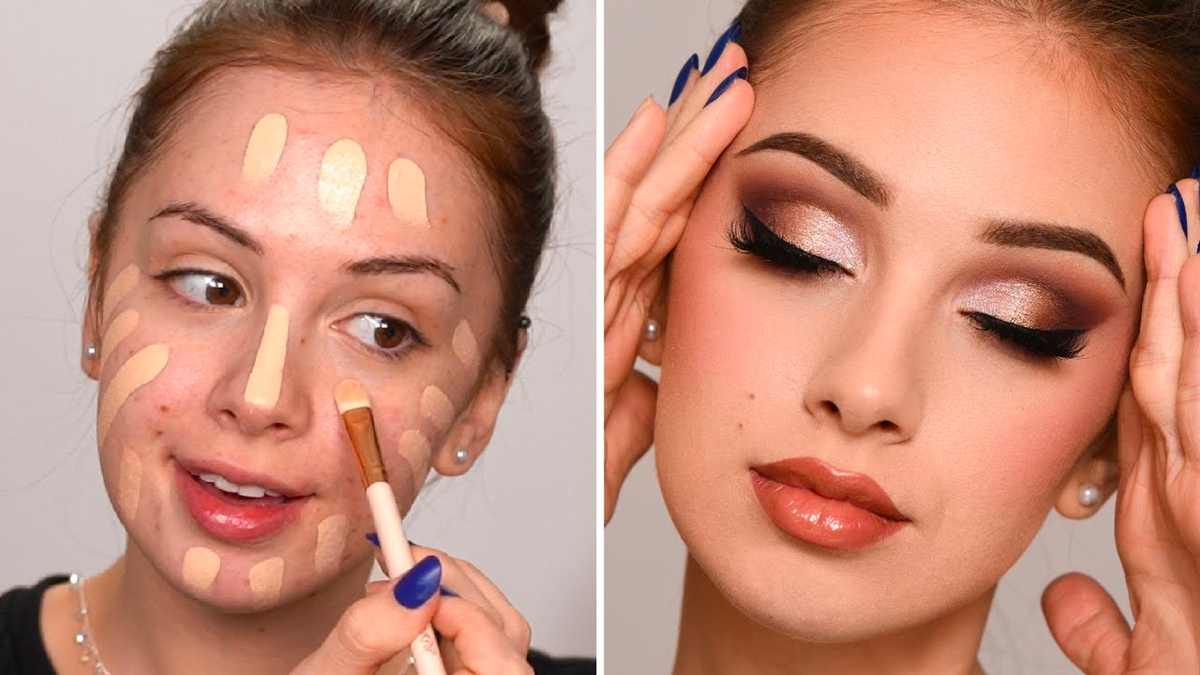
Testimonial videos and case studies are powerful tools in the beauty industry because they showcase real experiences and results. Before-and-after transformations, influencer testimonials, expert or dermatologist endorsements, and user-generated challenge videos all help build credibility and purchase confidence.
Film stunning makeup tutorial videos using a quality camera like a DSLR. The production requirements are simpler than most brands assume: a quality smartphone camera, good natural lighting, and a presenter who knows the product well will outperform a poorly briefed studio shoot.
Essential Tools Needed:
- Camera (DSLR or smartphone)
- Lighting (Three-Point Setup or Ring Light)
- Microphone (Dynamic or Condenser)
- Tripod or Support Script
- Teleprompter (Teleprompter app)
Setup Tips:
- Choose a clean and clutter-free background.
- Craft engaging intros to captivate your audience.
- Experiment with various camera angles for dynamism.
- Master advanced lighting techniques for visibility.
When this does not work: Tutorial content that focuses entirely on the product without adding broader educational value.
Use VR and AR For Cosmetics Advertising
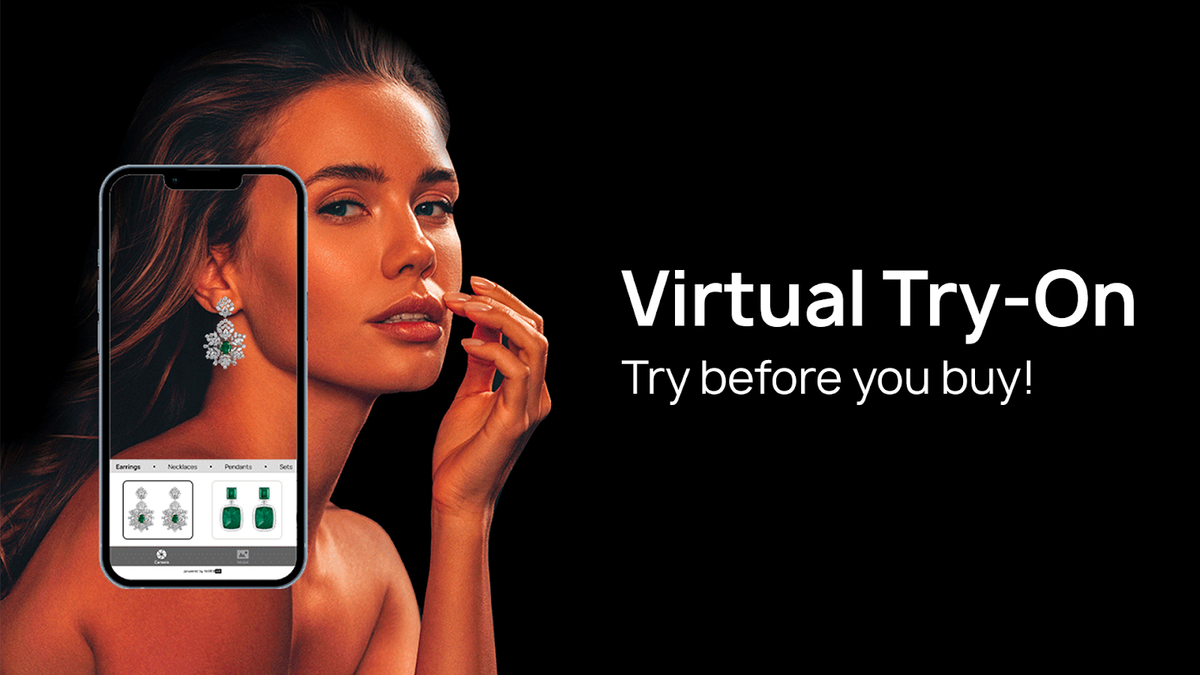
Leading brands like Sephora and L'Oreal leverage VR to let users try cosmetics virtually, improving the online shopping experience.
Beauty AR apps enable real-time virtual makeovers, helping customers visualize products before purchase.
These technologies provide personalized experiences, boosting customer engagement and satisfaction.
To use VR and AR for cosmetics advertising, you can develop apps or integrate features into existing platforms, offering virtual try-ons, makeup tutorials, and product demonstrations.
When this does not work: AR try-ons where the color rendering is inaccurate, or the user experience is poor. A bad virtual try-on creates more doubt than confidence about the product.
Also See: Best Beauty Salon Marketing Ideas To Attract More Customers
Back Up Your Cosmetic Ads Claims With Scientific Evidence
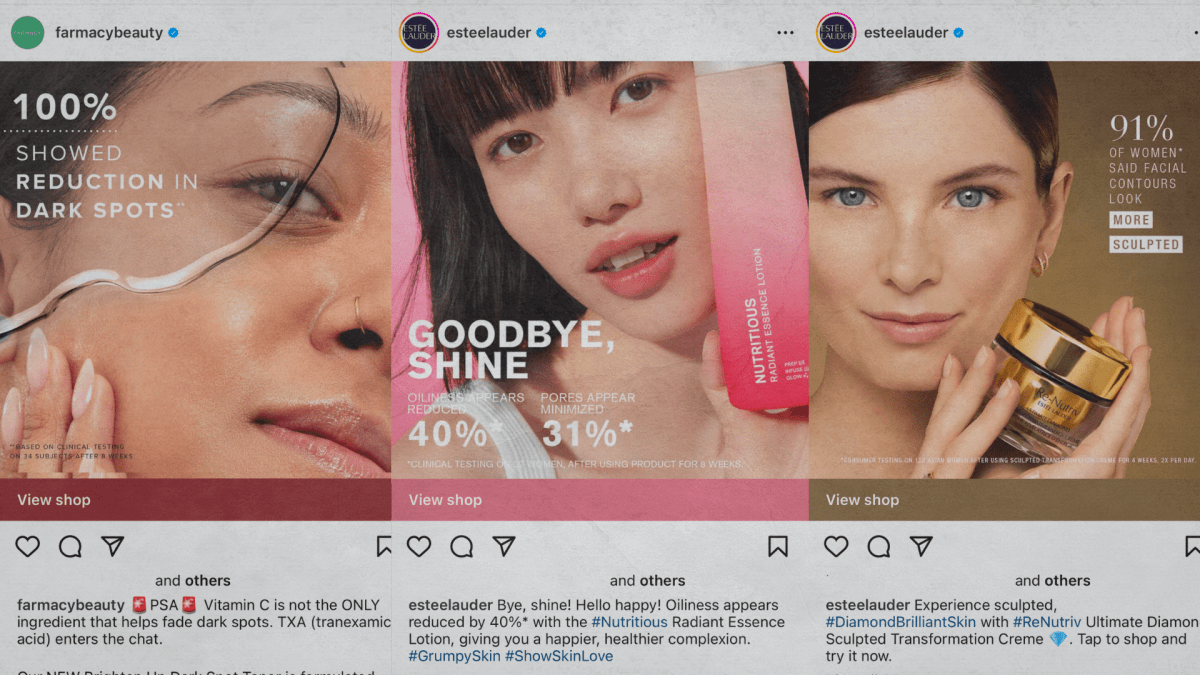
Supporting cosmetic ad claims with scientific evidence adds credibility and transparency to product marketing.
Use research studies, clinical trials, and dermatologist endorsements to substantiate product efficacy and benefits claims in your cosmetic advertising ads.
Communicate the methodology and results of any scientific testing, emphasizing statistically significant outcomes.
Highlight key ingredients and their proven effects, referencing reputable scientific journals or dermatological associations.
For instance, Neutrogena, a skincare brand, effectively backs up its cosmetic claims with scientific evidence. In their advertisements, Neutrogena references dermatologist-backed clinical trials that demonstrate the efficacy of their products.
They collaborate with skincare experts to conduct independent research and publish results in peer-reviewed journals. Neutrogena's "Clinical Proof" campaign showcases before-and-after images from rigorous testing, providing consumers with tangible evidence of the product's impact on skin health.
By transparently sharing scientific findings and involving reputable professionals, Neutrogena reinforces the reliability of its cosmetic claims, increasing trust among consumers.
When this does not work: Citing vague or unverifiable "clinical studies" without naming the methodology or sample size. Sophisticated beauty shoppers and regulators both scrutinize these claims closely.
Use Emotional Appeal in Your Skincare Advertisements
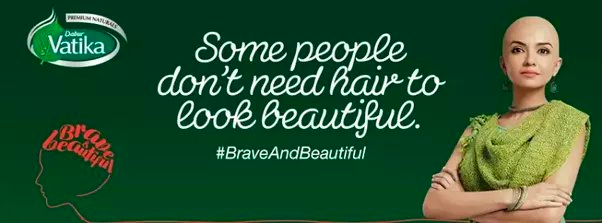
To infuse emotional appeal into skincare advertisements, focus on storytelling that resonates with consumers' feelings and aspirations.
Create beauty advertising narratives around personal journeys, self-confidence, and the emotional impact of achieving healthy skin. Use relatable characters and situations to build a connection with the audience.
In their "Face Anything" campaign, Olay adeptly employs emotional appeal in skincare advertising. The campaign features strong and diverse women facing various challenges, emphasizing that having great skin empowers them to face anything.
When this does not work: Emotional appeals that make customers feel bad about themselves before the product is introduced. Advertising that trades on insecurity can generate short-term sales but causes long-term brand damage.
Also See: Best Plastic Surgery Advertising Strategies
Build a Strong Community and Use Social Listening
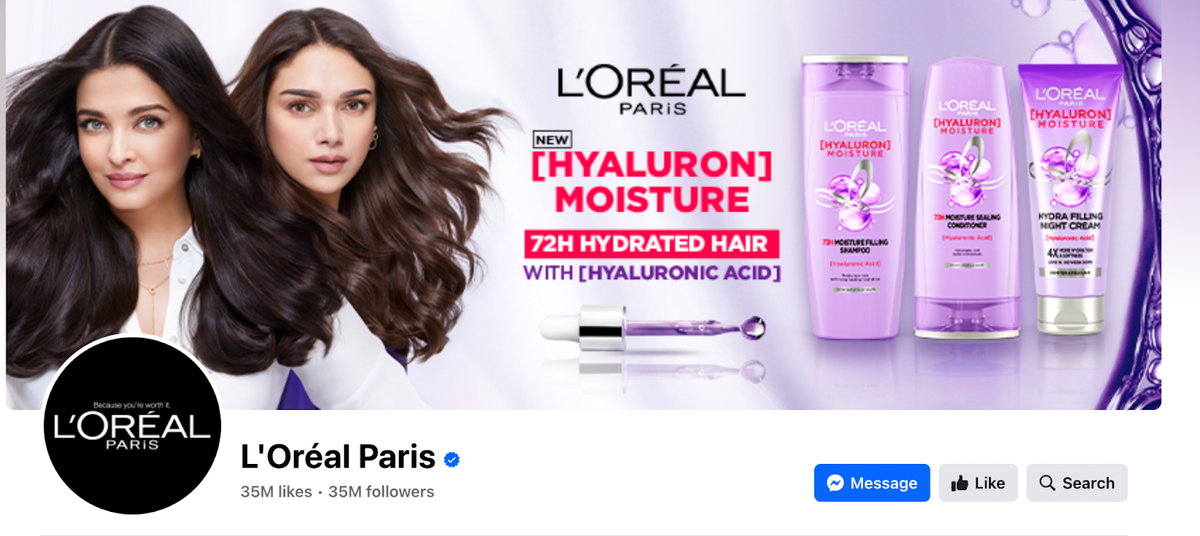
- Foster conversations, respond to comments, and share user-generated content on platforms like Instagram and Facebook.
- Provide your skincare community with exclusive content, including behind-the-scenes looks, skincare tips, and product sneak peeks.
- Reward loyal customers with special discounts, early access to new products, or exclusive events to strengthen their connection to your skincare brand.
- Encourage customers to share their skincare routines, testimonials, and before-and-after photos, creating a sense of community and authenticity.
- Launch online forums or beauty social media groups where skincare enthusiasts can connect, share advice, and discuss your products.
- Use social listening tools to track beauty trends and consumer discussions on Instagram, TikTok, and beauty forums. Brands running social media campaigns for beauty products find this data especially useful for briefing content and paid creative.
- Monitor and analyze consumer sentiments about specific beauty products to gather insights for improvements or new launches.
- Assess how consumers perceive your beauty brand by listening to their comments, reviews, and mentions, allowing you to adjust marketing strategies accordingly.
When this does not work: Treating community-building as a one-time campaign. Communities require consistent investment in engagement, content, and response to grow and retain members.
Beauty Advertising Guidelines
- Cosmetic ads must not falsely claim the cosmetic product's efficacy or benefits.
- Claims should be supported by scientific evidence and not exaggerate the product's capabilities.
- Disclose any conditions or situations where the product may not deliver the claimed results.
- Advertisements should be culturally sensitive and avoid offensive content.
- Communicate if visual representations are simulated or enhanced.
- Adhere to local and international regulations governing cosmetics advertising to avoid legal issues.
- Provide accurate information about product ingredients and potential side effects to ensure consumer safety and transparency.
Also See: Plastic Surgery Social Media Marketing Companies List
Best Beauty and Cosmetic Advertising Examples
Here are some high-quality examples of successful cosmetic and beauty advertising campaigns:
Dove's "Real Beauty" Campaign
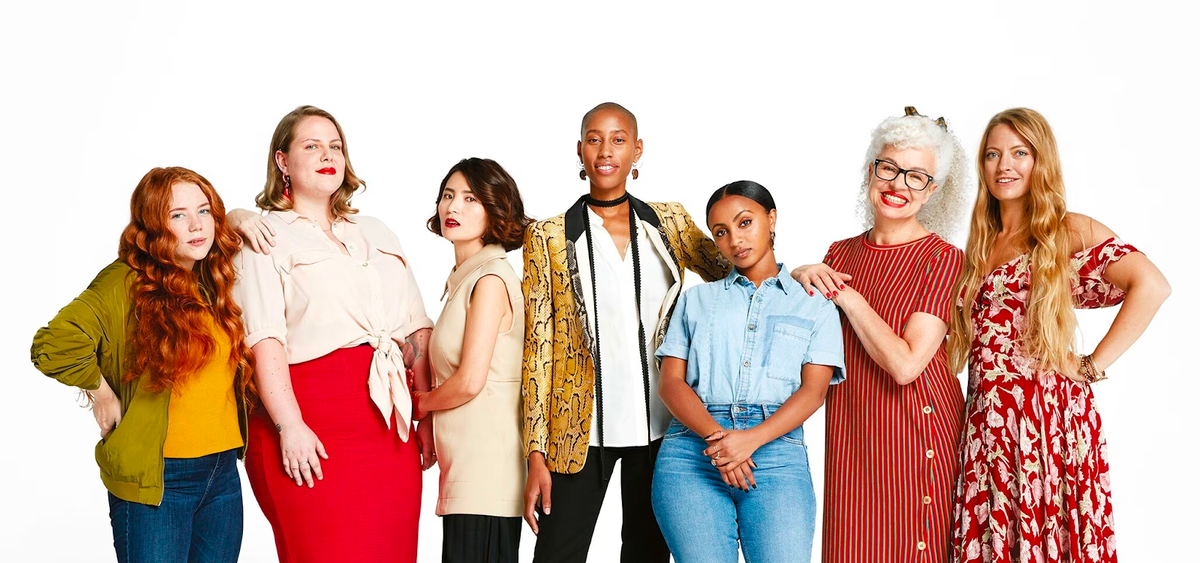
Dove's cosmetics advertising campaign challenged conventional beauty standards by featuring women of various body sizes and ethnicities.
It aimed to promote self-confidence and body positivity, resonating with a huge target market.
L'Oréal's "Because You're Worth It"
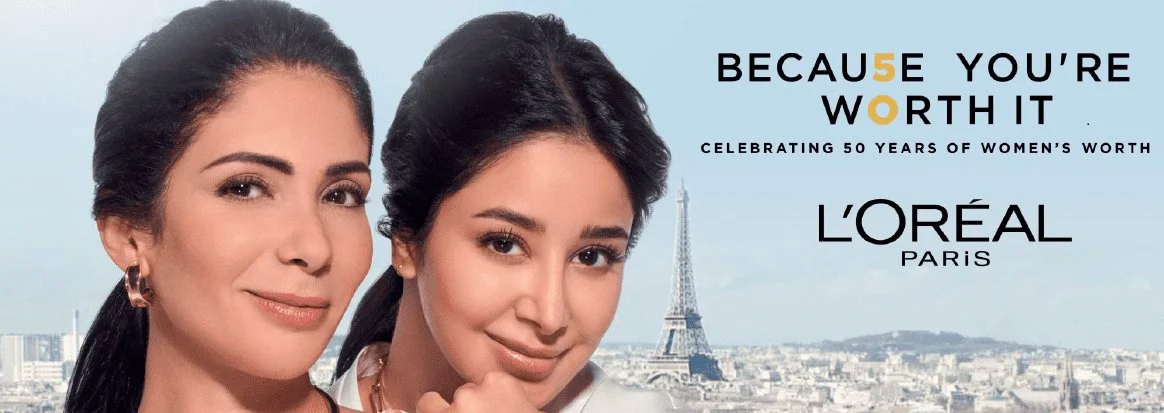
Another leading cosmetic advertising example is L'Oréal.
Their iconic slogan has been a cornerstone of L'Oréal's cosmetics advertising campaign and marketing for many years. It conveys a message of empowerment and self-confidence, attractive to customers' desire for first-rate and comfortable beauty products.
MAC Cosmetics' "Viva Glam" Campaign
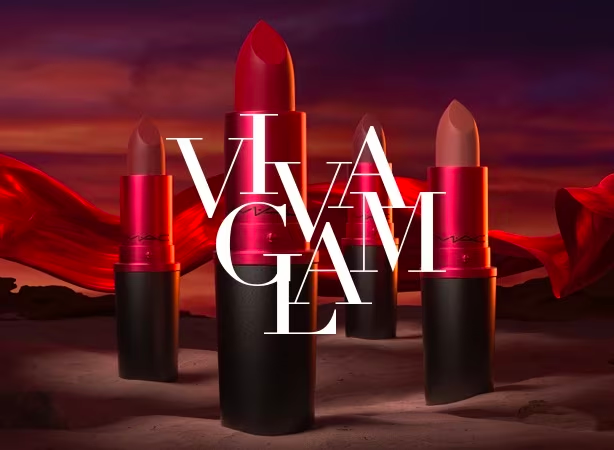
One of the best examples of cosmetics advertising is MAC.
MAC's marketing advertising campaign collaborates with celebrities to raise awareness and funds for HIV/AIDS.
The advertising campaign has featured stars like RuPaul, Lady Gaga, and Ariana Grande, highlighting the brand's willpower for social causes.
Olay's #FaceAnything Campaign
Olay's marketing campaign celebrates girls breaking barriers and defying expectations.
It encourages girls to embrace their individuality and self-confidence, leveraging social media influencers and customer-generated content to amplify its message.
Sephora's Beauty Insider Program
Sephora's loyalty program rewards customers with first-rate perks, samples, and reductions.
This approach incentivizes repeat purchases while fostering a network experience among fans.
Maybelline's "Maybe She's Born With It"
This iconic tagline has been synonymous with Maybelline for years, emphasizing the brand's position in improving herbal beauty.
It shows that makeup can empower girls to revel in confidence and beauty.
Also See: Skincare Branding Guide For Cosmetic Companies
Conclusion
Cosmetic ad marketing strategies provide a roadmap for skincare brands to acquire Gen Z consumers.
Operators building a fuller acquisition plan can use this med spa marketing guide to connect pricing, local search, paid media, and retention strategy.
The combination of modern tactics ensures visibility and meaningful connections with consumers, aligning with current cosmetic industry trends.
As beauty advertising continues to evolve, these makeup products' advertising strategies serve as a foundation for brands aiming to carve a lasting presence in the competitive beauty market.
Brands focused on retention and paid acquisition can also explore beauty marketing services to understand which channels and tactics align with growth-stage priorities.
Also see: Medical spa marketing stats and trends for 2026, covering market size, demographics, and growth forecasts for medical aesthetics.
FAQs
What is beauty advertising?
Beauty advertising is the paid and organic marketing activity beauty brands use to reach, engage, and convert their target customers, across social media, influencer partnerships, search, email, and in-store channels.
The most effective beauty advertising works on two levels: it communicates what a product does, and it connects that benefit to something emotionally meaningful for the beauty shopper.
What ad formats work best for beauty brands?
On Instagram, Reels ads and branded content ads run through a creator's handle consistently outperform standard in-feed placements for beauty brands. UGC-style creative outperforms polished brand film in almost every beauty category.
On TikTok, Spark Ads boosting proven organic content produce the best cost-per-acquisition for mid-market beauty brands. In-Feed ads with a strong hook in the first two seconds are the TikTok baseline.
How much do beauty brands spend on advertising?
Beauty advertising spend varies widely by stage. Early-stage DTC brands spend $5,000 to $25,000 per month on paid social. Established mid-market brands spend $50,000 to $250,000 per month across channels.
Enterprise beauty brands like L'Oreal, Unilever, and Estee Lauder spend billions annually. Most growing DTC beauty brands reinvest 20 to 30% of revenue into paid acquisition during their growth phase.
What makes a good cosmetics advertisement?
A good cosmetics advertisement captures attention in the first two seconds, communicates a clear product benefit, connects that benefit to something emotionally meaningful for the target beauty shopper, and includes a clear call to action.
Ads that achieve all four, even in 15 seconds, consistently outperform longer, more elaborate creative.
Do beauty brands still need influencers in 2026?
Yes, but the model has matured. Follower count matters less than audience quality and engagement rate.
Long-term creator partnerships outperform one-off paid posts both in audience trust and content performance.
Micro-influencers with 10,000 to 100,000 followers also outperform macro-influencers in beauty because their audiences are more targeted and their recommendations are more personal.
How do small beauty brands advertise on a limited budget?
Start with organic content and community-building before investing in paid media. When you invest in paid, start with one platform, one format, and test a small number of creatives before scaling.
TikTok Spark Ads boosting your best organic content is the most cost-efficient paid format for early-stage beauty brands.
Micro-influencer partnerships, where you gift products in exchange for content, can generate UGC and organic reach before a brand has a paid media budget.
Email and SMS are the highest-return retention channels and cost little to set up.
Frequently Asked Questions
Beauty marketing is all about the marketing tools and techniques that can be used for promoting skincare, makeup, hair care, and any other type of beauty products through SEO, ads, social media, influencer marketing, email, content marketing, and more.
The best beauty marketing strategies depend greatly on what company we are talking about, what products are being sold, and who the target audience is. Key beauty marketing strategies are SEO, paid ads, influencer and creator marketing, social commerce, educational content, email marketing, and retargeting.
SEO can help a beauty brand attract high-intent traffic to its website. It can be done with the help of research and content creation, product and category page optimization, internal linking, technical SEO, and many other practices.
There are already some new cases of application of AI technology in the beauty industry. For example, AI allows consumers to find and identify products. On the other hand, brands may take advantage of the use of AI in marketing, e.g., personalization, segmentation, customer assistance, data analysis, among others. Yet, it is important to provide relevant information and use appropriate marketing strategies.
Influencers and creators matter greatly for the beauty industry since they may help to showcase products, recommend products to followers, produce user-generated content, and target niche audiences. When selecting people to cooperate with, it is crucial to pay attention to the audience, content, engagement, and relevance rather than the number of followers.
There are various metrics that can be used to evaluate the effectiveness of a beauty marketing campaign depending on the objectives. For example, CAC, ROAS, revenue, conversion rate, LTV, repeat purchase rate, etc.
Key marketing trends in the beauty space may consist of AI-assisted product discovery, social and creator commerce, short-form video marketing, conversational search, personalization, first-party data, virtual try-ons, ingredient transparency, and lifecycle marketing.
Let's Grow Your Brand With Us
Book a free consultation and get a custom growth strategy tailored to your business.
Book Free ConsultationGet marketing insights in your inbox
Join our newsletter for the latest digital marketing tips and strategies.
By subscribing, you agree to our Privacy policy .

About the author
Joydeep BhattacharyaContent Writer at Brenton Way
Joydeep Bhattacharya is an SEO strategist, SEOsandwitch founder, and Semrush contributing author with more than a decade of experience in search and content marketing.


