23 Ad Campaign Examples and Types That Work in 2026

TL;DR
A practical guide to 23 ad campaign examples and advertising campaign types that work in 2026, with strategy notes for AI, creator, retail media, search, storytelling, and proof-led campaigns.

Ask AI about this
Get an AI-powered summary of this article
Table of Contents
Advertising is getting more automated, but the campaigns that win in 2026 still feel specific, useful, and human. The difference is no longer "brand" versus "performance." The strongest teams use performance data to understand what people care about, then turn those insights into creative that is clear enough to remember and structured enough to test.
This guide breaks down the ad campaign formats that still work, how to format them for modern channels, and what recent examples show about where advertising is heading in 2026.
What Changed for Ad Campaigns in 2026
The biggest shift is not just AI. It is the combination of AI creative tools, retail media growth, creator-led discovery, search fragmentation, and higher consumer skepticism. Campaigns need to work across more surfaces while still making one simple promise.
In practice, that means stronger campaigns now do five things:
- Start with a customer tension, not a channel tactic.
- Use one memorable idea across paid social, paid search, creator content, landing pages, email, and retargeting.
- Build multiple creative angles instead of one "perfect" ad.
- Treat first-party data, retail media, and search intent as creative inputs.
- Make the next action obvious.
The old version of advertising was "tell people what we sell." The 2026 version is "show people why this matters right now, in the context they are already in."
The Human-Centered Campaign Framework
A human-centered campaign starts by translating a business goal into a customer job. Before choosing ad types, answer these questions:
- What pain, desire, fear, or ambition is the buyer already carrying?
- What does the buyer need to believe before they click?
- What proof removes the most friction?
- What action should feel natural after the ad?
- What creative variations will help us learn quickly?
For example, a healthcare practice does not just need "more leads." A patient may need reassurance, speed, clarity, privacy, and proof that the provider understands their condition. A beauty brand does not just need "more product sales." The buyer may need identity, texture proof, social validation, shade confidence, and a reason to buy now.
That is why the best ad campaigns are not built around a platform. They are built around a decision moment.
Minimalist Value Proposition Ads
Original campaign examples
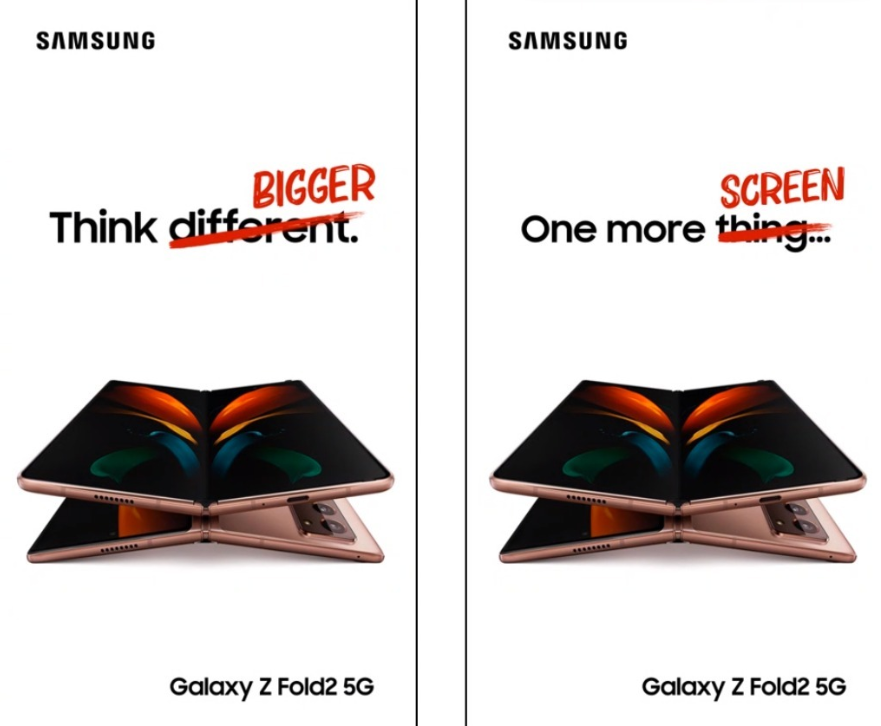
Samsung's Foldable Phone Campaign
Tesla's Electric Future Ad
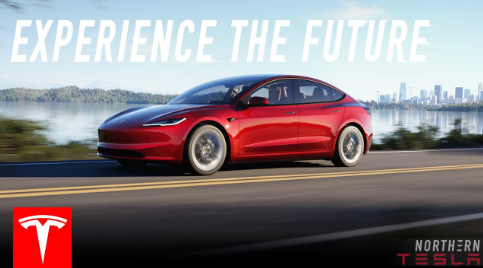
Minimalist value proposition ads use a sharp promise, strong visual hierarchy, and limited copy. They work because they reduce cognitive load in feeds crowded with noise.
Use this format when:
- The audience already understands the category.
- The product has one clear differentiator.
- The ad needs to stop a fast scroll.
- You are launching a retargeting or consideration campaign.
Strong minimalist ads usually include:
- One headline that says the value plainly.
- One visual that supports the promise.
- One proof point or credibility cue.
- One next step.
Weak minimalist ads usually fail because they confuse "simple" with "empty." A clean layout only works if the message is specific.
Example: In 2026, many AI and software brands are using sparse creative to explain complex features in a single customer benefit. The better versions do not say "powered by AI." They say what the user can finish faster, avoid, compare, predict, or automate.
Benefit-First Performance Ads
Original campaign examples
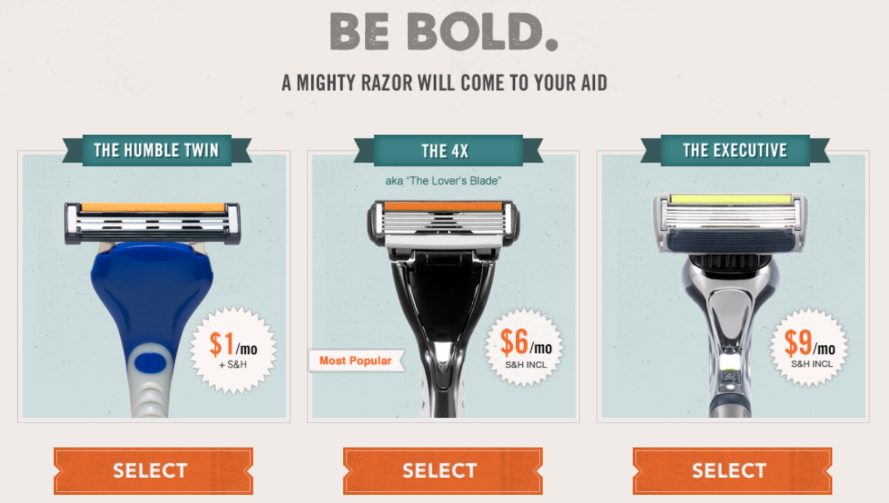
Dollar Shave Club
Dove Real Beauty Campaign
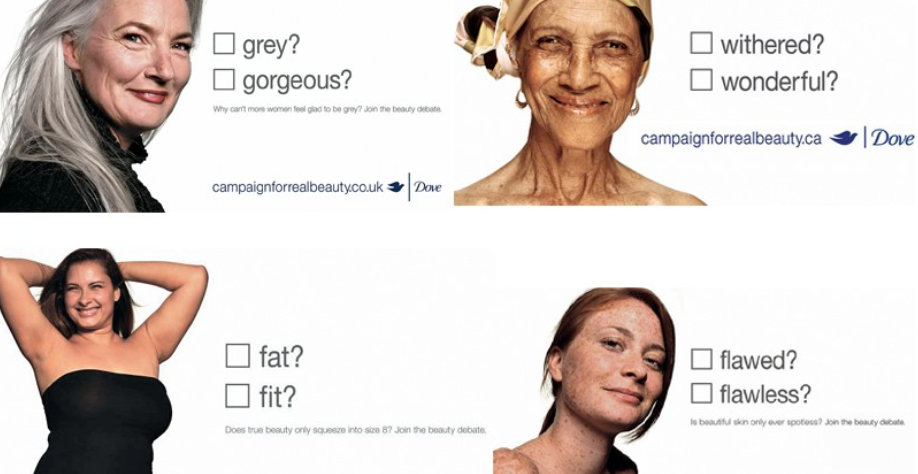
Benefit-first ads translate product features into personal outcomes. They are especially useful for paid social, search landing pages, shopping ads, and lead generation campaigns.
Instead of saying:
- "Advanced analytics dashboard"
- "Dermatologist-formulated serum"
- "AI campaign optimization"
Say:
- "See which channel is wasting budget before the next media meeting."
- "Reduce guesswork around sensitive skin routines."
- "Find the ad groups that need budget before spend drifts."
The structure is simple:
- Name the problem.
- Show the desired outcome.
- Provide proof.
- Make the next step low-friction.
For service businesses, this format pairs well with Google Ads campaigns because it maps directly to search intent. For ecommerce and beauty brands, it works well in creative testing because each benefit can become its own ad angle.
Storytelling Ads
Original campaign examples
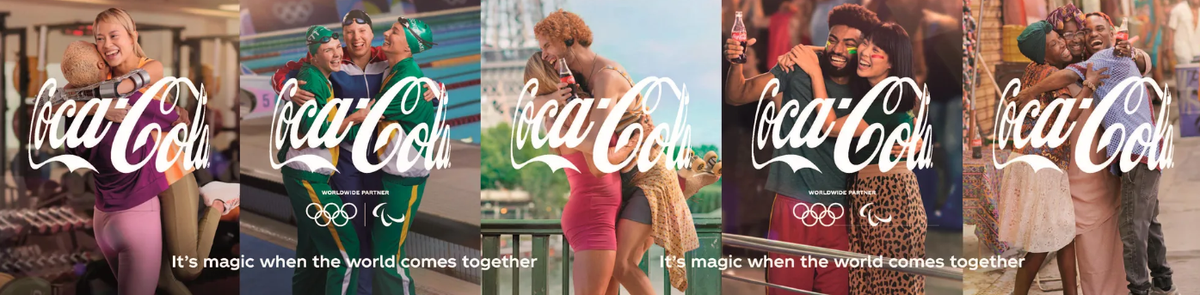
Coca-Cola's Olympic Campaigns
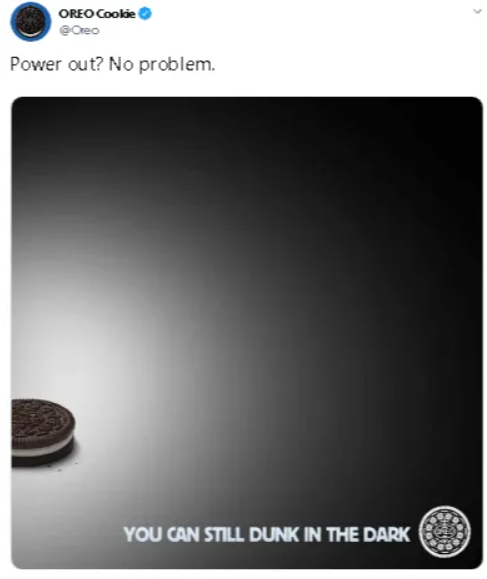
Oreo's Super Bowl Twitter Moment
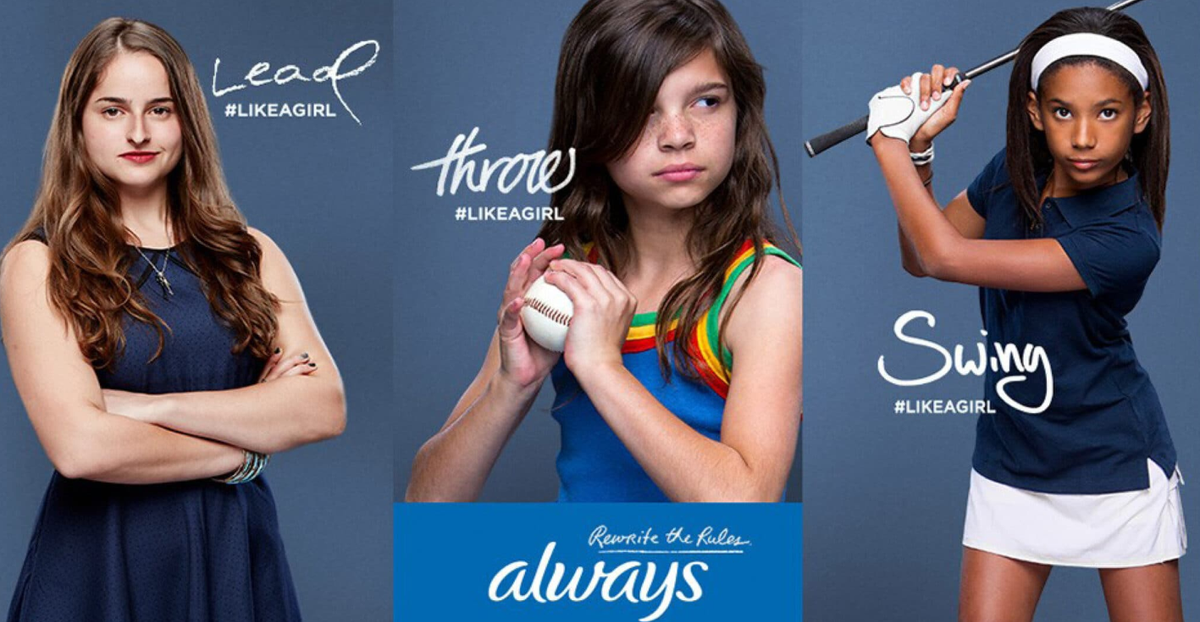
Always #LikeAGirl Campaign
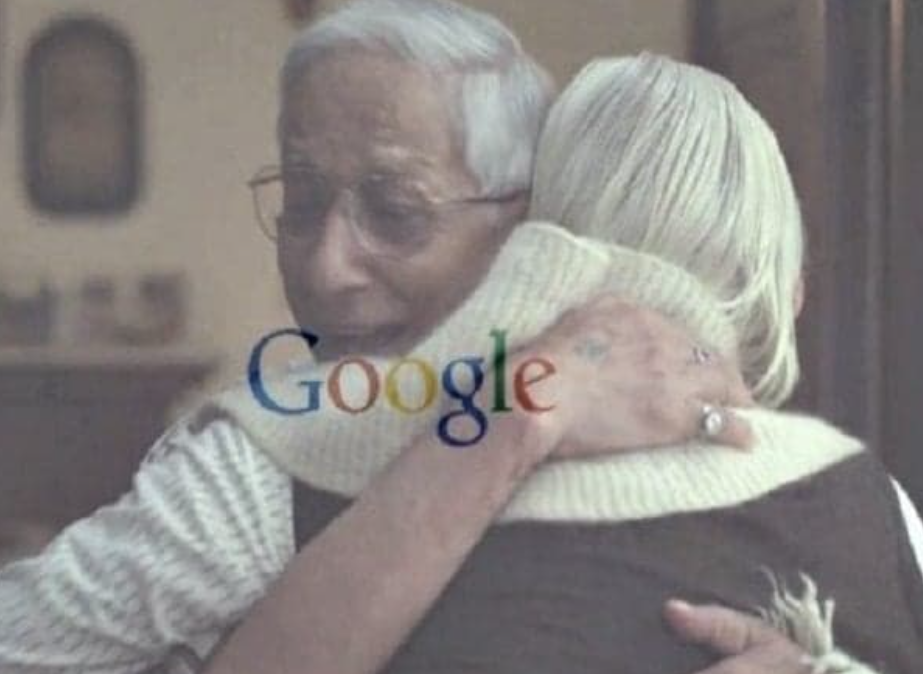
Google's "Reunion" Ad
Storytelling ads are built around change. They show a before state, a turning point, and an after state. This format works when the buyer needs emotional context before they trust the offer.
Use storytelling when:
- The product is new or unfamiliar.
- The purchase is high-consideration.
- The category has low trust.
- The brand has a founder, customer, or community story worth using.
The common mistake is making storytelling too long. A strong ad story does not need a full documentary arc. It needs a recognizable tension and a credible resolution.
Good structures include:
- Founder saw a problem, built a better way.
- Customer was stuck, found a repeatable solution.
- Community formed around a shared frustration.
- Product changed one specific routine.
In 2026, storytelling is also becoming more modular. The same story can become a short video hook, a creator brief, a founder email, a landing page section, and a retargeting sequence.
Proof-Led Ads
Original campaign examples
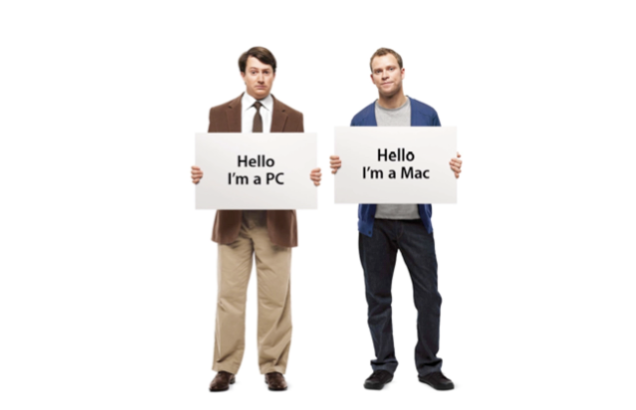
Apple vs. PC Campaign (2006-2009)
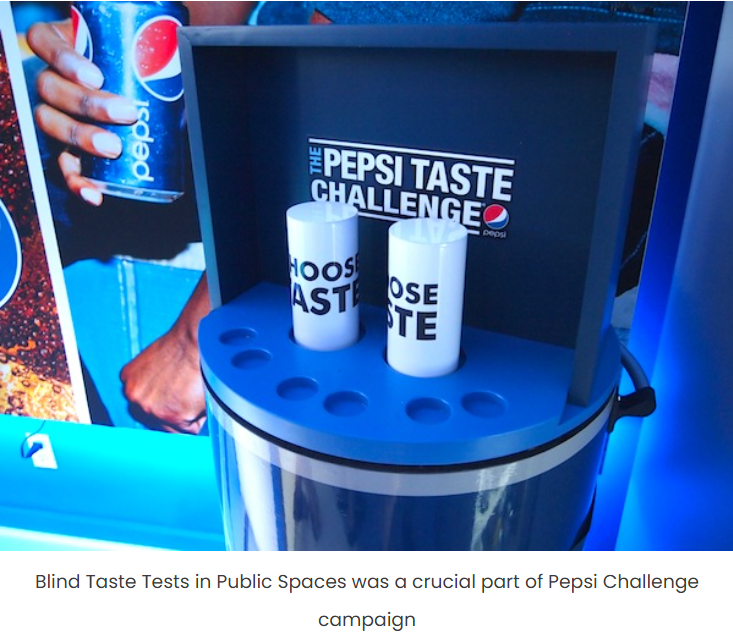
Pepsi Challenge (1975-Present)
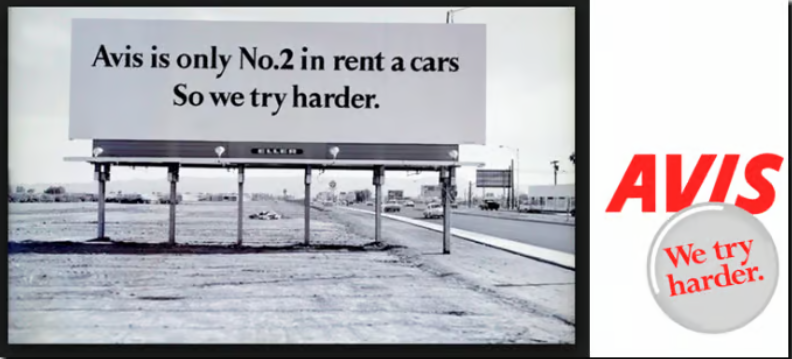
Avis "We Try Harder" Campaign
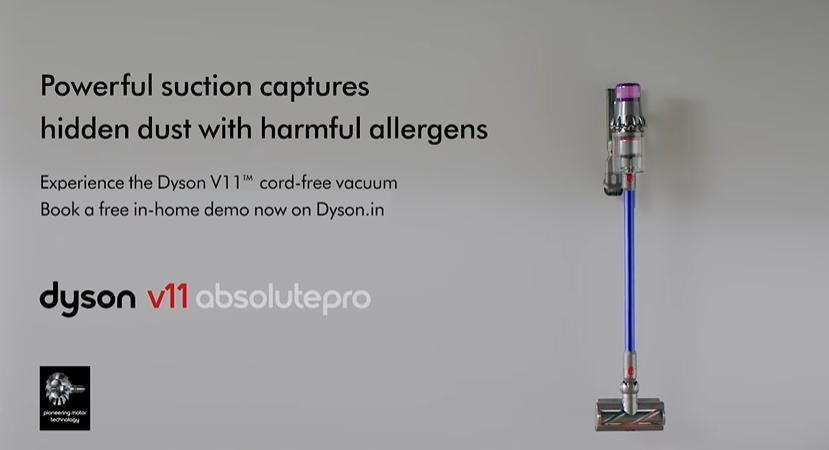
Dyson Vacuum Cleaners
Tide Pods
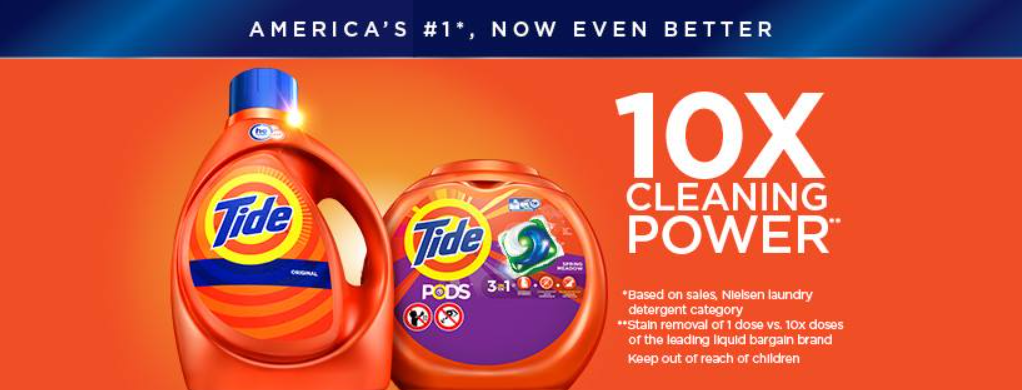
Proof-led ads make credibility the creative idea. They work well when buyers are skeptical, the market is crowded, or the claim needs support.
Types of proof include:
- Customer quotes and UGC.
- Before-and-after data.
- Third-party reviews.
- Clinical, technical, or operational validation.
- Side-by-side comparisons.
- Transparent pricing or process details.
The best proof-led ads are specific. "Trusted by thousands" is weaker than "3,400 appointments booked from local search in 90 days." If the proof is sensitive or client-specific, use ranges, anonymized examples, or clearly labeled internal benchmarks.
This format is especially useful for healthcare, B2B, SaaS, and high-ticket services where the buyer needs to reduce perceived risk before converting.
Creator and Community Ads
Original campaign examples
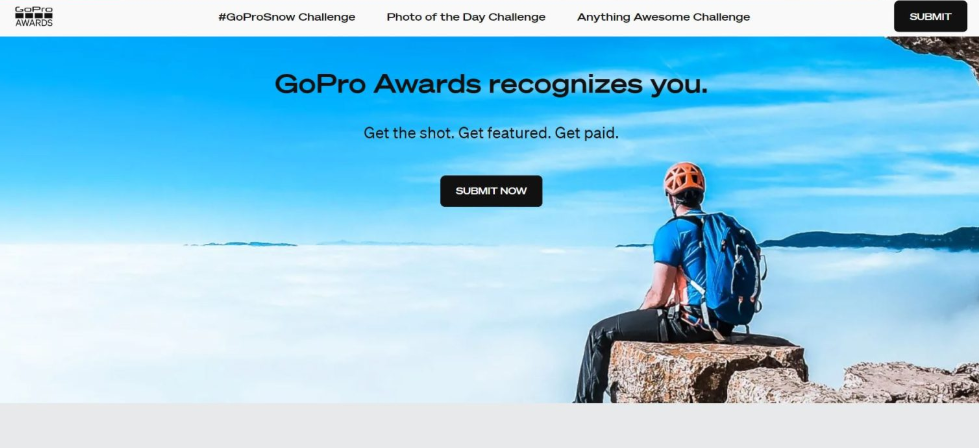
GoPro: Community-Driven Brand
Airbnb's #WeAccept Campaign
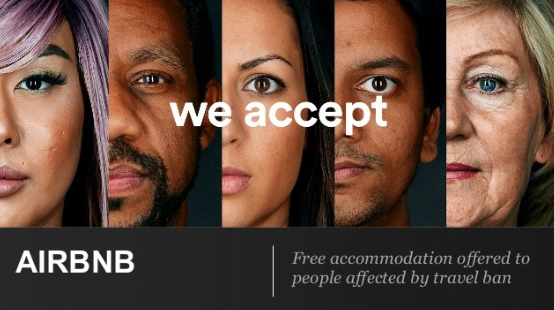
Creator ads work when they borrow trust from people the audience already believes. Community ads work when they show that the product belongs inside a group identity, routine, or cultural moment.
In 2026, creator strategy is less about one viral post and more about creative supply. Brands need repeatable ways to turn creator insights into paid media assets.
A strong creator ad brief includes:
- The customer tension.
- The claim the creator should prove.
- The usage moment to show.
- The phrases to avoid.
- The offer or CTA.
- The required disclosure language.
Creator ads should not look like polished brand commercials with a different face. They should feel native to the platform while still being structured enough for media buying.
For social-first campaigns, this connects directly to TikTok advertising, Reels, Shorts, influencer whitelisting, and paid creator testing.
Search, Shopping, and Retail Media Ads
Original campaign examples
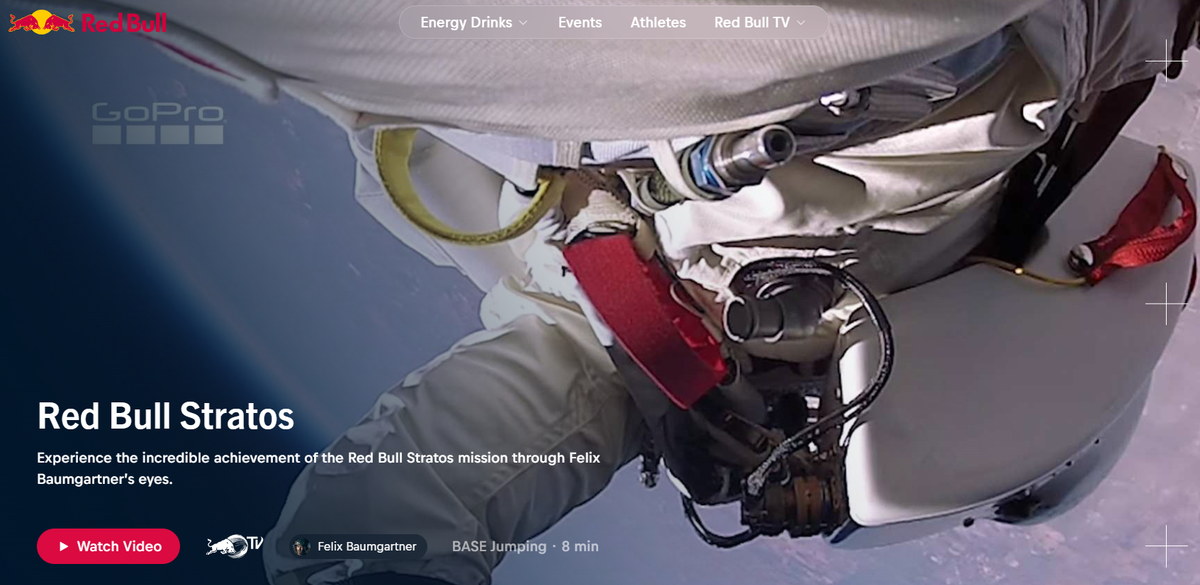
Red Bull Stratos Jump
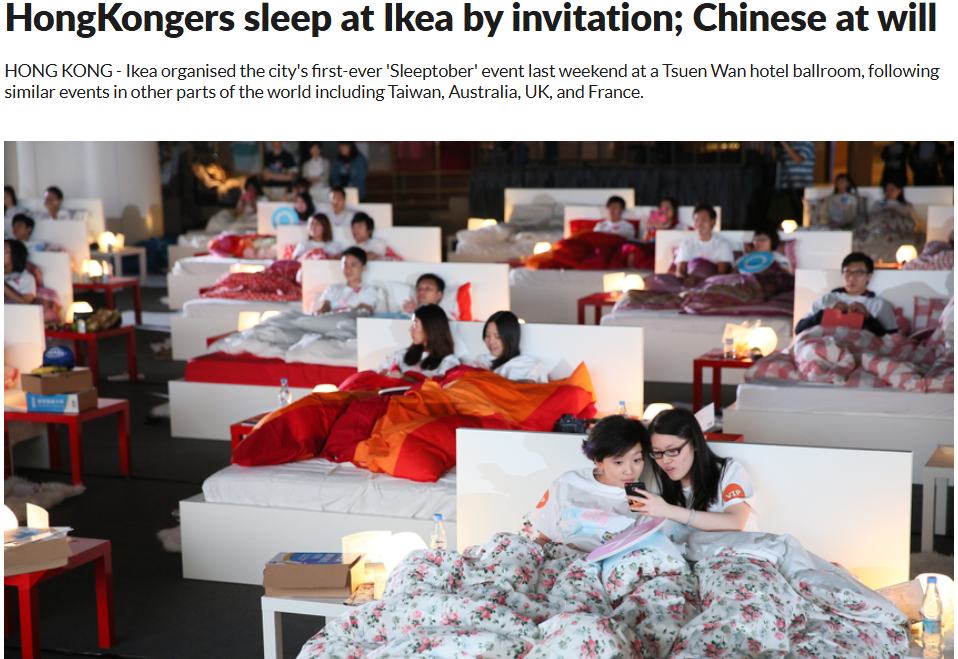
IKEA Sleepover Experience
Samsung Galaxy Studio

Search and retail media campaigns are human-centered when they respect intent. Someone searching "best med spa marketing agency" is not in the same mindset as someone watching a founder story on Instagram.
Use these formats differently:
- Search ads: answer the intent and qualify the click.
- Shopping ads: reduce product uncertainty with clear attributes.
- Retail media ads: connect product relevance to category behavior.
- Performance Max and automated campaigns: use creative assets that represent distinct customer problems, not five versions of the same headline.
Retail media is especially important in 2026 because more product discovery is happening inside marketplaces and commerce platforms. The creative still matters, but the media environment is closer to the shelf than the feed.
AI-Assisted Ads
Original campaign examples
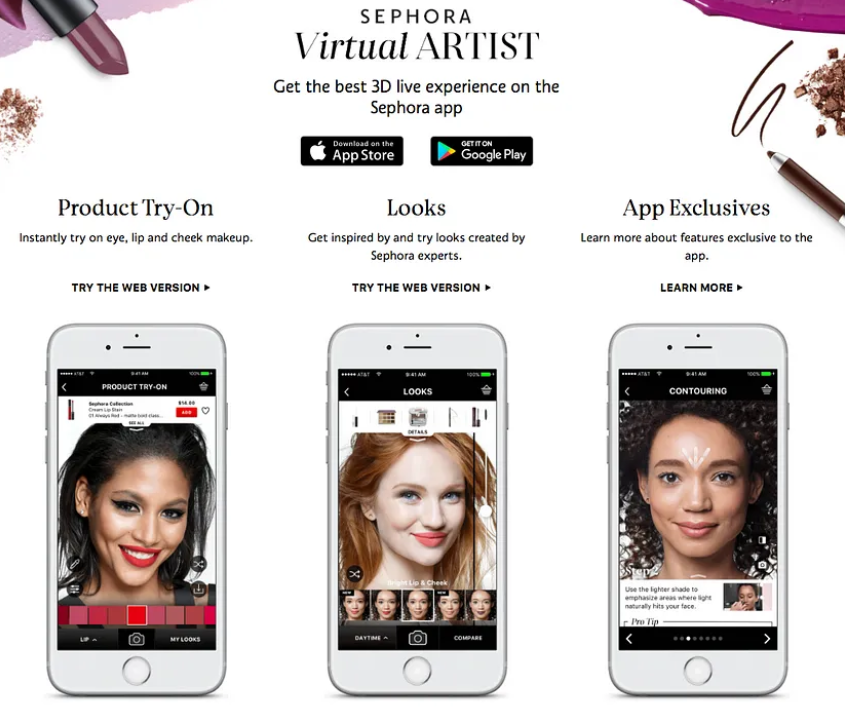
Sephora's Virtual Artist
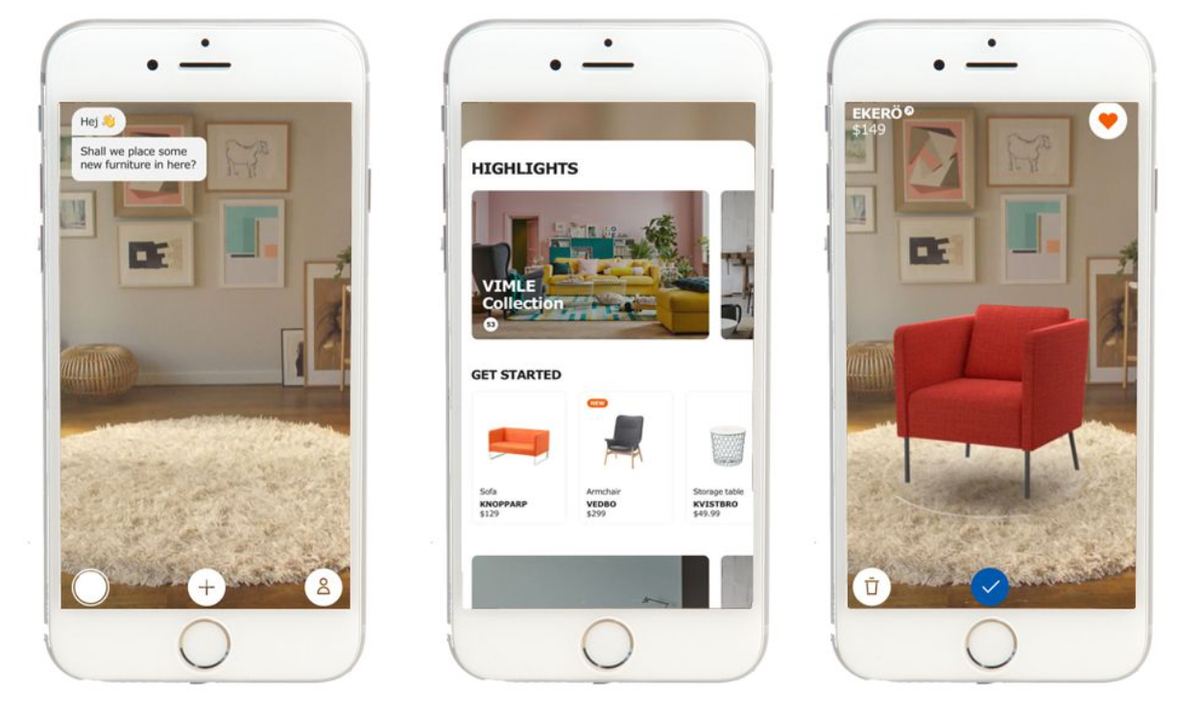
IKEA Place AR App
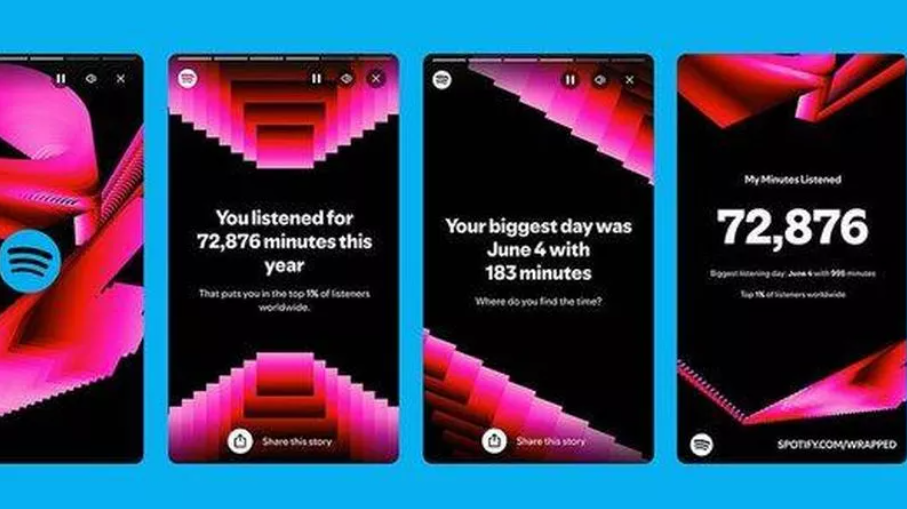
Spotify Wrapped
AI can help teams produce more ad variations, summarize research, resize creative, generate concepts, and identify performance patterns. It should not replace the strategic idea.
Use AI for:
- Producing first-draft headline variants.
- Turning customer reviews into message themes.
- Finding repeated objections in sales calls.
- Generating storyboard options.
- Repurposing long-form content into ad angles.
Do not use AI for:
- Unsupported claims.
- Fake testimonials.
- Medical, financial, or legal promises.
- Generic creative that could belong to any brand.
The practical rule: AI can expand the creative set, but a human strategist still needs to decide what the campaign should make the buyer believe.
2026 Campaign Examples and What They Show
Original campaign examples
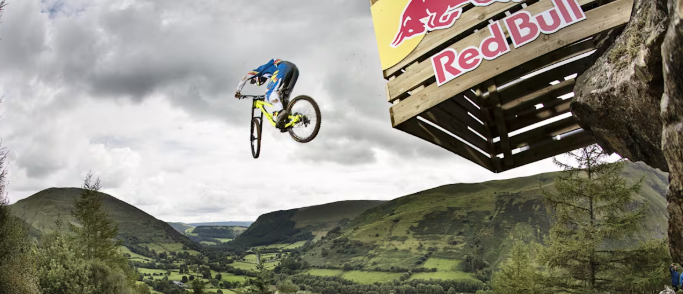
Red Bull: Extreme Lifestyle Positioning
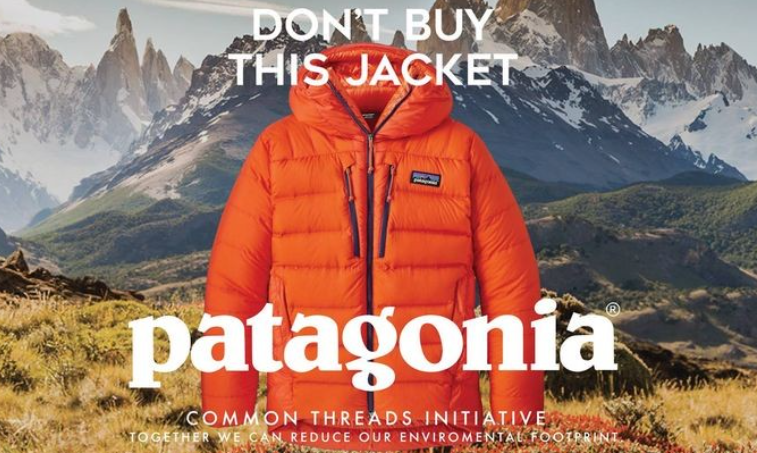
Patagonia: Sustainable Lifestyle Branding
Rocket Mortgage: Emotional Utility at Super Bowl Scale
Rocket Mortgage's 2026 Super Bowl campaign showed how a financial services brand can turn a complex, high-stakes product into a simple emotional idea around home and belonging. The lesson is not "buy a Super Bowl spot." The lesson is to connect the product to the human outcome the buyer actually wants.
For performance teams, that means landing pages and ads should not only explain rates, forms, or process. They should clarify the life improvement behind the decision.
Anthropic and AI Brands: Clarity Beats Hype
AI brands entering mass advertising in 2026 face a messaging problem: everyone says "AI," but buyers want to know what changes in their workflow. The stronger campaigns explain the job the product does and the risk it reduces.
For B2B campaigns, this means moving from vague AI claims to role-specific messages: help the analyst compare faster, help the marketer test more safely, help the operator find issues sooner.
Svedka: AI Creative as Attention, Not Strategy
Svedka's 2026 AI-generated Super Bowl creative is a useful caution. AI-generated visuals can create attention, but novelty alone does not make a campaign persuasive. The campaign still needs a brand idea, a memorable promise, and a reason to act.
The takeaway: use AI as production leverage, not as the core strategy.
CAVA: Community Merchandise as Paid Media Fuel
CAVA's 2026 fan-led merchandise moments show how community behavior can become campaign material. The brand did not need to invent attention from scratch; it amplified what customers were already doing.
For ecommerce, restaurants, and lifestyle brands, this is a reminder to watch customer rituals. Comments, reviews, creator posts, in-store habits, and product hacks can all become paid ad concepts.
Retail Media and Commerce Campaigns: The Shelf Is Becoming the Ad
As retail media grows, more campaigns are being judged closer to purchase. Creative needs to do more than build awareness; it must answer product questions, differentiate quickly, and match the shopper's category intent.
That means product titles, PDP content, comparison claims, offer language, and creative assets should be planned together. The ad and the product page are now part of the same persuasion system.
How to Build a Better Campaign Brief
A good campaign brief should be short enough to use and specific enough to prevent generic creative.
Include:
- Audience: who the campaign is for and what they already believe.
- Tension: the problem, desire, or objection the ad must address.
- Promise: the main value proposition.
- Proof: the evidence that makes the promise believable.
- Formats: the channels and creative types needed.
- Offer: the next action.
- Testing plan: the angles, hooks, and proof points to compare.
- Guardrails: claims, compliance issues, brand language, and exclusions.
This keeps creative, media, and landing page teams aligned. It also makes reporting easier because each ad variation maps back to a strategic hypothesis.
Common Mistakes to Avoid
- Leading with the channel before defining the buyer problem.
- Using AI-generated creative without a clear strategic idea.
- Treating UGC as random content instead of structured proof.
- Making minimalist ads too vague.
- Using the same message for cold traffic, retargeting, and search.
- Sending high-intent traffic to a generic landing page.
- Measuring only clicks instead of downstream quality.
The strongest campaigns are built as systems. The ad earns attention, the landing page answers the next question, the offer reduces friction, and the follow-up reinforces the same promise.
Final Takeaway
Ad campaigns in 2026 need more than polish. They need sharper thinking. The winning formula is human insight, clear positioning, proof, fast creative testing, and a buying path that feels obvious.
Automation can make campaigns faster. Strategy makes them worth scaling.
For more execution guidance, see our guides to media planning tools, performance marketing agencies, and ad creative best practices.
Frequently Asked Questions
A human-centered ad campaign starts with the audience’s goals, emotions, and pain points, then connects the product to a clear transformation or outcome.
Modern brands often perform best with clear value proposition ads, benefits-focused messaging, emotional storytelling, social proof, and channel-specific creative testing.
Tags
Let's Grow Your Brand With Us
Book a free consultation and get a custom growth strategy tailored to your business.
Book Free ConsultationGet marketing insights in your inbox
Join our newsletter for the latest digital marketing tips and strategies.
By subscribing, you agree to our Privacy policy .

About the author
Jonathan SaeidianHead of Strategy at Brenton Way
Jonathan Saeidian is the founder of Brenton Way, Bridge, and Growth Virality, where he builds measurable growth marketing systems for startups, scaleups, and enterprise teams.


