2026 edition
Ecommerce Marketing Playbook
A profit-first guide for established DTC and Shopify teams that need to connect acquisition, merchandising, conversion, retention, inventory, and measurement.

- Profit-first growth strategy
- Built for DTC and Shopify teams
- 50-chapter complete playbook
A quick look inside
Explore the topics below, or read through the playbook in order.
part 01
Strategy, economics, and measurement
chapter 1
Who this playbook is for
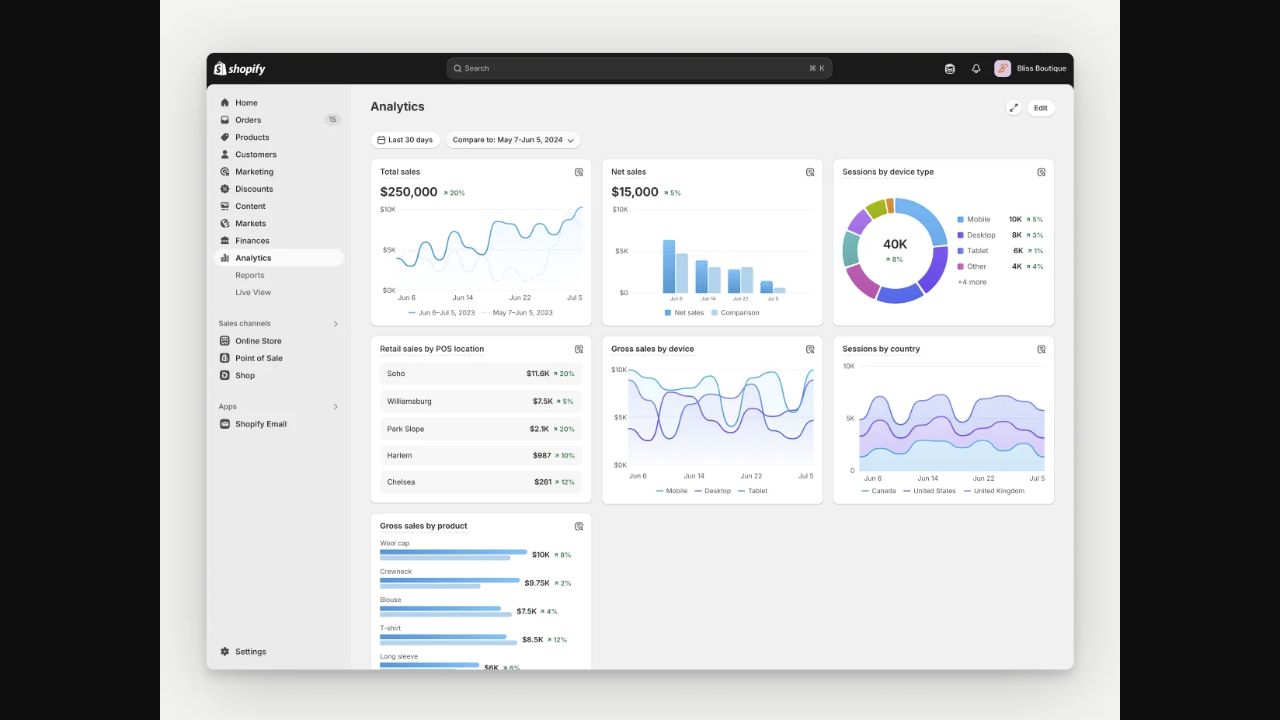
This playbook is for DTC brands, Shopify marketing teams , and ecommerce teams planning acquisition, product-page improvements, and repeat-purchase campaigns.
Brenton Way’s ecommerce marketing services bring those areas together. The chapters below show the individual decisions, with examples your team can review against its own store.
chapter 2
How to use this playbook
Choose the chapter that matches the problem you are working on: acquisition cost, product-page conversion, search visibility, or repeat purchases.
Compare the example with your store, choose one change to test, and agree on the result you will measure before launching it.
- Identify which products can absorb more acquisition.
- Find the landing paths that deserve CRO attention first.
- Separate incremental contribution margin from headline revenue.
- Understand which customers repay CAC fast enough to scale.

chapter 3
What drives profitable ecommerce growth
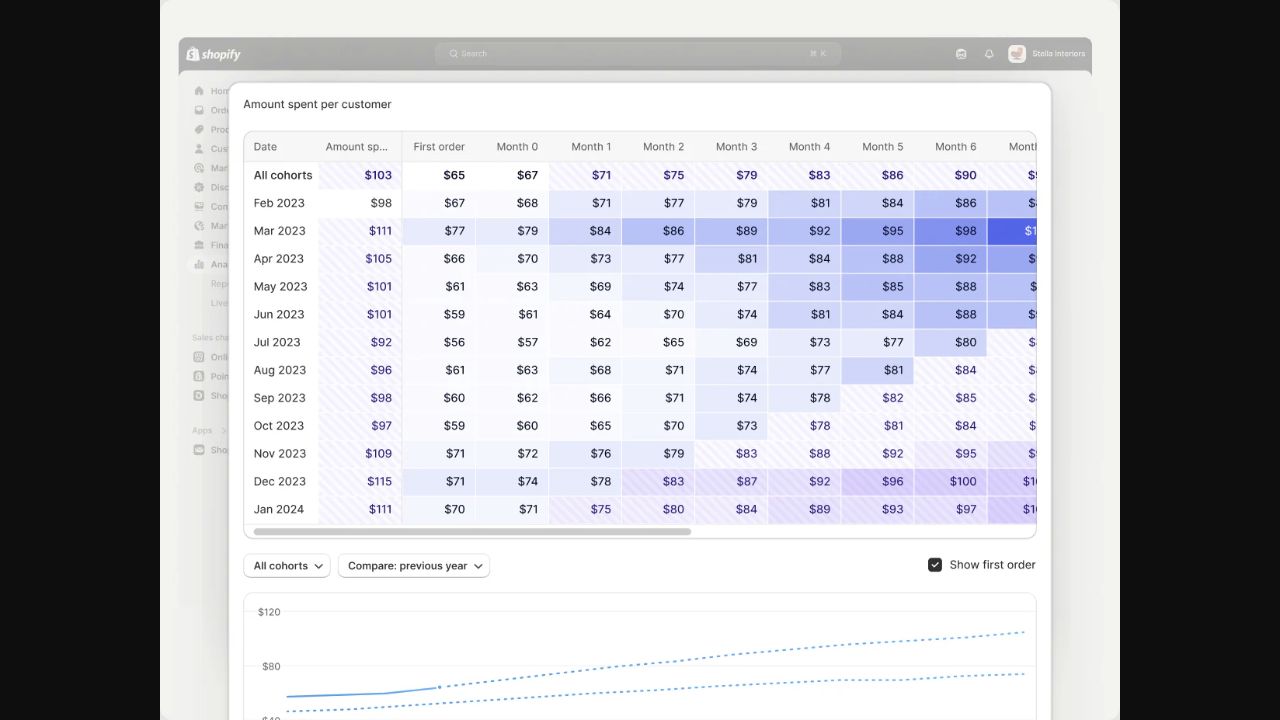
Review traffic, conversion, average order value, and repeat purchases together. More orders can still leave less profit when discounts, fulfillment, returns, and advertising costs rise.
The cohort report below separates customers by when they first purchased. Use it to compare what each group spends after the first order, rather than judging acquisition on that order alone.
Our ecommerce trends and statistics offer market context. Use your store’s margins and purchase history when setting campaign targets.
chapter 4
Set acquisition spend against product margins
Shopify’s conversion-rate guidance notes that benchmarks vary by category and context. Benchmarks are useful orientation, but they do not replace store-specific economics.
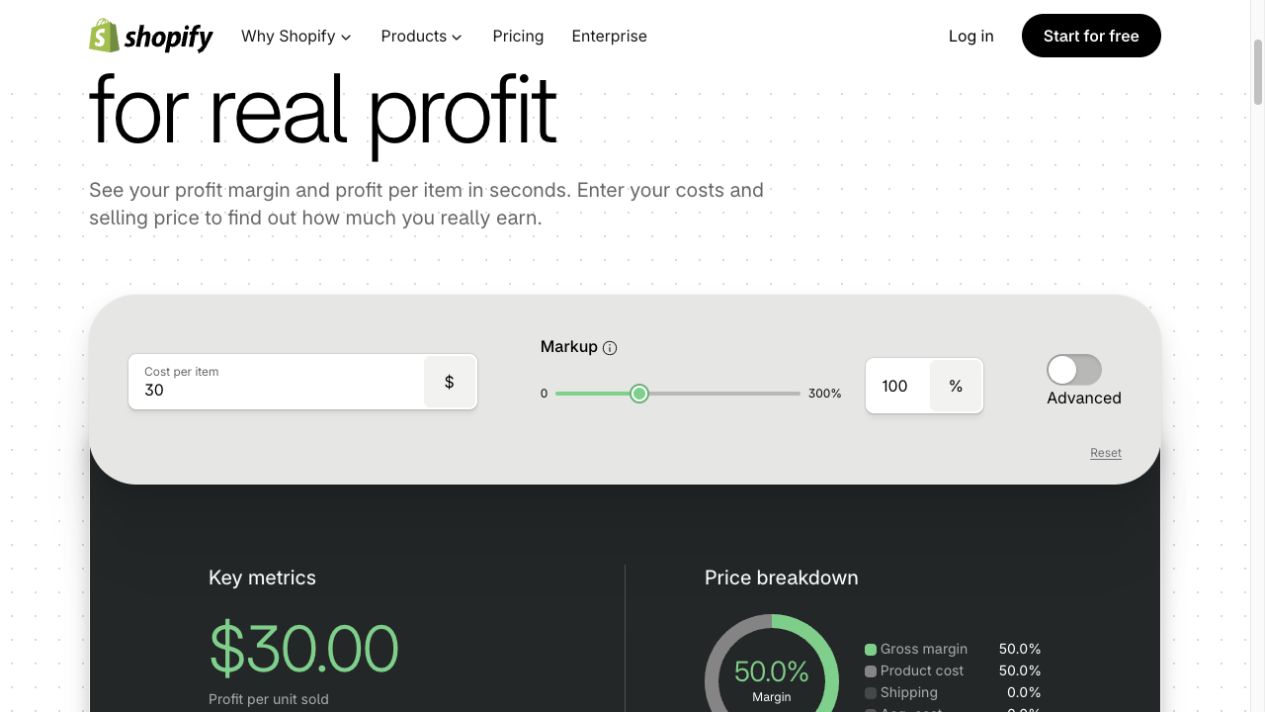
Every growth plan should start with a profit model that includes product margin, fulfillment, returns, first-order AOV, repeat timing, and contribution margin after marketing. Pressure-test the result with the CAC payback calculator .
chapter 5
The first 90 days
Days 1–15: audit economics, analytics, conversion paths, product hierarchy, and channel mix. Do not start with creative volume until the store can explain which products and customers are profitable.
Days 16–30: repair the highest-friction shopping paths—homepage direction, navigation, collection filters, PDP proof, shipping and returns clarity, and email capture.
Days 31–60: launch segmented lifecycle flows, category SEO improvements, creative tests, and offer tests mapped to margin guardrails.
Days 61–90: scale by contribution margin, MER, CAC payback, repeat purchase rate, and product-level retention signals.
chapter 6
Measurement foundation
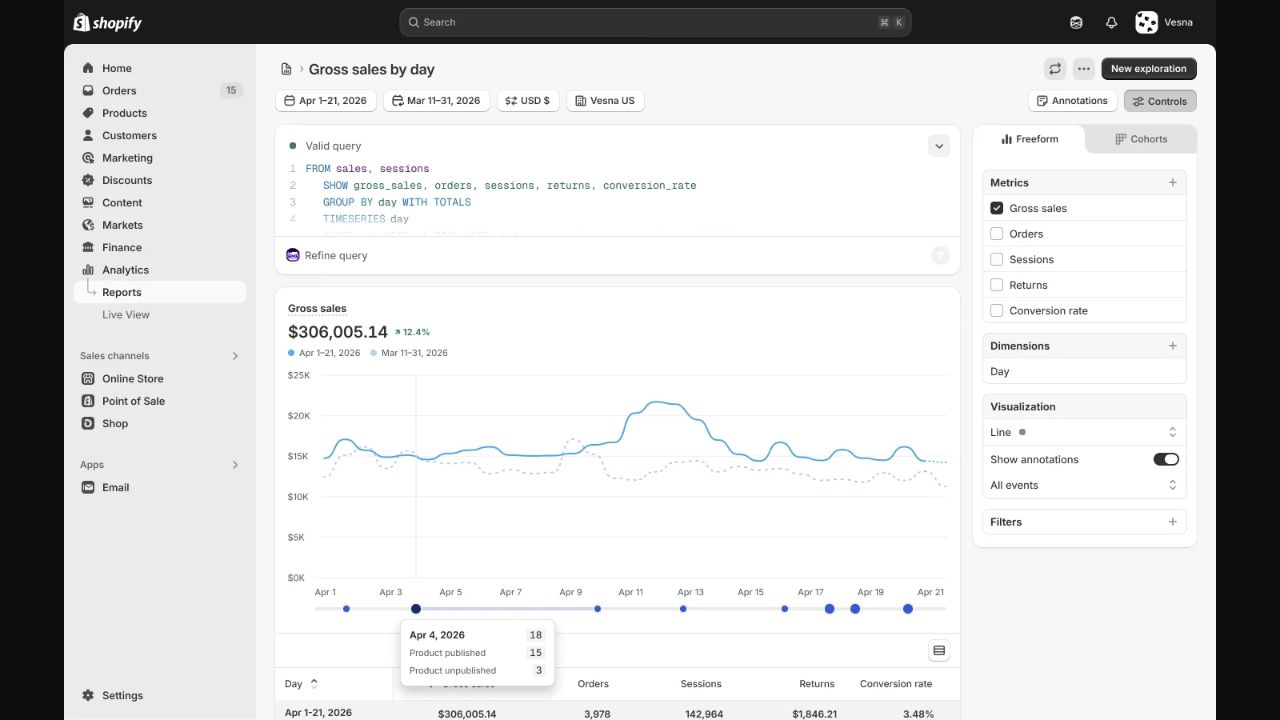
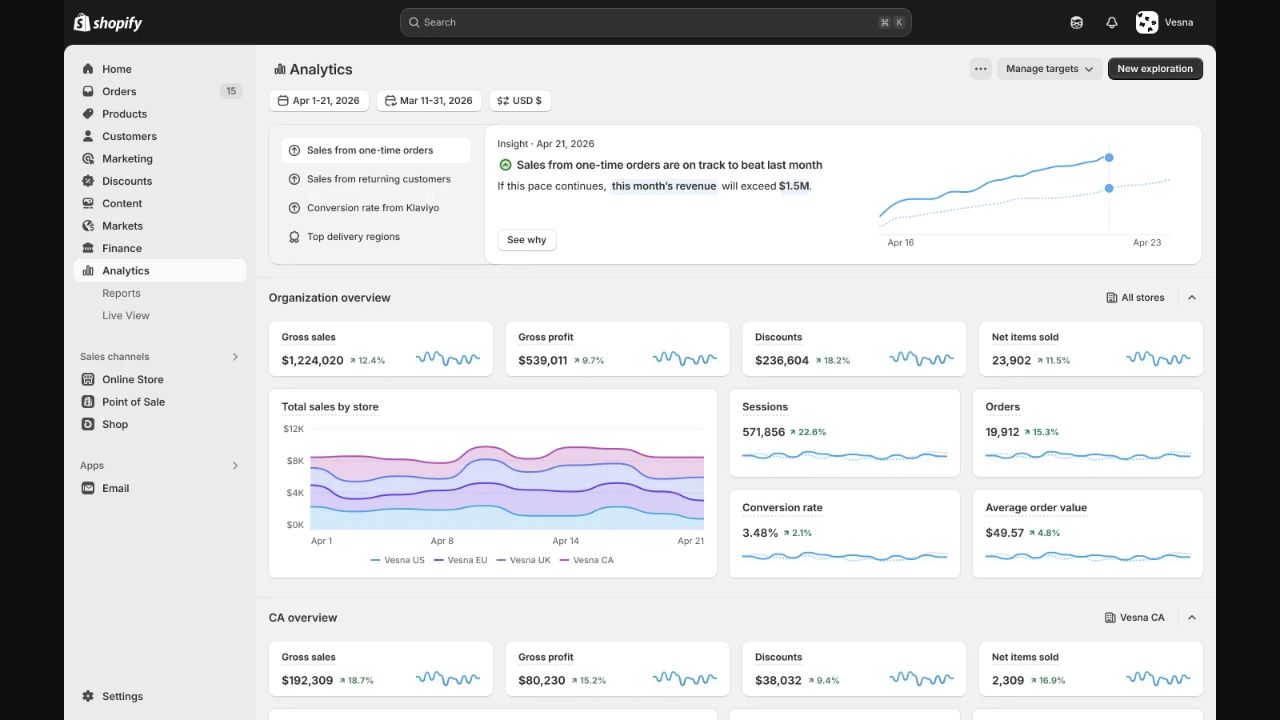
Platform dashboards optimize inside their own reporting boundaries. They are useful for in-platform decisions but incomplete for business-level scaling. Ecommerce measurement also needs source-of-truth revenue, refunds, discount cost, COGS, shipping, payment fees, and repeat purchase behavior.
chapter 7
Margin guardrails
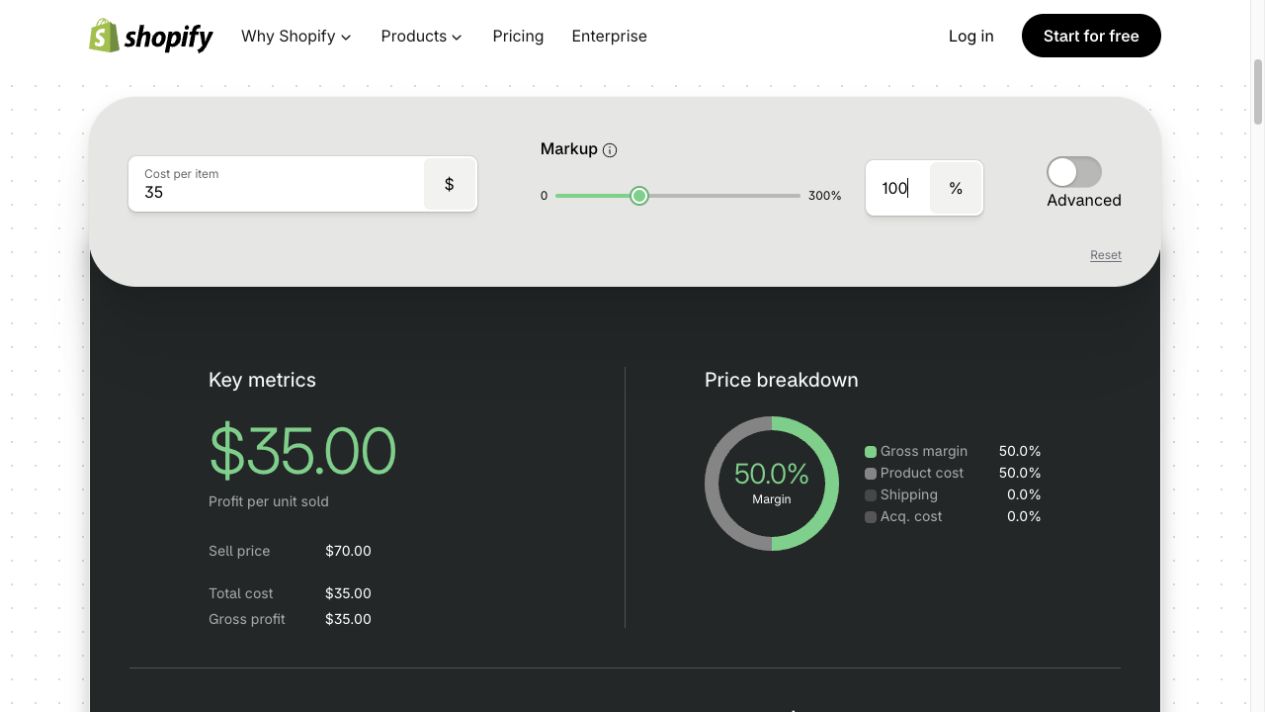
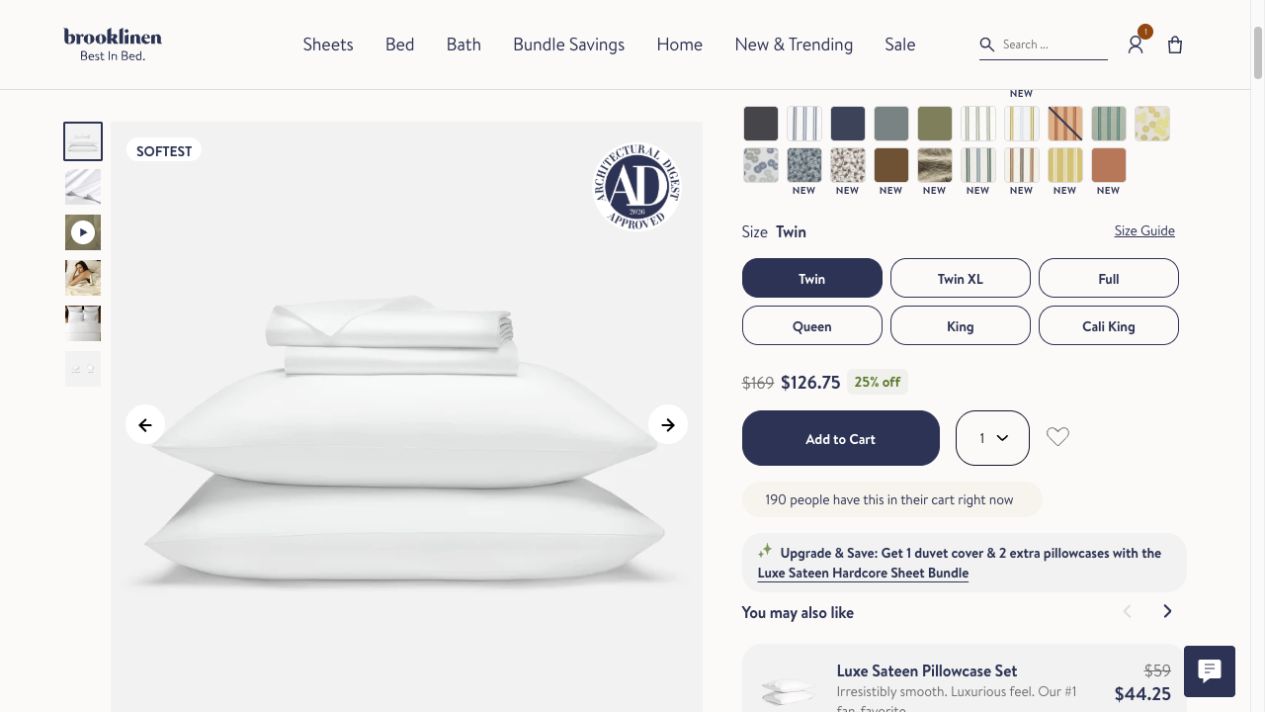
No ecommerce team should scale spend without a simple margin policy. The guardrail must be visible in campaign planning, email calendars, landing-page tests, and promotion reviews.
- Target contribution margin by product or category.
- Maximum first-order CAC by product family.
- Discount ceiling by offer type.
- Free-shipping threshold based on AOV and shipping cost.
- Return-rate threshold that pauses aggressive scaling.
- CAC payback target by new-customer cohort.
chapter 8
Channel role map
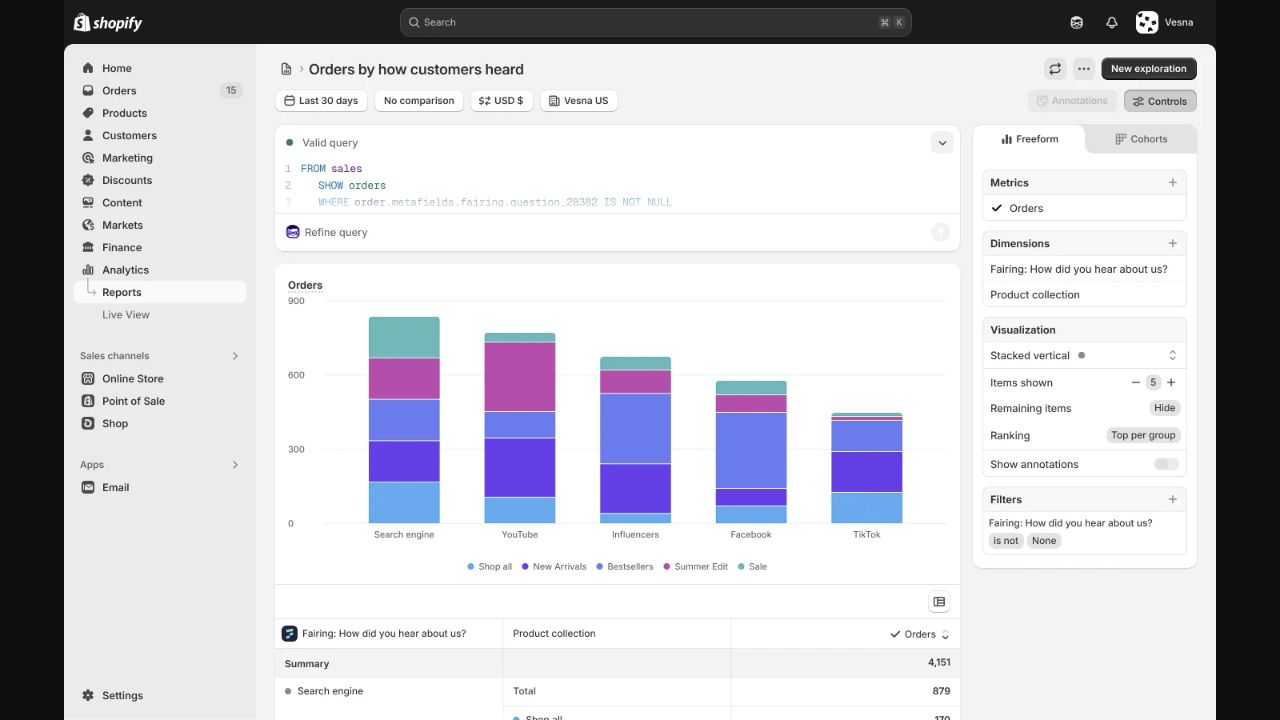
Separate channel jobs before evaluating performance. A channel should be judged against the role it can actually perform.
chapter 9
Product economics map
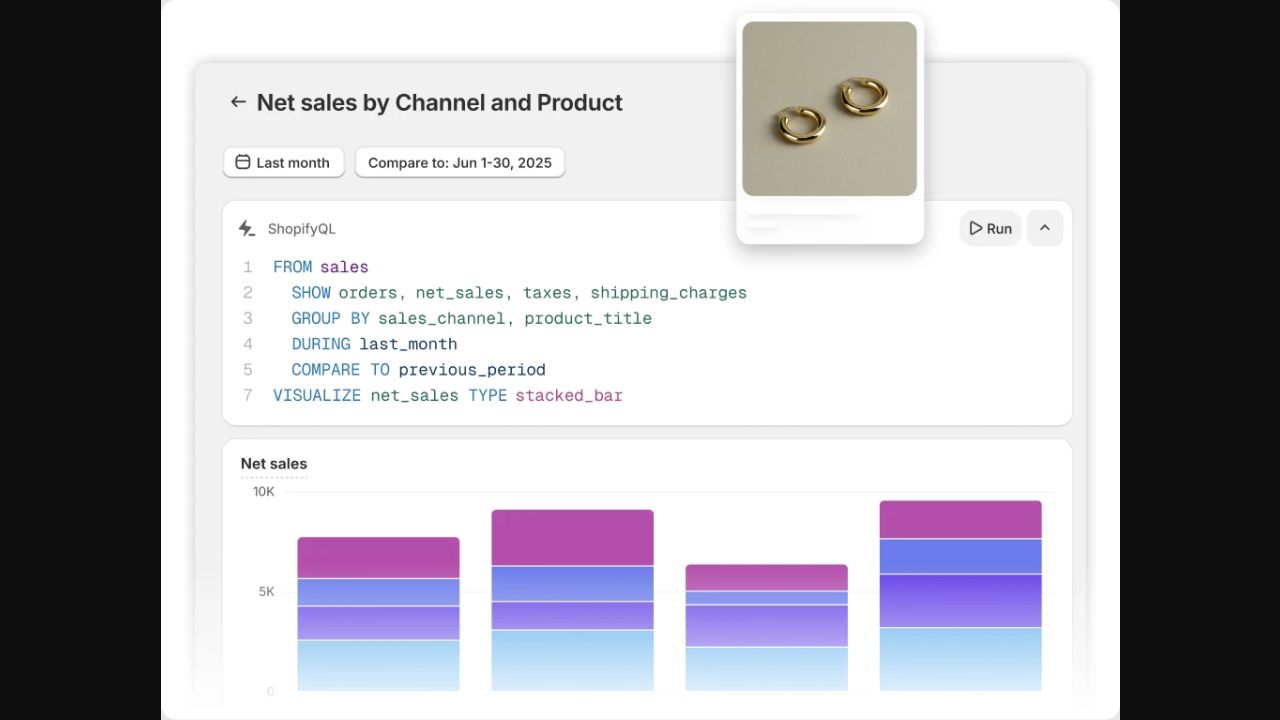
Segment products by both demand and economics. Homepage, collection, PDP, ad creative, and email hierarchy should reflect this map. Do not give equal merchandising weight to products with unequal economics.
chapter 10
Offer architecture
Match the offer to the product’s margin and the customer’s reason to buy. A bundle, a sample, and a discount solve different problems. Compare product combinations, pricing, and the landing-page message in the Hannah Blount case study .
part 02
Storefront and conversion
chapter 11
Homepage merchandising
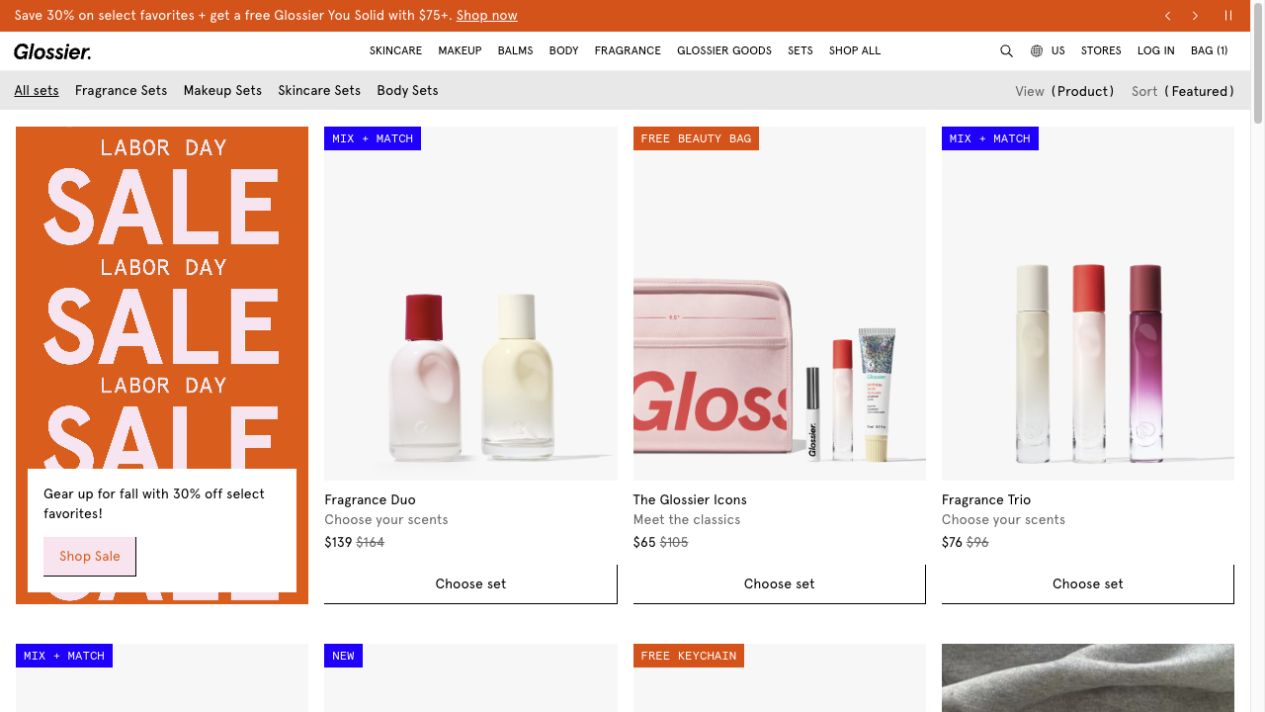
The captured Glossier homepage uses a product-led hero, clear navigation, a direct shop path, and brand photography that immediately explains the category. It behaves like a shopping router, not a generic brand essay.
Use the hero for the current priority product or offer, category tiles for shoppers who know what they need, best sellers for shoppers seeking proof, and education or a quiz for shoppers who need guidance.

chapter 12
Collection page UX
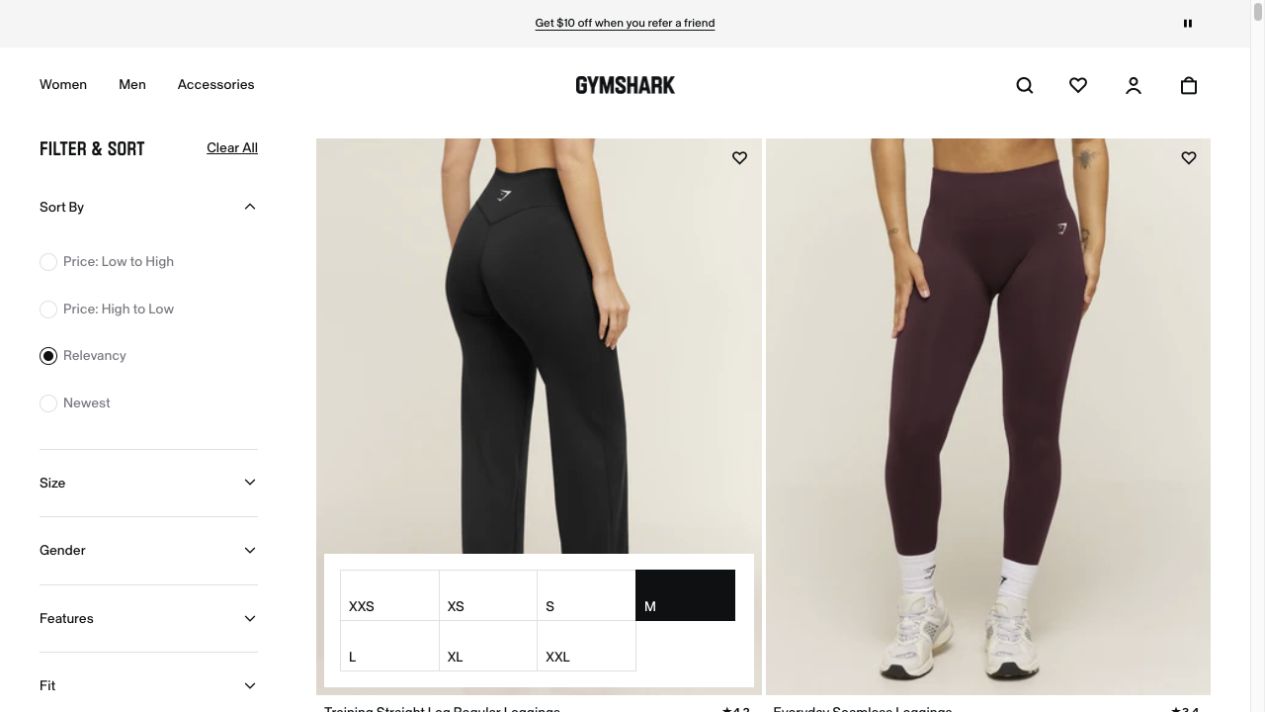
Collection pages are often the highest-leverage SEO and paid-traffic destinations, yet many stores treat them as static grids. They should help shoppers compare, filter, and understand products without unnecessary PDP visits.
- Use filters based on buying criteria, not internal taxonomy.
- Show sorting, product badges, reviews, availability, and useful shipping signals.
- Add category copy that supports search and decisions without overwhelming the grid.
chapter 13
Product detail page conversion
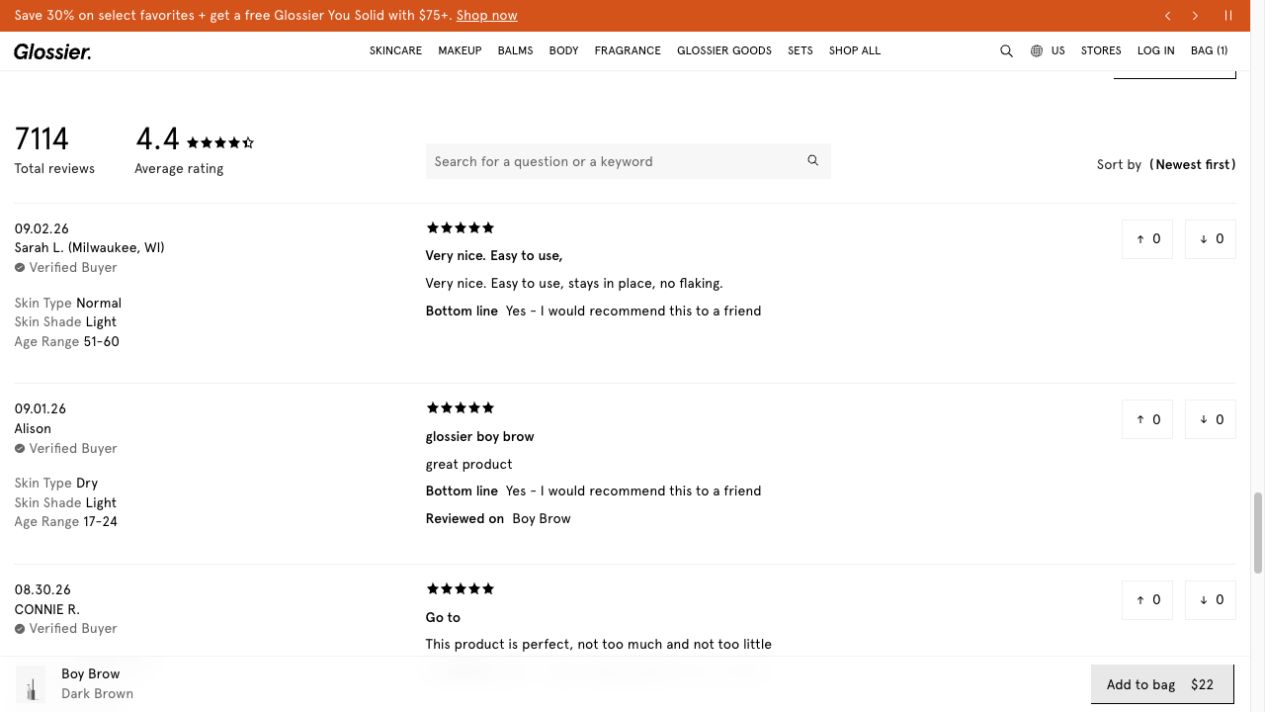
The captured Glossier PDP demonstrates common conversion aids: product imagery, review proof, variant selection, CTA, and shopper reassurance. Judge the page against the buying decision, not a generic conversion benchmark.
A PDP should answer what the product is, who it is for, which variant to choose, what supports the claim, when it arrives, what happens if it does not work, and what pairs with it. The PDP is not a database record; it is a buying guide. Brenton Way’s conversion optimization practice connects that page work to qualified traffic and contribution margin.

chapter 14
Bundles and kits
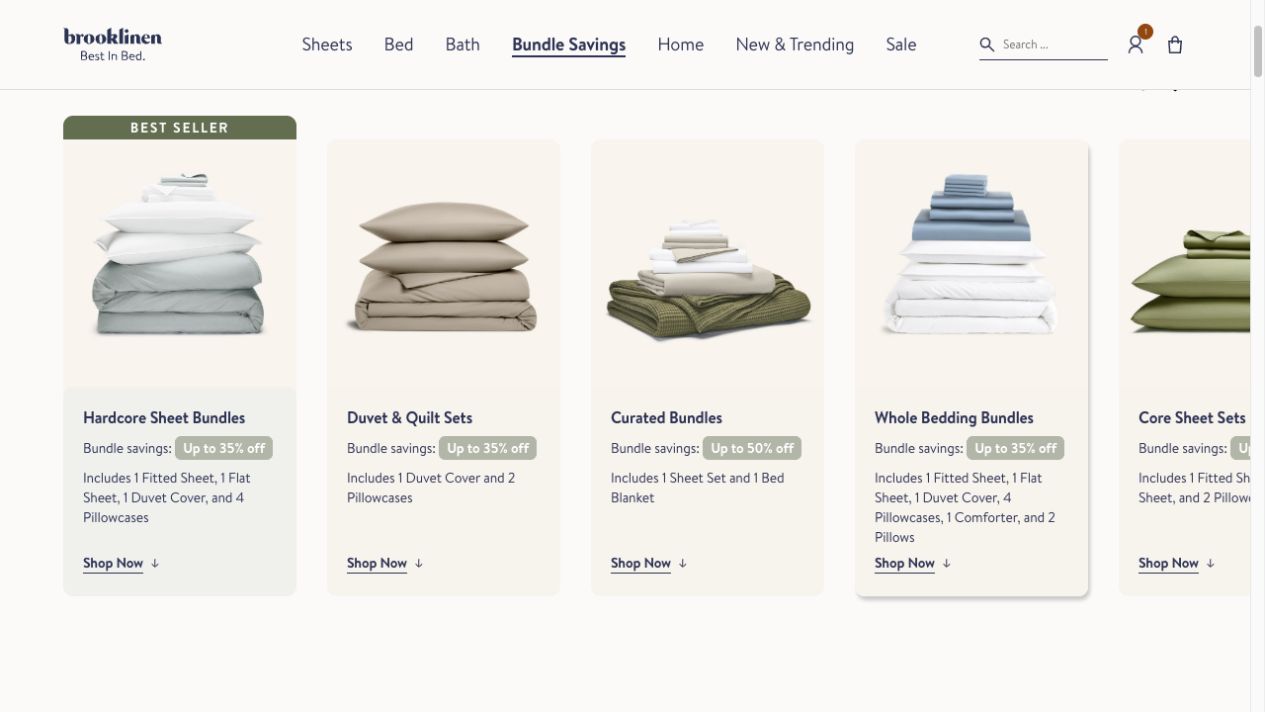
Bundles can lift AOV and simplify decisions, but only when the combination is legible. A bundle that feels like leftover inventory creates friction.
Use bundles as starter kits, routines, replenishment sets, or gifts. Show included items, savings, why the set belongs together, the return or substitution policy, and the margin impact.
chapter 15
Checkout and trust
Checkout is where uncertainty becomes abandonment. The goal is not to decorate checkout; it is to remove hidden costs, unclear delivery, payment anxiety, and surprise account requirements.
- Show shipping cost or the threshold before checkout.
- Make returns, exchanges, payment methods, and delivery expectations easy to find.
- Minimize form fields and offer express wallets where appropriate.
- Do not let the discount box train shoppers to leave and search for coupons.
- Use post-purchase confirmation to set delivery and support expectations.

chapter 16
Reviews, UGC, and proof
Reviews should resolve purchase objections, not merely inflate a star rating. Organize review and creator evidence around the questions shoppers ask before they buy, then reuse the strongest proof across PDPs, ads, email, and landing pages. The Haute Minute Makeup growth case study shows how creator content can support the paid-media system without becoming disconnected content volume.
- Tag reviews by size, fit, material, use case, durability, shipping, and packaging.
- Use before-and-after content only when it is truthful, representative, and properly disclosed.
- Surface comparison, giftability, and product-fit details near the decision they support.
- Treat UGC as conversion infrastructure, not a disconnected social-media library.
chapter 17
Ecommerce SEO architecture
Ecommerce visibility comes from a clean commercial architecture, not disconnected blog volume. Google’s crawlable-link guidance explains why descriptive links and a connected site structure matter. Brenton Way’s search marketing practice applies that architecture to commercial demand.
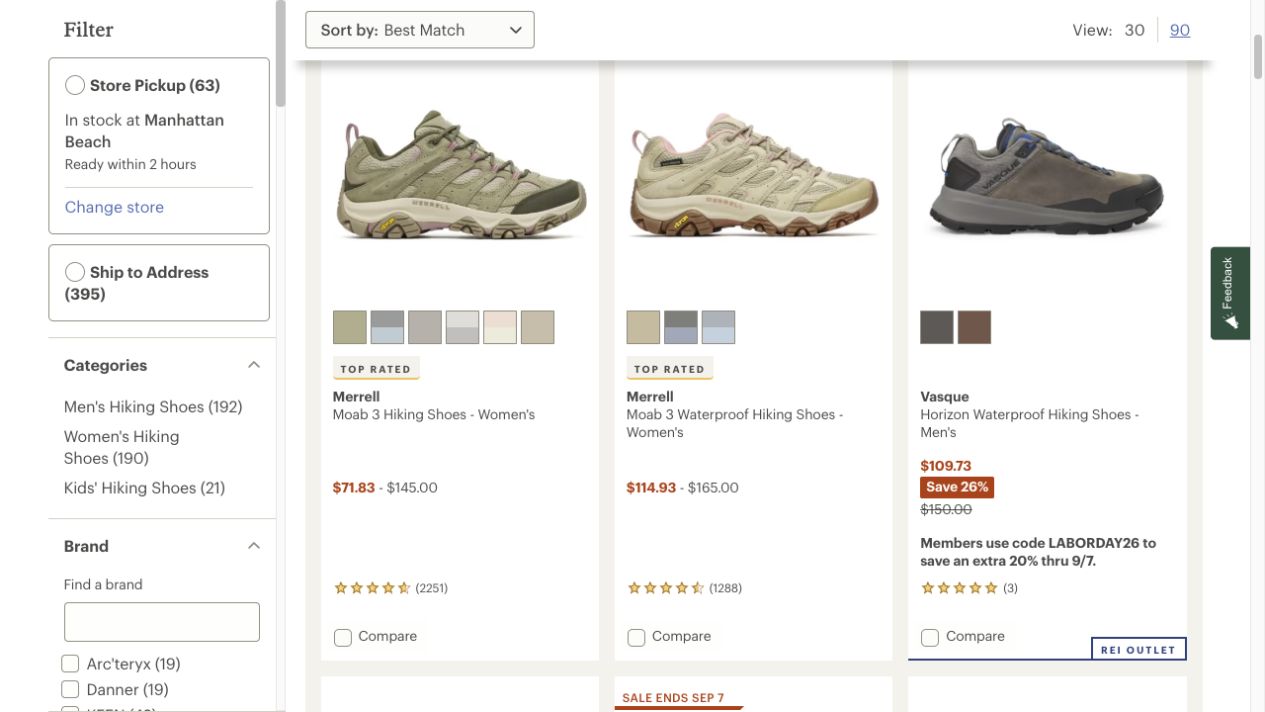
- Use category pages for product-type demand and collections for use-case, material, or style demand.
- Build product pages for branded demand, comparison pages for evaluation, and guides for problem-led education.
- Link menus to categories, categories to subcategories, and subcategories to every indexable product.
- Give every page type a conversion role and an intentional internal-link path.
part 03
Search, shopping, and AI discovery
chapter 18
Product structured data
Google’s product structured-data documentation explains how price, availability, ratings, shipping, and return information can become eligible for richer product results. Structured data reduces ambiguity, but it does not replace useful product content or guarantee visibility. Use the schema markup guide for the broader implementation principles.
- Describe the product with name, image, brand, description, and SKU or GTIN where available.
- Keep offer price, currency, availability, and destination URL accurate.
- Mark up aggregate ratings only when the reviews are valid and visible on the page.
- Check canonicals and indexability across product variants.
chapter 19
Merchant Center and feed quality
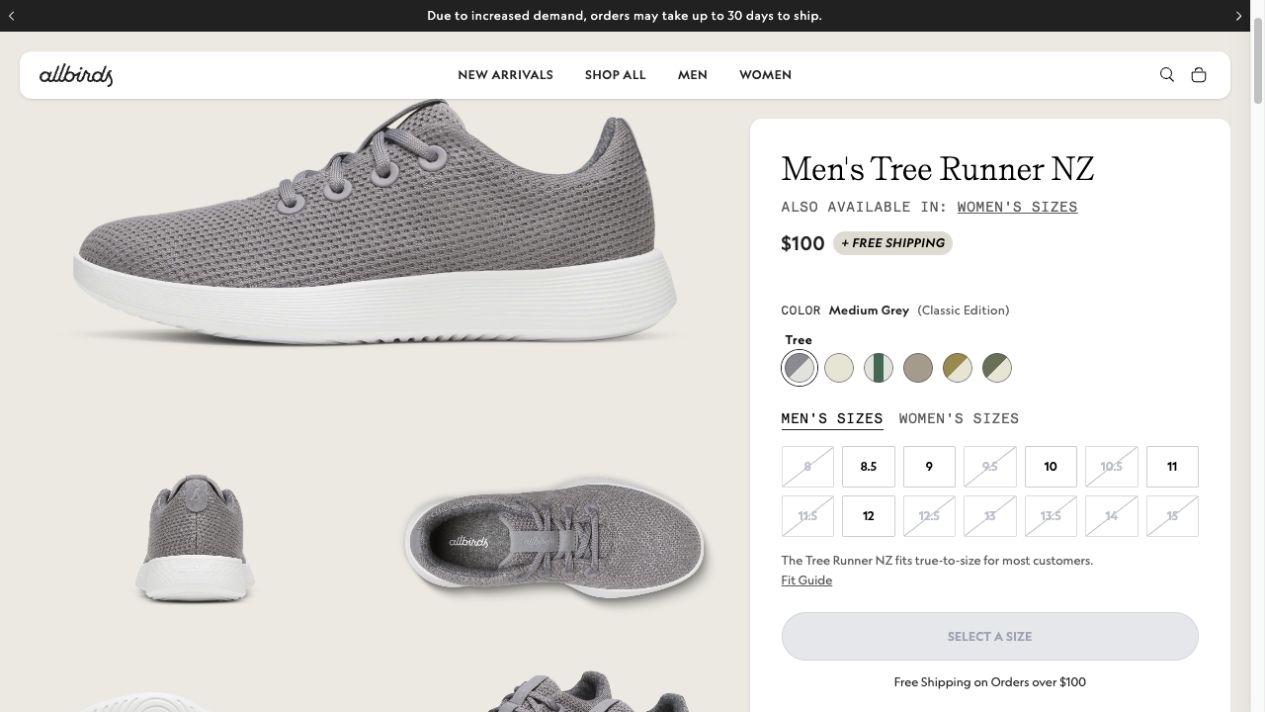
Product data helps Google match offers to relevant queries and avoid preventable disapprovals or display issues. Google’s Merchant Center product-file guidance makes accurate attributes and supported formats foundational. Feed quality affects both Shopping ads and free listings, so manage it as a growth asset rather than a one-time export.
chapter 20
AI search and AEO
Product discovery increasingly spans search, shopping, social, marketplaces, and assistant-like experiences. Brands improve machine understanding by publishing consistent product facts, comparison context, availability, policies, and external signals—not by creating generic AI-targeted copy. Use the AI search visibility tool to establish a baseline before changing content.
- Make product facts machine-readable and consistent across the site and feeds.
- Publish comparisons and decision content that answer real buying questions.
- Keep pricing, availability, shipping, returns, and reviews aligned across surfaces.
- Monitor both search demand and emerging assistant referral patterns.

chapter 21
Google Search and Shopping
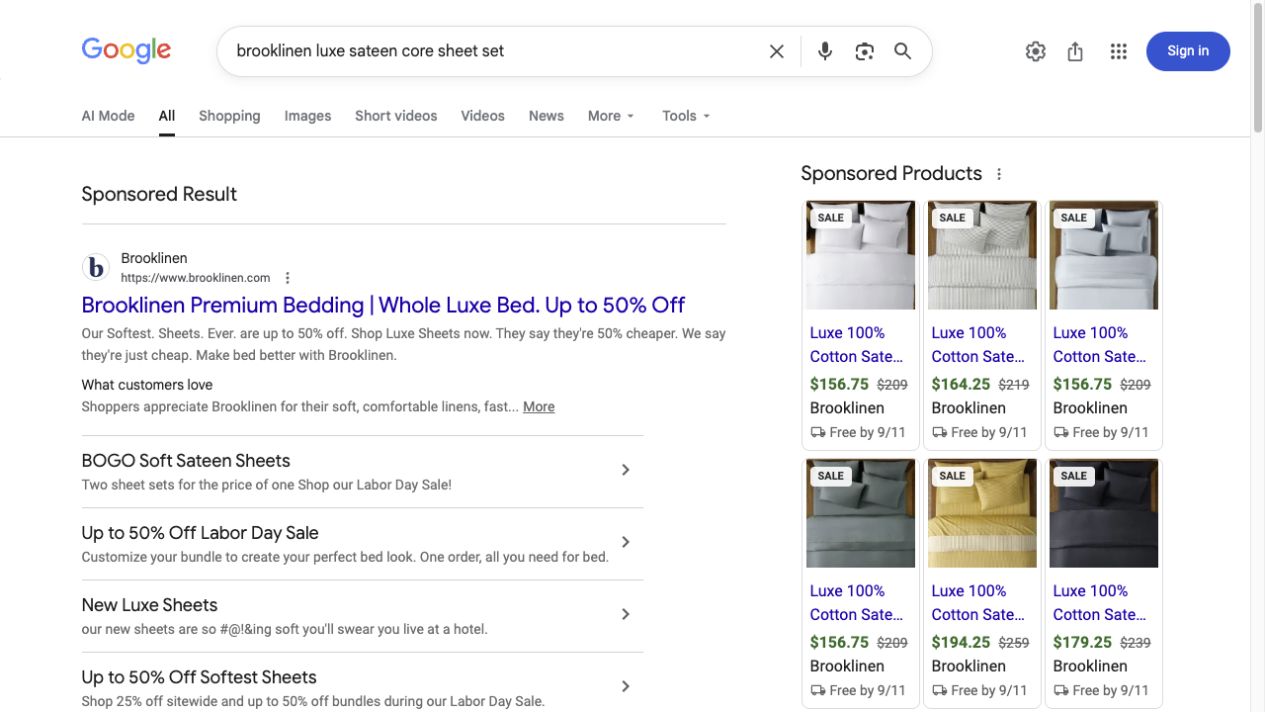
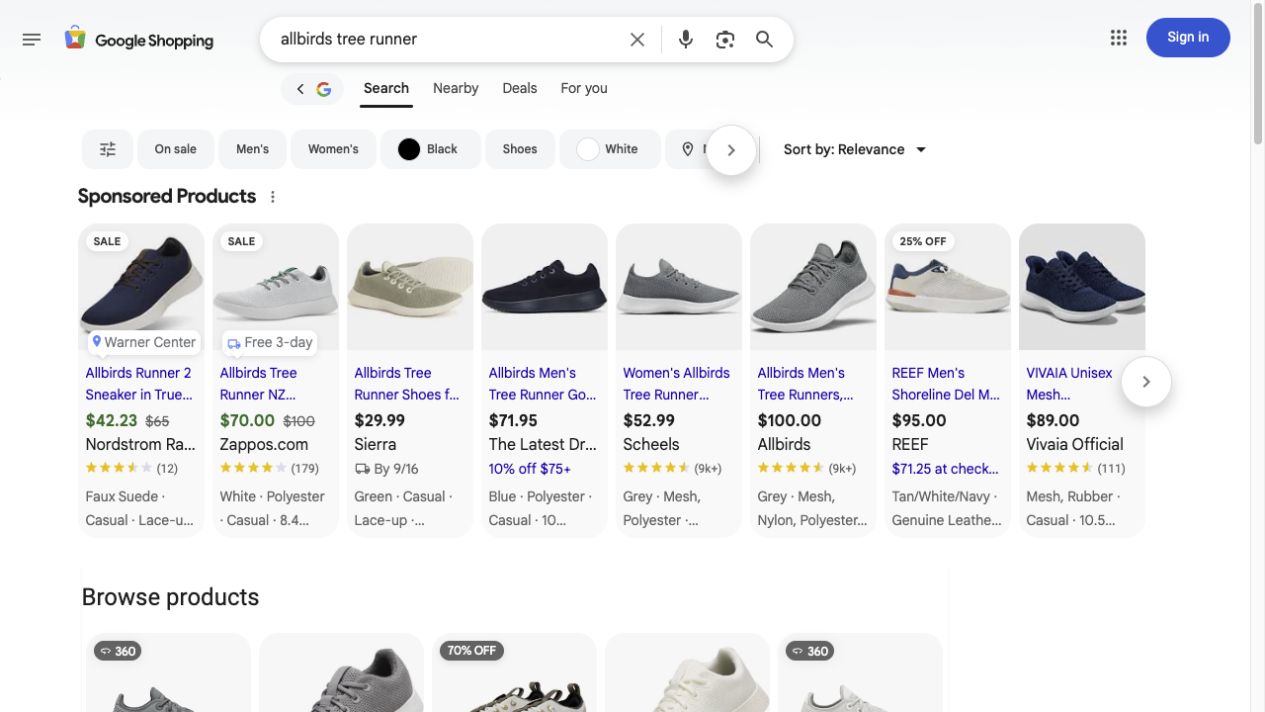
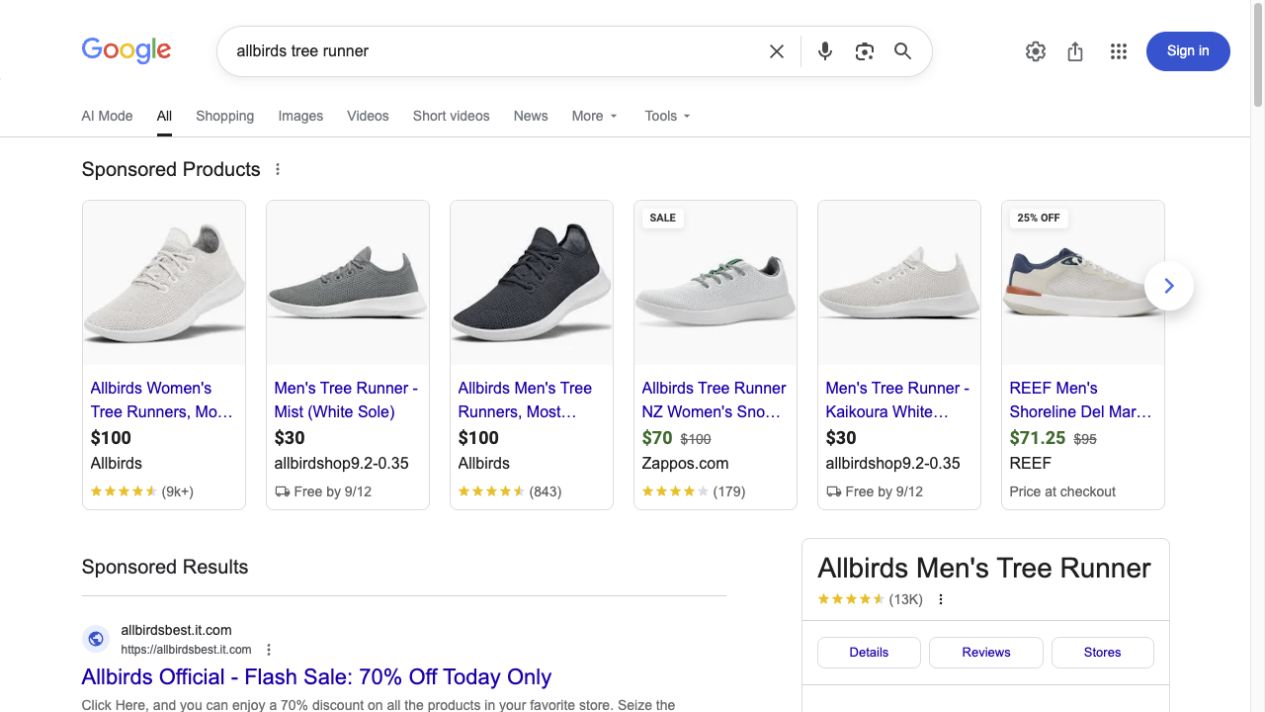
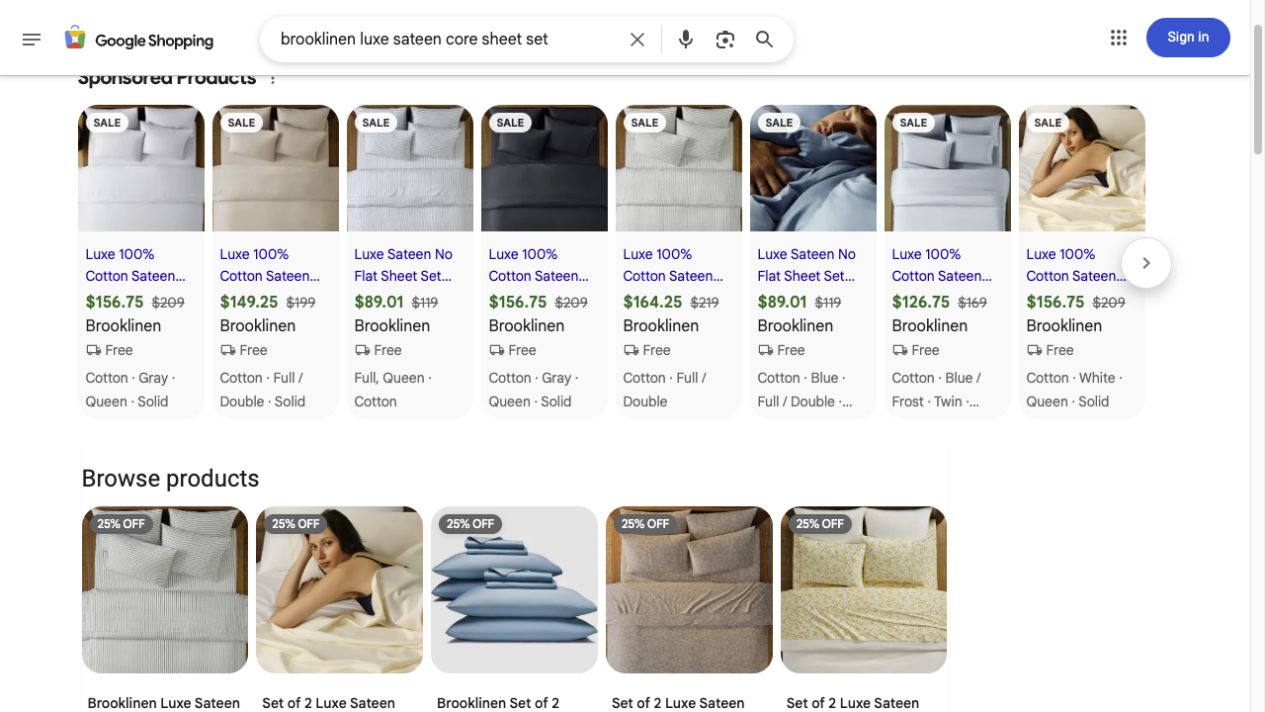
Google can surface ecommerce content in Search, Images, Lens, Shopping, Business Profiles, and Maps. These comparison environments compress image, price, merchant, rating, shipping, and offer information before the shopper ever reaches the brand site.
- Make feed titles and primary images understandable at a glance.
- Keep price, availability, and shipping competitive or clearly justified.
- Ensure the PDP fulfills the promise made in the search or shopping result.
- Do not force arriving shoppers to relearn the product before they can act.
part 04
Paid acquisition and marketplaces
chapter 22
Meta and TikTok creative
Show what the product does, who it is for, and why someone would choose it. The examples below use different openings and demonstrations. Review the creative itself before drawing conclusions about performance.
The MoxieLash creative-testing case study covers product offers and ad variations. Brenton Way’s paid media services connect those tests to campaign results.




chapter 23
Marketplace versus DTC
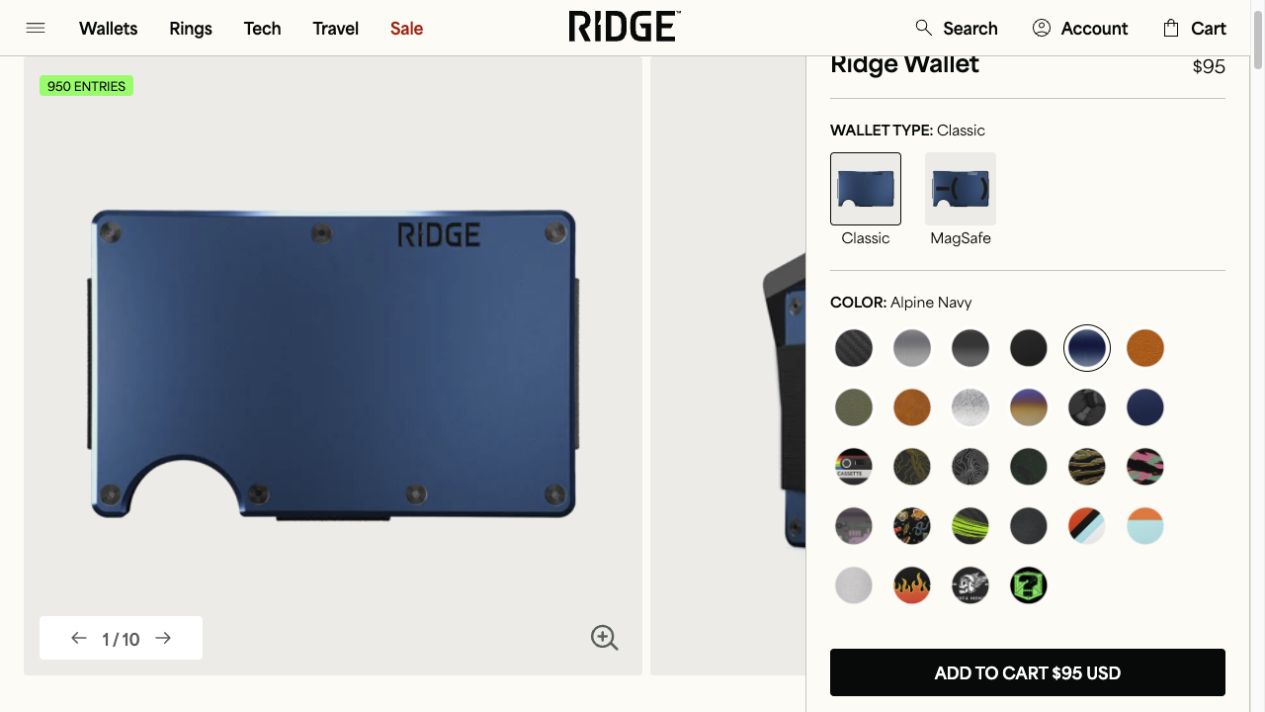
Marketplaces and owned DTC stores solve different growth jobs. Marketplaces provide built-in demand and transaction infrastructure; DTC gives the brand more control over merchandising, customer relationships, lifecycle programs, and first-party data.
Choose the mix according to product economics, customer-ownership needs, operational capacity, and channel conflict. Marketplace revenue should not be treated as equivalent to owned DTC revenue.
chapter 24
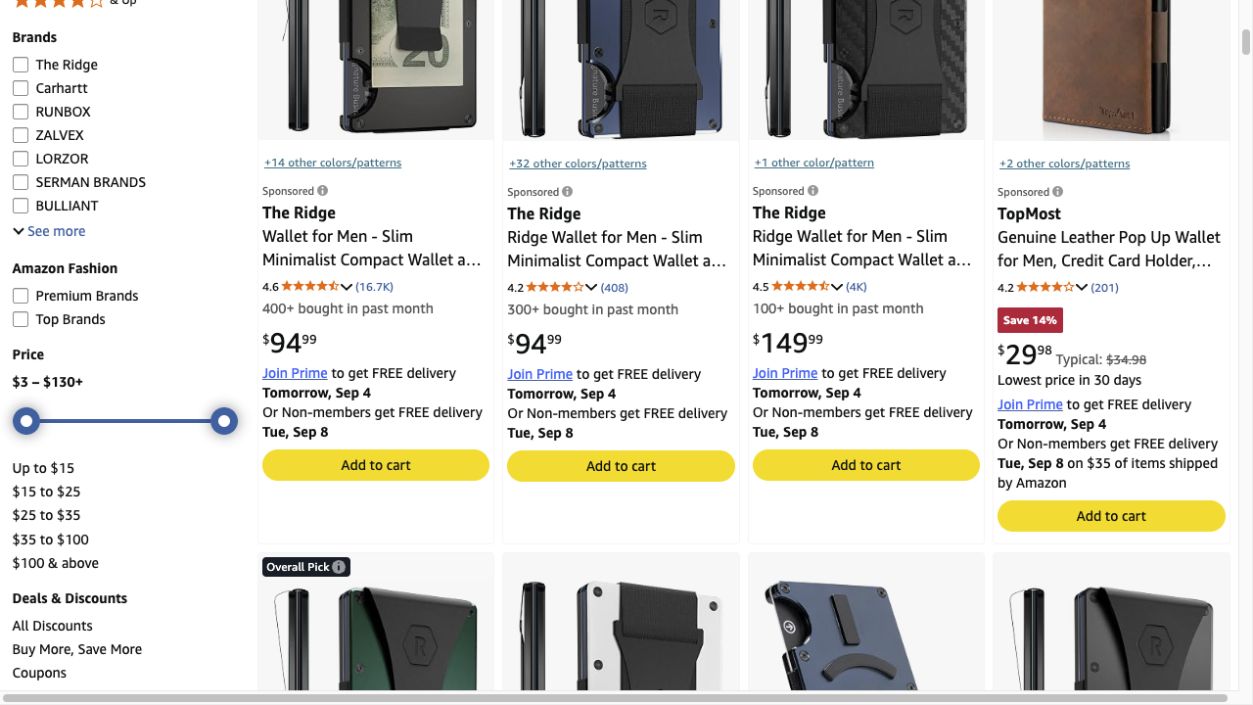
Amazon and retail media
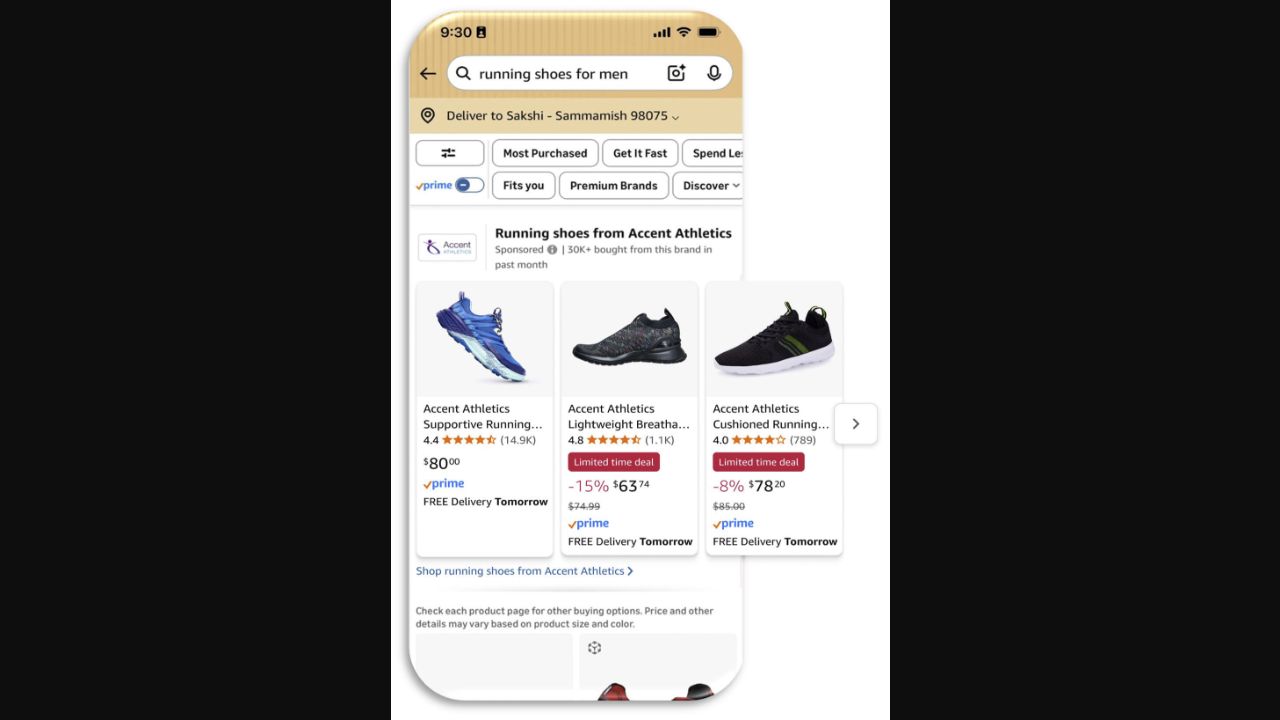
Amazon can capture demand, defend branded queries, and expose products during high-intent comparison. It can also compress margin and limit customer ownership, so the operating model must account for ad dependency, inventory, and the economics of each SKU.
- Use retail media where category demand is strong and differentiation survives comparison.
- Protect branded demand and priority products without funding unprofitable visibility.
- Track total advertising cost of sales, organic rank, Buy Box health, review velocity, and inventory.
- Keep the DTC offer differentiated through bundles, education, subscriptions, community, or exclusives.
part 05
Lifecycle and retention
chapter 25
Lifecycle strategy
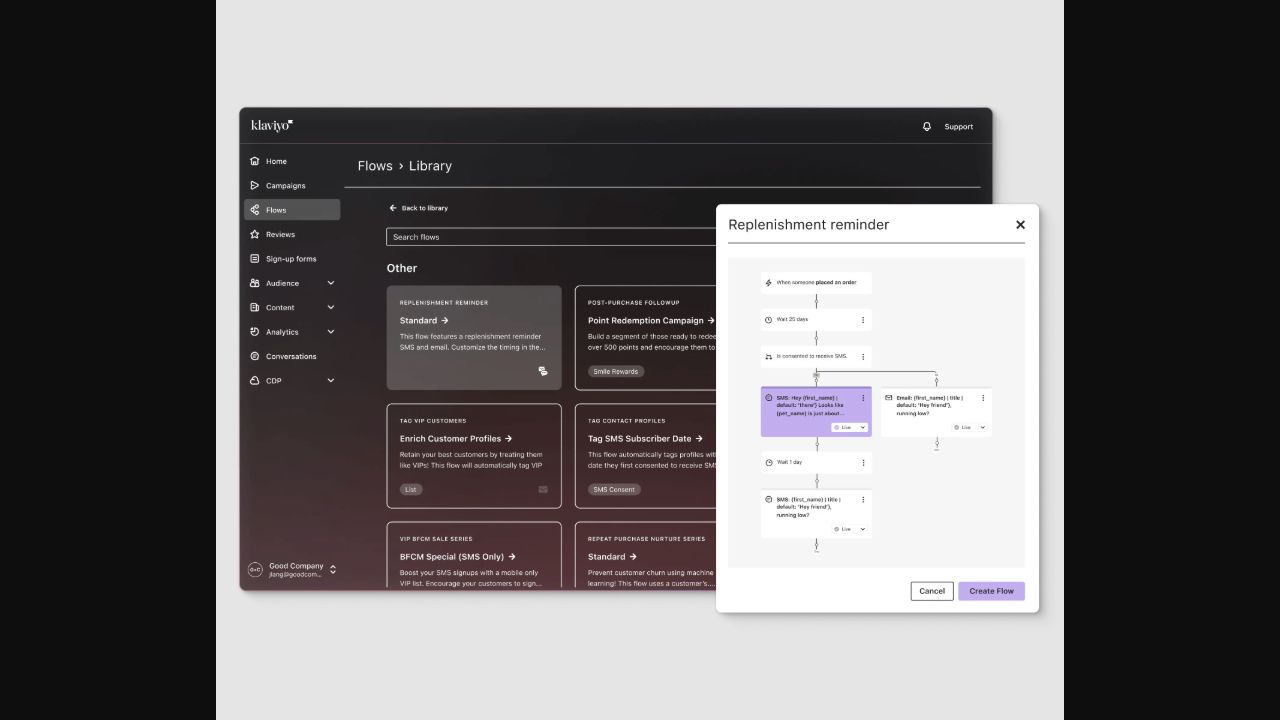
Lifecycle marketing works when messages respond to customer state instead of treating every subscriber as the same audience. Each state needs its own decision, proof, offer, timing, and KPI. Brenton Way’s email marketing practice connects flows and campaigns to the wider acquisition and retention system.
- Separate unknown visitors, new subscribers, browse intent, cart intent, and checkout abandoners.
- Distinguish first-time buyers, active product users, repeat buyers, VIPs, and lapsed customers.
- Use behavioral triggers and category context before adding another promotional broadcast.
- Measure flow performance by downstream customer quality as well as immediate conversion.

part 06
DTC implementation practices
DTC Practice 01
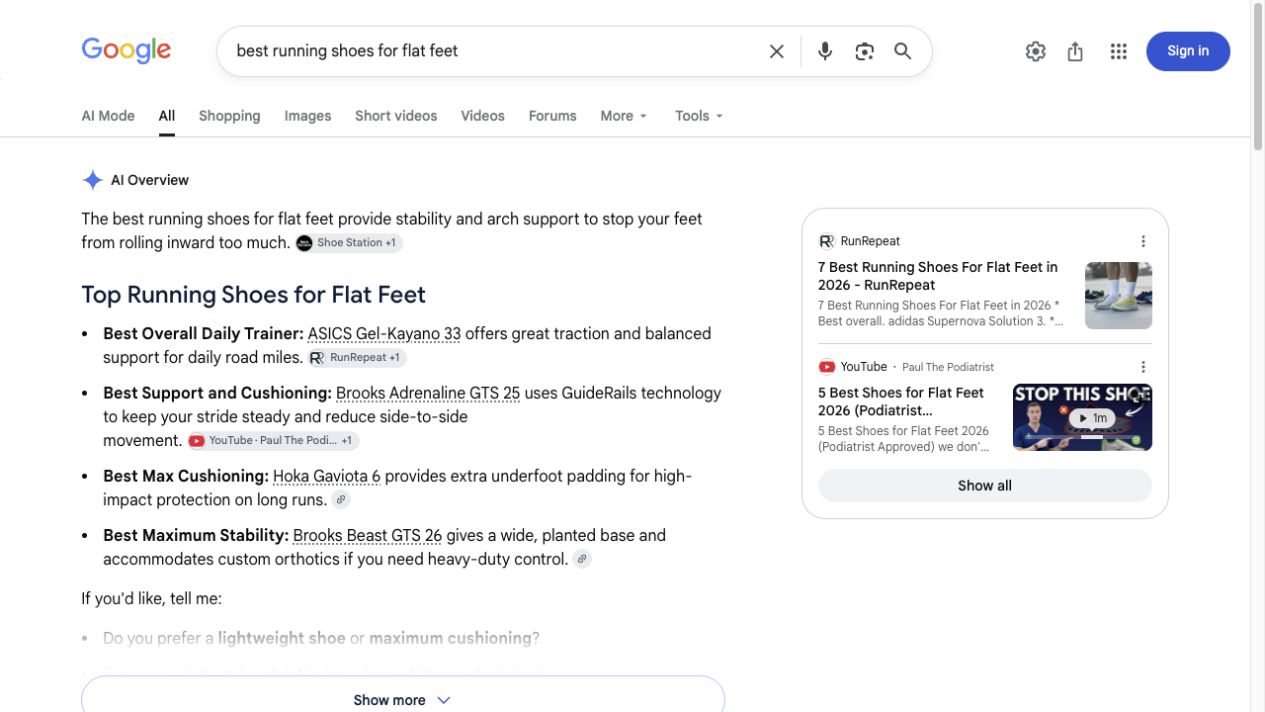
Build product content for AI-led discovery
AI search compresses education and comparison before the click. Make the product easy to retrieve, compare, cite, and buy without writing generic “AI SEO” copy.
Measure: cited commercial pages, qualified AI referrals, assisted revenue, and branded demand.
- Map problem, use-case, comparison, ingredient or material, compatibility, and audience queries to the right commercial page.
- Keep product names, variants, price, availability, policies, and claims consistent across PDPs, feeds, marketplaces, and third-party profiles.
- Publish first-party comparisons and decision content with clear evidence, authorship, update dates, and internal links to the next buying step.
- Measure AI-result coverage, cited pages, referral quality, assisted conversions, and branded-search lift—not rankings alone.
DTC Practice 02
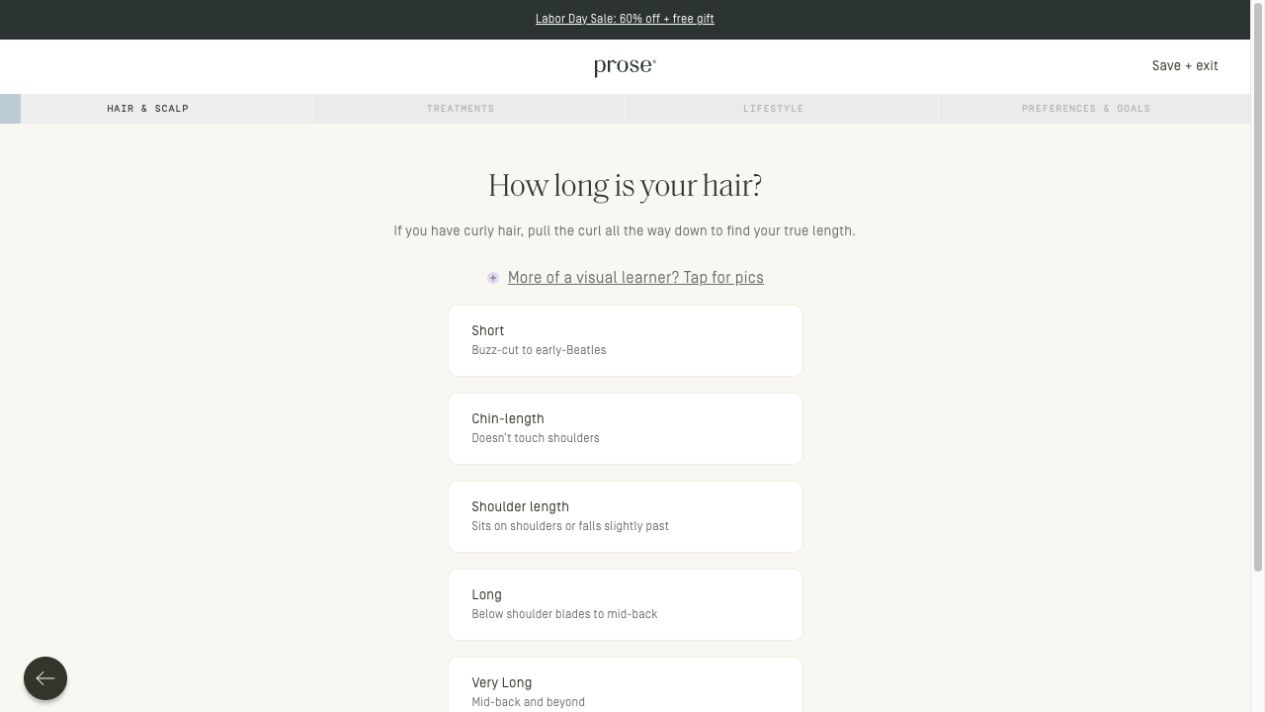
Use a quiz when shoppers need help choosing
A quiz should reduce choice friction and produce a useful recommendation. It is not an email popup with extra steps.
Measure: quiz completion, recommendation click-through, conversion, AOV, repeat rate, and return rate.
- Ask only questions that change the recommended product, variant, routine, size, or replenishment timing.
- Explain unfamiliar questions and use visual answers when customers may interpret labels differently.
- Return a specific recommendation with the reasoning, product fit, alternatives, and a direct purchase path.
- Pass answers into merchandising and lifecycle segments, then measure completion, conversion, AOV, repeat rate, and returns.
DTC Practice 03
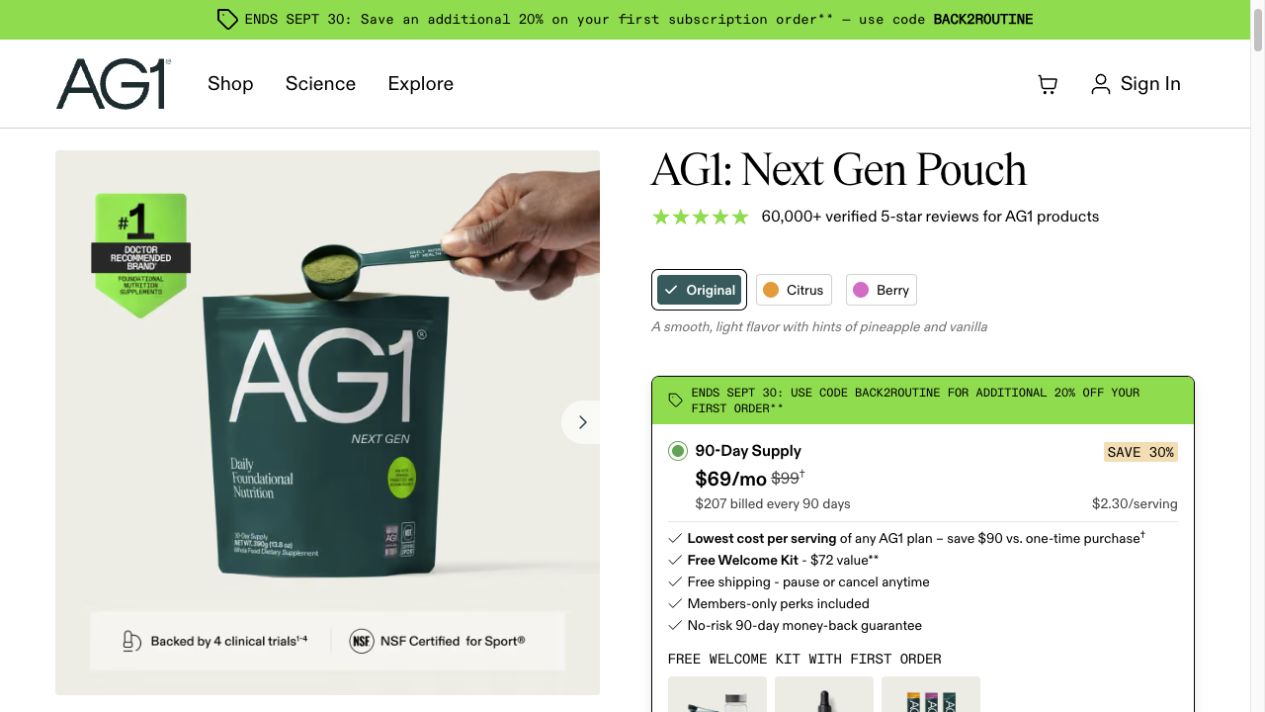
Earn subscription through convenience and control
Subscription improves LTV only when the usage cycle is predictable and customers can understand, pause, change, or cancel the commitment.
Measure: opt-in rate, second- and third-order retention, churn, contribution margin, and cohort LTV.
- Show one-time and subscription economics together, including cadence, billing total, shipping, savings, and cost per serving or use.
- Match default cadence to observed replenishment behavior instead of choosing the fastest billing interval.
- Make pause, skip, swap, reminder, and cancellation controls part of the offer—not hidden support policies.
- Evaluate month-two and month-three retention, contribution margin, involuntary churn, save rate, and cohort LTV.
DTC Practice 04
Match the landing page to the buying decision
Send known-product demand to the PDP. Use a dedicated landing page when the shopper needs education, comparison, a routine, or a category decision first.
Measure: landing-page conversion, new-customer CAC, payback, and retained revenue by campaign.
- Carry the ad or search promise into the first screen so the visitor immediately knows they reached the right page.
- Choose one decision structure: problem and solution, product comparison, routine builder, bundle explanation, proof story, or quiz result.
- Sequence differentiation, proof, objection handling, offer, and CTA around that decision instead of copying the homepage.
- Measure landing-page conversion, product click-through, qualified new-customer rate, CAC, payback, and downstream retention.

Ecommerce Marketing Playbook FAQs
What is an ecommerce marketing playbook?
An ecommerce marketing playbook is an operating guide that connects product economics, acquisition, merchandising, conversion, retention, inventory, and measurement. It helps a team decide what to fix, test, stop, and scale.
Is this guide only for Shopify brands?
No. It is designed for DTC, Shopify-style, and retail ecommerce teams, but the frameworks also apply to other platforms when the brand controls its merchandising, product pages, lifecycle programs, and measurement.
How long is the complete ecommerce playbook?
The downloadable playbook contains 50 chapters across 54 pages. The online playbook covers the core strategy through lifecycle marketing and adds four implementation practices for AI discovery, guided selling, subscriptions, and landing pages.
Which ecommerce metrics should leadership prioritize?
Leadership should connect revenue to contribution margin, MER, new-customer CAC, CAC payback, AOV, repeat purchase rate, refunds and returns, and inventory risk. Channel metrics remain useful for operator decisions but should not replace business economics.
Why are screenshots included?
The screenshots show the tactic in practice through real storefronts, purchase flows, reporting interfaces, search and shopping results, ads, marketplace placements, and lifecycle execution. Each image is paired with the decision it helps a team make.
Continue with all 50 chapters
Get the complete ecommerce growth playbook
The complete PDF contains 50 chapters across 54 pages, including the remaining email flows, creative tests, retention analysis, and campaign planning checklists.