Psychiatry Digital Marketing Agency
Ready to meet new patients where they search and make it effortless to choose your practice? We engineer growth for psychiatrists with a unified approach that blends compliant storytelling, precision demand capture, and conversion-focused experience design. We build campaigns around real patient intent by condition, life stage, and modality, then connect the dots from first impression to booked evaluation with HIPAA-aware analytics, call intelligence, and EMR-friendly scheduling flows.

Why Psychiatrists Need Digital Marketing Services
High-Intent Patient Capture
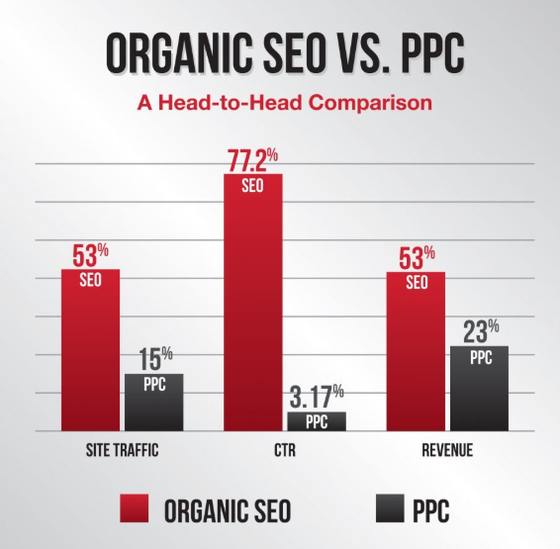
Before calling, most patients search for symptoms, treatments, and psychiatrist near me. Search engine optimization and paid search put your practice in front of patients at the moment that intent is highest, turning searches into scheduled evaluations and appointments.
Local Exposure Within Licensure Footprint
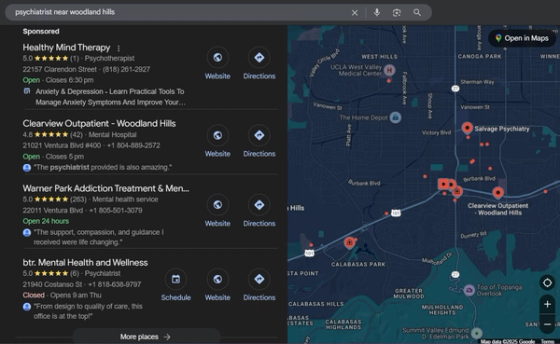
Dominate the map pack in the states and cities you are permitted to serve with a well-optimized Google Business Profile, location and service pages, and consistent listings in medical directories like Healthgrades, Vitals, WebMD, and Zocdoc.
E-E-A-T for YMYL Topics
Mental health is a YMYL topic requiring extra trust signals. Provider credentials, medically verified information, clear citations, current editorial policies, and transparent privacy notices signal safety and authority for sensitive, high-stakes mental health inquiries.
Visitor Conversion Optimization
Patient-centered content that explains insurance, prescription management, evaluations, and telemedicine procedures lowers scheduling friction and anxiety, converting website visitors into booked appointments more efficiently across every touchpoint.
Digital Marketing Strategies To Grow Your Psychiatry Practice
Map Demand & Patient Intent
We create keyword and intent clusters organized by urgency (same-day psychiatrist, psychiatrist near me), life stage (child, perinatal, geriatric), modality (medication management, TMS, telepsychiatry), and condition (anxiety, ADHD, bipolar disorder). These clusters inform ad groups, landing pages, and site navigation design to capture demand at every stage of the patient journey.
E-E-A-T Content for Mental Health
We enhance trust signals by including credentials in clinician bios, current medical reviews, references to reliable sources, clear editorial policies, and privacy and legal notices. High-stakes mental health content requires extra sensitivity, medical accuracy, and compliance with healthcare regulations, and we keep all content up to date and easily verifiable.
Local SEO With Licensure-Aware Coverage
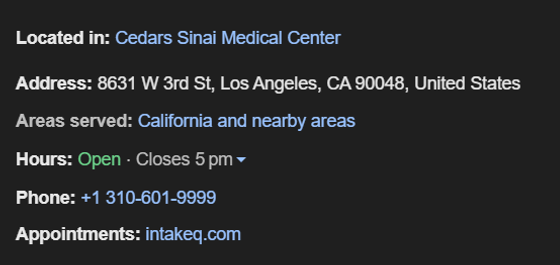
We create location and service-area pages, optimize your Google Business Profile including categories, services, and appointments, and maintain NAP consistency across medical directories such as Healthgrades, Vitals, WebMD, and Zocdoc. We promote the generation of compliant reviews to improve map pack rankings and enhance patient comfort with your practice.
Condition & Modality-Specific Content
We publish FAQs and guides covering telehealth onboarding, treatment integration, medication management, side effects, symptoms, evaluation procedures, and preparing for a first visit. All content is written in trauma-informed, non-stigmatizing language with clear next steps for patients seeking care for conditions like anxiety, depression, ADHD, PTSD, and bipolar disorder.
PPC Within Healthcare Policy Limits
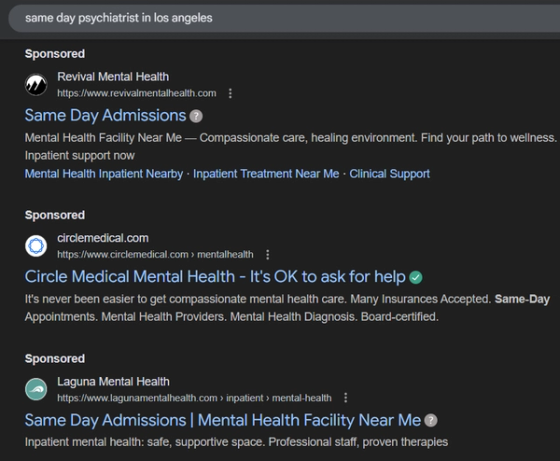
We create tightly themed search campaigns for high-intent queries using call extensions and appointment-focused sitelinks. We steer clear of audience targeting and remarketing based on health status, as Google prohibits tailored advertisements for mental and physical health issues. Instead, we utilize conversion-optimized landing pages, compliant location targeting, and relevant contextual keywords.
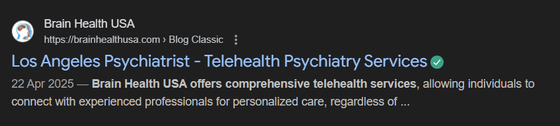
Conversion-Centered UX Design
We build quick, mobile-first pages with clear calls to action: Book an Evaluation, accepted insurance details, costs, telehealth procedures, intake forms, and secure messaging. We provide options for people who are not ready to book, such as downloadable prep checklists and FAQs, while easing the process with online scheduling, call tracking, and simple forms.
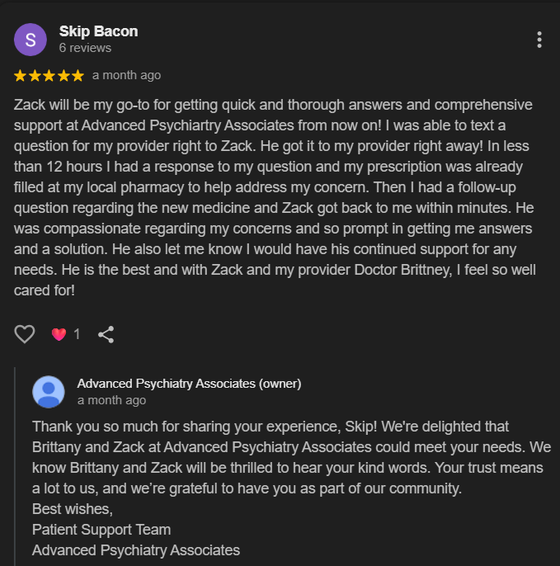
Privacy-First Analytics & Compliance
We implement consent banners and configure analytics to prevent the collection of PHI, choosing tools and settings that support server-side tagging, IP masking, and BAAs when possible. We avoid sending user-specific health information, diagnosis information, or appointment data to ad and analytics platforms, and check policies quarterly as platform regulations and legal interpretations change.
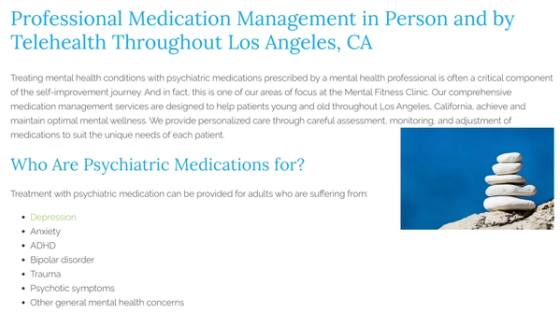
Results That Speak for Themselves
SEO Traffic Increase
Paid ROAS
Revenue Growth
See How Psychiatry Brands Grow with Brenton Way


 +40%
+40% SEO Traffic Increase
+15% Site Engagement Increase
Become a part of the successful story
View All Case StudiesMarketing For Psychiatrists: FAQs
Psychiatry marketing is the application of omnichannel marketing techniques to promote psychiatry services. These include healthcare ROI-driven online advertising, people-first social media management, EEAT-friendly search engine optimization, and more to attract mental health patients.
Common challenges include overcoming the stigma associated with seeking mental health care, ensuring visibility in local search results, maintaining strict HIPAA compliance, and achieving a strong return on ad spend while being sensitive to patient privacy concerns.
Request a consultation with our team, and we will craft a patient-focused marketing strategy based on your practice objectives. Our HIPAA-compliant techniques use the latest medical marketing trends to drive growth for your psychiatry practice.
Ready to Grow Your Psychiatry Practice?
Schedule a free marketing consultation and discover how we can help you attract more patients and expand your mental health practice.