Neurology Marketing Trends & Insights: 2026 - 2030

TL;DR
Discover the global neurology market outlook with detailed market research on neurology services, devices, and therapeutics. The neurology market is projected to reach billions in 2024, with a strong

Ask AI about this
Get an AI-powered summary of this article
Table of Contents
The neurology market is undergoing an unprecedented transformation, driven by both technological advancements and changing patient expectations, as revealed by consumer behavior studies.
Neuromarketing isn't just a buzzword anymore; it represents a fusion of market research and consumer neuroscience that has redefined how brands approach customer engagement.
The rising interest in tools like eye-tracking, EEG facial coding, and fMRI highlights the industry's focus on decoding emotional responses and enhancing decision-making processes.
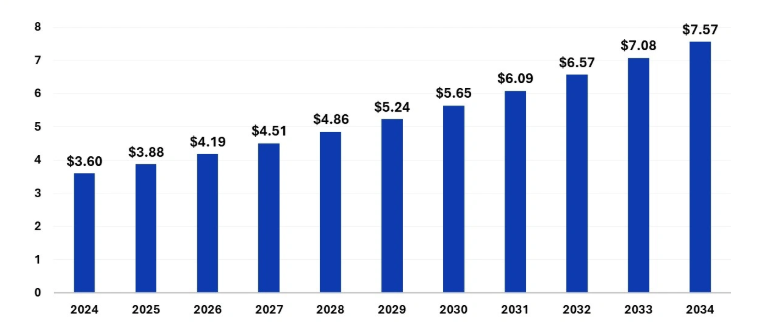
With the global neurology market having surpassed $3.88 billion in 2025 and projected to reach $7.57 billion by 2034, practices face both significant opportunities and competitive pressures.
It isn't just about adopting new neuromarketing techniques; it's about understanding that neurological patients face unique challenges that traditional healthcare delivery often fails to address.
Unlike other medical conditions, where patients can see and monitor their progress, neurological conditions affect the brain, an organ that patients cannot observe or easily understand. This creates unique challenges that require a shift from traditional market research to more innovative approaches, such as focus groups enhanced by neuroscientific insights.
The following trends represent practical strategies that successful neurology practices are using to meet patients where they are, both technologically and emotionally, while building sustainable competitive advantages in an increasingly crowded marketplace.
Neurology Marketing & Neuroscience Key Insights
Overall Neurology Market Dynamics & Market Size
The global market size of neurology was estimated at USD 3.60 billion in 2024 and is predicted to increase to USD 3.88 billion in 2025, with projections to reach approximately USD 7.57 billion by 2034, expanding at a Compound Annual Growth Rate (CAGR) of 7.72% from 2025 to 2034.
The U.S. neurology therapeutics market size was evaluated at USD 1.04 billion in 2024 and is projected to be worth around USD 2.31 billion by 2034. The market is growing at a CAGR of 8.31% from 2025 to 2034.
North America contributed more than 42% of the global neurology market share in 2024, making it the largest regional sector in the market segmentation.
Over 7 million people in the U.S. were living with Alzheimer's disease in 2024, expected to increase to nearly 13 million by 2050, and approximately 1 million people in the U.S. were living with Parkinson's disease in June 2024, projected to grow to 1.2 million by 2030. The increasing prevalence of neurological disorders is a key driver for growth in the neurology market in 2026.
Understanding the neurology services market segmentation reveals where the greatest demand for neurology care exists and which neurological disorders are driving market expansion. The global neurology services market size reached USD 3.01 billion in 2025, with market projections pointing to USD 4.89 billion by 2034 at a Compound Annual Growth Rate (CAGR) of 5.54%.
Market Segmentation by Neurological Disorder
Neurodegenerative diseases — including Alzheimer's and Parkinson's disease — account for 59% of neurology services revenue in 2024, making them the dominant market segment. Multiple sclerosis (MS) represents over 36% of neurology services revenue as the largest single-disorder segment, with its therapeutics market valued at USD 27.39 billion. Epilepsy drugs represent one of the fastest-growing segments at 5.7% CAGR, while migraine therapeutics are surging at 10.9% CAGR to reach USD 13.34 billion by 2030. The increasing prevalence of neurological disorders is the primary driver — neurological conditions now affect over 3.4 billion people (43.1% of the global population), causing over 11 million deaths annually according to the WHO's 2025 Global Status Report. Neurovascular diseases (primarily stroke) are anticipated to grow at a remarkable 9.1% CAGR between 2025 and 2034, driven by rising prevalence of neurological risk factors in aging populations.
| Market Size (USD Billions) | Disorder |
|---|---|
| Multiple Sclerosis | $27.39B |
| Stroke | $16.6B |
| Epilepsy | $9.96B |
| Migraine | $6.81B |
| Parkinson's Disease | $6.59B |
| Alzheimer's Disease | $3.94B |
Digital Health in the Neurology Market
According to neuromarketing research, the global digital health in neurology market is valued at USD 39.6 billion in 2024 and is projected to reach USD 281.0 billion by 2034, growing at a 21.8% CAGR during the forecast period from 2025 to 2034.
Asia-Pacific: The Fastest-Growing Neurology Market
The Asia-Pacific region is emerging as the fastest-growing neurology market globally, with market growth outpacing every other region across all sub-segments. The APAC neurology devices market reached USD 2.59 billion in 2023 and is projected to hit USD 5.08 billion by 2030, growing at a 10.1% CAGR. China's neuro-interventional device market alone is forecast to surge from USD 2.7 billion in 2024 to USD 10.2 billion by 2032 at an 18% CAGR, fueled by the country's national brain-computer interface policy accelerating clinical trials and capital inflows.
In India, the ICMR reported that neurological disorders affect approximately 22% of the population, with over 10 million epilepsy patients and rising stroke prevalence driving a 15.7% increase in specialized neurology centers across major metros. Japan and South Korea are approaching or have already reached "super-aged society" status (20%+ of the population aged 65+), making Alzheimer's and dementia care a critical priority. South Korea launched LEQEMBI (lecanemab) for Alzheimer's treatment in November 2024, expanding the addressable therapeutics market across Asia-Pacific. The region's healthcare infrastructure investment, combined with the rising prevalence of neurological conditions, positions Asia-Pacific as the key market for neurology services expansion through 2034.
Asia-Pacific Neurology Market by Country
| Country | Key Segment | Market Size (2024) | CAGR | Primary Growth Driver |
|---|---|---|---|---|
| China | Neuro-Interventional Devices | $2.7B | 18.0% | National BCI policy, capital inflows |
| India | Neurology Devices | $272.5M | 9.0% | 22% neuro prevalence, new centers |
| Japan | Neurodegenerative Care | Mature market | Moderate | 4.71M dementia patients, super-aging |
| South Korea | Alzheimer's Diagnostics | $142M | 14.1% | Super-aged society, LEQEMBI launch |
| APAC Total | Neurology Devices | $2.59B | 10.1% | Fastest-growing region globally |
Neurology Devices & Neurostimulation Market
The global neurology devices market was valued at USD 12.83–14.4 billion in 2024 and is projected to reach USD 21.28 billion by 2030 at an 8.90% CAGR. Neurostimulation is the dominant segment, accounting for 54.59% of device market revenue in 2024. The deep brain stimulation (DBS) market alone reached USD 1.46 billion in 2024, with Parkinson's disease applications representing 64.98% of DBS market share. Medtronic, Abbott, and Boston Scientific collectively control roughly 65% of global neuromodulation revenue. In February 2025, Medtronic received FDA approval for the world's first Adaptive Deep Brain Stimulation system with BrainSense technology, approved across five indications including Parkinson's, essential tremor, dystonia, OCD, and epilepsy.
GE Healthcare, one of the top three neuroimaging market players globally, reported USD 19.7 billion in total revenue for 2024 and has invested approximately USD 2.2 billion in R&D since 2022 across AI-enabled solutions. In September 2025, GE Healthcare announced the acquisition of icometrix to strengthen its neurology portfolio with AI-powered brain MRI assessment solutions, including the first FDA 510(k) cleared tool for detecting ARIA side effects from Alzheimer's therapies.
Minimally invasive neurosurgical devices represent a USD 1.2 billion market in 2024, projected to reach USD 2.5 billion by 2033 at a 7.3% CAGR. In January 2025, Stryker acquired Inari Medical for USD 4.9 billion, expanding its stroke-care and mechanical thrombectomy portfolios — a USD 6 billion U.S. market opportunity growing approximately 20% annually. The adoption of minimally invasive techniques reduces blood loss, hospitalization time, and infection rates compared to open procedures, making these advanced technologies increasingly attractive for neurology practices.
AI, Analytics & Personalized Neurology Care
The integration of artificial intelligence into neurology is accelerating rapidly. The global AI in neurology market is estimated at USD 705.6 million in 2025 and projected to reach USD 2.5 billion by 2030 at a 28.9% CAGR. Neurology is the largest AI segment in healthcare with 21.07% market share, with 56 FDA-approved AI/ML devices now used in neurology as of May 2025. Adoption is accelerating across the board — 66% of physicians used health AI in 2024, a 78% increase from 2023. AI analytics now evaluate large datasets integrating medical history, imaging, genetics, and lifestyle factors to predict seizure risk, identify stroke probability, and anticipate cognitive decline.
| Year | Market Size |
|---|---|
| 2024 | $563.6M |
| 2025 | $705.6M |
| 2027 (est.) | $1,172M |
| 2030 (proj.) | $2,500M |
Wearable neurotech and analytics are transforming remote patient monitoring. The wearable neurotech market is forecast to grow from USD 2.18 billion in 2025 to USD 5.34 billion by 2030. In March 2025, EpiWatch — a Johns Hopkins spinout — received FDA 510(k) clearance for an Apple Watch-powered seizure detection platform with 97.7% sensitivity and only 0.4 false positives per day.
The trend toward personalized neurology care is reshaping treatment protocols. The global personalized medicine biomarkers market reached USD 20.95 billion in 2024, growing at a 14.9% CAGR. In May 2025, the FDA cleared the first blood test for Alzheimer's diagnosis (Lumipulse G pTau217/Amyloid ratio), replacing invasive lumbar punctures with a simple blood draw. By October 2025, Roche's Elecsys pTau181 became the first blood-based biomarker test approved for primary care settings. These breakthroughs allow neurologists to personalize treatment plans based on individual biomarker profiles, moving from one-size-fits-all to precision neurology care.
Investment in neurology research and development continues to surge. The global neurology clinical trials market reached USD 5.84 billion in 2024, projected to hit USD 8.42 billion by 2030 at a 6.39% CAGR. The 2025 Alzheimer's pipeline contains 138 drugs in 182 clinical trials — more trials and drugs than any previous year. Neuroscience venture capital reached USD 4.8 billion across 140 deals in 2025, and M&A activity totaled USD 23.6 billion from 2024 through H1 2025, including Johnson & Johnson's USD 14.6 billion acquisition of Intra-Cellular Therapies. This robust research infrastructure and investment pipeline signals that new therapies and advanced technologies will continue to shape the future of neurology care.
Patient Behavior & Digital Channels
Over 60% of users now access healthcare information through mobile devices.
Over 40% of patients now schedule medical appointments online.
71% of people research healthcare providers through digital channels, which is the most significant contributing factor to their decision-making.
Telehealth Adoption
Telehealth is rapidly gaining traction in neurology for accessibility, with 98% of neurologists offering virtual consultations and 36% of neurological visits now taking place online.
Neurology Market Future Outlook & Growth Trends
Looking ahead, current market trends confirm the neurology market is experiencing significant growth across every sub-segment. Neurotechnology — the broadest category — is projected to reach USD 52.86 billion by 2034 at a 13.23% CAGR. The teleneurology market alone is expected to grow from USD 6.75 billion in 2024 to USD 20.30 billion by 2034, while digital health in neurology is set to reach approximately USD 296.3 billion by 2034. These market insights confirm that practices investing in digital infrastructure now will lead the market through the next decade. USD 52.86 billion by 2034 at a 13.23% CAGR. The teleneurology market alone is expected to grow from USD 6.75 billion in 2024 to USD 20.30 billion by 2034, while digital health in neurology is set to reach approximately USD 296.3 billion by 2034. These market insights confirm that practices investing in digital infrastructure now will lead the market through the next decade.
| CAGR (%) | Sub-Market |
|---|---|
| AI in Neurology | 28.9% |
| Digital Health in Neurology | 22.8% |
| Wearable Neurotech | 19.4% |
| Neurotechnology | 13.23% |
| Teleneurology | 11.64% |
| Neurology Devices | 8.9% |
| Neurology Services | 5.54% |
However, several restraints are impacting market growth. The United States faces a projected 19% neurologist workforce shortage, with 41 states expected to face shortages and average new-patient wait times reaching 34.8 business days. Rural areas have 80.5% less geographic access to neurologists than metro areas. Meanwhile, NIH BRAIN Initiative funding dropped from USD 680 million in FY 2023 to USD 321 million in FY 2025 — a 53% reduction in two years. High treatment costs and lengthy regulatory processes remain additional barriers.
These actionable insights point to clear opportunities for neurology practices: the market demand is growing due to aging populations and the increasing prevalence of neurological disorders, while the supply of neurologists remains constrained. Practices that embrace emerging trends — from AI-powered diagnostics and personalized care to telemedicine and wearable analytics — will capture disproportionate market share in a faster market. The key market differentiator through 2030 and beyond will not be the adoption of any single technology, but rather the strategic integration of multiple innovations to deliver accessible, personalized neurology services that meet patients where they are.
Trends In The Neurology Services To Boost Your Brand
Here are the key trends in neurology care marketing:
Telemedicine Promotion For Future Outlook
With 98% of neurologists now offering virtual consultations and 36% of neurological visits taking place online, telemedicine has shifted from nice-to-have to essential infrastructure for neurology practices. Your patients are juggling work, family, and a neurological condition that already disrupts their lives enough.
The last thing they want is to take another afternoon off, sit in traffic, and spend two hours at your office for a 15-minute medication check.
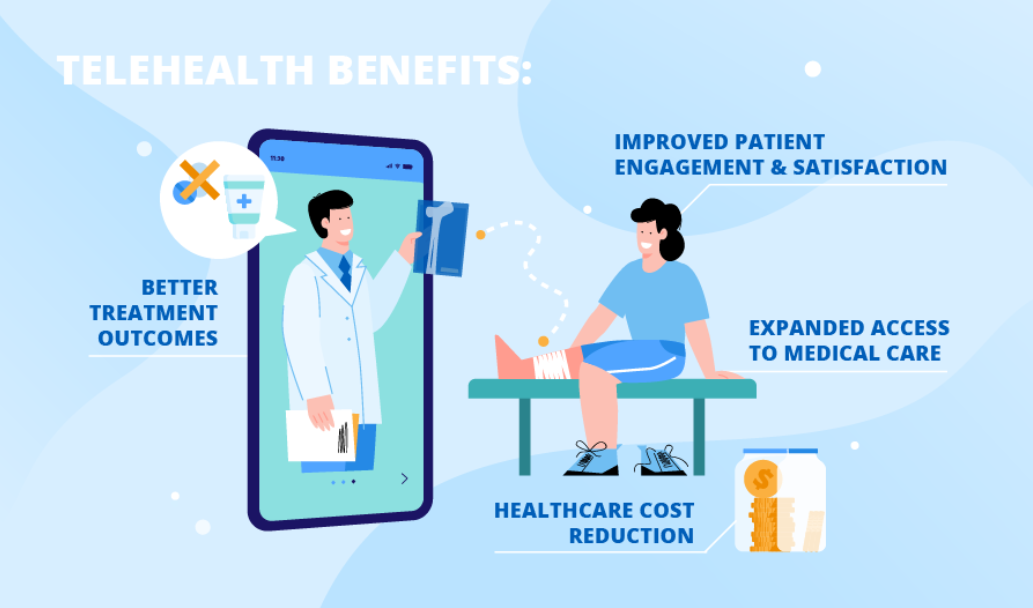
Your migraine patients might be having breakthrough headaches but putting off scheduling because they can't afford another day away from work. Your epilepsy patients might question whether their medication side effects warrant a visit, so they are suffering in silence or turning to Google for answers.
To provide them with a human solution, start conversations with your current patients about telemedicine. Ask them directly: "What would make managing your condition easier?" You will hear things like, "I wish I could just check in with you when my symptoms change," or "It's so hard to get here during business hours."
When rolling out telemedicine, don't lead with the technology; lead with understanding. Your marketing should sound like this: "We know that living with chronic migraines means unpredictable days. That's why we are bringing care to you, whether you are having a good day or struggling through a bad one."
Find patients who have genuinely benefited and let them tell their stories in their own words. Not polished testimonials, but honest conversations like "I can actually talk to Dr. Smith when I am having symptoms instead of waiting weeks for an appointment when I feel fine again."
AI Symptom Checkers For Better Diagnosis and Treatment
With over 60% of patients accessing healthcare information through mobile devices, AI-powered symptom checkers are becoming the critical first touchpoint for patients experiencing neurological symptoms. Picture this: It's 11 PM, and someone's experiencing numbness in their arm for the first time, prompting an urgent need for understanding their brain activity.
They are scared, they are Googling, and they are probably convincing themselves they are having a stroke. Where do you want that person to land?
People are using symptom checkers because they are worried, confused, or can't wait until morning for answers. Your AI tool needs to speak to that fear, not just collect data.
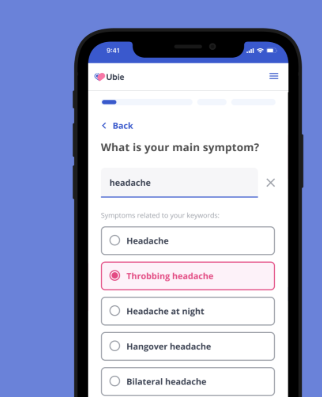
Try to make it human. Instead of clinical questionnaires, start with empathy: "Neurological symptoms can be scary. Let's figure out what's going on together." Guide them through questions the way you would in person, explaining why you are asking, what you are looking for, and what different answers might mean.
When someone reports concerning symptoms, don't just say, "Seek immediate care." Explain why: "These symptoms can sometimes indicate something that needs quick attention. Here's what we would want to rule out..." This teaches while it guides.
The real win is when patients arrive for their appointment, they are not starting from zero.
They have already experienced your clinical thinking, your communication style, and your genuine concern for their wellbeing. You are not just another doctor; you are the neurologist who was there when they were scared and needed answers, influencing their subconscious trust in your care.
Your AI tool becomes a bridge, not a barrier. It says things like, "I understand you are worried about these headaches. Here are some questions that will help us understand what's happening, and here's why each one matters." It makes patients feel heard before they have even spoken to a human.
Neuroscience-Based Workshops
Unlike most medical conditions where patients can see and monitor their progress, neurological conditions affect an invisible organ — making hands-on educational workshops one of the most powerful trust-building tools for neurology practices. Here's the thing about neurological conditions: they are happening inside the one organ that patients can't see or touch.
Someone with diabetes can monitor their blood sugar and see immediate feedback. But when you have epilepsy, migraines, or Parkinson's, your brain feels like this mysterious black box that's betraying you.
The real problem is that your patients leave appointments with more questions than answers. They nod along when you explain neurotransmitters and neural pathways, but they are thinking, "What does this mean for me?" They go home and immediately Google everything, often landing on forums that scare them more than help them.
Stop talking about the brain and start helping people connect with their brain. When hosting a workshop on migraines, don't just lecture about triggers; have participants track their own patterns in real time. Give them the same tools you use to think about their condition.
Picture a Parkinson's workshop where patients aren't sitting passively in chairs. They are doing the same coordination exercises you use in assessments, but now they understand why. When someone struggles with a task, they are not just failing; they are learning: "Oh, this is what my doctor sees when she asks me to do this."
The magic moment is when a patient says, "I finally understand what's happening in my head." Not just the medical explanation, but the lived experience that makes sense.
When someone with memory concerns engages in cognitive exercises alongside others facing similar challenges, they realize they are not "losing their mind" but are dealing with a specific and manageable issue.
To make it practical, you can opt for partner exercises with real understanding. When participants do memory games, explain: "This is working the same part of your brain that we are supporting with your medication." When they practice balance exercises, connect it by saying, "These movements help strengthen the neural pathways we talked about in your appointment."
Also See: Top 20 Healthcare Marketing Agencies to Boost Your Brand in 2026
Patient Data Privacy as a Marketing Differentiator
With hospital data breaches regularly making headlines, how your practice communicates data protection has become a critical marketing differentiator for neurologists handling sensitive diagnoses. Let's cut through the buzzwords and talk about what's really keeping your patients up at night. It's not whether you are using the latest technology; it's whether your patients' most personal medical information is safe from hackers, insurance discrimination, or ending up in the wrong hands.
Your patients have watched the news. They have heard about hospital systems getting hacked, personal data being sold, and medical records being leaked.
When someone is dealing with epilepsy, early-onset dementia, or chronic pain conditions, they are already vulnerable.
The last thing they want to worry about is their neurological diagnosis becoming public knowledge or affecting their job prospects.
What patients are actually thinking: "If my employer finds out about my seizure disorder, will it affect my career? If my insurance company sees how often I need MRIs, will they drop me? If someone hacks this system, what happens to the most private parts of my life?"
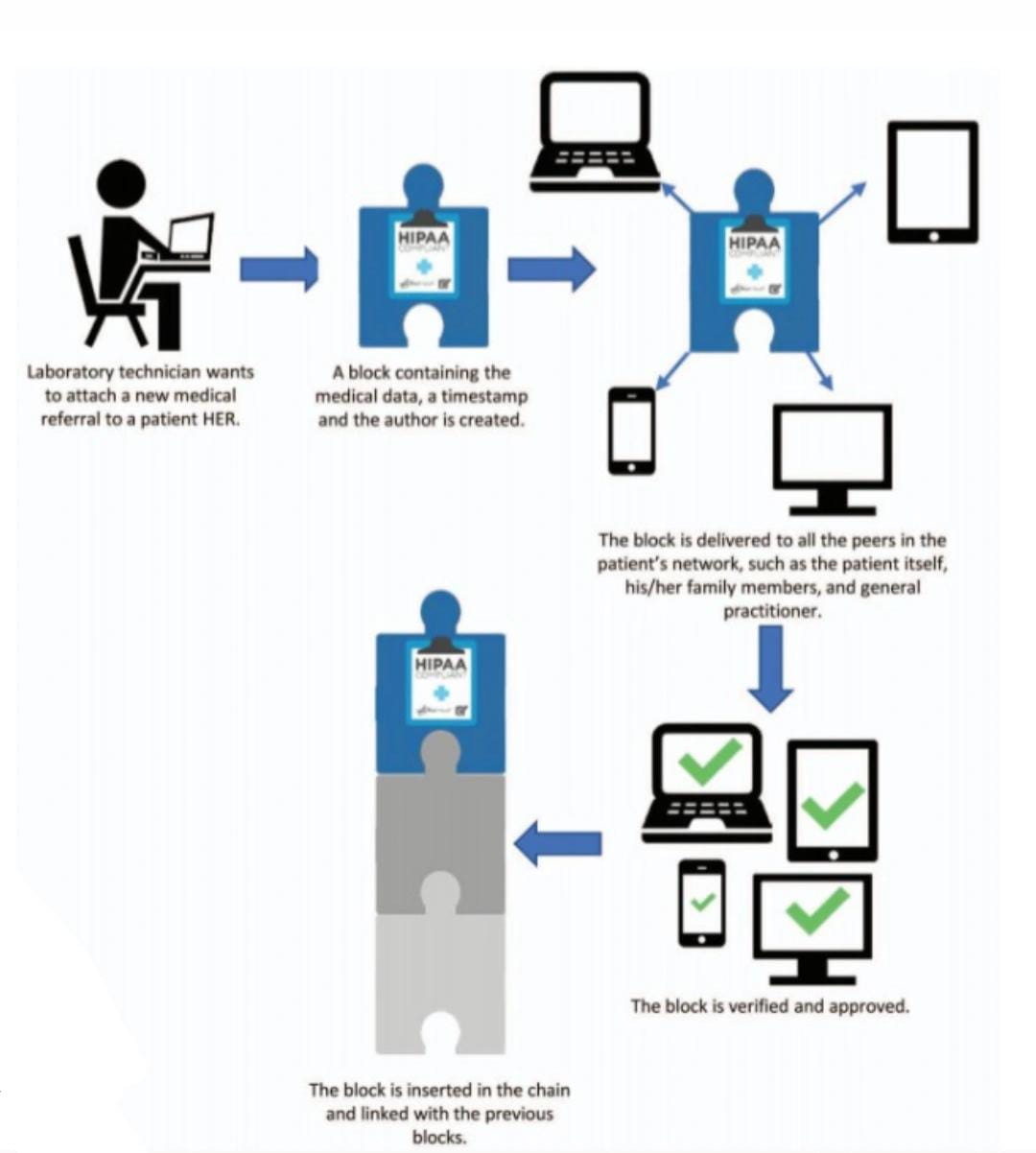
The honest approach should be to not lead with "cutting-edge blockchain technology." Lead with understanding: "We know that your neurological health information is deeply personal. You are trusting us with details about your brain, your symptoms, your fears, and we take that responsibility seriously."
Instead of tech jargon, explain the actual protection to make it meaningful.
For example, "Your medical records are secured in a way that makes them virtually impossible to alter or access without your permission. Even if someone tried to hack our system, your information would remain locked and unusable to them."
You can have a real conversation with your patients about data security, like "I know you are worried about your memory issues affecting your job. The way we protect your information means that what we discuss here stays here – period. Your employer, your insurance company, and even other doctors can only access what you specifically choose to share."
What this actually builds is trust. Not because you are using fancy technology but because you are addressing the real fear behind the need for that technology.
Patients relax into treatment when they know their most vulnerable moments are truly protected.
Virtual Reality (VR) Experiences
Virtual reality is transforming neurological patient education, allowing patients to visualize their own brain conditions and understand treatments in ways that traditional medical illustrations cannot achieve. Here's what your patients are dealing with: they have a condition affecting the most complex organ in their body, and they can't see it, touch it, or understand how it works. You are asking them to trust treatments for something that feels completely abstract.
The real struggle is when you tell someone they have a lesion on their frontal lobe; they nod politely, but inside, they are thinking, "What does that even mean? What does my brain actually look like? How big is this problem?" They go home and try to Google brain anatomy, but it's all medical illustrations that don't connect to their lived experience.
VR is that lightbulb moment when the abstract becomes concrete. It's watching a patient with MS finally see their myelin sheath and understand why certain movements are difficult.
It's helping someone with a brain tumor visualize exactly where it is and why their specific symptoms make perfect sense.
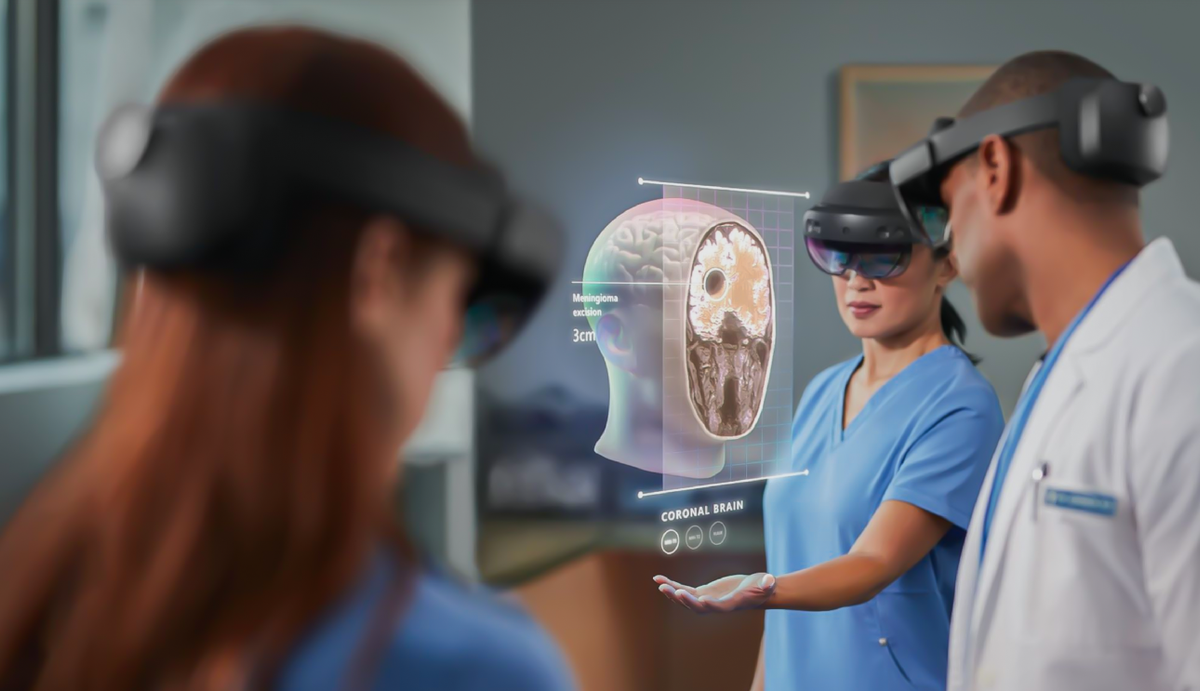
Instead of saying, "You have damage to your motor cortex," you take them on a journey through their own brain. They see the healthy tissue, they see the affected area, and suddenly, their tremor isn't just happening to them; they understand the why behind it.
When a patient says, "Oh my God, now I get it," it is the moment that matters. "That's why I have been having trouble with words; it is right there." Fear of the unknown transforms into understanding something specific and manageable.
To make it personal, use VR to show their actual scans, their specific condition, and their individual treatment approach. "This is your brain, this is your lesion, and here's exactly how the medication we are prescribing will help this specific area."
The real value isn't in technology. It's in the conversation that happens afterward. Patients ask better questions, follow treatment plans more consistently, and feel like active participants instead of passive recipients of care.
Instead of patients leaving your office confused and Googling their condition, they leave with clear mental images of what's happening and why your treatment approach makes sense.
They become partners in their care because they finally understand what they are partnering with.
Also See: Healthcare Digital Marketing: Best Practices To Follow
Digital Marketing Strategies for Neurology Practices
While emerging technologies like AI and VR represent the future, the digital marketing fundamentals still drive the majority of patient acquisition for neurology practices today. The most successful practices combine innovative patient engagement strategies with proven digital marketing channels that consistently deliver new patients.
Content Marketing & Thought Leadership
Neurological conditions are complex and often frightening for patients. Content marketing gives your practice an opportunity to become the trusted voice that patients turn to when they are researching symptoms, treatments, and specialists. The key is creating content that bridges the gap between clinical accuracy and patient accessibility.
Condition-specific blog posts are the foundation. Articles like "What to Expect at Your First Neurology Appointment" or "Understanding the Difference Between Migraines and Tension Headaches" answer the questions your patients are already searching for. Each piece of content should educate first and position your practice as the solution second.
Video content is particularly powerful for neurology because it allows you to demonstrate the empathy and expertise that text alone cannot convey. Short explainer videos where your neurologists walk through conditions in plain language build familiarity and trust before the patient ever steps into your office. Patients want to know that the person treating their brain is someone they can relate to and understand.
Publishing original research summaries and clinical insights positions your practice as a thought leader. When other sites and publications reference your content, it builds domain authority that strengthens every other marketing channel you invest in.
Social Media for Patient Education
Social media for neurologists is not about going viral — it is about showing up consistently where your patients and their caregivers spend time. Facebook and Instagram remain the most effective platforms for reaching neurology patients, particularly for conditions like Alzheimer's and Parkinson's where caregivers are often the ones researching treatment options.
Share bite-sized educational content: infographics about warning signs, quick myth-busting posts about neurological conditions, and behind-the-scenes looks at your practice. The goal is to humanize your team and demystify neurology. When a patient's caregiver sees your neurologist explaining Parkinson's progression in a compassionate 60-second video, they remember that face when it is time to choose a specialist.
Patient stories (with proper consent) are your most powerful social content. A caregiver sharing how your practice helped their parent navigate an Alzheimer's diagnosis carries more weight than any ad. These authentic moments build community and signal to prospective patients that your practice treats people, not just conditions.
Online Reputation & Review Management
Between 73% and 75% of patients check online reviews before choosing a healthcare provider, and neurology is no exception. In fact, the stakes feel even higher for patients choosing a brain specialist — they want reassurance that the person treating their most vital organ is both competent and compassionate.
A proactive review strategy starts with making it easy for satisfied patients to leave feedback. Send a follow-up text or email after appointments with a direct link to your Google Business Profile. Timing matters — patients who had a positive experience are most likely to leave a review within 24 hours of their visit.
How you respond to reviews — especially negative ones — matters as much as the reviews themselves. A thoughtful, HIPAA-compliant response to a negative review shows prospective patients that you take feedback seriously. Something as simple as "We are sorry your experience did not meet expectations. Please reach out to our office so we can address your concerns directly" demonstrates accountability without violating patient privacy.
PPC & Paid Search for Neurology
Pay-per-click advertising fills the gap while your organic content marketing strategy builds momentum. For neurology practices, the highest-converting campaigns target condition-specific searches like "migraine specialist near me" or "neurologist for numbness and tingling" rather than broad terms like "neurologist."
Google Ads with location targeting ensures your budget reaches patients in your service area. Landing pages should match the ad's promise — if someone clicks an ad about migraine treatment, they should land on a page about your migraine program, not your homepage. Include a clear call-to-action, patient testimonials specific to that condition, and an easy way to book an appointment directly from the page.
SEO & Online Visibility for Neurology Practices
With 71% of patients researching healthcare providers through digital channels before booking, your practice's search visibility directly impacts your patient pipeline. Search engine optimization for neurology practices requires a strategy that addresses both the clinical complexity of your services and the local nature of patient acquisition.
Medical SEO Fundamentals
Medical SEO starts with understanding what your patients actually search for — and it is rarely clinical terminology. Patients search for symptoms ("why does my hand go numb"), conditions in plain language ("what is a mini stroke"), and treatment questions ("is Botox good for migraines"). Your website needs dedicated pages targeting these patient-language queries, not just pages optimized for medical terms that only other doctors would use.
Create condition-specific service pages for every condition your practice treats. Each page should cover symptoms, diagnostic process, treatment options, and what patients can expect — written at a reading level that a worried patient at midnight can understand. These pages become the organic search engine that drives consistent patient inquiries month after month.
Technical SEO matters too. Ensure your site loads quickly on mobile devices (where most health searches happen), uses proper heading structure, and includes schema markup for medical practice and FAQ content. These technical signals tell search engines that your site is a credible, well-organized medical resource.
Local SEO & Google Business Profile
For neurology practices, local SEO is often the highest-ROI marketing investment you can make. When someone searches "neurologist near me" or "best neurologist in [city]," your Google Business Profile is the first thing they see — often before they even visit your website.
Optimize your Google Business Profile with complete and accurate information: office hours, accepted insurance plans, services offered, high-quality photos of your practice, and regular posts about health topics or practice news. Encourage and respond to Google reviews consistently — practices with 50+ reviews and a 4.5+ star rating dominate the local map pack results.
Build local citations by ensuring your practice name, address, and phone number are consistent across all directories — Healthgrades, Zocdoc, Vitals, WebMD, and your state medical board listing. Inconsistencies confuse search engines and can push your listing lower in local results.
AI & LLM Search Optimization
A growing number of patients are using AI assistants like ChatGPT and Google's AI Overviews to research symptoms and find providers. Optimizing your content for these AI-powered search experiences is becoming essential for forward-thinking neurology practices.
AI models favor content that is well-structured, factually accurate, and clearly attributed. Use clear question-and-answer formats, include specific statistics with sources, and organize content with descriptive headings. When your content directly answers common neurology questions with citable passages, AI systems are more likely to reference your practice in their responses.
Structured data (schema markup) is particularly important for AI citation. FAQ schema, medical practice schema, and article schema help AI models understand and accurately reference your content. The practices that invest in structured, authoritative content now will have a significant advantage as AI-powered search becomes the norm.
Quick Reference: Key Actions by Strategy
Telemedicine
- Start conversations with current patients about telemedicine preferences and promote virtual visit availability
- Lead marketing messaging with patient understanding and convenience, not technology features
- Feature authentic patient stories about telehealth convenience on your website and social channels
AI Symptom Checkers
- Develop or integrate an AI-powered symptom assessment tool on your practice website
- Ensure AI tools provide empathetic, jargon-free explanations that guide patients toward booking
- Track chatbot engagement metrics to continuously refine patient education content
Neuroscience-Based Workshops
- Launch monthly or quarterly patient education workshops on common neurological conditions
- Partner with community organizations to expand reach and build local authority
- Repurpose workshop content into videos, blog posts, and handouts for ongoing engagement
Patient Data Privacy
- Audit and proactively communicate your data protection practices to patients
- Feature HIPAA compliance badges and security certifications prominently on your website
- Use data privacy messaging as a trust-building differentiator in ads and patient communications
Virtual Reality (VR) Experiences
- Pilot VR patient education tools for complex conditions like epilepsy or multiple sclerosis
- Market VR capabilities as a practice differentiator in your branding and outreach
- Collect patient feedback on VR experiences to refine educational content and share testimonials
Conclusion
The convergence of rapid market growth, changing patient behaviors, and technological capabilities creates a defining moment for neurology practices. The data is clear: practices that successfully integrate these human-centered approaches to technology adoption will capture a disproportionate market share in a growing field.
The practices thriving through 2030 won't be those with the most advanced technology but those who use technology to solve the core challenge of neurological care: helping patients understand and manage conditions affecting an organ they cannot see or directly monitor.
Whether through telemedicine that meets patients in their daily reality, AI tools that provide empathetic guidance during frightening moments, or VR experiences that make the abstract tangible, the goal remains consistent: transforming fear and confusion into understanding and partnership.
Frequently Asked Questions
The global neurology market reached an estimated USD 3.88 billion in 2025 and is projected to reach approximately USD 7.57 billion by 2034, growing at a CAGR of 7.72%. The U.S. neurology therapeutics market alone is projected to be worth around USD 2.31 billion by 2034, growing at a CAGR of 8.31%.
98% of neurologists now offer virtual consultations, and 36% of neurological visits take place online. Telehealth has become essential infrastructure for neurology practices, enabling patients to receive care without the burden of travel, especially for routine medication checks and follow-ups.
71% of people research healthcare providers through digital channels, making it the most significant factor in their decision-making. Over 60% access healthcare information through mobile devices, and over 40% of patients now schedule medical appointments online. Having a strong digital presence with clear, empathetic content is critical for neurology practices looking to reach new patients.
The neurology services market is segmented by major disorder types including neurodegenerative diseases (Alzheimer's, Parkinson's), neurovascular diseases (stroke), epilepsy, multiple sclerosis, and migraine. Neurodegenerative diseases dominate with 59% of revenue in 2024, while MS represents the largest single-disorder segment at over 36% of neurology services revenue. Migraine therapeutics are the fastest-growing segment at 10.9% CAGR, projected to reach USD 13.34 billion by 2030.
AI is transforming neurology through multiple applications. The AI in neurology market reached USD 705.6 million in 2025, with 56 FDA-approved AI/ML devices used in neurological diagnosis and treatment. AI algorithms can analyze brain MRIs and EEGs with high precision, detecting early signs of Alzheimer's before clinical symptoms manifest. Wearable AI-powered devices like EpiWatch provide real-time seizure detection with 97.7% sensitivity, while predictive analytics help anticipate neurological complications and personalize treatment plans.
Asia-Pacific is the fastest-growing neurology market globally, driven by rapidly aging populations, rising prevalence of neurological disorders, and significant healthcare infrastructure investment. China's neuro-interventional device market is growing at 18% CAGR, while India has seen a 15.7% increase in specialized neurology centers. Japan and South Korea have reached or are approaching super-aged society status, making Alzheimer's and dementia care critical priorities. New drug approvals and government brain-tech initiatives across the region are expanding the addressable market.
Tags
Let's Grow Your Brand With Us
Book a free consultation and get a custom growth strategy tailored to your business.
Book Free ConsultationGet marketing insights in your inbox
Join our newsletter for the latest digital marketing tips and strategies.
By subscribing, you agree to our Privacy policy .

About the author
Shreya S.Content Strategist at Brenton Way
Shreya S. is a Brenton Way content strategist specializing in ecommerce, consumer behavior, and programmatic advertising, translating market research into campaign-planning insights.


