Table of Contents
Digital out-of-home has become one of the most powerful levers in modern digital advertising. As brands push for smarter advertising campaigns, more measurable impact, and more flexible ad buying, the question isn’t just “Should we do DOOH?” anymore, it’s “Which is the top demand-side platform for our goals?” With so many advertising platforms claiming to be the best demand-side platform or the best DSP for every use case, it’s getting harder to know which programmatic advertising platform actually fits your strategy, data, and creative ambitions.
I will walk you through leading DOOH DSPs and how they really work in the wild: how each marketing platform handles media buying, which ad formats they support, and how their programmatic advertising solution fits into your existing stack of data management platforms, supply-side platforms, and analytics tools. From specialist DOOH players to omnichannel giants, we’ll look at how each media platform and management platform handles programmatic buying, what their platform offers in terms of targeting, how the platform provides optimization through machine learning, and what kinds of programmatic advertising campaigns they’re best at powering. Whether you’re searching for the best demand partner for a global ad campaign or simply trying to plug DOOH into a broader ad platform strategy, this overview will help you spot the strengths, trade-offs, and real-world value that different DSPs offer; so you can pick the advertising solution that feels less like a gamble and more like working with one of the largest, most proven allies in your media mix.
The role of DOOH DSPs
Programmatic DOOH has gone from “nice experiment” to “core channel” pretty quickly. DSPs are where it all comes together:
- You plan and buy DOOH inventory across multiple publishers.
- You layer in audience, data, and triggers (weather, time, location, etc.).
- You manage budgets, pacing, and optimization just like any other digital channel.
The trick is: not all DOOH demand side platforms are built the same. Some are data powerhouses, some shine at a global scale, some are better for performance-minded brands, and some are brilliant for more flexible, mid-market campaigns.
Let’s walk through the major DSP platforms and what actually makes each one stand out.
Vistar Media
Best for: Data-led, scaled DOOH campaigns with serious planning and analytics needs.
Vistar Media is often the first name people mention in dedicated DOOH DSPs, and with good reason. It was built from the ground up around audience-first buying, not just screen-by-screen media planning.
Where it shines:
- Robust audience targeting: You can plan based on behavioral and location data, essentially buying against people and patterns rather than just “billboards in city X.”
- Full-funnel thinking: Vistar leans into measurement, from brand lift to footfall attribution. For brands that need to justify DOOH to a performance-minded CMO, that matters.
- Serious scale: It connects into a wide range of media owners and formats: roadside billboards, transit, malls, gyms, convenience stores, you name it.
Vistar tends to appeal to advertisers and agencies who think about DOOH as a strategic, data-rich channel, not just a “splashy awareness” line item.
Perion
Best for: Global, programmatic-first DOOH and advanced triggers.
Perion built its reputation by going deep on programmatic automation and global reach. It’s especially strong if you’re running multi-country or cross-continent DOOH campaigns.
What makes it different:
- Global marketplace: Perion is tightly integrated with screens in a huge number of markets, making it a go-to for brands running international or multi-region activity.
- Real-time triggers and data: The platform is known for making it easy to activate campaigns based on context: weather, time of day, location density, proximity, and more.
- Strong SSP + DSP infrastructure: Because Perion also operates on the supply side, it has a good view across the ecosystem, which helps with matching, scale, and efficiency.
If you’re coordinating DOOH across multiple countries and stakeholders, Perion often feels like the “global command center.”
SmartyAds
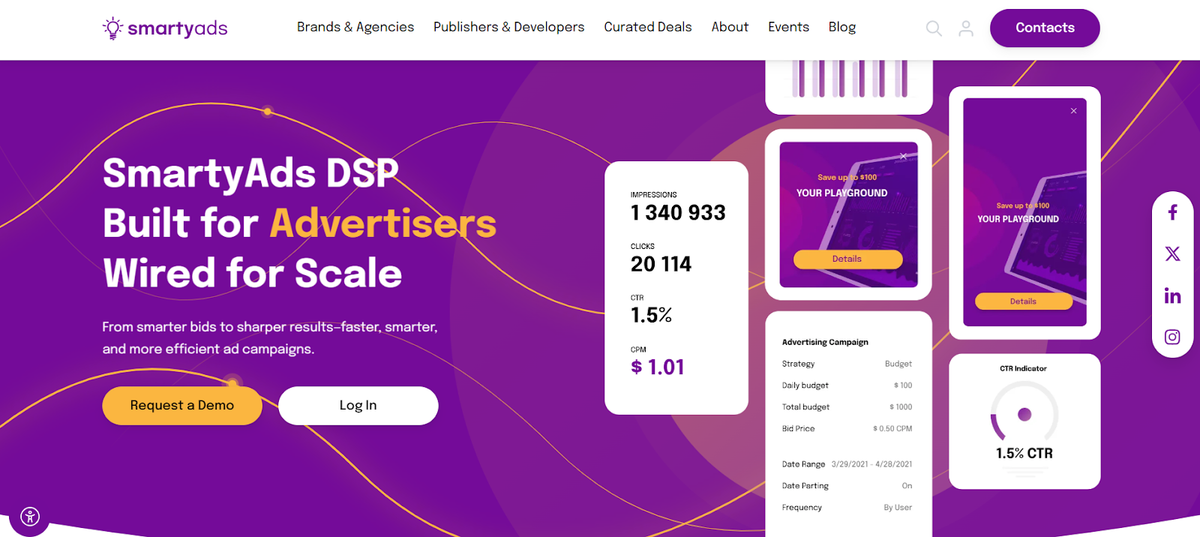
Best for: Advertisers who want strong access to premium OOH media owners and transparency into inventory.
SmartyAds is a long-time OOH technology player and a programmatic marketplace/DSP layer. The main advantage: direct, deep integrations into the supply side.
Why it’s compelling:
- Tight publisher relationships: Many media owners use SmartyAds for their ad-serving and inventory management, so it often provides clean, reliable access straight into that supply.
- Premium environments: If you’re prioritizing quality, premium DOOH placements (think flagship locations and top-tier digital screens), SmartyAds is often in the mix.
- Operational reliability: SmartyAds roots are in infrastructure: scheduling, delivering, and managing OOH ads, so campaigns tend to run smoothly and predictably.
This is a strong fit for agencies and brands that care a lot about inventory quality and want a clear line of sight into what, exactly, they’re buying.
Place Exchange
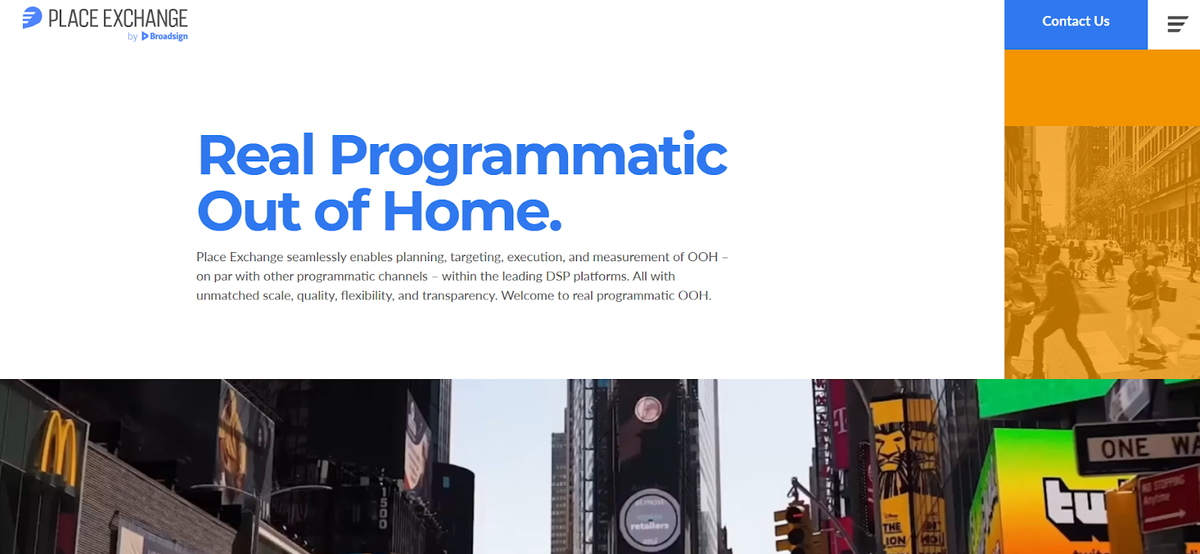
Best for: Making DOOH feel like a native part of your omnichannel digital media.
Place Exchange’s core promise is true programmatic parity, treating DOOH the same way you’d treat display, video, or CTV in your existing digital stack.
What stands out:
- Omnichannel mindset: Place Exchange integrates with major omnichannel DSPs, so DOOH can be planned and optimized alongside other channels rather than in a silo.
- Unified reporting: Because of the way it pipes data, you can compare DOOH performance against other digital formats more cleanly, using similar metrics and frameworks.
- Flexible buying tactics: It’s designed to support audience buying, contextual buying, or a blend, so strategy teams get room to play.
Place Exchange is great if your goal is: “Let’s stop treating DOOH as this weird separate channel and just bake it into the core media plan.”
Adomni
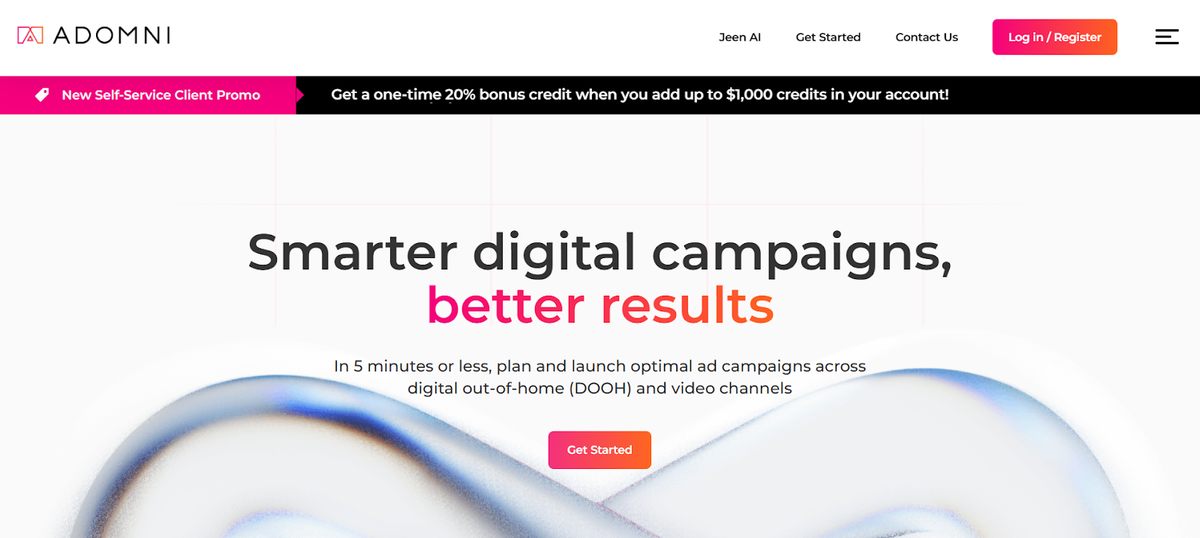
Best for: Fast, flexible campaigns with a friendly interface, especially for mid-market brands.
Adomni positions itself as a user-friendly, accessible DOOH buying platform, and it lives up to that. It feels a bit less intimidating than some of the heavy enterprise tools.
Where it clicks:
- Speed and simplicity: The UI is approachable, which makes it easier for smaller teams or emerging brands to get into DOOH without a steep learning curve.
- Good variety of screens: From roadside to rideshare/top-of-car, gyms, entertainment venues, and more, Adomni offers creative ways to show up in the real world.
- Budget flexibility: It’s often attractive for advertisers who don’t have massive budgets but still want to experiment with dynamic DOOH or test specific markets.
If you’re not a giant holding company agency but still want serious DOOH options, Adomni often feels like a comfortable on-ramp.
VIOOH
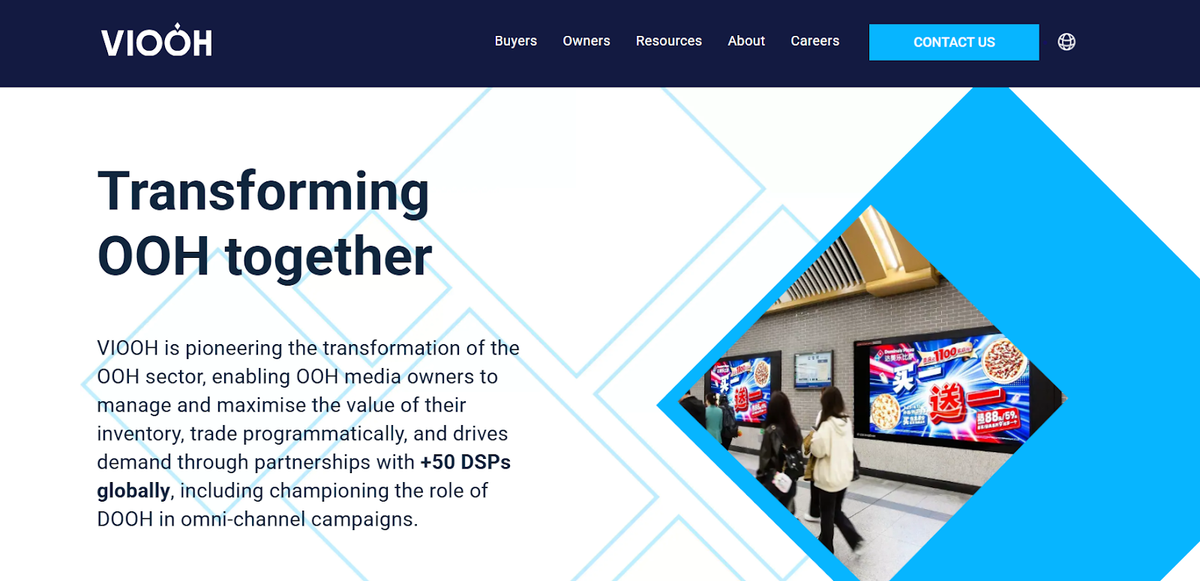
Best for: Brands wanting strong access to JCDecaux and premium street furniture/transport media worldwide.
VIOOH (pronounced “view”) is a programmatic platform with deep roots in JCDecaux’s global inventory, which includes a huge portion of premium street-level screens (bus shelters, city furniture, airports, transit, and more).
Why it’s unique:
- Prestige environments: If you’re targeting commuters, travelers, and urban audiences in high-traffic, high-visibility placements, VIOOH’s supply relationships stand out.
- European and global strength: VIOOH is especially strong in Europe and other international markets where JCDecaux has substantial presence.
- Programmatic sophistication: It supports common programmatic triggers, data overlays, and flexible buying models, while still being closely tied to physical, iconic media.
If your brand loves the idea of being highly visible in aspirational, urban environments, VIOOH is often on the shortlist.
The Trade Desk
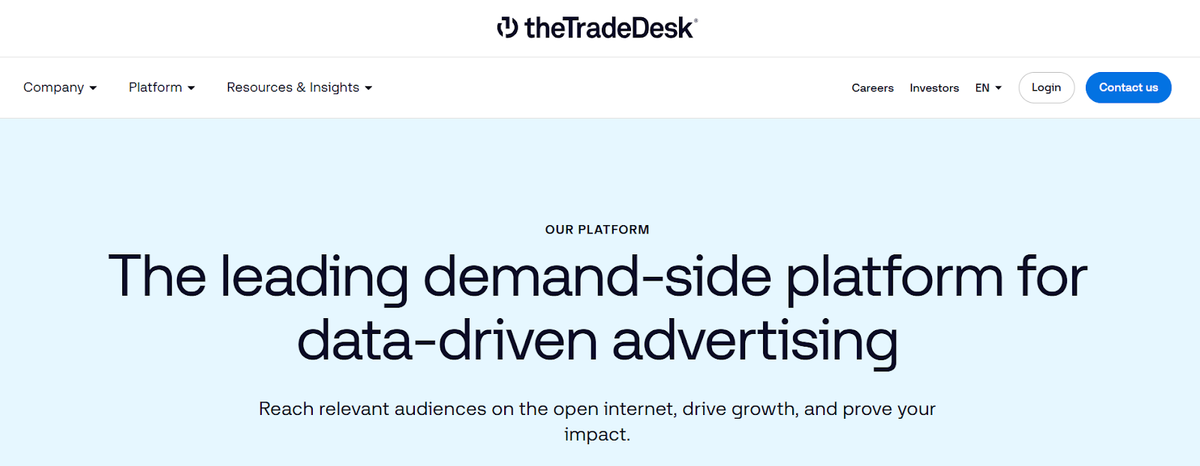
Best for: Digital-first teams who want DOOH tightly integrated into performance and omnichannel strategies.
The Trade Desk isn’t DOOH-only; it’s a full-blown omnichannel DSP, but its DOOH capabilities are increasingly important for brands that live in data dashboards.
What’s compelling here:
- Cross-channel planning: You can plan DOOH alongside CTV, display, video, audio, and more, using shared audiences and unified frequency strategies.
- Advanced data and measurement: The Trade Desk’s data marketplace and measurement partners make it easier to connect DOOH exposure to business outcomes.
- Sophisticated traders’ environment: Power users who already live in TTD for other channels can add DOOH without learning a completely new platform.
If your organization is already invested in The Trade Desk, using it as your DOOH entry point can dramatically reduce friction.
Yahoo DSP
Best for: Brands that want DOOH as part of a broader, audience-led media mix with strong identity solutions.
Yahoo’s DSP leans into identity, audience data, and omnichannel execution, and DOOH is one part of that connected story.
Why it matters:
- Audience-led DOOH: Powered by Yahoo’s data assets and partnerships, you can build audience segments and extend them into DOOH environments.
- Holistic planning: As with other omnichannel DSPs, DOOH can be managed alongside display, CTV, native, and more, which helps with consistent messaging and pacing.
- Privacy-conscious targeting: In a world of signal loss and privacy changes, Yahoo’s identity solutions can help keep audience strategies coherent across devices and screens.
This is especially useful when you’re building customer journeys that span online and offline touchpoints and want DOOH to slot into that ecosystem smoothly.
How to choose the right DOOH Demand-Side Platform (without overcomplicating it)
Rather than asking “Which one is the best?”, it’s more useful to ask:
How important is global vs. local scale?
- Global focus? Look closely at Perion, Vistar, and VIOOH.
- More local/US or regional tests? Adomni, Vistar, and Place Exchange are strong fits.
Do you want DOOH inside your existing omnichannel demand side platform, or separate?
- Inside your main DSP? The Trade Desk, Yahoo DSP, and Place Exchange integrations work well.
- Dedicated DOOH stack? Vistar, Perion, SmartyAds, Adomni, and VIOOH are more specialized.
How advanced is your data strategy?
- Heavy on audience data and measurement? Vistar, Perion, and The Trade Desk stand out.
- Just getting started and need something more approachable? Adomni or a managed setup with Vistar/Perion can make life easier.
What kind of inventory do you care most about?
- Premium street furniture, transport, and airports? VIOOH (plus SmartyAds).
- Broad variety of venues and innovative formats? Perion, Vistar, and Adomni.
Wrapping it up
Programmatic DOOH has matured to the point where you can:
- Plan against real audiences, not just poster locations.
- Use triggers and context to make creative feel smart and timely.
- Measure outcomes in ways a CFO doesn’t roll their eyes at.
The DSP you choose should reflect your media maturity, geography, data stack, and the story you want to tell in the physical world. Start with those questions, not just a vendor logo list, and the “right” platforms will usually make themselves obvious.
Tags
Get marketing insights in your inbox
Join our newsletter for the latest digital marketing tips and strategies.
By subscribing, you agree to our Privacy Policy.
Content Strategist


