2026 edition
Medical Aesthetics Growth Playbook
Build a measurable patient-acquisition system that turns treatment demand into qualified consultations, completed treatments, retained patients, and profitable growth.
Read the online playbook- 15-chapter online preview
- Built for established practices
A quick look inside
The online preview contains chapters 1–15.
Inside the playbook
Read chapters 1–15 online
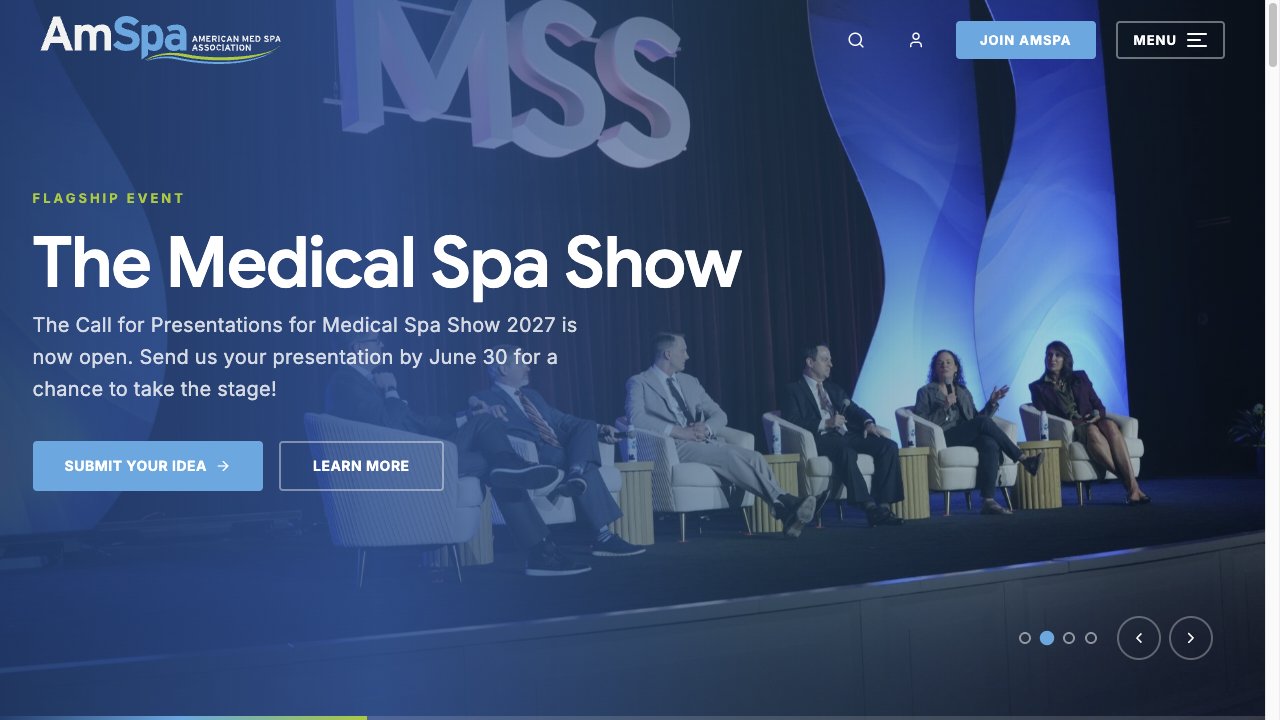
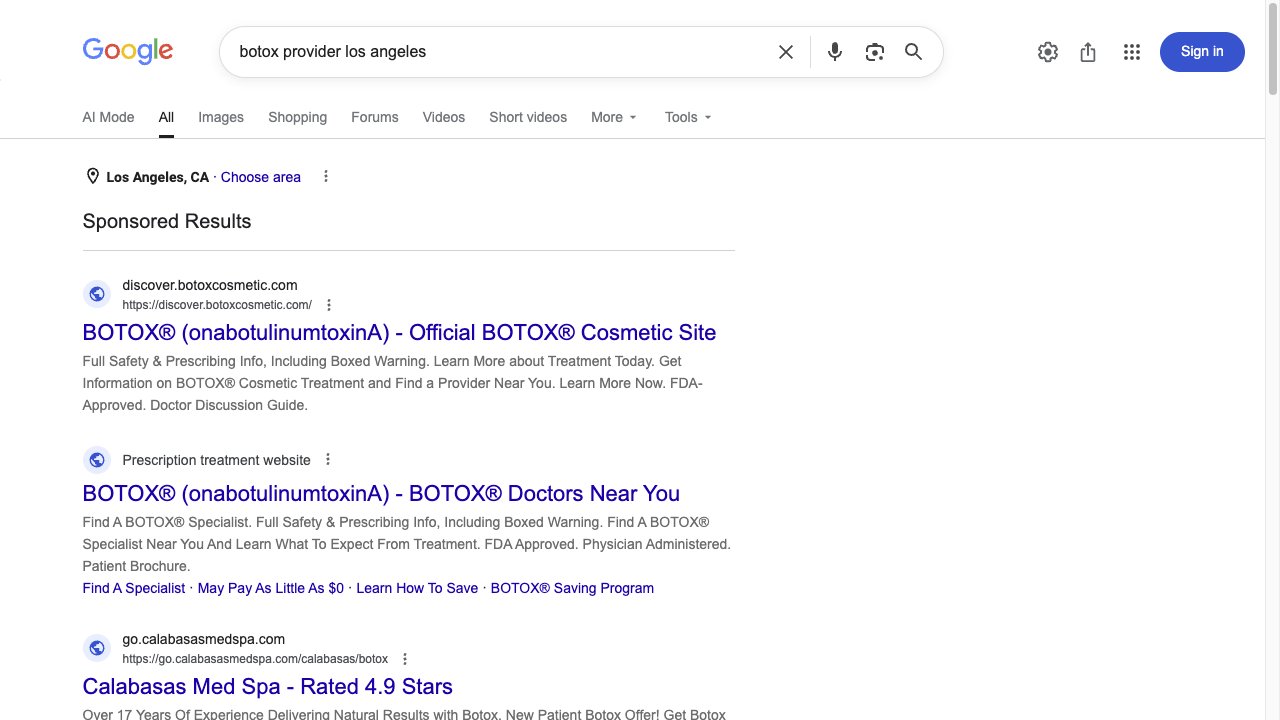
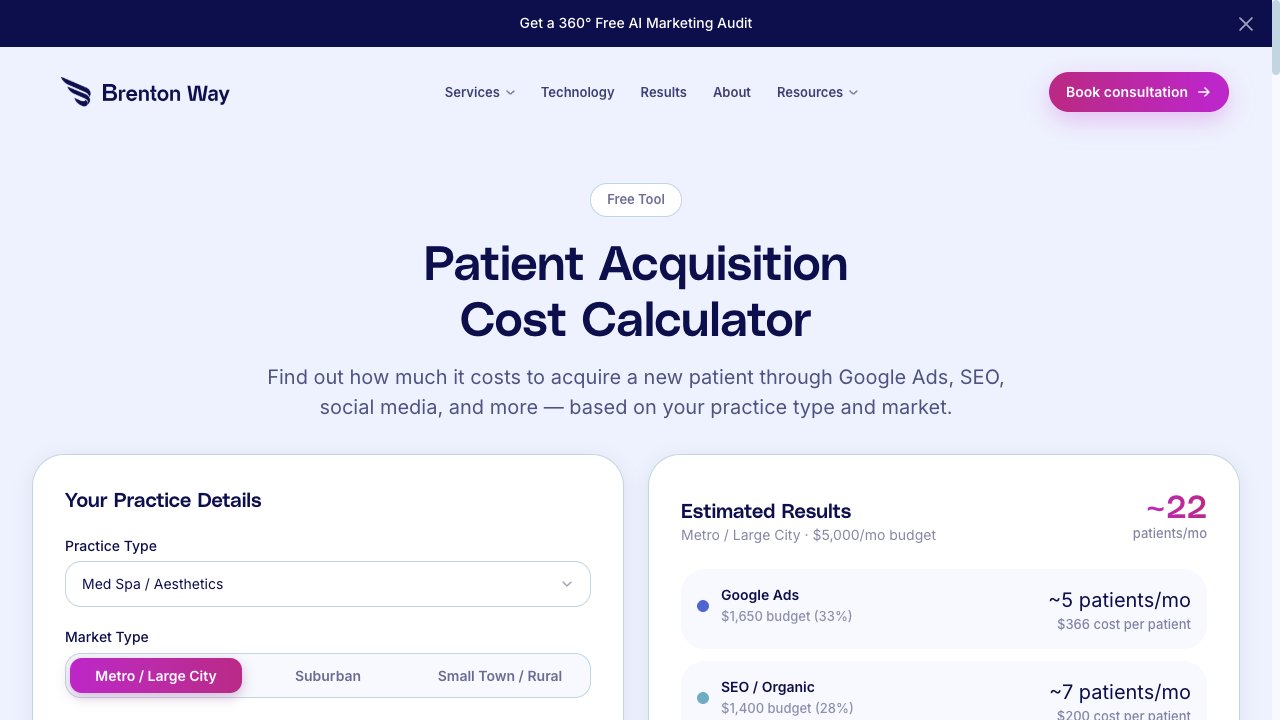
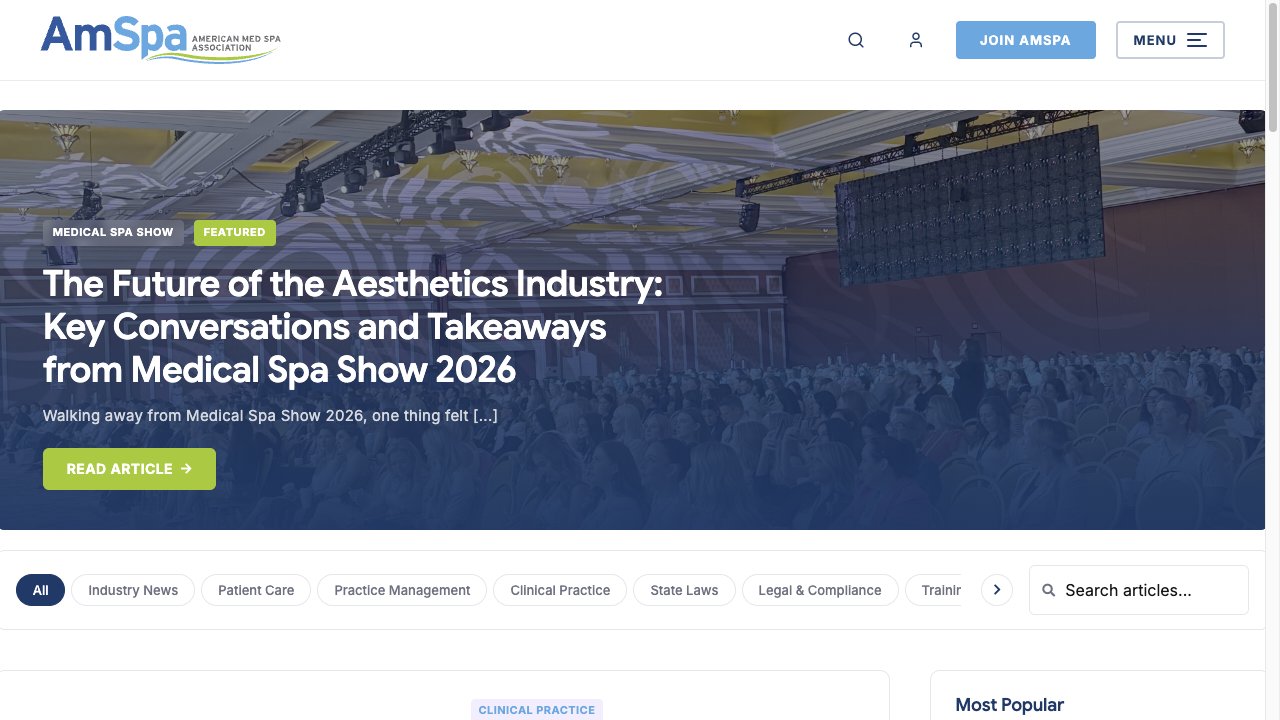
The opening chapters establish the operating thesis, economics, capacity, consultation model, positioning, and treatment offers. Every image is a reviewed public example captured without browser chrome; examples demonstrate observable execution, not performance.
part 01
Strategy and operating plan
chapter 1
Executive Thesis
Medical-aesthetics growth is not a lead-volume problem. It is a connected operating-system problem. Demand, clinical trust, treatment-path clarity, response speed, consultation conversion, capacity, retention, and measurement must work together.
A low cost per lead is not success when the practice cannot connect inquiries to attended consultations, completed treatments, rebooking, and contribution margin.

chapter 2
Who This Playbook Is For
Built for established med spas, plastic surgery practices, and dermatology groups investing $5K+/month in growth. It is most useful when multiple providers, locations, devices, or service lines create real allocation decisions.
It is not a shortcut for pre-launch operators, teams seeking only social posts, or practices unable to respond consistently to patient inquiries.
- Multi-provider or multi-location practices
- Cash-pay dermatology and elective surgery groups
- Teams accountable for booked consultations and treatment revenue
chapter 3
The Medical Aesthetics Growth Equation
Qualified demand × trust × treatment-path clarity × response speed × consultation conversion × retention × measurement discipline.
When one variable approaches zero, the system stalls. More media cannot compensate for unclear candidacy, weak provider proof, missed calls, or unavailable appointment capacity.
chapter 4
The First 90 Days
Days 1–15: audit service-line economics, capacity, lead paths, source data, and follow-up. Days 16–30: repair tracking, response ownership, priority pages, and proof. Days 31–60: launch tightly matched search and creative tests. Days 61–90: scale only the combinations producing qualified consultations and completed treatments.
chapter 5
Constraint Map
Name the current ceiling before choosing tactics. A practice can be demand-constrained, trust-constrained, conversion-constrained, capacity-constrained, retention-constrained, or measurement-constrained.
part 02
Economics and capacity
chapter 6
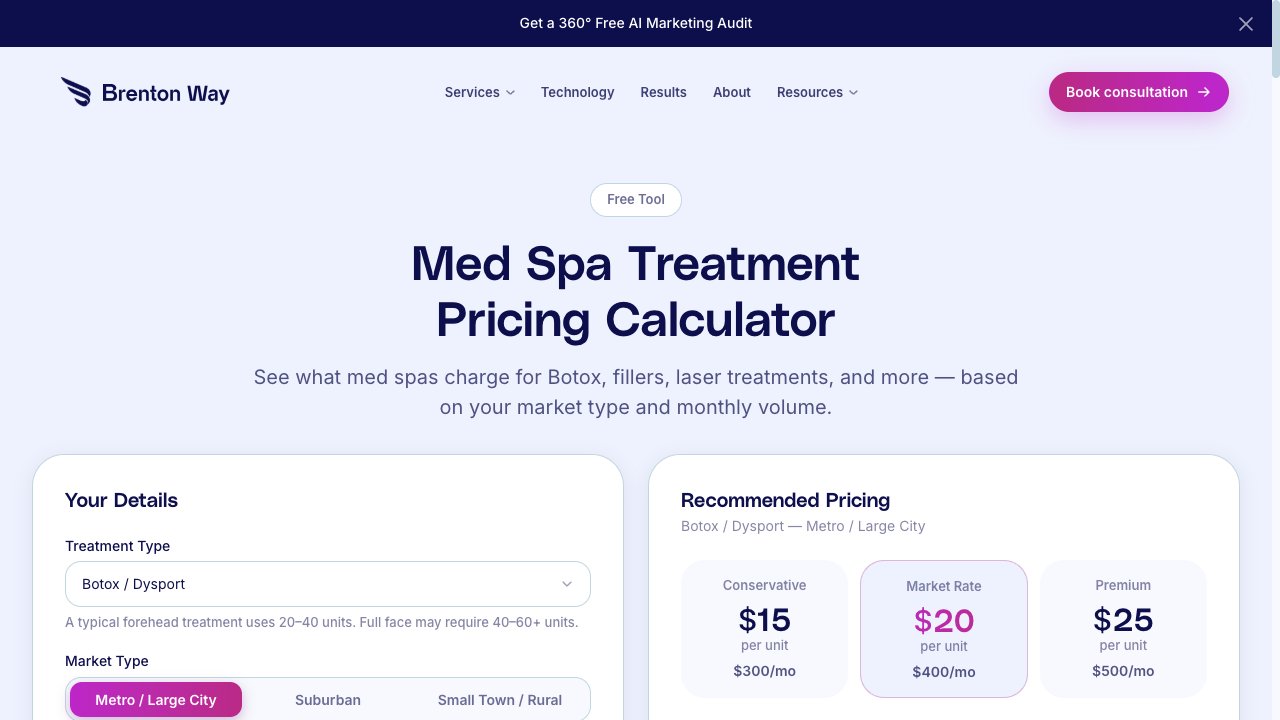
Treatment Economics Foundation
Set targets by service line. Revenue alone hides consumables, provider labor, device payments, financing fees, refunds, rework, room time, and follow-up burden.
Use contribution margin and capacity-adjusted value to establish a defensible acquisition ceiling.
chapter 7
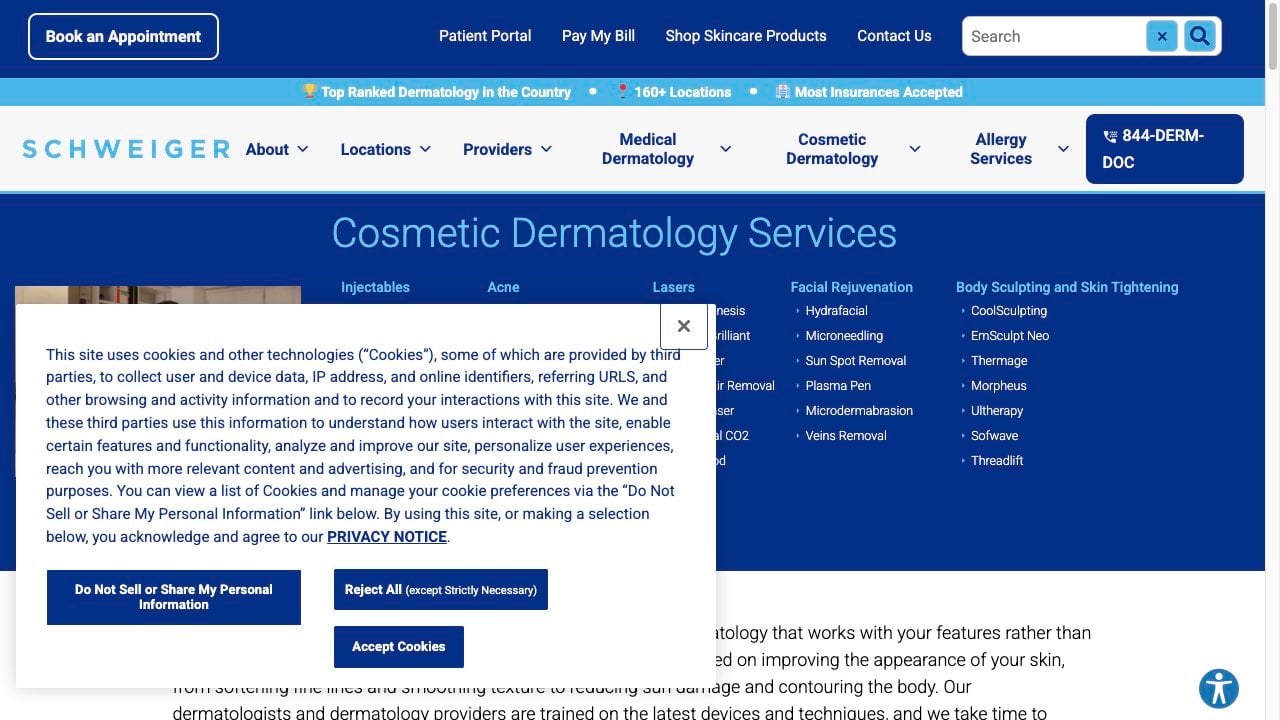
Service-Line Portfolio
Classify services before allocating spend. A recurring injectable, a device series, a surgical consultation, and medical-grade skincare do not share one demand model or payback window.
chapter 8
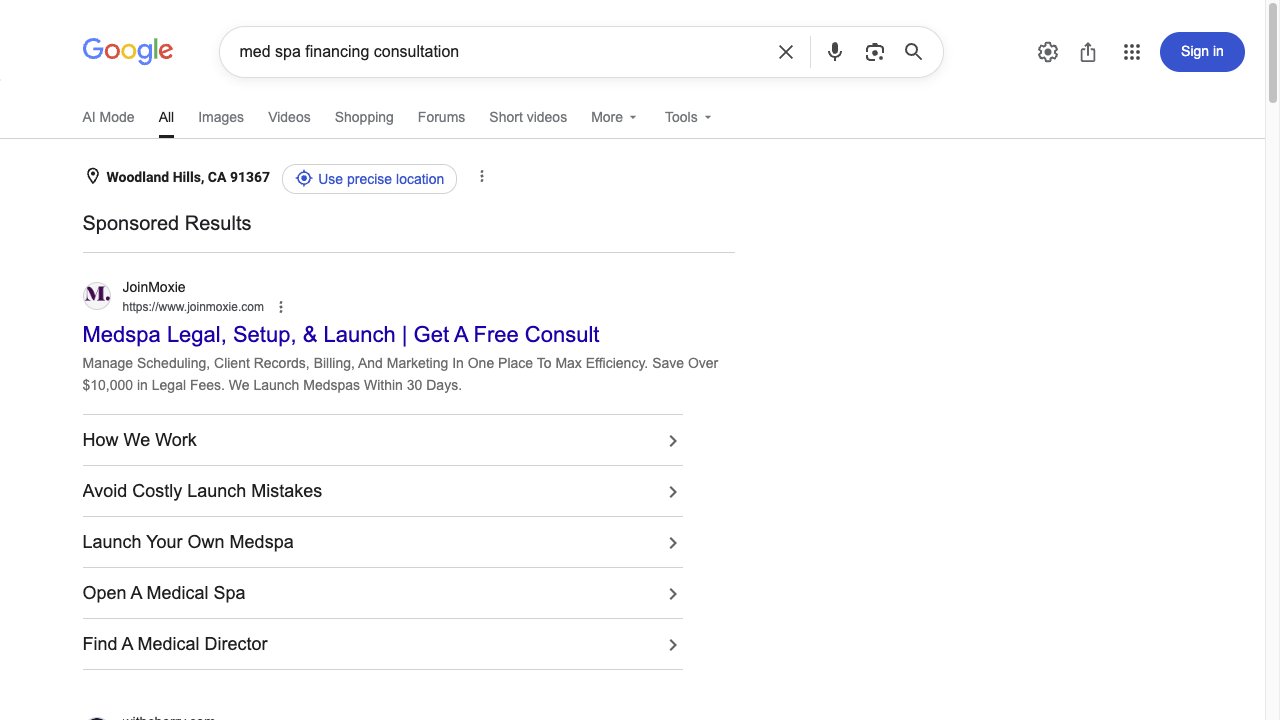
Patient Acquisition Cost by Service Line
Do not manage one blended CAC target. Separate acquisition cost for injectables, body contouring, laser, skincare, surgery, and recurring programs; then connect each to show rate, treatment conversion, margin, and repeat cadence.
chapter 9
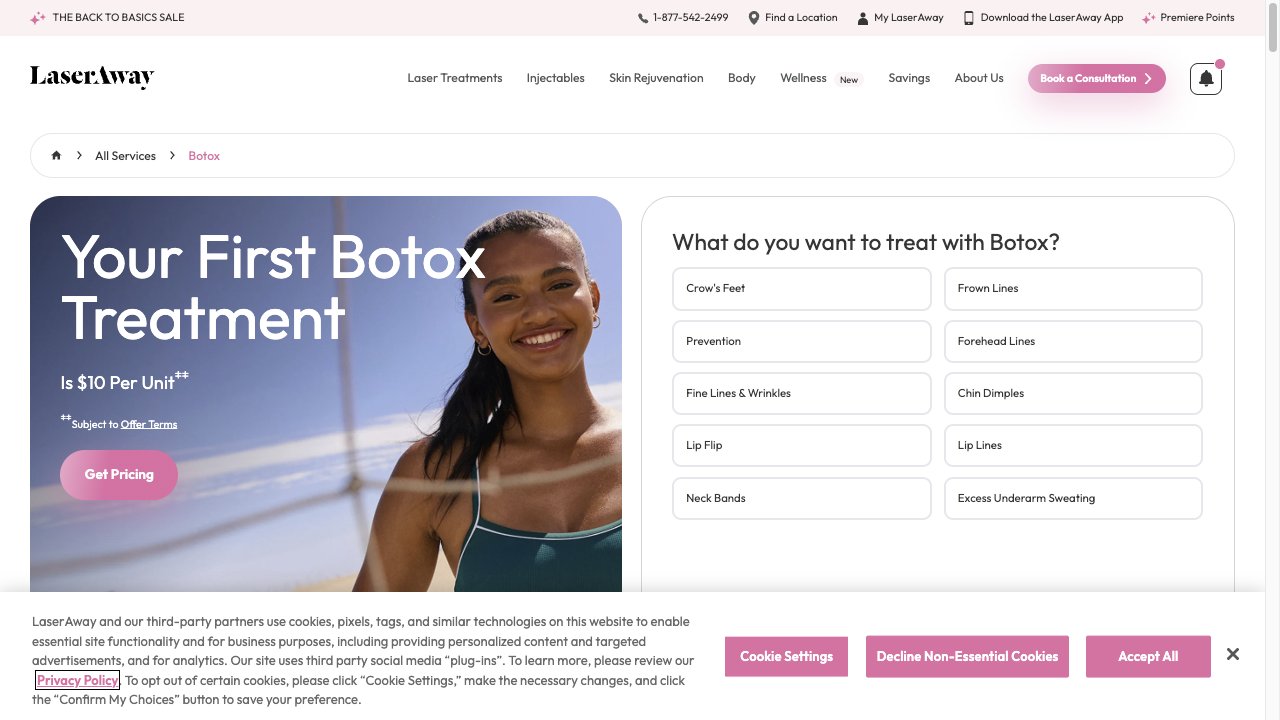
Lifetime Value and Repeat Cadence
Model value from actual treatment behavior, not a generic industry multiplier. Distinguish one-time episodes, recommended series, maintenance intervals, memberships, skincare, and referrals.
Retention is strongest when education and rebooking follow appropriate care—not when every patient receives the same promotion.
chapter 10
Provider and Device Capacity
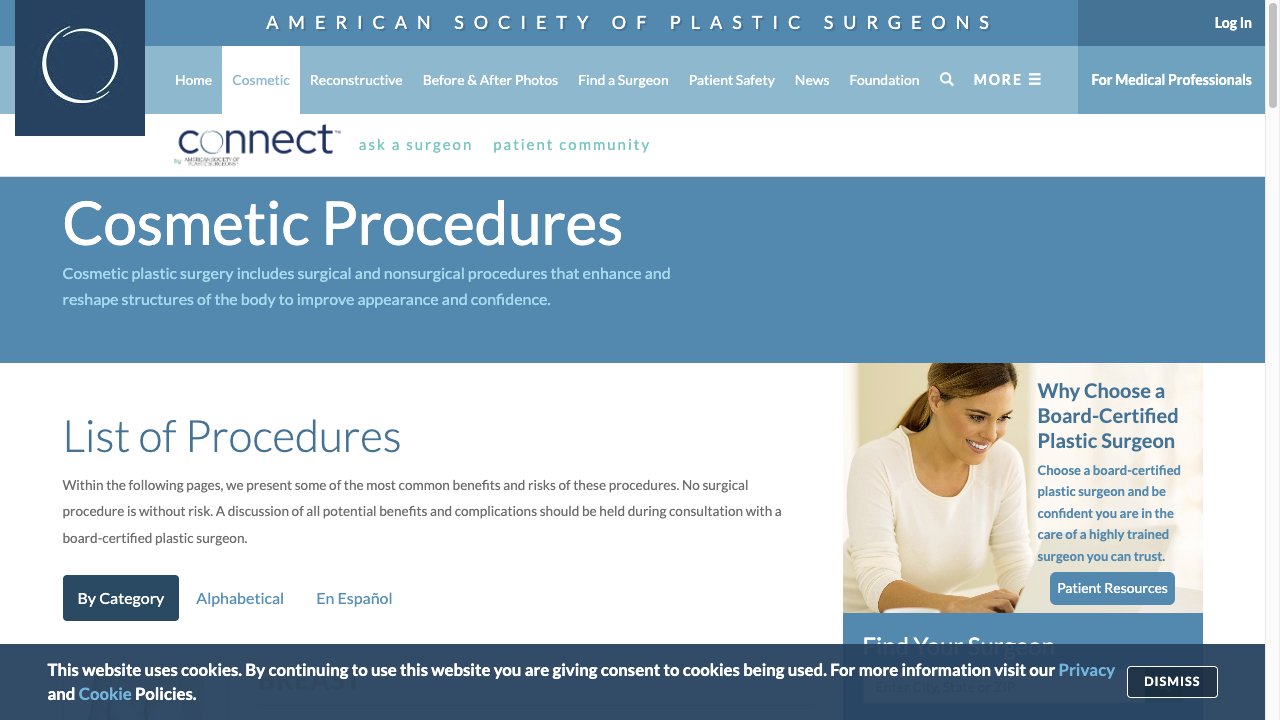
Scale demand only where the calendar can absorb it. Track available treatment hours, consultation slots, room utilization, device availability, provider mix, and recovery constraints.
A full calendar can still hide bad allocation when low-margin appointments displace strategic service lines.
part 03
Consultations and positioning
chapter 11
Consultation Economics
Measure each transition: inquiry → contacted → qualified → booked → showed → recommended plan → treated. Deposits, reminders, rescheduling, financing, and follow-up influence the economics as much as media cost.
chapter 12
Pricing, Packages, Memberships, and Financing
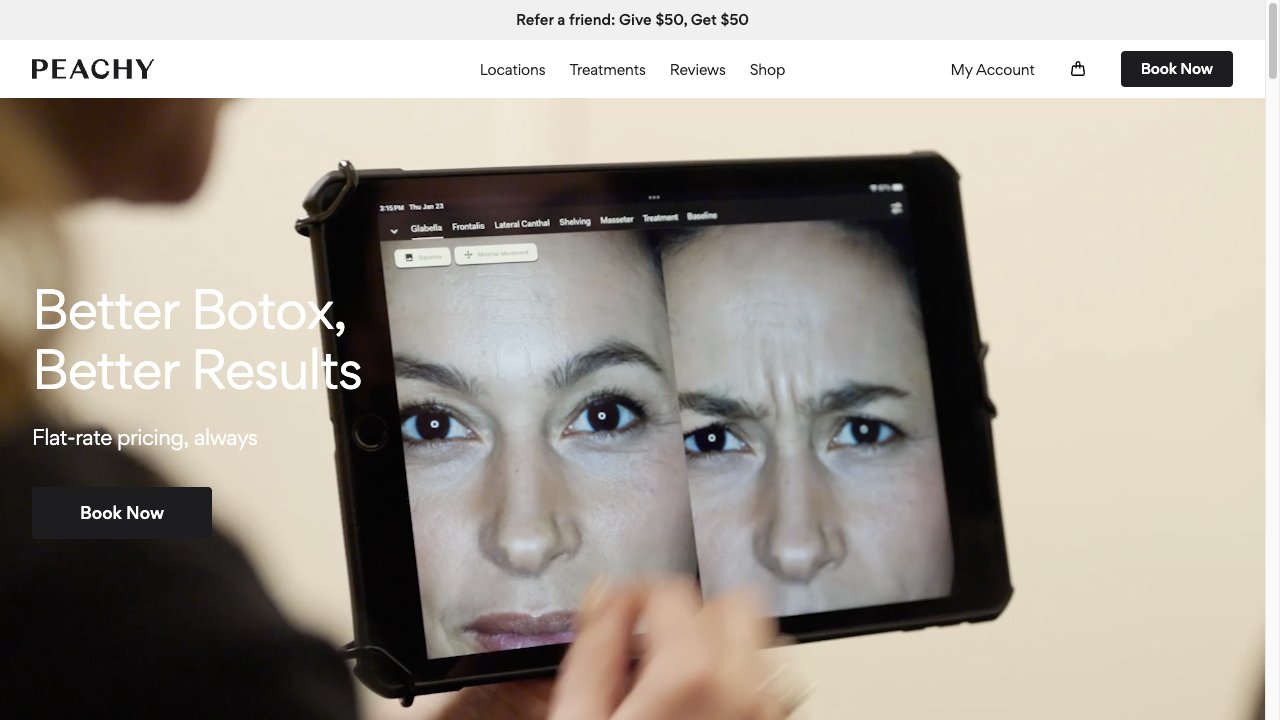
Use pricing context to reduce uncertainty without making every service a commodity. Packages and memberships should support an appropriate treatment plan, patient consent, operational capacity, and clear terms.
Financing can improve access for high-consideration services, but the page must explain the next step and avoid implying clinical suitability.
chapter 13
Market and Competitor Map
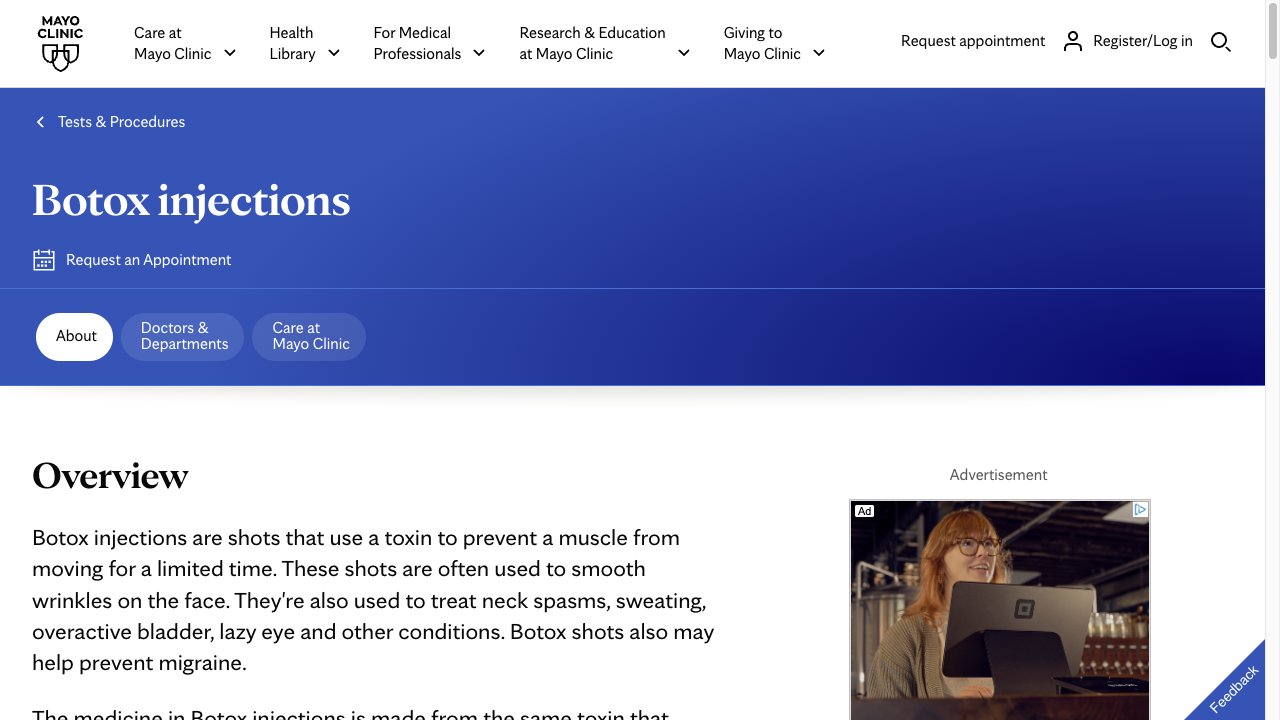
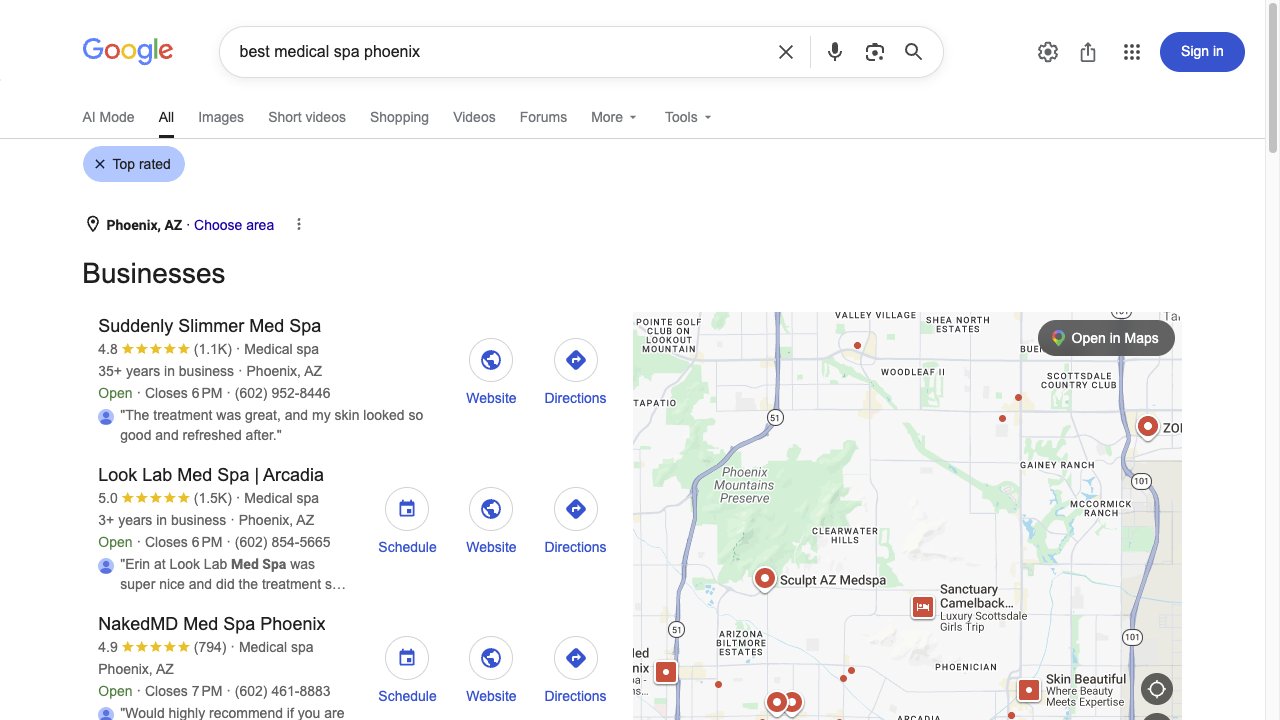
Map observable local differences: specialty, treatment focus, location coverage, provider credentials, review prominence, pricing context, financing, education, gallery quality, and booking friction.
Public visibility does not prove profitability. Treat ad activity, reviews, and page quality as evidence of positioning—not hidden performance.
chapter 14
Practice Positioning
Replace vague luxury claims with specific patient value: provider expertise, medical oversight, treatment philosophy, safety process, continuity, setting, and the patients or concerns the practice serves best.

chapter 15
Treatment Offer Architecture
Choose the offer that matches intent: education, consultation, event, package, membership, or time-bound promotion. Make candidacy, limitations, price context, proof, geography, and next step consistent from ad to landing page.
Every claim, testimonial, review, and before-and-after asset needs appropriate consent, disclosure, context, and platform review.
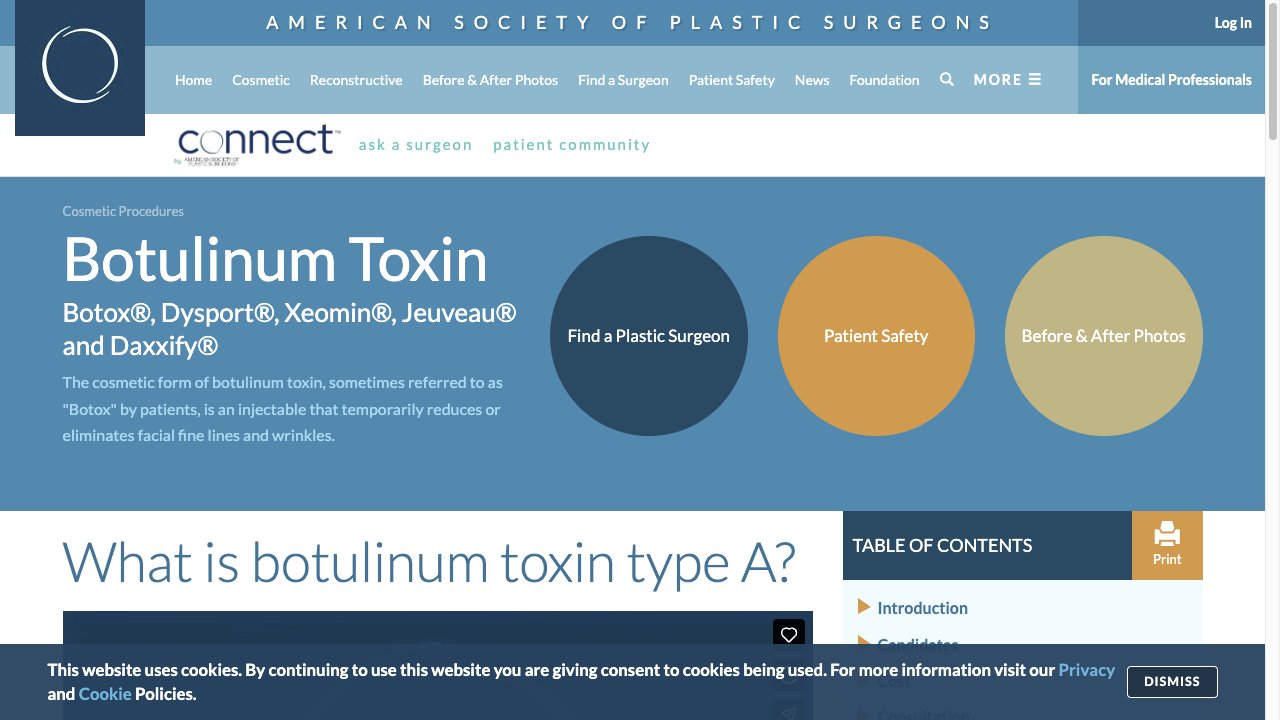
Source standard
Public evidence and further reading
Captured September 3, 2026. Public screenshots are used for commentary and education; trademarks belong to their owners. No private UI or inferred performance data is shown.
Primary and professional guidance
Medical Aesthetics Growth Playbook FAQs
What is a medical aesthetics growth playbook?
It is an operating guide connecting service-line economics, patient trust, acquisition, consultation operations, capacity, retention, and measurement.
Who is this playbook for?
It is designed for established med spas, plastic surgery practices, and dermatology groups with meaningful growth activity, ideally investing at least $5K per month.
Does this playbook provide medical or legal advice?
No. It is marketing and operating guidance. Practices should use qualified legal, privacy, medical, and state-specific reviewers for their circumstances.
Why are real screenshots included?
They make the operating ideas inspectable. Each screenshot is a dated public example; it does not imply endorsement or hidden performance.