
Ask AI about this
Get an AI-powered summary of this article
Table of Contents
9 Public Relations Strategies: Examples and Practical Tips

An effective public relations strategy helps a brand reach the right audience, build credibility, and earn meaningful attention. But PR is more than simply getting media coverage. It’s about creating stories, insights, and campaigns that give people a reason to notice and trust your brand.
From media outreach and expert commentary to original research, community initiatives, strategic partnerships, and guest content, there are several ways to build a strong PR presence. The right approach depends on your audience, campaign goals, the story you have to tell, and the channels best suited to reach them.
In this guide, we’ll explore nine practical public relations strategies, along with real-world campaign examples to show how brands have put these approaches into action.
What Makes a Public Relations Strategy Effective?
Before choosing a tactic, define three things: who you want to reach, what you want the campaign to achieve, and what you want people to remember. These three elements keep PR activity connected to a business objective instead of generating publicity without a clear purpose.
1. Start with a specific audience
Identify the people whose awareness, perception, or action matters most. Consider where they get information, which issues matter to them, and what type of story would feel relevant rather than promotional.
2. Set a measurable objective
A PR campaign may aim to earn relevant media coverage, strengthen authority, support a product launch, improve brand perception, increase qualified referral traffic, or build awareness around an issue. Choose an objective that can be measured.
3. Build one clear message
A campaign should have a central idea that can remain consistent across pitches, interviews, content, social posts, and other communications. Supporting details can change by channel, but the main message should remain recognizable.
9 Public Relations Strategies
1. Build Relationships with Relevant Journalists
Avoid using the same message for everyone. Instead, research journalists and media outlets that cover the beat relevant to your brand, audience, or campaign objective. Study their work and identify what angles or beats they cover repeatedly.
A good pitch succinctly summarizes the value proposition while explaining why the story is relevant to the journalist, their beat, and their audience. When appropriate, add supporting research, data, commentary, or access to experts.
2. Create Newsworthy Original Research
Original research can give journalists a reason to reference your brand. Surveys, industry datasets, customer research, trend reports, and analysis can become the foundation for a PR campaign when the findings reveal something genuinely useful or surprising.
Start with a question that matters to your audience. Collect reliable data, explain the methodology clearly, highlight the most useful findings, and create a concise media-ready summary. The research can then support pitches, expert commentary, social content, and on-site resources.
3. Develop Thought Leadership Through Expert Commentary
An expert commentary is a leveraged position of a professional in the relevant industry to provide opinion, analysis, or insight that supports a particular angle. Identify beats that your team has experience or research on and look for relevant news, topics of general interest, or industry-specific challenges.
Add context to a relevant news item, explain complex information simply, share expert opinion or quotes, or provide original commentary. Good expert opinion will focus on sharing knowledge, providing unique insight, or offering opinions that go beyond generic promotional statements.
4. Turn Brand Stories into Strong Media Angles
A company announcement is rarely a news story on its own. A public relations team will need to identify the best way to repackage the information in a format that supports the story relevant to the audience.
A product launch might be positioned as a reflection of an interesting consumer trend. A company milestone might illuminate an industry transformation while a report might be used to highlight a developing issue. The more the story appeals to a journalist’s beat or audience interests, the more likely it is to secure coverage.
5. Use Community and Cause-Based Campaigns
Community-based initiatives are a way for brands to demonstrate their commitment to an important cause. They are a good fit for publicity-seeking efforts if the initiative aligns with the company values and the needs of the community.
Support a relevant local campaign, partner with a suitable nonprofit, build a helpful resource, or offer expertise in an area of interest. Community initiatives should highlight a specific need or offer a meaningful solution rather than being promotional. The media value is an additional bonus.
6. Use Strategic Partnerships and Collaborations
Strategic partnerships allow a brand to extend its reach to a completely new audience. This could be businesses, experts, content creators, or other organizations that operate in a similar space or have overlapping audiences. When these collaborations are supported through online media, content, social platforms, and search, they can also become part of a broader Digital PR strategy.
Collaborations can help both partners to reach a shared audience with a relevant story, product, research, resource, or expert commentary that neither could achieve on their own.
7. Contribute Expert Content to Relevant Publications
Guest articles, expert commentaries, interviews, and other types of content submissions provide a brand the opportunity to demonstrate its expertise to a new audience.
Focus on publications that are relevant to your target audience and avoid generic promotional content. Good guest contributions typically have a specific objective, e.g., providing solutions, answering questions, sharing research, or offering a unique perspective.
8. Prepare a Reputation and Crisis Communication Plan
A crisis communication plan is a public relations risk management tool that establishes the brand’s response strategy in the face of negative publicity. It should define roles, approval processes, stakeholder management, communication rules of thumb, and holding statements for difficult situations.
When a crisis occurs, the response should always be factual and refrain from speculation or unverified information. Acknowledge the concerns and provide regular, factual updates as soon as verifiable information becomes available.
9. Repurpose Successful PR Coverage
A coverage piece is rarely the end of the road for a relevant story. Any good media placement can be used to leverage additional content creation and audience engagement and even follow-up media opportunities.
Share the coverage on your owned channels, use credible mentions as testimonials, turn expert commentary into educational content, and analyze campaign results to inform future initiatives. Repurposing is a good way to leverage the value of a story without overusing a single piece of coverage.
Real-World Public Relations Campaign Examples
Wondering how to put the elements above together?
The best way to learn is to see them in action.
Here are 9 great examples of public relations tactics from brands of all sizes:
1. “There’s more to life than the whopper” — Burger King
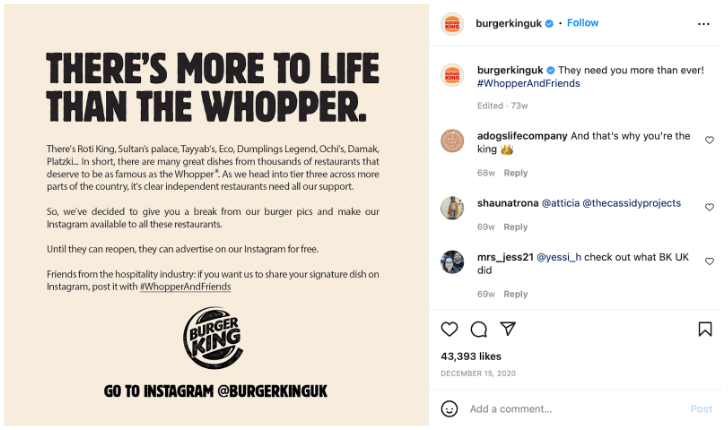
Burger King launched a global public relations campaign that allowed local restaurants to promote their dishes on their Instagram profiles. They did this to support restaurants that closed their physical establishments during the COVID-19 pandemic.
Running public relations campaigns through social media is an effective mobile content marketing strategy. This allows brands to take advantage of the content consumption preferences of today’s hyper-connected audience.
Target audience: Instagram users and fast food industry customers affected by the pandemic.
Goal: Improve brand image by showing support for local businesses.
Message:“Until they can reopen, they can advertise on our Instagram for free.”
2. First quarter 2022 shareholder letter — Coinbase
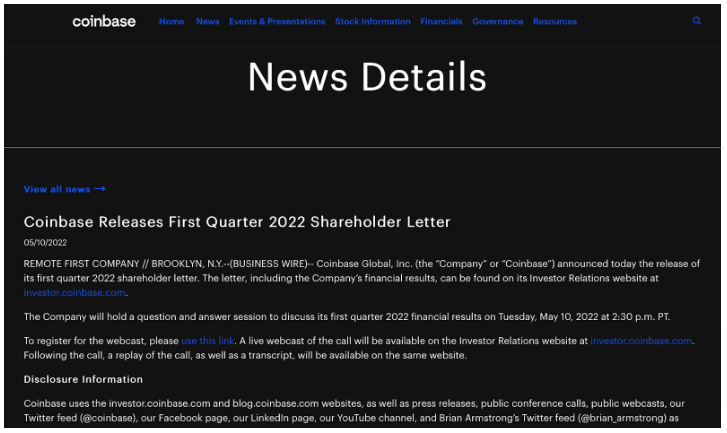
Press releases are a classic tool in public relations, and they are powerful components of a blockchain marketing strategy.
For example, Coinbase regularly releases quarterly shareholder letters that communicate financial results to investors. To promote these letters, they publish press releases on their website and other publications.
Target audience: Coinbase investors.
Goal: Maintain transparency to boost loyalty.
Message:“Coinbase is building the cryptoeconomy—a more fair, accessible, efficient, and transparent financial system enabled by crypto.”
3. 2022 TITAN Business Award — FluentPet
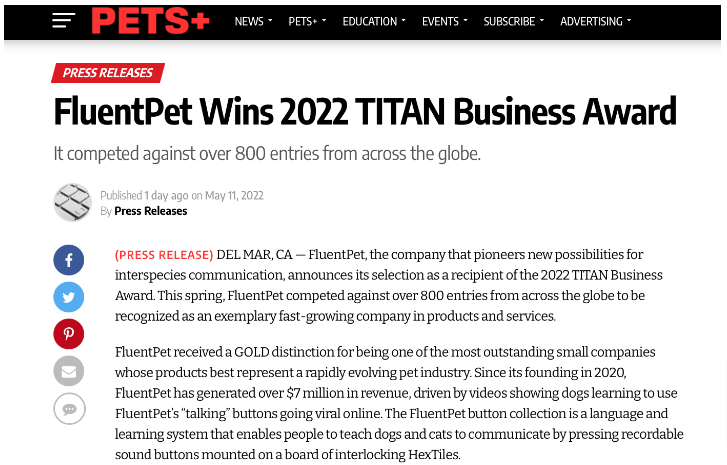
This next press release features FluentPet—a company that reimagines the way owners can communicate with their pets. The company announced to the press their selection for the 2022 TITAN Business Awards amongst over 800 companies worldwide.
Target audience: Investors and potential customers.
Goal: Increase online presence, attract investors and customers, and build credibility.
Message:“As we continue to deepen our relationships with other species through our Guides and researchers, we expand the boundaries of what our industry can achieve.”
4. “Life without bees: The effects on food” — Fairmont

In their digital PR campaign, Fairmont Hotels & Resorts used a slider panel to help people realize the effects of the dwindling bee population on their daily meals. The effort was made to raise awareness on the impact of global warming.
Target audience: Hoteliers and customers.
Goal: Improve brand image by raising awareness on global issues that affect everyone
Message:“In a world without bees, our food would not be as tasty, nutritious, or plentiful.”
5. Twisted Toys — 5Rights Foundation
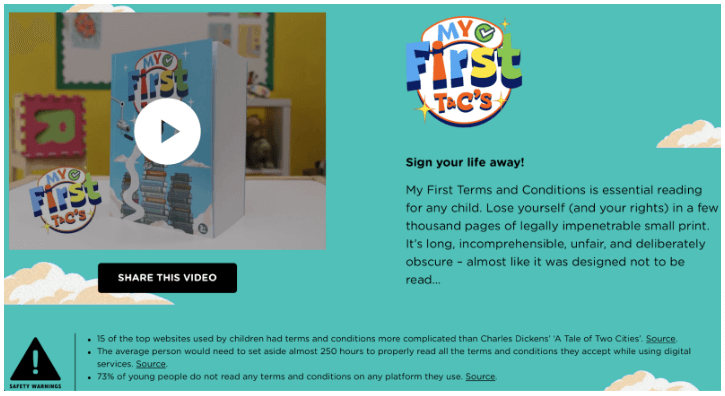
Twisted Toys is the digital campaign of 5Rights Foundation, a non-profit organization that advocates for a safer internet for children. The campaign showcases fictional toys that come with disturbing features, which reflect predatory practices on the internet.
Target audience: Parents and internet users as a whole.
Goal: Raise awareness and garner support for building a safer internet.
Message:“Imagine if all the harmful features of the digital world were in traditional toys…”
6. “Wanna Talk About It?” — Netflix
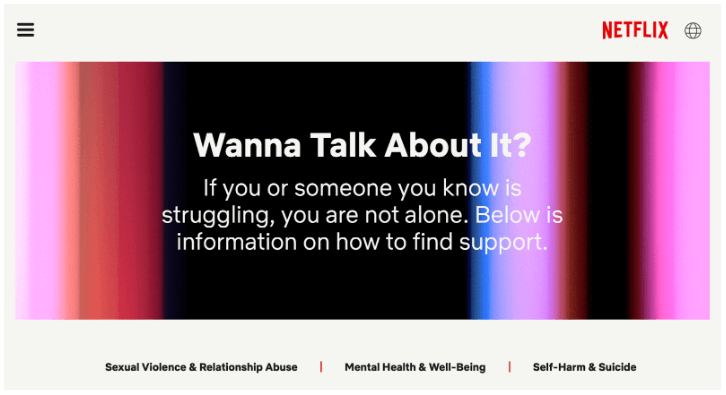
“Wanna Talk About It” is an awareness campaign on mental wellness by streaming giant, Netflix. Apart from promoting movies that relate to mental health issues, the company also shared phone numbers that victims and sufferers can call for support.
Target audience: Abuse victims, people with mental health problems, and people who know them.
Goal: Improve brand image and promote movies that raise awareness on mental health issues.
Message:“If you or someone you know is struggling, you are not alone.”
7. Penny the Pirate — OPSM
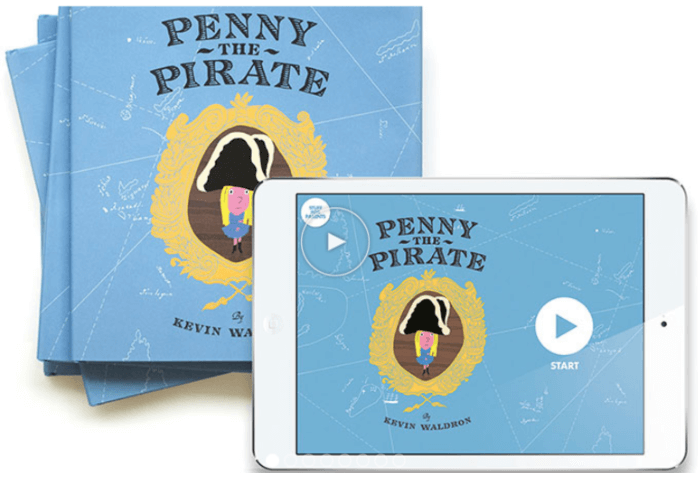
Penny the Pirate is a mascot created by OPSM—a vision care company based in Australia. The mascot was created to help parents identify the early signs of vision problems in children.
Target audience: Parents of children with eye problems.
Goal: Promote vision care awareness to increase eye tests and eyewear sales.
Message:“Penny is the first medical tool that helps mums test their children’s vision as they read them a bedtime story.”
8. #FlyBabies - JetBlue
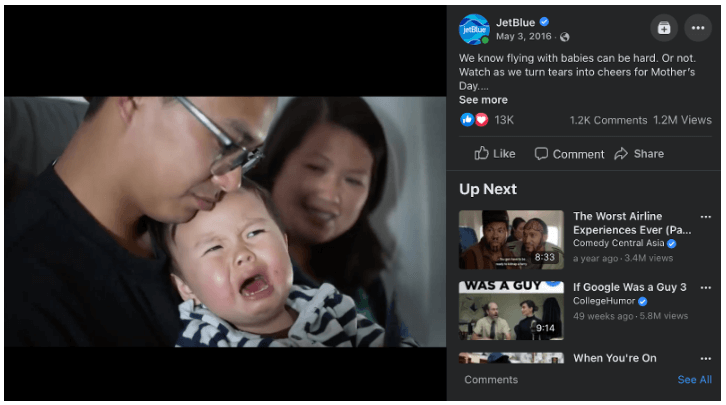
In 2016, JetBlue launched the “#FlyBabies” campaign that offered passengers a 25% discount every time a baby cries in-flight during Mother’s Day. It turned what’s normally a miserable experience into something that passengers cheered, providing the company with more sales and positive press.
Target audience: Airline passengers.
Goal: Increase sales, boost brand image, and address one of the most common complaints during flights.
Message:“Watch as we turn tears into cheers for Mother’s Day.”
9. 10 Real Estate Social Media Marketing Strategies — Leslie Mann, Sotheby’s International Realty
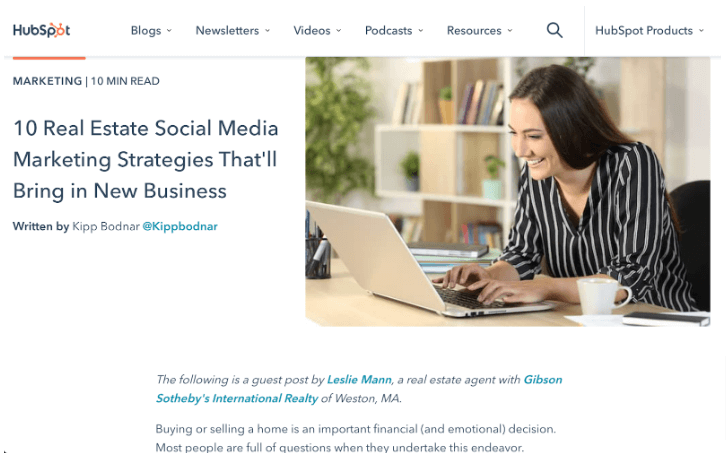
Guest posting is one of the easiest and most cost-effective ways to elevate your public relations, like what Leslie Mann—agent at Sotheby’s International Realty—did in this HubSpot post. It allows brands to prove their expertise and establish their credibility in the audience’s eyes.
Target audience: Social media marketing agencies and real estate agents.
Goal: Increase credibility, online reach, website SEO, and leads.
Message:“Your followers may prove themselves to be your strongest property advocates.”
How to Choose the Right PR Strategy
The right tactic depends on what the campaign needs to accomplish. A brand looking for media attention may have a stronger opportunity with original research or a timely story angle. A company trying to establish expertise may benefit from expert commentary or relevant publication contributions. A brand responding to a reputation issue needs a communication process rather than a publicity campaign.
Before launching a campaign, ask:
Who needs to hear this?
Why would they care?
What makes the story timely or useful?
Which channel can reach them? And how will we know whether the campaign achieved its objective?
Final Thoughts
Effective public relations is built around relevance, credibility, and a clear reason for people to pay attention. The strongest campaigns do not rely on publicity alone. They give journalists something useful to report, give audiences a reason to engage, and give the brand a credible way to contribute to the conversation.
Whether the goal is media coverage, thought leadership, community awareness, stakeholder communication, or reputation management, start with the audience and objective before choosing the tactic. A focused strategy makes PR activity easier to execute, measure, and improve.
Need help developing a public relations strategy? Brenton Way can help you identify relevant opportunities, develop campaign ideas, and build a PR program around your business objectives.
Let's Grow Your Brand With Us
Book a free consultation and get a custom growth strategy tailored to your business.
Book Free ConsultationGet marketing insights in your inbox
Join our newsletter for the latest digital marketing tips and strategies.
By subscribing, you agree to our Privacy policy .
